From the outside, it looked as though I was super fit, doing well in business, disciplined and ambitious. Actually, I was traumatised.
I kept running until I couldn’t run anymore, then I became depressed, I developed an auto-immune condition from carrying decades of stress and the final straw was the breakdown of my marriage and family unit. It felt as though I had lost my dream. It was unbearable.
That’s how I ended up in a jungle in Costa Rica doing therapeutic ayahuasca in a clinical setting. It was extreme, but necessary, because my self-defence mechanisms were so strong. A lot of things were locked down so hard in my memory.
I spent a lot of time in Costa Rica revisiting my inner children – the five-year-old who experienced sexual abuse and the 11-year-old who considered suicide. They required a lot of love and attention and when they received it during the therapeutic sessions, the pain dissolved and a lot of pleasant childhood memories resurfaced.
A lot of my initial work was about healing my relationship with my mother, who beat me and left me alone to care for myself from a young age. I had to re-live the anger, the sorrow and the confusion and then was able to let the feelings go.
The plant medicine helped me reprogramme some of the worst beliefs I was carrying about myself as a result of my childhood trauma. I had no self-love and no self-worth. My whole life – from being a seven-times national martial arts champion, to running businesses – was chasing external validation because I wasn’t able to validate myself.
The definition of trauma is strong emotional experiences that are not safe to express at the moment you experience them, so they get stored in your body. Someone can have a traumatic experience, but if they experience it somewhere safe and feel loved and worthy then it can dissipate. I didn’t have that safe place as a child.
I’ve asked myself many times if I would have had the same business success if I hadn’t had my childhood experiences. While some of my ambition did come from a healthy place, the trauma meant that I couldn’t stop working – the second I did, uncomfortable thoughts would start coming up. As a result, I worked for years without a vacation and often for months without a day off. Exercise was another coping mechanism. It started because I needed to build armour. If no one was going to protect me I had to protect myself.

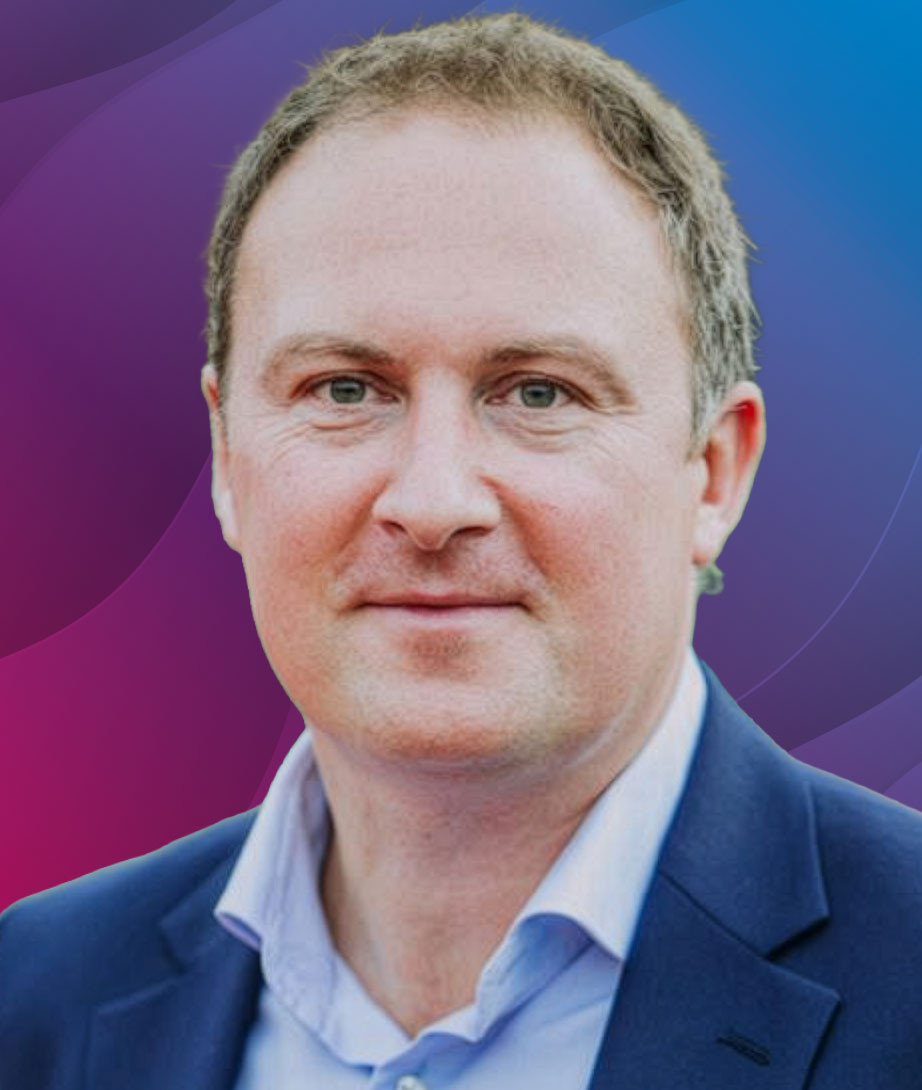
Rasmus Ingerslev / Rasmus Ingerslev
It felt as though I had lost my dream. It was unbearable
The path to Manhug
The healing process was like peeling an onion and took about three years. As well as the time in Costa Rica I used psychotherapy, meditation and breathwork, as well as tantra – the ancient Indian tradition of yoga, meditation and mantras that can unlock inner energy and lead to higher levels of awareness. Afterwards I wanted to share my experience and tools to help other men.
Men operate on three levels – suffering, surviving or living. A lot of us live in the survival area, but then some life event happens and we drop down to suffering and it’s so painful that we have to do something. However, once we get back to surviving again we stop this change process. So the past isn’t healed and we stay stuck in the same behavioural patterns, making the same mistakes.
The belief that we should ‘carry’ everything and ‘do’ everything breaks us down from the inside. If we dare to open up we can really support each other, which is why I’m fully sharing my story and have developed Manhug Coaching.
Manhug is a science-backed, online coaching programme designed to give men the tools to handle life’s challenges. Six areas of health are covered – physical, mental, emotional, relational, sexual and financial.
The most beneficial learnings of my own journey have been distilled into 40 micro-learning lessons comprising short videos, followed by questions and challenges to help people to integrate these learnings into their lives. I’ve trained an AI version of myself to be a sparring partner for those using the programme.
My research showed that 70 to 85 per cent of men are struggling in each of these six areas. That means only one out of every 4,000 men is actually functioning reasonably well across all of them – that’s 0.025 per cent! Most men don’t acknowledge they’re struggling, either because they feel shame or guilt around it, or they don’t realise and have formed coping mechanisms to avoid addressing it.
For example, 80 per cent of men aren’t in control of their finances – don’t know what they owe, or their expenses, don’t understand how to build wealth over time, or how they can translate ambition about financial freedom into a number that will give them that freedom. I talk about wealth creation, and wealth illusion – how wealth is created over time, the effect of compounding, but also dispel the commonly-held, unrealistic ideas of what money can and cannot do.
All the things we don’t discuss about sexual health are also covered – various types of male and female orgasms, erectile dysfunction, penis size. Everything that’s steeped in shame and stigma.
My clear ambition is to help as many men as I possibly can to find their inner strength and avoid the super bumpy, painful and very expensive ride that I went on. Every man who steps up and does his healing work is not only healing himself, he’s healing everybody around him.
When I started in the fitness industry, my ambition was to help the most amount of people possible to live happier lives and Manhug is part of that same vision. Men will benefit, but so will the women in their lives, as well as their children and their grandchildren.

Men operate on three levels: ‘suffering, surviving or living’ / Rasmus Ingerslev
About Manhug
Manhug’s Ignite programme is currently being offered for €19 a month, which includes 40 video lessons, workbook, workouts, recipes and AI coaching.
People can start at the point where they feel most challenged. There is no commitment beyond the first payment.
The Mentorship programme offers all of the above as well as two monthly one-to-one 90-minute sessions with Rasmus Ingerslev. The price starts at €1,500.

Most men don’t acknowledge they’re struggling / Rasmus Ingerslev