Get HCM digital magazine and ezines FREE
Sign up here ▸
Jobs   News   Features   Products   Magazine      Advertise  
Insight
What women want

A white paper on women’s fitness, commissioned by Sophie Lawler, CEO of Total Fitness, is a call to action, as Liz Terry reports


A new white paper from Total Fitness – Women and the Gym: un-met needs and the role of women only spaces, casts light on the challenges and opportunities for operators when it comes to providing for and interacting with female members.

For all the growth, polish and sophistication of the UK fitness sector, one inconvenient truth remains: large parts of the mainstream gym model still do not fit the realities of many women’s lives.

This is not because women lack interest in health, exercise or wellbeing. Quite the opposite. Women are often the primary health decision-makers in households, they engage heavily with fitness content, invest in wearables and participate in informal exercise in large numbers. The problem is not motivation. It is the relationship between women and a particular kind of space.

The insight work was commissioned by Total Fitness’ CEO, Sophie Lawler, who says: “It’s time to start talking about women and gyms well beyond the context of training modalities, glute builders and life-stage education.

“There is a tough truth here: The mainstream gym environment, its membership structures and its equipment, have been designed in a way that silently excludes most women – their emotional needs are written out, unconsciously and unintentionally.”

The scope of the research

The research polled 5,091 UK adults in 2025, finding that 64 per cent of women are not currently members of a gym or health club. Membership peaks among women aged 25 to 34, during which time 67 per cent report being members, before declining with age, until by 65, only 13 per cent remain members.

Male participation also falls with age, but women start from a lower base and drop below the 30 per cent membership rate much earlier. Among those 45- to 54-years-of-age, 29 per cent of women are members, compared with 38 per cent of men.

The white paper argues that there is not one universal female experience, nor does it deny that many women thrive in traditional gym environments, feeling confident, capable and entirely at ease. Plenty lift weights, train hard and experience gyms as positive, empowering spaces. It doesn’t question or diminish these experiences.

But the numbers show recurring participation patterns that suggest a significant number of women experience gyms differently, at particular life stages.

That matters, because it shifts the conversation away from personal preference and towards design. When a pattern repeats across age groups, participation styles and membership histories, it becomes reasonable to ask whether the product has been built around only part of the market.

Not a straight line

One of the paper’s clearest findings is that gym participation for women is often episodic rather than continuous. The industry tends to talk in the language of habit, consistency, transformation and long-term progression. Membership models are designed around monthly renewal and annual retention. Yet for many women, real life does not follow that neat trajectory.

Among women who aren’t gym members, 50 per cent have previously held a membership. So non-membership doesn’t necessarily mean disinterest or inexperience. In many cases, it means a pause.

Even among current women gym members, only 19 per cent say they have had no breaks in membership over the past 10 years. In other words, 81 per cent have experienced interruption. Among women who are not currently members, 41 per cent report having taken multiple breaks over the past decade, compared with 34 per cent of men.

The reasons for interruption are rarely dramatic or singular. Often they reflect an accumulation of pressures, with illness and injury playing a role and 20 per cent of current women gym members report having taken a break for this reason.

But health is only part of the story and the report points to the familiar mid-life squeeze. Participation begins to decline in women’s 30s and falls sharply in their 40s, when work and family pressures often intensify. Women are more likely to carry unpaid care responsibilities, while menopause and other life stages can affect energy, wellbeing and routine.

Needs change over time and women who once trained intensively may later attend less frequently. Those who once prioritised performance may later prioritise wellbeing

Fitness in a structured setting requires more than good intentions. It requires time, energy, mental space and, often, permission to prioritise oneself. For many women, that permission does not come easily and they may feel guilt about taking time for personal wellbeing

“When participation peaks sharply at one life stage and then declines, it raises a question. ‘Is the environment designed in a way that remains relevant as women move through different phases of life?’” asks the white paper, ‘or is it designed for a narrower period in life, when time, confidence and stability are easier to sustain?’”

Needs change over time and women who once trained intensively may later attend less frequently. Those who once prioritised performance may later prioritise wellbeing.

Gyms are not responsible for wider societal inequalities, it says, but they operate within that context and if women’s lives are shaped by fluctuating demands and competing priorities, then fitness environments built around consistent attendance do not always match the realities of life.

Re-entry can be fragile

A key weakness in many traditional gym and health club models is the assumption that returning members can simply resume where they left off. The report suggests that is rarely true, especially for women.

A woman rejoining after pregnancy, illness, menopause or a prolonged spell of inactivity is not returning to the same baseline, physically or psychologically. She may need to rebuild strength, relearn equipment, reset expectations and overcome self-consciousness about perceived regression. What was once familiar can suddenly feel alien.

This is where design starts to matter. If the sector is built around forward progression, rather than interruption and re-entry, it risks failing women at the very point when support is most needed.

The same tension appears in how women outside the gym talk about joining. Only 34 per cent of women non-members say they have no interest in joining a gym. That means two thirds are at least open to the idea. Non-membership, then, is not the same as rejection.

Cost matters, of course. Some 42 per cent say ‘money would have to be different’ before they joined. But the paper is clear that this is not the whole story. Some 17 per cent say they would need to overcome injury or illness. Another 12 per cent say they would need to ‘feel better’ before joining. A further 9 per cent say they would need a gym environment with other users who feel as though they are ‘people like them’.

Taken together, these are not trivial objections. They point to a perceived barrier. If women feel they need to be fitter, more confident or more comfortable before even entering a gym, This suggests the gym is too often perceived as a place that requires readiness, rather than one that builds it.

Even members face friction

Another misconception challenged by the report is that once women join, the major barriers have been overcome, however, having a membership does not automatically equal comfort. Among current members, 39 per cent say their gym is often overcrowded, affecting privacy, ease of movement and willingness to try new equipment.

The same applies to staffing and atmosphere. Half of current women members – 50 per cent – rate staff presence on the gym floor for safety and comfort as ‘very’ or ‘extremely’ important. Cleanliness matters even more, with 62 per cent rating it ‘very’ or ‘extremely’ important. Some 39 per cent say staff presence for setting atmosphere is ‘very’ or ‘extremely’ important, compared with 35 per cent who say the same about staff presence when it comes to getting ‘fitness advice’.

This suggests women often value reassurance, tone and emotional ease more than technical coaching.

This idea of emotional infrastructure runs through the whole paper. A gym experience is shaped not just by equipment and programming, but by sightlines, density, mirrors, acoustics, layout, staff visibility and the general feeling of the space. Policy statements about inclusion matter, but lived experience is determined on the gym floor.

Making priorities clearer

Among current women gym members, 34 per cent say improving or maintaining overall fitness is their top reason for membership. By contrast, only 16 per cent say wanting to look better is their primary motivation. Another 14 per cent say feeling better about themselves is their main driver. So appearance matters, but the bigger motivations are health, function, confidence and long-term wellbeing.

Among current women members, 39 per cent say their gym is often overcrowded, affecting privacy, ease of movement and willingness to try unfamiliar equipment

For many, the gym isn’t chosen for social status or because it’s a place to compete, it’s simply a functional environment that supports personal health, capacity and wellbeing.

This is important because the industry still too often frames women’s fitness through aesthetics, transformation and image. Yet if the core reasons for joining are sustainability and feeling well, then environments dominated by comparison, intensity or ‘performance-signalling’ may feel out of step with what many women actually want.

The paper doesn’t reject performance-led training, but argues that for many women it’s not the primary draw. Many are not looking to compete or for ‘lifestyle badges’, they’re looking for a workable environment that supports their health.

The case for women-only spaces

Against this backdrop, the paper explores the role of women-only health clubs and gyms. It argues that such spaces should not be seen as divisive or as a gimmick, but as one evidence-based response to a recurring participation challenge.

“Women-only spaces are not a step back from inclusion,” it says, “they’re one way of putting it into practice. They’re not a replacement for mixed gyms, but an option that can lower self-consciousness and reduce the threshold for entry for some users.”

The practical example here is The Women’s Gym, a purpose-built women-only concept launched by Total Fitness in Whitefield in January 2024, followed by Wilmslow in September the same year. The initiative was developed following structured consultation with more than 150 women, alongside wider research.

The findings are notable. Nearly half – 48 per cent – of The Women’s Gym members were not active gym members immediately before joining. Among those who had previously belonged to a gym, 31 per cent had been out of the system for more than five years. Meanwhile, 20 per cent had never previously belonged to a gym or health club at all.

That means the concept appears both to be reactivating lapsed users and attracting first-timers.

When asked why they joined, 76 per cent cited comfort, while safety or harassment concerns were mentioned by 23 per cent and religious or cultural reasons by 22 per cent.

The behavioural changes were striking. Before joining The Women’s Gym, 22 per cent of members reported doing no physical activity over the prior four-week period. After joining, that figure fell to 1 per cent. Prior to joining, only 14 per cent exercised nine or more times per month. After joining, 48 per cent did so.

The sector has evolved significantly over the past decade and the next stage of evolution will be as much about experience as it is about equipment

The Women’s Gym Whitefield site later reached its deliberately capped membership limit and introduced a waiting list. That decision to cap numbers matters, because it reflects one of the report’s broader conclusions: that atmosphere and usability can quickly be eroded if overcrowding is allowed to undermine the very conditions that made the space appealing to women in the first place.

A design challenge for the sector

The wider lesson here is not that every operator should copy the same format, but that the sector should take design-led adaptation more seriously.

Participation is shaped by context and if operators want to support women consistently across life stages, they have to do more than offer access. They have to offer alignment that considers layout, staffing, atmosphere and programming, as well as how women move through space, where they feel most exposed and how progression can be supported without pressure.

In addition, the equipment offered is not yet optimal: The paper notes that much gym equipment has historically been designed around male body dimensions, affecting comfort, grip and usability for some women.

Action can take many forms: better capacity management, more thoughtful layouts, stronger staff presence, more flexible membership structures, re-entry pathways for returning members, better recognition of women’s life stages and – in some cases – women-only provision.

Kerry Curtis, CCO of Total Fitness, says: “If women feel they need to be ‘ready’ before they walk through the door, then we haven’t designed environments that truly support them. This is not a motivation gap, it’s a design challenge, and one we have a responsibility to solve.

“For our Women’s Gyms that shows up in my ways such as familiar pieces of kit as soon as they walk through the door, calming colours and materials, mirror-free workout areas, subtle privacy and staff as and when you need them.”

The most persuasive argument in this white paper is not ideological, it’s practical. For a sector that prides itself on helping people build healthier lives, these seem less like niche issues and more like a call to action for the industry.

The UK fitness sector has evolved significantly over the past decade, says the white paper, and the next stage of evolution will be as much about experience as it is about equipment.

Ultimately, the conversation about women-only spaces invites a broader reflection on how clubs are designed, who they’re optimised for and how adaptable they are to women’s changing life stages.

More: www.HCMmag.com/TFWomenWP

Sophie Lawler
Sophie Lawler / TOTAL FITNESS

"It’s time to start talking about women and gyms well beyond the context of training modalities, glute builders and life-stage education" – Sophie Lawler

Women in gyms:
THE NUMBERS

Who’s a member?

64% of women are not members of a gym or health club

50% of female non-members have previously held a gym membership

81% of women have had breaks in memberships in the last 10 years

41% of women non-members report multiple membership breaks over the past decade, compared with 34% of men

Age profiles

67% aged 25 to 34 are gym members

13% aged 65 and over are gym members

29% of women are members between 45 to 54, compared with 38% of men

Barriers

42% of non-members say money is a barrier

17% say injury or illness are barriers

12% need to ‘feel better’ before joining

9% would need a gym environment with people “like them”

Motivations

50% rate staff presence for safety and comfort as ‘very’ or ‘extremely’ important

76% of The Women’s Gym members say comfort was the main reason they joined

39% of women members say their gym is often overcrowded

62% rate cleanliness as ‘very’ or ‘extremely’ important

Impact – The Women’s Gym

48% of The Women’s Gym members were not active gym members before joining

20% of The Women’s Gym members had never previously belonged to a gym or health club

22% of members reported doing no physical activity over four weeks before joining The Women’s Gym; after joining, this fell to 1%

14% exercised nine or more times a month before joining; after joining, 48% did so

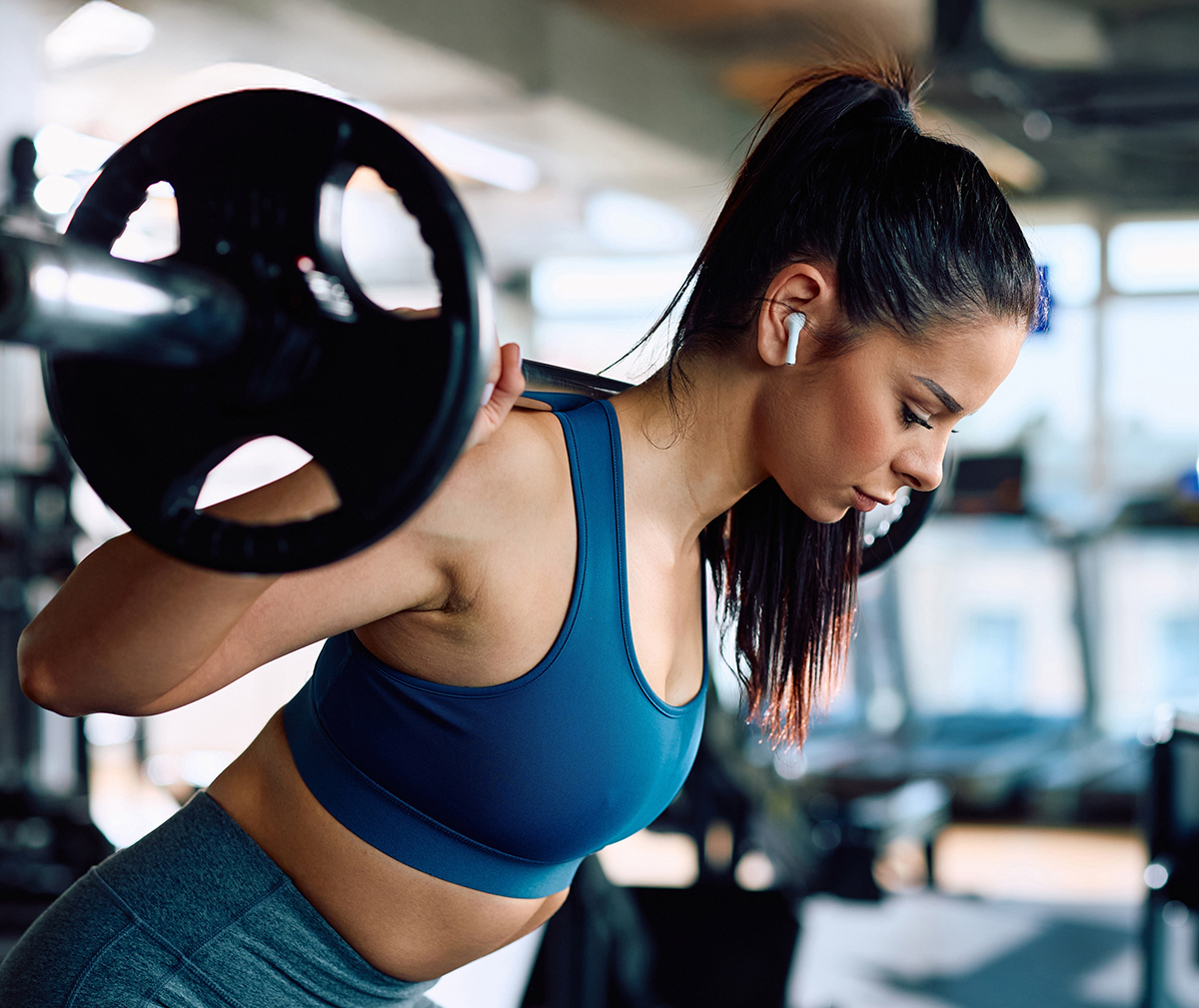
Woman lifting weights
Shutterstock / Drazen Zigic
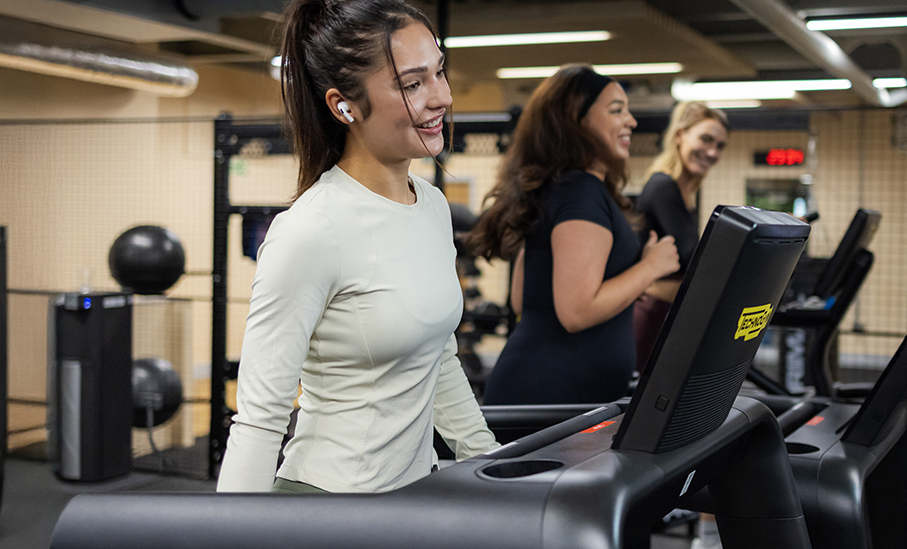
Women on running machines
Gym participation for women is often episodic rather than continuous, the research finds / Total Fitness
Women on gym floor
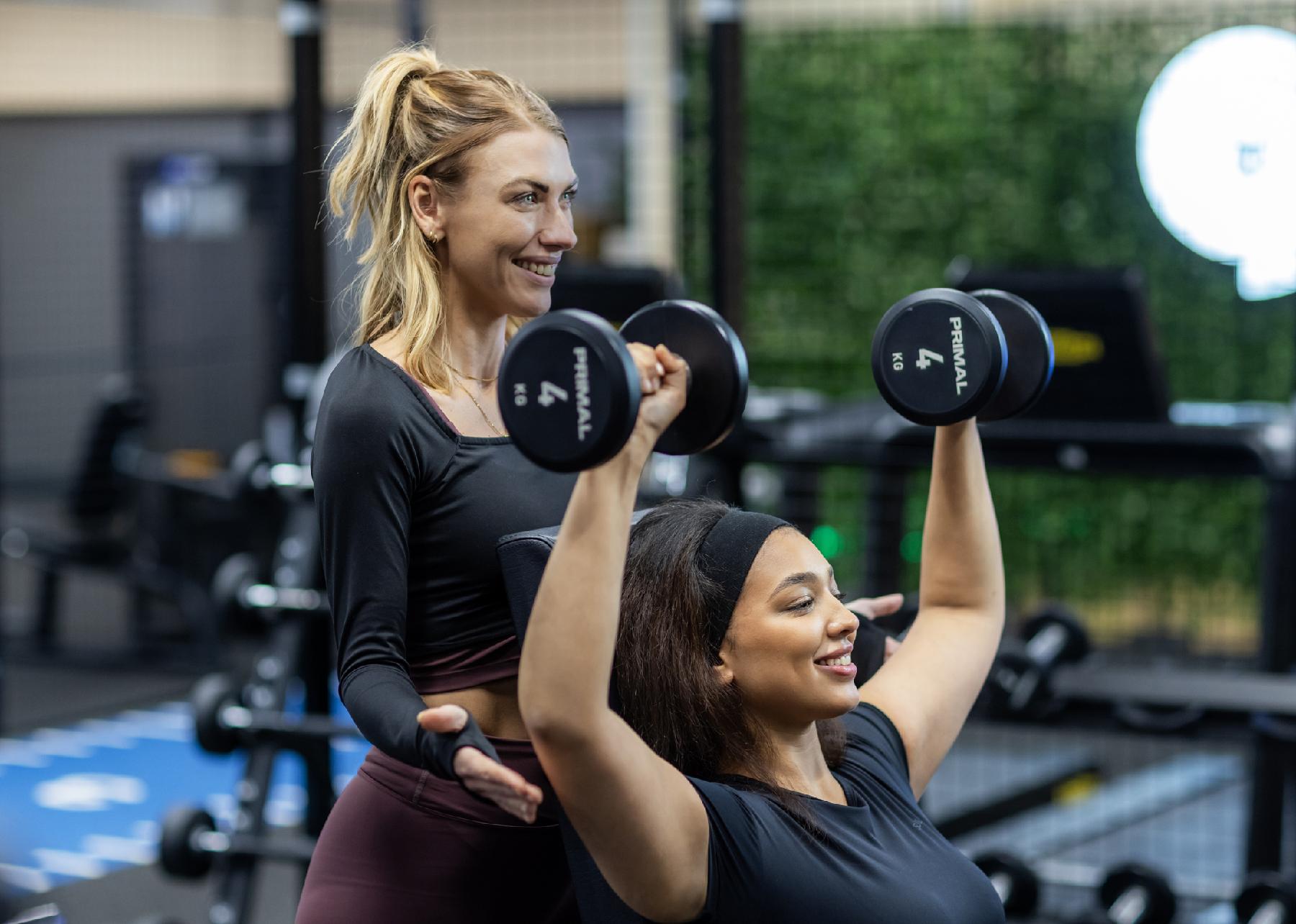
Women rate staff presence on the gym floor as very important / Total Fitness
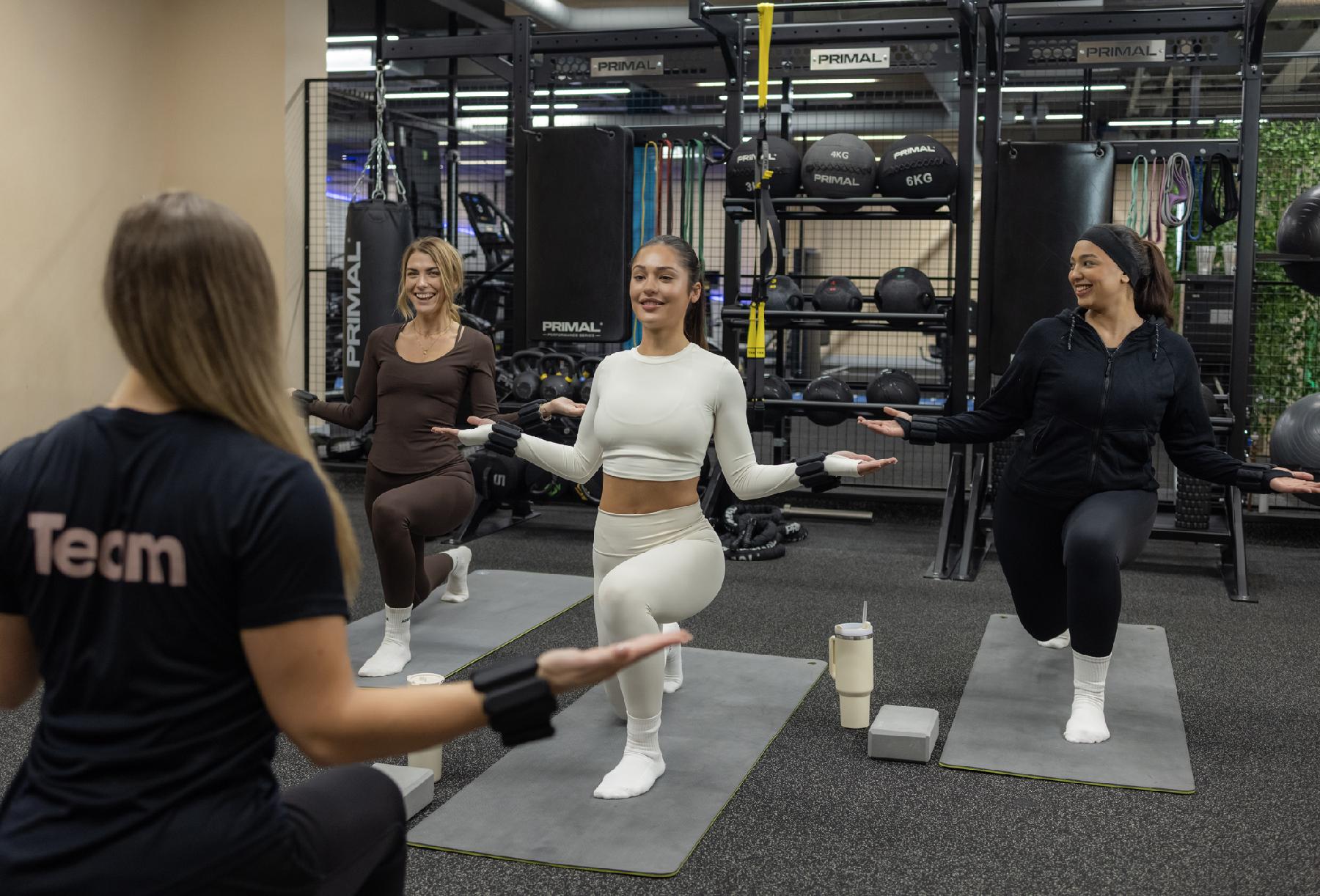
Group taking gym class
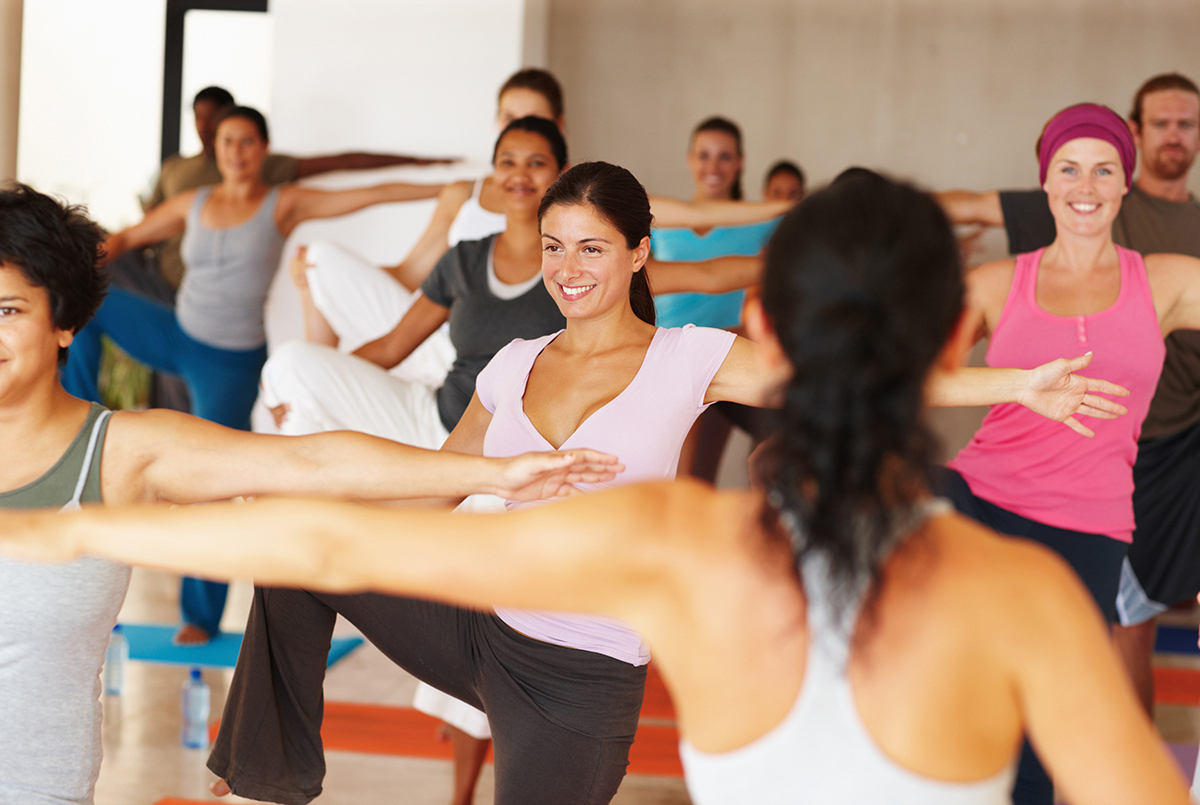
Women seek ‘emotional infrastructure’ rather than just gym equipment / Shutterstock/PeopleImages
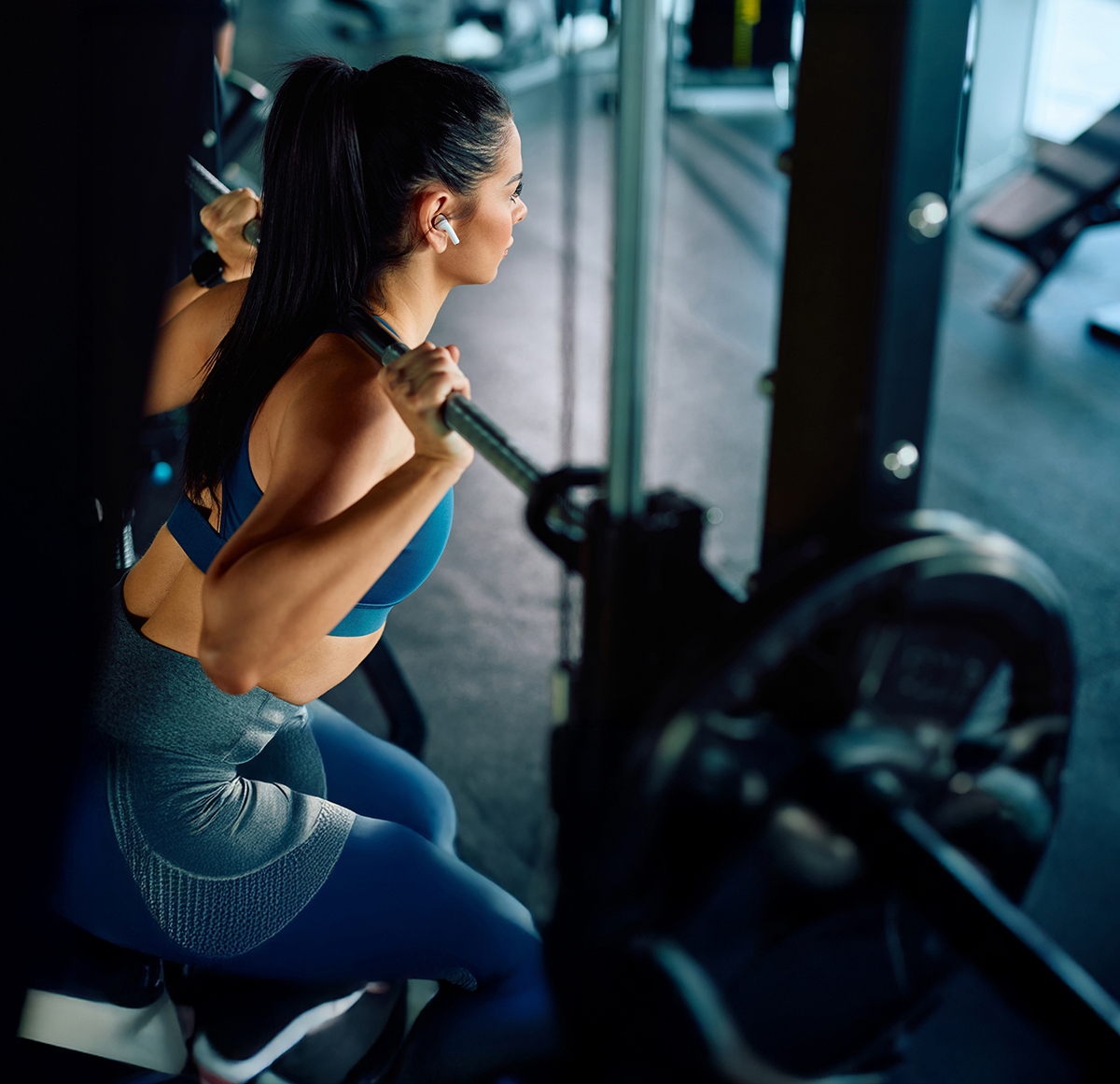
Women lifting weights
Female members need support across all life stages / Total Fitness
FEATURED SUPPLIERS

CoverMe extends matching service to personal training, rewriting how members and personal trainers connect
CoverMe, the global leader in fitness workforce management, today launches CoverMe PT, an on-demand personal training platform that connects the right personal trainer to the right client in under 10 seconds. [more...]

Cornerstone Connect helps Active Blackpool tackle health inequalities
Active Blackpool is deploying Cornerstone Connect, a new digital interface allowing disparate information from multiple systems to be aggregated into one dataset, to support its focus on reducing health inequalities and improving healthy life expectancy. [more...]
+ More featured suppliers  
COMPANY PROFILES
Everyone Active

Everyone Active operates leisure centres in partnership with local councils across the UK. Today, Ev [more...]
Serco Leisure

Serco Leisure Operating Limited is one of the UK’s leading national operators of leisure centres, de [more...]
+ More profiles  
CATALOGUE GALLERY
 
+ More catalogues  

DIRECTORY
+ More directory  
DIARY


03-05 Jul 2026

World Championship in Massage

Copenhagen, Copenhagen, Denmark
23-26 Aug 2026

Elevate Spa Riviera Maya Edition

The Riviera Maya Edition Kanai, Playa del Carmen, Mexico
+ More diary  
 
ABOUT LEISURE MEDIA
LEISURE MEDIA MAGAZINES
LEISURE MEDIA HANDBOOKS
LEISURE MEDIA WEBSITES
LEISURE MEDIA PRODUCT SEARCH
 
HCM
LEISURE OPPORTUNITIES
HEALTH CLUB HANDBOOK
PRINT SUBSCRIPTIONS
FREE DIGITAL SUBSCRIPTIONS
ADVERTISE . CONTACT US

Leisure Media
Tel: +44 (0)1462 431385

©Cybertrek 2026
Get HCM digital magazine and ezines FREE
Sign up here ▸
Jobs    News   Products   Magazine
Insight
What women want

A white paper on women’s fitness, commissioned by Sophie Lawler, CEO of Total Fitness, is a call to action, as Liz Terry reports


A new white paper from Total Fitness – Women and the Gym: un-met needs and the role of women only spaces, casts light on the challenges and opportunities for operators when it comes to providing for and interacting with female members.

For all the growth, polish and sophistication of the UK fitness sector, one inconvenient truth remains: large parts of the mainstream gym model still do not fit the realities of many women’s lives.

This is not because women lack interest in health, exercise or wellbeing. Quite the opposite. Women are often the primary health decision-makers in households, they engage heavily with fitness content, invest in wearables and participate in informal exercise in large numbers. The problem is not motivation. It is the relationship between women and a particular kind of space.

The insight work was commissioned by Total Fitness’ CEO, Sophie Lawler, who says: “It’s time to start talking about women and gyms well beyond the context of training modalities, glute builders and life-stage education.

“There is a tough truth here: The mainstream gym environment, its membership structures and its equipment, have been designed in a way that silently excludes most women – their emotional needs are written out, unconsciously and unintentionally.”

The scope of the research

The research polled 5,091 UK adults in 2025, finding that 64 per cent of women are not currently members of a gym or health club. Membership peaks among women aged 25 to 34, during which time 67 per cent report being members, before declining with age, until by 65, only 13 per cent remain members.

Male participation also falls with age, but women start from a lower base and drop below the 30 per cent membership rate much earlier. Among those 45- to 54-years-of-age, 29 per cent of women are members, compared with 38 per cent of men.

The white paper argues that there is not one universal female experience, nor does it deny that many women thrive in traditional gym environments, feeling confident, capable and entirely at ease. Plenty lift weights, train hard and experience gyms as positive, empowering spaces. It doesn’t question or diminish these experiences.

But the numbers show recurring participation patterns that suggest a significant number of women experience gyms differently, at particular life stages.

That matters, because it shifts the conversation away from personal preference and towards design. When a pattern repeats across age groups, participation styles and membership histories, it becomes reasonable to ask whether the product has been built around only part of the market.

Not a straight line

One of the paper’s clearest findings is that gym participation for women is often episodic rather than continuous. The industry tends to talk in the language of habit, consistency, transformation and long-term progression. Membership models are designed around monthly renewal and annual retention. Yet for many women, real life does not follow that neat trajectory.

Among women who aren’t gym members, 50 per cent have previously held a membership. So non-membership doesn’t necessarily mean disinterest or inexperience. In many cases, it means a pause.

Even among current women gym members, only 19 per cent say they have had no breaks in membership over the past 10 years. In other words, 81 per cent have experienced interruption. Among women who are not currently members, 41 per cent report having taken multiple breaks over the past decade, compared with 34 per cent of men.

The reasons for interruption are rarely dramatic or singular. Often they reflect an accumulation of pressures, with illness and injury playing a role and 20 per cent of current women gym members report having taken a break for this reason.

But health is only part of the story and the report points to the familiar mid-life squeeze. Participation begins to decline in women’s 30s and falls sharply in their 40s, when work and family pressures often intensify. Women are more likely to carry unpaid care responsibilities, while menopause and other life stages can affect energy, wellbeing and routine.

Needs change over time and women who once trained intensively may later attend less frequently. Those who once prioritised performance may later prioritise wellbeing

Fitness in a structured setting requires more than good intentions. It requires time, energy, mental space and, often, permission to prioritise oneself. For many women, that permission does not come easily and they may feel guilt about taking time for personal wellbeing

“When participation peaks sharply at one life stage and then declines, it raises a question. ‘Is the environment designed in a way that remains relevant as women move through different phases of life?’” asks the white paper, ‘or is it designed for a narrower period in life, when time, confidence and stability are easier to sustain?’”

Needs change over time and women who once trained intensively may later attend less frequently. Those who once prioritised performance may later prioritise wellbeing.

Gyms are not responsible for wider societal inequalities, it says, but they operate within that context and if women’s lives are shaped by fluctuating demands and competing priorities, then fitness environments built around consistent attendance do not always match the realities of life.

Re-entry can be fragile

A key weakness in many traditional gym and health club models is the assumption that returning members can simply resume where they left off. The report suggests that is rarely true, especially for women.

A woman rejoining after pregnancy, illness, menopause or a prolonged spell of inactivity is not returning to the same baseline, physically or psychologically. She may need to rebuild strength, relearn equipment, reset expectations and overcome self-consciousness about perceived regression. What was once familiar can suddenly feel alien.

This is where design starts to matter. If the sector is built around forward progression, rather than interruption and re-entry, it risks failing women at the very point when support is most needed.

The same tension appears in how women outside the gym talk about joining. Only 34 per cent of women non-members say they have no interest in joining a gym. That means two thirds are at least open to the idea. Non-membership, then, is not the same as rejection.

Cost matters, of course. Some 42 per cent say ‘money would have to be different’ before they joined. But the paper is clear that this is not the whole story. Some 17 per cent say they would need to overcome injury or illness. Another 12 per cent say they would need to ‘feel better’ before joining. A further 9 per cent say they would need a gym environment with other users who feel as though they are ‘people like them’.

Taken together, these are not trivial objections. They point to a perceived barrier. If women feel they need to be fitter, more confident or more comfortable before even entering a gym, This suggests the gym is too often perceived as a place that requires readiness, rather than one that builds it.

Even members face friction

Another misconception challenged by the report is that once women join, the major barriers have been overcome, however, having a membership does not automatically equal comfort. Among current members, 39 per cent say their gym is often overcrowded, affecting privacy, ease of movement and willingness to try new equipment.

The same applies to staffing and atmosphere. Half of current women members – 50 per cent – rate staff presence on the gym floor for safety and comfort as ‘very’ or ‘extremely’ important. Cleanliness matters even more, with 62 per cent rating it ‘very’ or ‘extremely’ important. Some 39 per cent say staff presence for setting atmosphere is ‘very’ or ‘extremely’ important, compared with 35 per cent who say the same about staff presence when it comes to getting ‘fitness advice’.

This suggests women often value reassurance, tone and emotional ease more than technical coaching.

This idea of emotional infrastructure runs through the whole paper. A gym experience is shaped not just by equipment and programming, but by sightlines, density, mirrors, acoustics, layout, staff visibility and the general feeling of the space. Policy statements about inclusion matter, but lived experience is determined on the gym floor.

Making priorities clearer

Among current women gym members, 34 per cent say improving or maintaining overall fitness is their top reason for membership. By contrast, only 16 per cent say wanting to look better is their primary motivation. Another 14 per cent say feeling better about themselves is their main driver. So appearance matters, but the bigger motivations are health, function, confidence and long-term wellbeing.

Among current women members, 39 per cent say their gym is often overcrowded, affecting privacy, ease of movement and willingness to try unfamiliar equipment

For many, the gym isn’t chosen for social status or because it’s a place to compete, it’s simply a functional environment that supports personal health, capacity and wellbeing.

This is important because the industry still too often frames women’s fitness through aesthetics, transformation and image. Yet if the core reasons for joining are sustainability and feeling well, then environments dominated by comparison, intensity or ‘performance-signalling’ may feel out of step with what many women actually want.

The paper doesn’t reject performance-led training, but argues that for many women it’s not the primary draw. Many are not looking to compete or for ‘lifestyle badges’, they’re looking for a workable environment that supports their health.

The case for women-only spaces

Against this backdrop, the paper explores the role of women-only health clubs and gyms. It argues that such spaces should not be seen as divisive or as a gimmick, but as one evidence-based response to a recurring participation challenge.

“Women-only spaces are not a step back from inclusion,” it says, “they’re one way of putting it into practice. They’re not a replacement for mixed gyms, but an option that can lower self-consciousness and reduce the threshold for entry for some users.”

The practical example here is The Women’s Gym, a purpose-built women-only concept launched by Total Fitness in Whitefield in January 2024, followed by Wilmslow in September the same year. The initiative was developed following structured consultation with more than 150 women, alongside wider research.

The findings are notable. Nearly half – 48 per cent – of The Women’s Gym members were not active gym members immediately before joining. Among those who had previously belonged to a gym, 31 per cent had been out of the system for more than five years. Meanwhile, 20 per cent had never previously belonged to a gym or health club at all.

That means the concept appears both to be reactivating lapsed users and attracting first-timers.

When asked why they joined, 76 per cent cited comfort, while safety or harassment concerns were mentioned by 23 per cent and religious or cultural reasons by 22 per cent.

The behavioural changes were striking. Before joining The Women’s Gym, 22 per cent of members reported doing no physical activity over the prior four-week period. After joining, that figure fell to 1 per cent. Prior to joining, only 14 per cent exercised nine or more times per month. After joining, 48 per cent did so.

The sector has evolved significantly over the past decade and the next stage of evolution will be as much about experience as it is about equipment

The Women’s Gym Whitefield site later reached its deliberately capped membership limit and introduced a waiting list. That decision to cap numbers matters, because it reflects one of the report’s broader conclusions: that atmosphere and usability can quickly be eroded if overcrowding is allowed to undermine the very conditions that made the space appealing to women in the first place.

A design challenge for the sector

The wider lesson here is not that every operator should copy the same format, but that the sector should take design-led adaptation more seriously.

Participation is shaped by context and if operators want to support women consistently across life stages, they have to do more than offer access. They have to offer alignment that considers layout, staffing, atmosphere and programming, as well as how women move through space, where they feel most exposed and how progression can be supported without pressure.

In addition, the equipment offered is not yet optimal: The paper notes that much gym equipment has historically been designed around male body dimensions, affecting comfort, grip and usability for some women.

Action can take many forms: better capacity management, more thoughtful layouts, stronger staff presence, more flexible membership structures, re-entry pathways for returning members, better recognition of women’s life stages and – in some cases – women-only provision.

Kerry Curtis, CCO of Total Fitness, says: “If women feel they need to be ‘ready’ before they walk through the door, then we haven’t designed environments that truly support them. This is not a motivation gap, it’s a design challenge, and one we have a responsibility to solve.

“For our Women’s Gyms that shows up in my ways such as familiar pieces of kit as soon as they walk through the door, calming colours and materials, mirror-free workout areas, subtle privacy and staff as and when you need them.”

The most persuasive argument in this white paper is not ideological, it’s practical. For a sector that prides itself on helping people build healthier lives, these seem less like niche issues and more like a call to action for the industry.

The UK fitness sector has evolved significantly over the past decade, says the white paper, and the next stage of evolution will be as much about experience as it is about equipment.

Ultimately, the conversation about women-only spaces invites a broader reflection on how clubs are designed, who they’re optimised for and how adaptable they are to women’s changing life stages.

More: www.HCMmag.com/TFWomenWP

Sophie Lawler
Sophie Lawler / TOTAL FITNESS

"It’s time to start talking about women and gyms well beyond the context of training modalities, glute builders and life-stage education" – Sophie Lawler

Women in gyms:
THE NUMBERS

Who’s a member?

64% of women are not members of a gym or health club

50% of female non-members have previously held a gym membership

81% of women have had breaks in memberships in the last 10 years

41% of women non-members report multiple membership breaks over the past decade, compared with 34% of men

Age profiles

67% aged 25 to 34 are gym members

13% aged 65 and over are gym members

29% of women are members between 45 to 54, compared with 38% of men

Barriers

42% of non-members say money is a barrier

17% say injury or illness are barriers

12% need to ‘feel better’ before joining

9% would need a gym environment with people “like them”

Motivations

50% rate staff presence for safety and comfort as ‘very’ or ‘extremely’ important

76% of The Women’s Gym members say comfort was the main reason they joined

39% of women members say their gym is often overcrowded

62% rate cleanliness as ‘very’ or ‘extremely’ important

Impact – The Women’s Gym

48% of The Women’s Gym members were not active gym members before joining

20% of The Women’s Gym members had never previously belonged to a gym or health club

22% of members reported doing no physical activity over four weeks before joining The Women’s Gym; after joining, this fell to 1%

14% exercised nine or more times a month before joining; after joining, 48% did so

Woman lifting weights
Shutterstock / Drazen Zigic
Women on running machines
Gym participation for women is often episodic rather than continuous, the research finds / Total Fitness
Women on gym floor
Women rate staff presence on the gym floor as very important / Total Fitness
Group taking gym class
Women seek ‘emotional infrastructure’ rather than just gym equipment / Shutterstock/PeopleImages
Women lifting weights
Female members need support across all life stages / Total Fitness
LATEST NEWS
Industry veterans partner to launch women-only strength brand, LiftHer
An ambitious women’s-only strength and lifting studio concept is set to launch in Dallas this September, with a wider US rollout already in active development.
Omnigym collaborates on an outdoor gym for homeless people
Finnish outdoor fitness equipment specialist, Omnigym, has partnered with charity, Emmaüs Solidarité, to launch an outdoor gym installation at a homeless shelter in Paris.
Virgin Active opens social wellness club in London's Mayfair
Basic-Fit expands German footprint with €52m Wellyou acquisition
Europe’s largest low-cost operator Basic-Fit has agreed to acquire 41 Wellyou clubs in Germany for €52m.
Myzone report shows importance of longevity and social connection
Longevity is the most important motivator for today’s exercisers and social connection is key, according to a report by Myzone.
Until combines multiple disciplines at new Canary Wharf club
Until has opened its fourth club at Canary Wharf, in the iconic YY London building.
Ben Allen appointed managing director at Common Bond
Ben Allen has been appointed managing director at Common Bond. Having set the company up for growth, Robert Rowland now steps into an advisory role.
Industry mourns the loss of Les Mills, a founding father of fitness
Les Mills, whose name became synonymous with one of the world's leading fitness brands, has passed away peacefully at the age of 91.
HCM News: Taking GLP-1s is linked to a decline in physical activity
People taking GLP-1 weight loss medications such as Ozempic, Wegovy, Mounjaro and Zepbound may be losing weight, but they’re also becoming less physically active, according to new research presented at the ENDO 2026 annual meeting of the Endocrine Society
PureGym pilots touchless Recovery Zones in London and Manchester
Low-cost gym operator, PureGym, is trialling recovery zones at two of its UK sites, democratising what was previously a premium experience.
New CIMSPA standards upskill coaches and swimming teachers in mental health
In a milestone moment, mental health has become a core part of CIMSPA’s occupational professional standards.
EoS Fitness is the next budget chain to offer reformer Pilates
US high-value, low-price chain, Eos Fitness, has announced plans to pilot reformer Pilates in three locations this year.
+ More news   
 
FEATURED SUPPLIERS

CoverMe extends matching service to personal training, rewriting how members and personal trainers connect
CoverMe, the global leader in fitness workforce management, today launches CoverMe PT, an on-demand personal training platform that connects the right personal trainer to the right client in under 10 seconds. [more...]

Cornerstone Connect helps Active Blackpool tackle health inequalities
Active Blackpool is deploying Cornerstone Connect, a new digital interface allowing disparate information from multiple systems to be aggregated into one dataset, to support its focus on reducing health inequalities and improving healthy life expectancy. [more...]
+ More featured suppliers  
COMPANY PROFILES
Everyone Active

Everyone Active operates leisure centres in partnership with local councils across the UK. Today, Ev [more...]
+ More profiles  
CATALOGUE GALLERY
+ More catalogues  

DIRECTORY
+ More directory  
DIARY


03-05 Jul 2026

World Championship in Massage

Copenhagen, Copenhagen, Denmark
23-26 Aug 2026

Elevate Spa Riviera Maya Edition

The Riviera Maya Edition Kanai, Playa del Carmen, Mexico
+ More diary  


ADVERTISE . CONTACT US

Leisure Media
Tel: +44 (0)1462 431385

©Cybertrek 2026

ABOUT LEISURE MEDIA
LEISURE MEDIA MAGAZINES
LEISURE MEDIA HANDBOOKS
LEISURE MEDIA WEBSITES
LEISURE MEDIA PRODUCT SEARCH
PRINT SUBSCRIPTIONS
FREE DIGITAL SUBSCRIPTIONS