Get HCM digital magazine and ezines FREE
Sign up here ▸
Jobs   News   Features   Products   Magazine      Advertise  
Feedback
HCM Forum

Fuel the debate about issues and opportunities across the industry. We’d love to hear from you. Write to [email protected]


Jack Shakespeare
Director of strategic projects, 4Global
School holiday support can be transformational for children’s health
Jack Shakespeare

As operators start to make plans for school holiday provision in 2026, the latest figures indicate that the options for organised children’s activities are becoming increasingly expensive, with holiday clubs now costing parents an average of £1,076 per child across the six-week summer break, for example.

For the sector, this is an opportunity to highlight the number of low-cost, safe and fun programmes that are on offer, but while focus often leans towards creating more activities, data from Moving Communities shows accessibility, not availability, is the issue.

Activities and holiday clubs are simply unaffordable for many, particularly those in lower-income households and we know those in lower IMD groups (Index of Multiple Deprivation) are less likely to participate in structured activity, even if facilities exist nearby.

Evidence from insight

Insight from the Moving Communities Community Survey and the Consumer Insight Panel puts it plainly – cost is the number one barrier preventing children and young people from being active, with 37 per cent ranking it as the biggest factor.

The latest Active Lives Children and Young People Survey showed those from the least affluent families are the least likely to be active, with only 45 per cent meeting the Chief Medical Officers’ guidelines, compared to 57 per cent of those from the most affluent families.

Too often, we assume that putting on a programme is enough, but I’m sure we can all point to lots of examples of activities happening locally during the summer months, so perhaps we don’t need more opportunities, just smarter delivery to improve accessibility.

This means tackling access barriers such as cost and transport, while also raising awareness of what’s available locally through improved marketing.

It’s also vital that operating timings fit the needs of working parents and carers and that both parents and children feel confident about engaging with our programmes.

Keeping a focus on fun

Decision-makers in the industry spend much of the day considering large strategic challenges, making it easy to overlook the most important aspect of this – fun.

We know enjoyment is the single biggest factor in improving a child’s relationship with sport and physical activity and – in turn – increasing activity levels and sustained participation, so we need a focus on the quality and inclusivity of the experience, ensuring the fun doesn’t get lost.

Another insight highlighted by our Moving Communities data is the vital role parents and carers play in helping children to be active. Children are significantly more likely to be active if their parents are, despite more than half of parents (55 per cent) not seeing themselves as role models for physical activity.

Regardless of how they view their role, parents have a powerful influence on their children. They act as key enablers by paying for activities, arranging transport and building their child’s confidence. However, for parents to fulfil this role effectively, activities must be accessible through reducing the barriers we’ve already highlighted.

Moreover, we can’t just think in terms of activity schedules and timetables, we need to think about how and where we communicate. Families from lower IMD groups may not be plugged into the traditional leisure centre networks or local authority bulletins, for example.

Marketing to drive equality

Messaging needs to go beyond websites and newsletters, reaching into the heart of communities, through systems and services that families consistently engage with, such as schools, community groups and youth services.

The good news is that we now have the tools to do all of this better. Moving Communities data enables operators, local authorities and delivery partners to map who is and isn’t using services, understand why, and target support where it’s needed most.

More: 4global.com

As decision-makers in the industry who spend much of the day considering large strategic challenges, it’s easy to overlook the most important aspect – fun

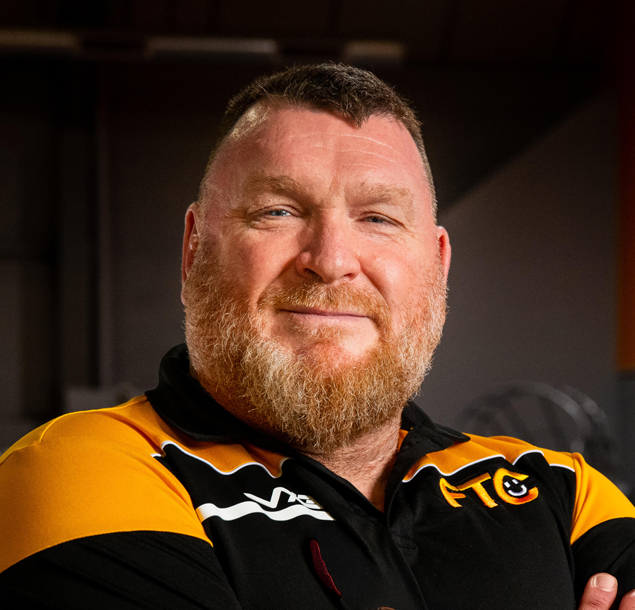
John Grindrod
FTC Gym and Academy
FTC is supporting members on GLP-1s with special programming
John Grindrod / FTC Gym and Academy

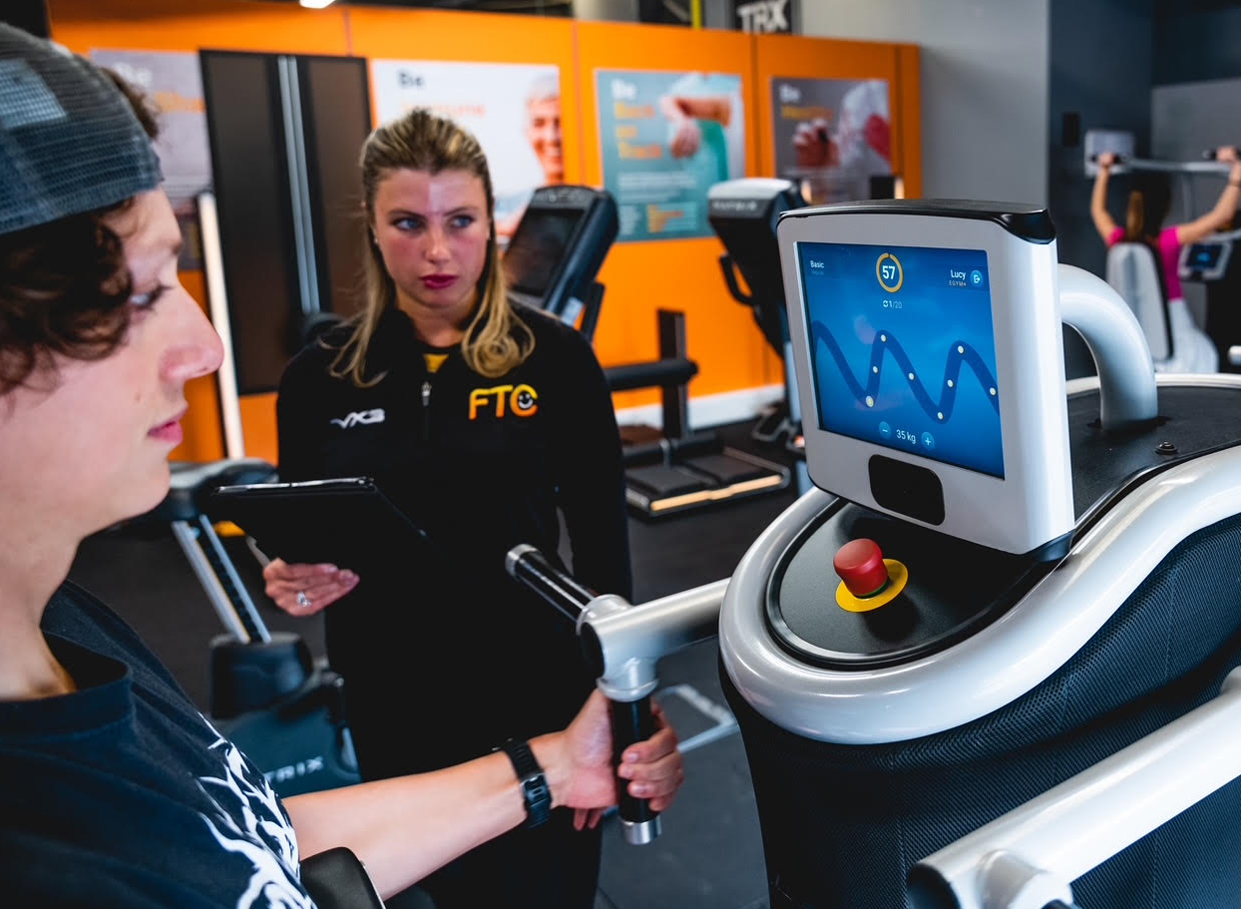
FTC, the largest independent health club in Suffolk, UK, has a full EGYM ecosystem offering strength, cardio and flexibility, with accompanying Tanita body composition scales. We also deliver an extensive programme of classes.

We’re now in the process of launching a Next Steps membership which is specifically aimed at those starting out on – or currently using – GLP-1 medication.

Depending on where members are on their GLP-1 journey, planned training advice is given, along with a full EGYM induction and body composition analysis which is repeated every 4-6 weeks.

We’re also in the process of linking up with EGYM for the launch of its new programme designed specifically for people on GLP-1s.

In addition to this, members on the Next Steps membership will also get the chance to come to a support group at the club each Sunday for a catch-up and a chat over a coffee, where they’ll be given education and support all the way along their journey.

We feel it’s vital for this support to be group-driven and guided, with active participation and directed education aiming at the individual seeking to make behavioural and lifestyle changes, rather than just leaving our members to take the GLP-1 medication without guidance.

Without support they risk lapsing and then finding that they’re yoyoing with their weight as a result and not getting the successes they need.

More: ftcgym.com

It’s vital for GLP-1 support to be group-driven and guided, with active participation and directed education
FTC offers the EGYM suite of products / FTC Gym and Academy
FEATURED SUPPLIERS

CoverMe extends matching service to personal training, rewriting how members and personal trainers connect
CoverMe, the global leader in fitness workforce management, today launches CoverMe PT, an on-demand personal training platform that connects the right personal trainer to the right client in under 10 seconds. [more...]

Cornerstone Connect helps Active Blackpool tackle health inequalities
Active Blackpool is deploying Cornerstone Connect, a new digital interface allowing disparate information from multiple systems to be aggregated into one dataset, to support its focus on reducing health inequalities and improving healthy life expectancy. [more...]
+ More featured suppliers  
COMPANY PROFILES
Everyone Active

Everyone Active operates leisure centres in partnership with local councils across the UK. Today, Ev [more...]
IndigoFitness

At IndigoFitness, we create intelligent training spaces that elevate fitness facilities across indus [more...]
+ More profiles  
CATALOGUE GALLERY
 
+ More catalogues  

DIRECTORY
+ More directory  
DIARY


03-05 Jul 2026

World Championship in Massage

Copenhagen, Copenhagen, Denmark
23-26 Aug 2026

Elevate Spa Riviera Maya Edition

The Riviera Maya Edition Kanai, Playa del Carmen, Mexico
+ More diary  
 
ABOUT LEISURE MEDIA
LEISURE MEDIA MAGAZINES
LEISURE MEDIA HANDBOOKS
LEISURE MEDIA WEBSITES
LEISURE MEDIA PRODUCT SEARCH
 
HCM
LEISURE OPPORTUNITIES
HEALTH CLUB HANDBOOK
PRINT SUBSCRIPTIONS
FREE DIGITAL SUBSCRIPTIONS
ADVERTISE . CONTACT US

Leisure Media
Tel: +44 (0)1462 431385

©Cybertrek 2026
Get HCM digital magazine and ezines FREE
Sign up here ▸
Jobs    News   Products   Magazine
Feedback
HCM Forum

Fuel the debate about issues and opportunities across the industry. We’d love to hear from you. Write to [email protected]


Jack Shakespeare
Director of strategic projects, 4Global
School holiday support can be transformational for children’s health
Jack Shakespeare

As operators start to make plans for school holiday provision in 2026, the latest figures indicate that the options for organised children’s activities are becoming increasingly expensive, with holiday clubs now costing parents an average of £1,076 per child across the six-week summer break, for example.

For the sector, this is an opportunity to highlight the number of low-cost, safe and fun programmes that are on offer, but while focus often leans towards creating more activities, data from Moving Communities shows accessibility, not availability, is the issue.

Activities and holiday clubs are simply unaffordable for many, particularly those in lower-income households and we know those in lower IMD groups (Index of Multiple Deprivation) are less likely to participate in structured activity, even if facilities exist nearby.

Evidence from insight

Insight from the Moving Communities Community Survey and the Consumer Insight Panel puts it plainly – cost is the number one barrier preventing children and young people from being active, with 37 per cent ranking it as the biggest factor.

The latest Active Lives Children and Young People Survey showed those from the least affluent families are the least likely to be active, with only 45 per cent meeting the Chief Medical Officers’ guidelines, compared to 57 per cent of those from the most affluent families.

Too often, we assume that putting on a programme is enough, but I’m sure we can all point to lots of examples of activities happening locally during the summer months, so perhaps we don’t need more opportunities, just smarter delivery to improve accessibility.

This means tackling access barriers such as cost and transport, while also raising awareness of what’s available locally through improved marketing.

It’s also vital that operating timings fit the needs of working parents and carers and that both parents and children feel confident about engaging with our programmes.

Keeping a focus on fun

Decision-makers in the industry spend much of the day considering large strategic challenges, making it easy to overlook the most important aspect of this – fun.

We know enjoyment is the single biggest factor in improving a child’s relationship with sport and physical activity and – in turn – increasing activity levels and sustained participation, so we need a focus on the quality and inclusivity of the experience, ensuring the fun doesn’t get lost.

Another insight highlighted by our Moving Communities data is the vital role parents and carers play in helping children to be active. Children are significantly more likely to be active if their parents are, despite more than half of parents (55 per cent) not seeing themselves as role models for physical activity.

Regardless of how they view their role, parents have a powerful influence on their children. They act as key enablers by paying for activities, arranging transport and building their child’s confidence. However, for parents to fulfil this role effectively, activities must be accessible through reducing the barriers we’ve already highlighted.

Moreover, we can’t just think in terms of activity schedules and timetables, we need to think about how and where we communicate. Families from lower IMD groups may not be plugged into the traditional leisure centre networks or local authority bulletins, for example.

Marketing to drive equality

Messaging needs to go beyond websites and newsletters, reaching into the heart of communities, through systems and services that families consistently engage with, such as schools, community groups and youth services.

The good news is that we now have the tools to do all of this better. Moving Communities data enables operators, local authorities and delivery partners to map who is and isn’t using services, understand why, and target support where it’s needed most.

More: 4global.com

As decision-makers in the industry who spend much of the day considering large strategic challenges, it’s easy to overlook the most important aspect – fun
John Grindrod
FTC Gym and Academy
FTC is supporting members on GLP-1s with special programming
John Grindrod / FTC Gym and Academy

FTC, the largest independent health club in Suffolk, UK, has a full EGYM ecosystem offering strength, cardio and flexibility, with accompanying Tanita body composition scales. We also deliver an extensive programme of classes.

We’re now in the process of launching a Next Steps membership which is specifically aimed at those starting out on – or currently using – GLP-1 medication.

Depending on where members are on their GLP-1 journey, planned training advice is given, along with a full EGYM induction and body composition analysis which is repeated every 4-6 weeks.

We’re also in the process of linking up with EGYM for the launch of its new programme designed specifically for people on GLP-1s.

In addition to this, members on the Next Steps membership will also get the chance to come to a support group at the club each Sunday for a catch-up and a chat over a coffee, where they’ll be given education and support all the way along their journey.

We feel it’s vital for this support to be group-driven and guided, with active participation and directed education aiming at the individual seeking to make behavioural and lifestyle changes, rather than just leaving our members to take the GLP-1 medication without guidance.

Without support they risk lapsing and then finding that they’re yoyoing with their weight as a result and not getting the successes they need.

More: ftcgym.com

It’s vital for GLP-1 support to be group-driven and guided, with active participation and directed education
FTC offers the EGYM suite of products / FTC Gym and Academy
LATEST NEWS
Industry veterans partner to launch women-only strength brand, LiftHer
An ambitious women’s-only strength and lifting studio concept is set to launch in Dallas this September, with a wider US rollout already in active development.
Omnigym collaborates on an outdoor gym for homeless people
Finnish outdoor fitness equipment specialist, Omnigym, has partnered with charity, Emmaüs Solidarité, to launch an outdoor gym installation at a homeless shelter in Paris.
Virgin Active opens social wellness club in London's Mayfair
Basic-Fit expands German footprint with €52m Wellyou acquisition
Europe’s largest low-cost operator Basic-Fit has agreed to acquire 41 Wellyou clubs in Germany for €52m.
Myzone report shows importance of longevity and social connection
Longevity is the most important motivator for today’s exercisers and social connection is key, according to a report by Myzone.
Until combines multiple disciplines at new Canary Wharf club
Until has opened its fourth club at Canary Wharf, in the iconic YY London building.
Ben Allen appointed managing director at Common Bond
Ben Allen has been appointed managing director at Common Bond. Having set the company up for growth, Robert Rowland now steps into an advisory role.
Industry mourns the loss of Les Mills, a founding father of fitness
Les Mills, whose name became synonymous with one of the world's leading fitness brands, has passed away peacefully at the age of 91.
HCM News: Taking GLP-1s is linked to a decline in physical activity
People taking GLP-1 weight loss medications such as Ozempic, Wegovy, Mounjaro and Zepbound may be losing weight, but they’re also becoming less physically active, according to new research presented at the ENDO 2026 annual meeting of the Endocrine Society
PureGym pilots touchless Recovery Zones in London and Manchester
Low-cost gym operator, PureGym, is trialling recovery zones at two of its UK sites, democratising what was previously a premium experience.
New CIMSPA standards upskill coaches and swimming teachers in mental health
In a milestone moment, mental health has become a core part of CIMSPA’s occupational professional standards.
EoS Fitness is the next budget chain to offer reformer Pilates
US high-value, low-price chain, Eos Fitness, has announced plans to pilot reformer Pilates in three locations this year.
+ More news   
 
FEATURED SUPPLIERS

CoverMe extends matching service to personal training, rewriting how members and personal trainers connect
CoverMe, the global leader in fitness workforce management, today launches CoverMe PT, an on-demand personal training platform that connects the right personal trainer to the right client in under 10 seconds. [more...]

Cornerstone Connect helps Active Blackpool tackle health inequalities
Active Blackpool is deploying Cornerstone Connect, a new digital interface allowing disparate information from multiple systems to be aggregated into one dataset, to support its focus on reducing health inequalities and improving healthy life expectancy. [more...]
+ More featured suppliers  
COMPANY PROFILES
Everyone Active

Everyone Active operates leisure centres in partnership with local councils across the UK. Today, Ev [more...]
+ More profiles  
CATALOGUE GALLERY
+ More catalogues  

DIRECTORY
+ More directory  
DIARY


03-05 Jul 2026

World Championship in Massage

Copenhagen, Copenhagen, Denmark
23-26 Aug 2026

Elevate Spa Riviera Maya Edition

The Riviera Maya Edition Kanai, Playa del Carmen, Mexico
+ More diary  


ADVERTISE . CONTACT US

Leisure Media
Tel: +44 (0)1462 431385

©Cybertrek 2026

ABOUT LEISURE MEDIA
LEISURE MEDIA MAGAZINES
LEISURE MEDIA HANDBOOKS
LEISURE MEDIA WEBSITES
LEISURE MEDIA PRODUCT SEARCH
PRINT SUBSCRIPTIONS
FREE DIGITAL SUBSCRIPTIONS