Tell us about the growth of padel
The International Padel Federation (FIP) was established in 1991 and since my first election as president in 2018, we’ve seen a 250 per cent increase in affiliated federations, growing from 32 in 2018 to 87 today.
To fully grasp the scale, I should explain that we expanded from eight million players in 50 countries in 2018 to 30 million in 150 countries in 2024. This represents the fastest growth in sport’s history, not due to any magic wand, but the collective effort of passionate individuals across the FIP family worldwide.
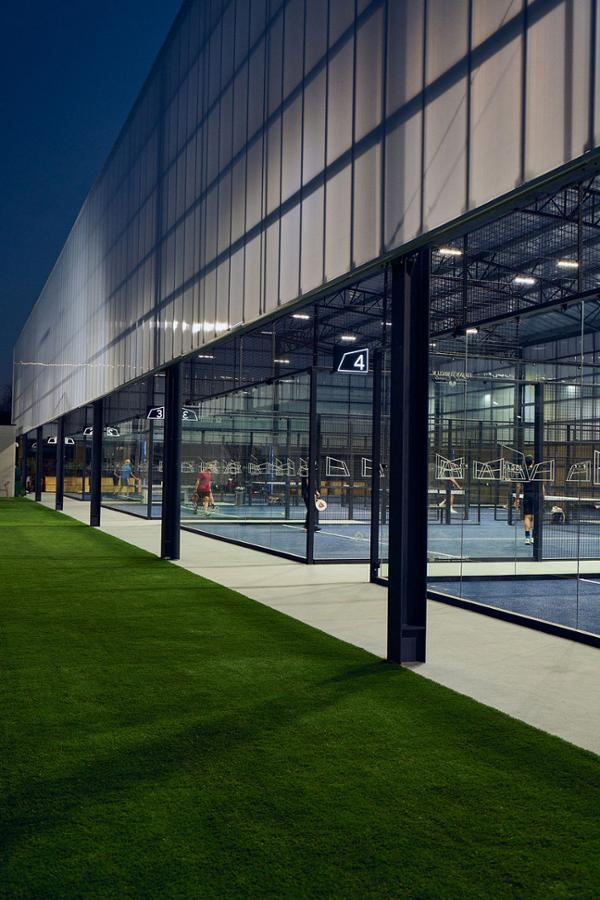
In the early months of 2025, 16 new countries officially joined the FIP. Globally, padel clubs have surpassed 23,000, up from 19,000 last year, with over 70,000 courts, up from 7,000 clubs and 21,000 courts in 2018 – which were mostly concentrated in Spain and Argentina.
Today, these two countries account for just 35 per cent of global courts, with the remaining 65 per cent spread across five continents.
What’s happening at grassroots level?
Grassroots development is a top priority for us. We work closely with national federations to ensure growth in all countries, leveraging local resources and expertise to boost participation.
There’s now a unified world ranking, a Race to the Finals and a FIP-governed professional and youth tournament system, as well as world and continental team competitions.
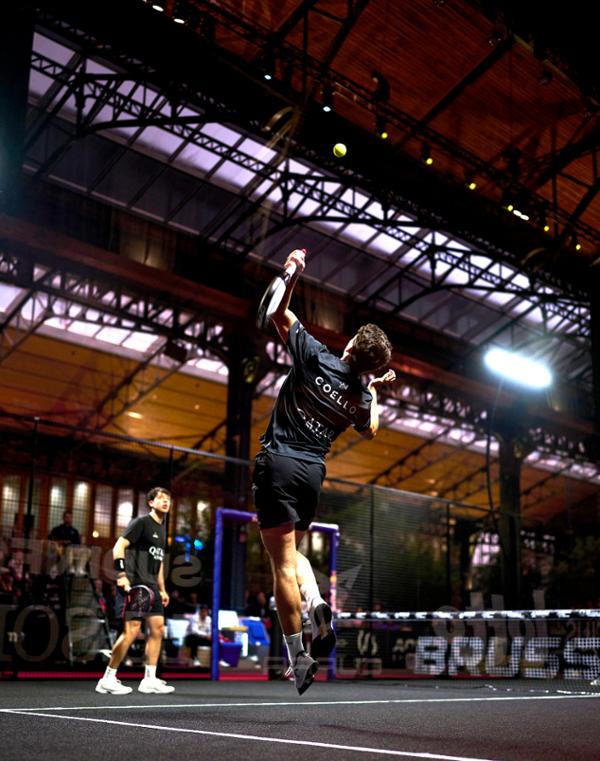
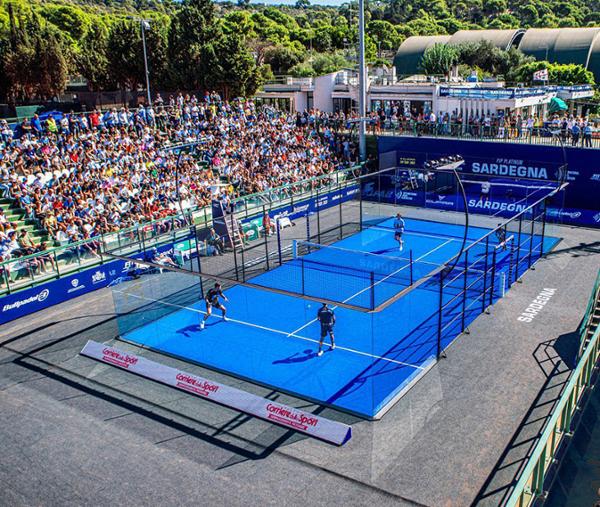
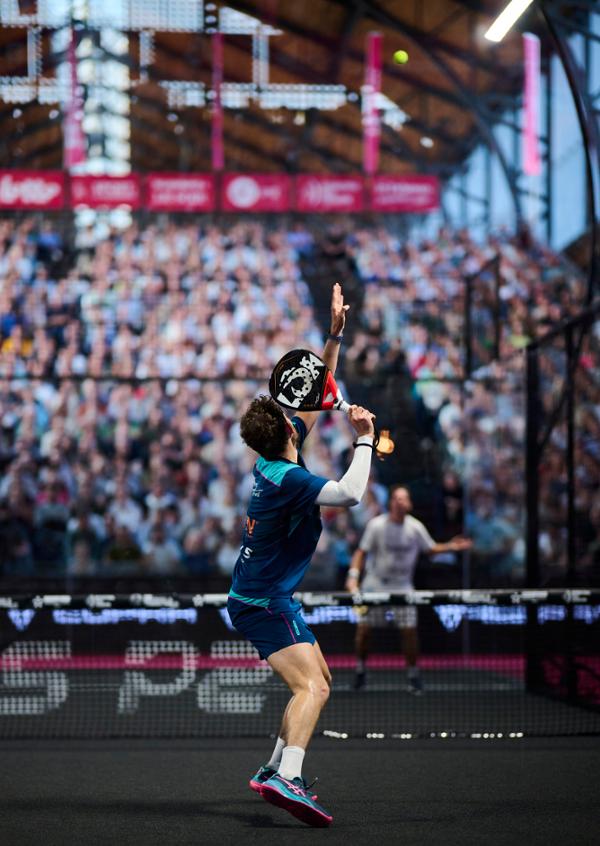
evated our sport to new heights, thanks to Nasser Al-Khelaifi’s vision, his passion for sports, and Qatar Sports Investments. The 24 Premier Padel tournaments worldwide showcase the best male and female players, offering spectacular events that serve as a powerful vehicle for promoting padel.
Also, two key projects in our development strategy are the Cupra FIP Tour and the FIP Promises Tour. The former provides players with opportunities to gain international experience and improve their FIP rankings, offering a vital platform for emerging talents. The latter targets young athletes, offering high-level tournaments essential for nurturing the next generation of champions.
What are the health benefits?
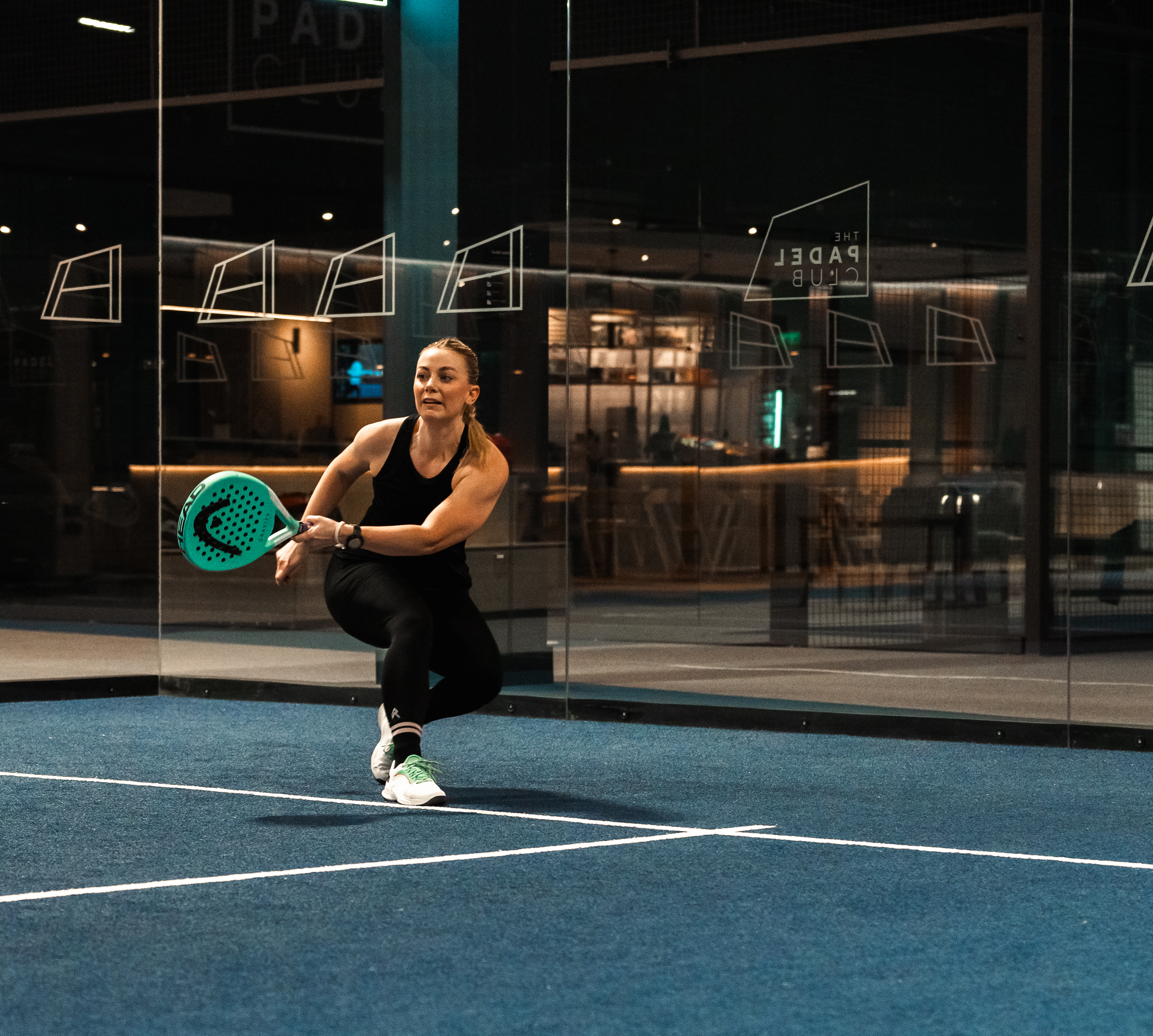
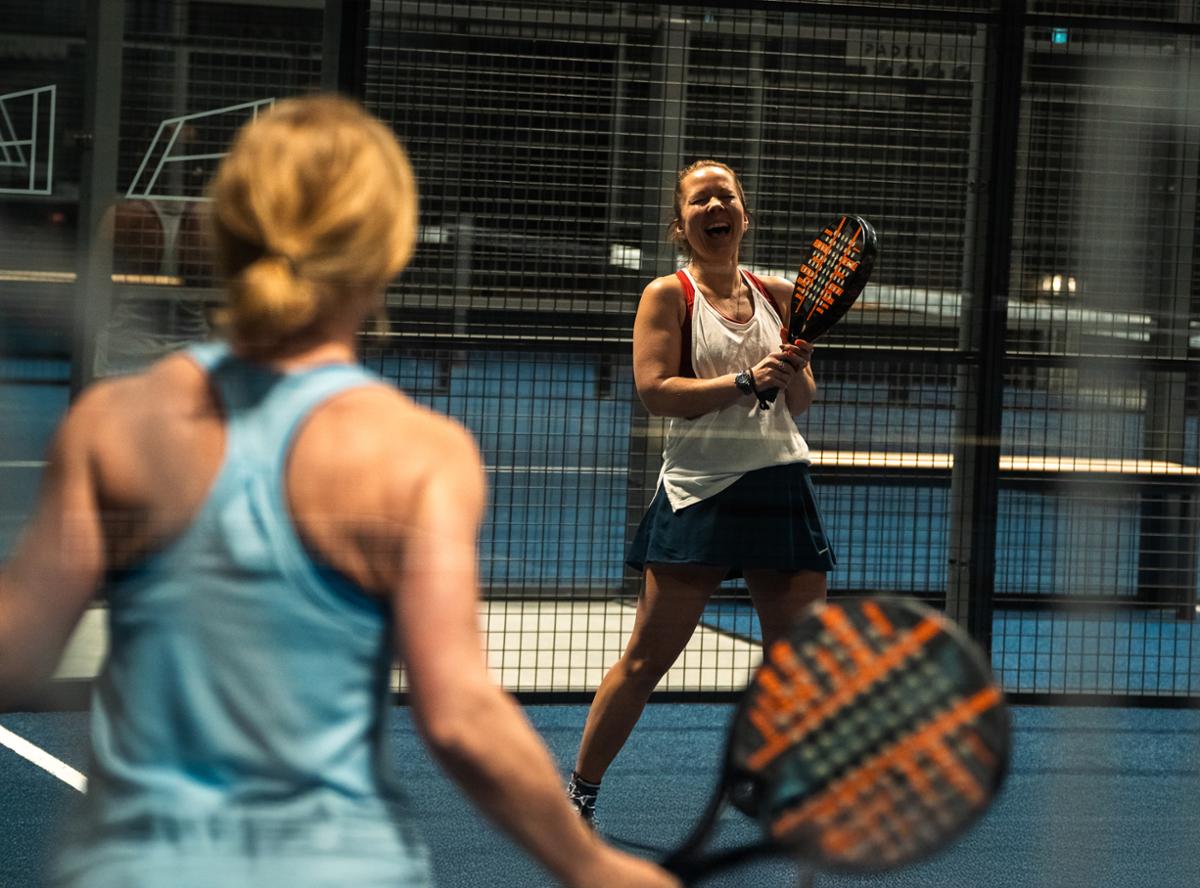
From an individual perspective, padel greatly contributes to mental and physical wellbeing, socialisation and inclusion. In padel clubs, men and women regularly play together, sharing the court much like in a gym or fitness space. Moreover, the fun and ease of approach are fundamental factors for anyone looking to promote padel.
Our main objective remains Olympic inclusion, a goal we’re pursuing with passion and pragmatism
What are the goals of FIP?
The introduction of new competitions such as the FIP Intercontinental Cup – a Europe vs Americas challenge inspired by golf’s Ryder Cup and Laver Cup for tennis – which is among the most anticipated developments, alongside the FIP World Cup Pairs in Kuwait, which will take place in November this year.
The FIP Intercontinental Cup is scheduled to be held in London in 2026, marking the city’s first major padel event.
Our vision for padel’s future is to continue promoting access to the sport at all levels and ensure its sustainability through smart, innovative policies.
Our main objective remains Olympic inclusion, a goal we’re diligently pursuing with passion and pragmatism, fully aware that padel deserves to be represented alongside the Olympic rings.
We aim to see padel in all health clubs and sports centres and why not in schools, as an inclusive sport rooted in communities?
Padel greatly contributes
to mental and physical
wellbeing, socialisation
and inclusion
• About Luigi Carraro
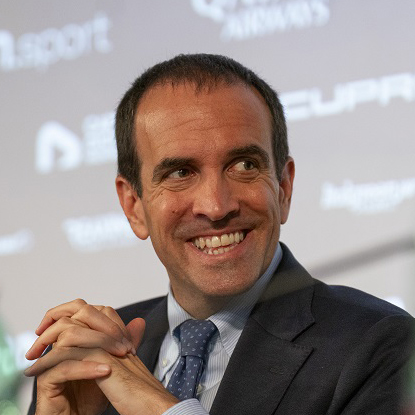
Luigi Carraro is president of the world governing body for padel tennis, whose mission is to govern, promote, and develop padel globally – grounded in principles of integrity, inclusivity, social interaction and cultural exchange.