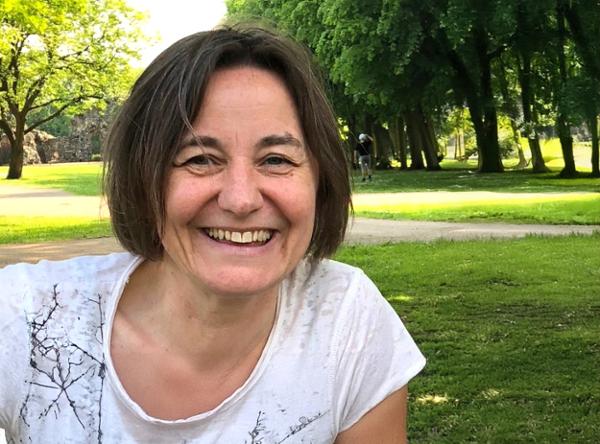
Russell wants to help the sector think differently / photo: Active Wellbeing Leadership Network
Tell us about the Active Wellbeing Leadership Network The network is a different approach to traditional problems. We’re not a single organisation but a collection of like-minded individuals who want to think and work differently to address the deep-seated challenges of inactivity and help tackle health inequality.
We’re open to anyone who shares those ambitions. We don’t claim to represent anyone or any group, but we recognise everyone working in the sector has a valuable contribution to make in achieving these ambitions. We believe we can best do this together locally in place, but we also need a national framework that supports local action.
We describe ourselves as a ‘network without boundaries’; everyone is welcome and every perspective matters. We’re like a think tank bringing ideas and solutions and sharing them so they can be applied everywhere. We want to influence others to think differently, including government, councils, organisations and people working in the sector.
We’re a movement for change so the system works better for everyone, particularly those that will benefit most from being active.
Why was the network formed, rather than its aspirations being delivered through an existing organisation? The network emerged from the Local Government Physical Activity Partnership that published a report on securing the future of public leisure in 2021 and then the Future of Public Leisure report, which was published by Sport England in 2022.
By early 2024 the context of that report was changing and with an election anticipated it was felt a new narrative would be required for a new government. The fledging network recognised from the outset the need for a more integrated approach to tackling inactivity, recognising the vital role many organisations beyond operators can play in enabling active and healthy communities with local government’s role as place leaders at the heart.
We wanted to build on the principles and objectives of Sport England’s Uniting the Movement strategy, developing focus on expanding place-based working, but better joining this up with the future of public sector physical activity and leisure provision.
To kick off the debate the group published a thought piece: An active wellbeing service, a movement for change. In this document we showed through case studies how the concept of an integrated wellbeing service was starting to emerge in pockets of good practice around the country and suggested how by scaling these and replicating them we could start to improve population health and tackle health inequality in every place.
We also set about convening a wider network of organisations and individuals focused on finding the best and most effective and efficient ways of raising levels of physical activity; particularly addressing the stubborn inequalities that exist in many local communities where activity rates are much lower than other areas anticipating the likely priorities of the new government that had now been elected.
Over the years the network has grown and has met in person seven times, each time discussing the changing landscape and different topics relevant to the ambitions. We also have a LinkedIn group and a website hosted by CLOA. The planning team members are all volunteers and we rely on partners for venues and other support.
What are the aims? From the outset how we wanted to work as a network was just as important as what we wanted to do.
We wanted to create an environment that would support sector collaboration, innovation and creativity with no boundaries to membership or involvement. It was clear to us that only by thinking and doing things differently could we achieve our ambitions.
We wanted the network to create and lead a shared ambition in a number of ways, by:
■ Developing a common language and clear focus across the system.
■ Helping coordinate, share and co-produce the best possible evidence to support the development of policy and resource allocation, nationally, regionally, sub regionally and locally.
■ Being a key forum for government and key partners to consult with on place-based physical activity.
■ Being open to innovation and emergent ideas.
■ Stimulating innovation around engagement of – and with – communities, residents and citizens.
■ Drawing on national and international learning; recognising that we may need to talk about ‘active citizenship’, alongside ‘active wellbeing’ to tackle health inequalities.
■ Creating conditions for change and advocating through our policy and funding approaches.
■ Considering the future leadership, skills and competencies required to increase place-based physical activity.
■ Identifying pressures (or barriers) within the system and what needs the greatest support.
■ Creating a positive culture, building an environment of trust and support for each other.
■ Helping each organisation best place themselves within the physical activity system, to make the most of resources and expertise together.
■ Challenge ourselves and continually reviewing our effectiveness.
How do you propose these aims be implemented? The network – at its meetings and in the reports it has prepared – shares these aims and stimulates thinking. As a result, the concept of active wellbeing is gaining momentum and traction across the system and the idea is being discussed in other forums and other organisations. However, concurrently the context is shifting, as the government’s policy shifts and develops.
Our latest thought piece – A nation in motion, why active wellbeing must be the future – (www.hcmmag.com/nationinmotion) highlights the emerging policy developments relating to the anticipated health strategy, devolution and the changes to local government structures. It also examines how concepts of prevention will run through these policies and how active wellbeing must have a place in these changes.
It will only be when these policies move into implementation that the impact of our thinking will become reality, but each locality will interpret and apply the thinking differently to reflect local needs and local opportunities. There is no one size that will fit every location.
Have there been any interactions with government? The network isn’t another lobbying group focused on lobbying the government for resources. We fully understand the financial challenges faced by the sector, but there are other organisations better positioned to campaign. However, we’re happy to try and influence government thinking and the thinking in other organisations, such as the Local Government Association, Sport England and the National Sector Partners Group – and especially local authorities.
Those with connections to government, such as Sport England, the Department for Culture, Media and Sport and the Office for Health Improvement and Disparities, have all been represented at our network meetings, so we have a sense that we can detect the climate reasonably effectively.
We use the network and our contacts to track government thinking and emerging policy and use the meetings to share what we know and don’t know with others.
For example, in partnership with others we’re trying to influence the devolution debate, including the Local Government Review, as we see this as having potential risks but also positive opportunities to establish active wellbeing thinking in every place. We’re also focused on influencing those working in the sector, so they can better respond confidently to their local opportunities.
If operators want to get involved, how can they do so? The network is open to any individual or organisation who wants to come and share the journey with us, either by attending our bi-monthly events, or by joining our LinkedIn group.
Several operators have attended our meetings and shared their experiences and learning and we would encourage more operators to bring their thoughts, ideas, views and examples of good practice and be prepared to share and learn with us. The landscape is changing and operators are uniquely placed as providers of services.
Increasingly, we’re seeing more enlightened operators – appreciating that facilities are relevant when it comes to encouraging neighbourhoods to be active, but understanding that for us to be an active society requires so much more than that. Those organisations are now prepared to engage communities away from traditional places.
Ultimately, local government is central to the development of healthier communities and creative and courageous partners will be essential on our journey.
Julie Russell is immediate past chair of CLOA and service director, arts, culture and leisure, Wakefield Metropolitan District Council
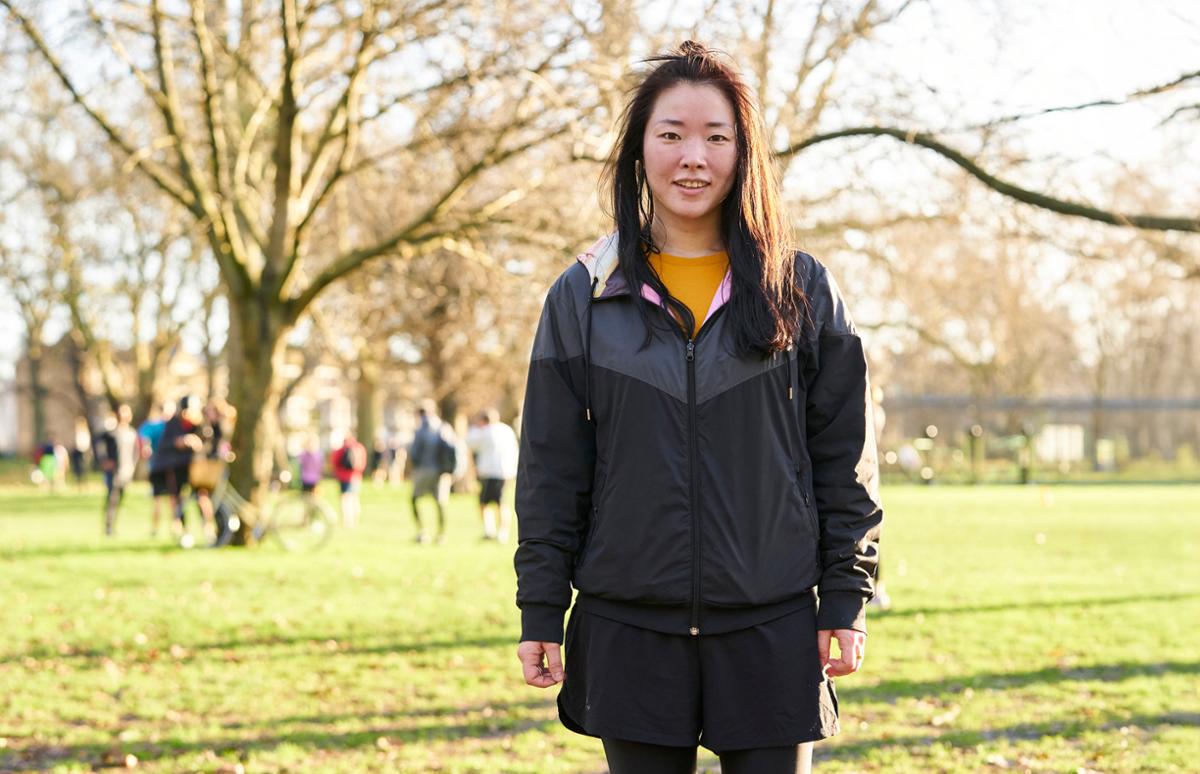
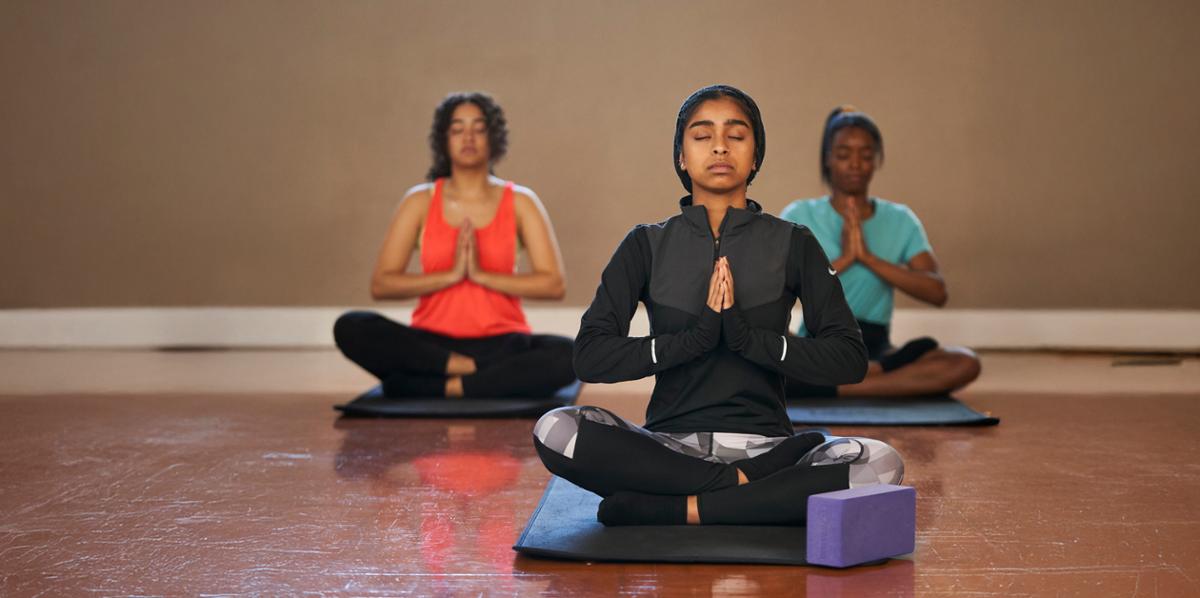
Integrated wellbeing services are expanding around the country / photo: Sport England /This Girl Can
A key mission of the sector is to tackle health inequalities / photo: Sport England / Duncan Nicholls
Active wellbeing must extend beyond existing leisure facilities / photo: Sport England
Active Blackpool is deploying Cornerstone Connect, a new digital interface allowing
disparate information from multiple systems to be aggregated into one dataset, to support
its focus on reducing health inequalities and improving healthy life expectancy. [more...]
CoverMe, the global leader in fitness workforce management, today launches CoverMe PT, an
on-demand personal training platform that connects the right personal trainer to the right
client in under 10 seconds. [more...]
+ More featured suppliers
COMPANY PROFILES
IndigoFitness
At IndigoFitness, we create intelligent training spaces that elevate fitness facilities across indus [more...]
Russell wants to help the sector think differently / photo: Active Wellbeing Leadership Network
Tell us about the Active Wellbeing Leadership Network The network is a different approach to traditional problems. We’re not a single organisation but a collection of like-minded individuals who want to think and work differently to address the deep-seated challenges of inactivity and help tackle health inequality.
We’re open to anyone who shares those ambitions. We don’t claim to represent anyone or any group, but we recognise everyone working in the sector has a valuable contribution to make in achieving these ambitions. We believe we can best do this together locally in place, but we also need a national framework that supports local action.
We describe ourselves as a ‘network without boundaries’; everyone is welcome and every perspective matters. We’re like a think tank bringing ideas and solutions and sharing them so they can be applied everywhere. We want to influence others to think differently, including government, councils, organisations and people working in the sector.
We’re a movement for change so the system works better for everyone, particularly those that will benefit most from being active.
Why was the network formed, rather than its aspirations being delivered through an existing organisation? The network emerged from the Local Government Physical Activity Partnership that published a report on securing the future of public leisure in 2021 and then the Future of Public Leisure report, which was published by Sport England in 2022.
By early 2024 the context of that report was changing and with an election anticipated it was felt a new narrative would be required for a new government. The fledging network recognised from the outset the need for a more integrated approach to tackling inactivity, recognising the vital role many organisations beyond operators can play in enabling active and healthy communities with local government’s role as place leaders at the heart.
We wanted to build on the principles and objectives of Sport England’s Uniting the Movement strategy, developing focus on expanding place-based working, but better joining this up with the future of public sector physical activity and leisure provision.
To kick off the debate the group published a thought piece: An active wellbeing service, a movement for change. In this document we showed through case studies how the concept of an integrated wellbeing service was starting to emerge in pockets of good practice around the country and suggested how by scaling these and replicating them we could start to improve population health and tackle health inequality in every place.
We also set about convening a wider network of organisations and individuals focused on finding the best and most effective and efficient ways of raising levels of physical activity; particularly addressing the stubborn inequalities that exist in many local communities where activity rates are much lower than other areas anticipating the likely priorities of the new government that had now been elected.
Over the years the network has grown and has met in person seven times, each time discussing the changing landscape and different topics relevant to the ambitions. We also have a LinkedIn group and a website hosted by CLOA. The planning team members are all volunteers and we rely on partners for venues and other support.
What are the aims? From the outset how we wanted to work as a network was just as important as what we wanted to do.
We wanted to create an environment that would support sector collaboration, innovation and creativity with no boundaries to membership or involvement. It was clear to us that only by thinking and doing things differently could we achieve our ambitions.
We wanted the network to create and lead a shared ambition in a number of ways, by:
■ Developing a common language and clear focus across the system.
■ Helping coordinate, share and co-produce the best possible evidence to support the development of policy and resource allocation, nationally, regionally, sub regionally and locally.
■ Being a key forum for government and key partners to consult with on place-based physical activity.
■ Being open to innovation and emergent ideas.
■ Stimulating innovation around engagement of – and with – communities, residents and citizens.
■ Drawing on national and international learning; recognising that we may need to talk about ‘active citizenship’, alongside ‘active wellbeing’ to tackle health inequalities.
■ Creating conditions for change and advocating through our policy and funding approaches.
■ Considering the future leadership, skills and competencies required to increase place-based physical activity.
■ Identifying pressures (or barriers) within the system and what needs the greatest support.
■ Creating a positive culture, building an environment of trust and support for each other.
■ Helping each organisation best place themselves within the physical activity system, to make the most of resources and expertise together.
■ Challenge ourselves and continually reviewing our effectiveness.
How do you propose these aims be implemented? The network – at its meetings and in the reports it has prepared – shares these aims and stimulates thinking. As a result, the concept of active wellbeing is gaining momentum and traction across the system and the idea is being discussed in other forums and other organisations. However, concurrently the context is shifting, as the government’s policy shifts and develops.
Our latest thought piece – A nation in motion, why active wellbeing must be the future – (www.hcmmag.com/nationinmotion) highlights the emerging policy developments relating to the anticipated health strategy, devolution and the changes to local government structures. It also examines how concepts of prevention will run through these policies and how active wellbeing must have a place in these changes.
It will only be when these policies move into implementation that the impact of our thinking will become reality, but each locality will interpret and apply the thinking differently to reflect local needs and local opportunities. There is no one size that will fit every location.
Have there been any interactions with government? The network isn’t another lobbying group focused on lobbying the government for resources. We fully understand the financial challenges faced by the sector, but there are other organisations better positioned to campaign. However, we’re happy to try and influence government thinking and the thinking in other organisations, such as the Local Government Association, Sport England and the National Sector Partners Group – and especially local authorities.
Those with connections to government, such as Sport England, the Department for Culture, Media and Sport and the Office for Health Improvement and Disparities, have all been represented at our network meetings, so we have a sense that we can detect the climate reasonably effectively.
We use the network and our contacts to track government thinking and emerging policy and use the meetings to share what we know and don’t know with others.
For example, in partnership with others we’re trying to influence the devolution debate, including the Local Government Review, as we see this as having potential risks but also positive opportunities to establish active wellbeing thinking in every place. We’re also focused on influencing those working in the sector, so they can better respond confidently to their local opportunities.
If operators want to get involved, how can they do so? The network is open to any individual or organisation who wants to come and share the journey with us, either by attending our bi-monthly events, or by joining our LinkedIn group.
Several operators have attended our meetings and shared their experiences and learning and we would encourage more operators to bring their thoughts, ideas, views and examples of good practice and be prepared to share and learn with us. The landscape is changing and operators are uniquely placed as providers of services.
Increasingly, we’re seeing more enlightened operators – appreciating that facilities are relevant when it comes to encouraging neighbourhoods to be active, but understanding that for us to be an active society requires so much more than that. Those organisations are now prepared to engage communities away from traditional places.
Ultimately, local government is central to the development of healthier communities and creative and courageous partners will be essential on our journey.
Julie Russell is immediate past chair of CLOA and service director, arts, culture and leisure, Wakefield Metropolitan District Council
Integrated wellbeing services are expanding around the country / photo: Sport England /This Girl Can
A key mission of the sector is to tackle health inequalities / photo: Sport England / Duncan Nicholls
Active wellbeing must extend beyond existing leisure facilities / photo: Sport England
An ambitious women’s-only strength and lifting studio concept is set to launch in Dallas this
September, with a wider US rollout already in active development.
Finnish outdoor fitness equipment specialist, Omnigym, has partnered with charity, Emmaüs
Solidarité, to launch an outdoor gym installation at a homeless shelter in Paris.
People taking GLP-1 weight loss medications such as Ozempic, Wegovy, Mounjaro and Zepbound
may be losing weight, but they’re also becoming less physically active, according to new
research presented at the ENDO 2026 annual meeting of the Endocrine Society
Active Blackpool is deploying Cornerstone Connect, a new digital interface allowing
disparate information from multiple systems to be aggregated into one dataset, to support
its focus on reducing health inequalities and improving healthy life expectancy. [more...]
CoverMe, the global leader in fitness workforce management, today launches CoverMe PT, an
on-demand personal training platform that connects the right personal trainer to the right
client in under 10 seconds. [more...]
+ More featured suppliers
COMPANY PROFILES
IndigoFitness At IndigoFitness, we create intelligent training spaces that elevate fitness facilities across indus [more...]