As access to medical health club memberships and preventative health screening grows, we must draw on expertise from both the clinical and wellness worlds when delivering advice to members
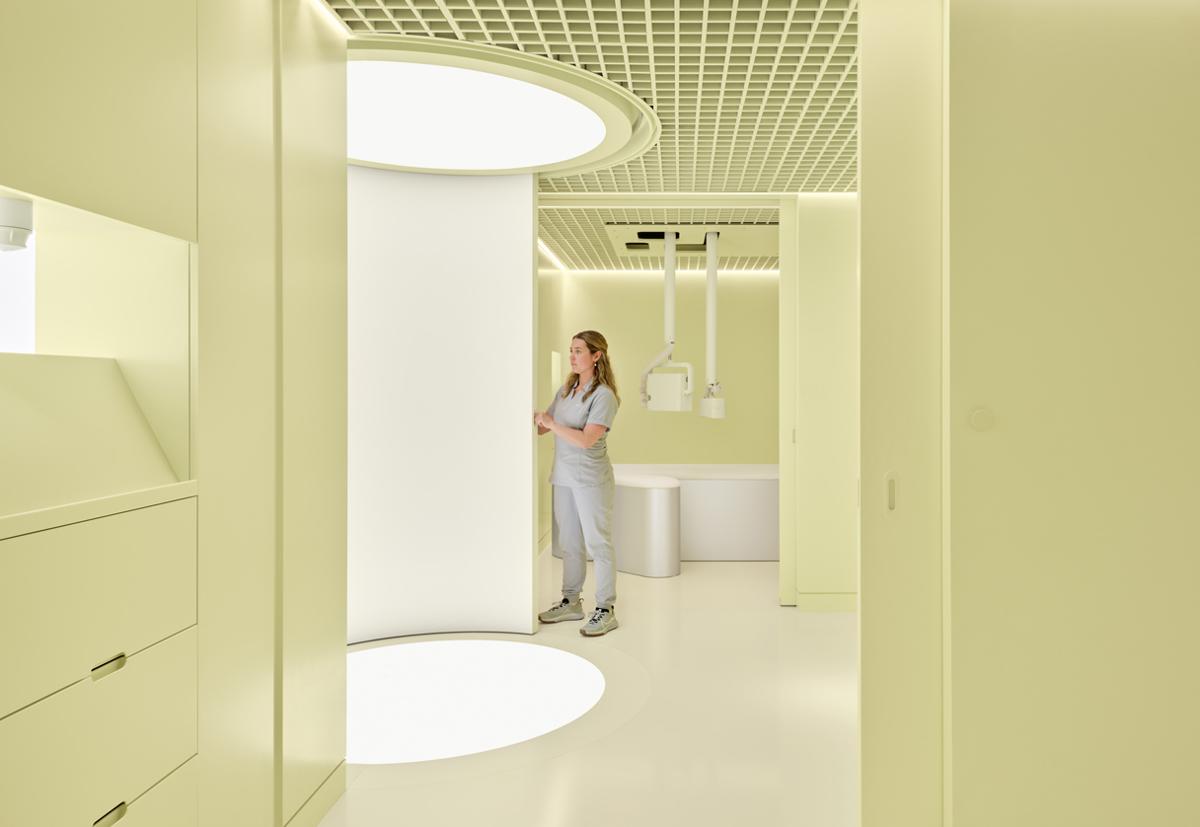
Neko carries out a battery of tests and gives feedback / photo: neko
Our members and customers have been telling us for some years that their needs are changing – it’s no longer just about getting fitter – improving mental health, resilience and overall wellbeing are major priorities.
And as health clubs become an increasingly important part of people’s lives and capacity in traditional healthcare shrinks, we’re being called on to deliver wider and more meaningful interventions that really make a difference to health and longevity.
The trend towards offering services that support prevention is undeniable, with medical memberships increasingly being delivered – by Parkwood, Fitness First, Everyone Active and Serco, among others.
The most recently launched is at Hillbrow (p16), where the MyHealth membership gives unlimited use of facilities, a personalised fitness plan, sessions with a PT and six GP appointments a year – which can be shared. There’s also a health check carried out by a nurse with a battery of tests and access to Medicubex, a pod which measures vital signs to give immediate feedback on health status (www.medicubex.com).
With operators already offering, or planning to offer preventative screening services, questions arise around who gives the guidance once the results are in and how this advice is aligned with support for lifestyle change.
We also have to ask whether the advice being given by clinical experts represents the whole picture and harnesses the expertise we have in the wellness industry relating to diet, lifestyle and prevention.
I went for my first Neko scan last week and although it was beautifully delivered and an enjoyable experience, the analysis of the results and subsequent advice were straight out of the medical playbook, delivered by staff who work part-time in traditional clinical roles and part-time for Neko, with nothing holistic being suggested.
I heartily welcome the greater access to information these new types of services give consumers and at the very least, they will enable the ongoing tracking of key health metrics, but I believe we can afford to be even more ambitious and look to a time when prevention through testing and monitoring is combined with support from professionals with expertise in both allopathic and integrative medicine. They should also have the ability to prescribe both exercise and lifestyle interventions, as well as those that are more clinically-based.
We’ve talked for decades about being a trusted partner to health service providers and now that time is upon us, we must set bold goals to find ways to deliver advice and support that harnesses the best of both worlds.
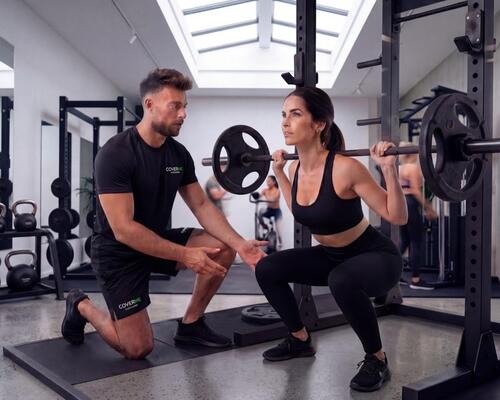
CoverMe, the global leader in fitness workforce management, today launches CoverMe PT, an
on-demand personal training platform that connects the right personal trainer to the right
client in under 10 seconds. [more...]
Active Blackpool is deploying Cornerstone Connect, a new digital interface allowing
disparate information from multiple systems to be aggregated into one dataset, to support
its focus on reducing health inequalities and improving healthy life expectancy. [more...]
+ More featured suppliers
COMPANY PROFILES
Everyone Active
Everyone Active operates leisure centres in partnership with local councils across the UK. Today, Ev [more...]
As access to medical health club memberships and preventative health screening grows, we must draw on expertise from both the clinical and wellness worlds when delivering advice to members
Neko carries out a battery of tests and gives feedback / photo: neko
Our members and customers have been telling us for some years that their needs are changing – it’s no longer just about getting fitter – improving mental health, resilience and overall wellbeing are major priorities.
And as health clubs become an increasingly important part of people’s lives and capacity in traditional healthcare shrinks, we’re being called on to deliver wider and more meaningful interventions that really make a difference to health and longevity.
The trend towards offering services that support prevention is undeniable, with medical memberships increasingly being delivered – by Parkwood, Fitness First, Everyone Active and Serco, among others.
The most recently launched is at Hillbrow (p16), where the MyHealth membership gives unlimited use of facilities, a personalised fitness plan, sessions with a PT and six GP appointments a year – which can be shared. There’s also a health check carried out by a nurse with a battery of tests and access to Medicubex, a pod which measures vital signs to give immediate feedback on health status (www.medicubex.com).
With operators already offering, or planning to offer preventative screening services, questions arise around who gives the guidance once the results are in and how this advice is aligned with support for lifestyle change.
We also have to ask whether the advice being given by clinical experts represents the whole picture and harnesses the expertise we have in the wellness industry relating to diet, lifestyle and prevention.
I went for my first Neko scan last week and although it was beautifully delivered and an enjoyable experience, the analysis of the results and subsequent advice were straight out of the medical playbook, delivered by staff who work part-time in traditional clinical roles and part-time for Neko, with nothing holistic being suggested.
I heartily welcome the greater access to information these new types of services give consumers and at the very least, they will enable the ongoing tracking of key health metrics, but I believe we can afford to be even more ambitious and look to a time when prevention through testing and monitoring is combined with support from professionals with expertise in both allopathic and integrative medicine. They should also have the ability to prescribe both exercise and lifestyle interventions, as well as those that are more clinically-based.
We’ve talked for decades about being a trusted partner to health service providers and now that time is upon us, we must set bold goals to find ways to deliver advice and support that harnesses the best of both worlds.
An ambitious women’s-only strength and lifting studio concept is set to launch in Dallas this
September, with a wider US rollout already in active development.
Finnish outdoor fitness equipment specialist, Omnigym, has partnered with charity, Emmaüs
Solidarité, to launch an outdoor gym installation at a homeless shelter in Paris.
People taking GLP-1 weight loss medications such as Ozempic, Wegovy, Mounjaro and Zepbound
may be losing weight, but they’re also becoming less physically active, according to new
research presented at the ENDO 2026 annual meeting of the Endocrine Society
CoverMe, the global leader in fitness workforce management, today launches CoverMe PT, an
on-demand personal training platform that connects the right personal trainer to the right
client in under 10 seconds. [more...]
Active Blackpool is deploying Cornerstone Connect, a new digital interface allowing
disparate information from multiple systems to be aggregated into one dataset, to support
its focus on reducing health inequalities and improving healthy life expectancy. [more...]
+ More featured suppliers
COMPANY PROFILES
Everyone Active Everyone Active operates leisure centres in partnership with local councils across the UK. Today, Ev [more...]