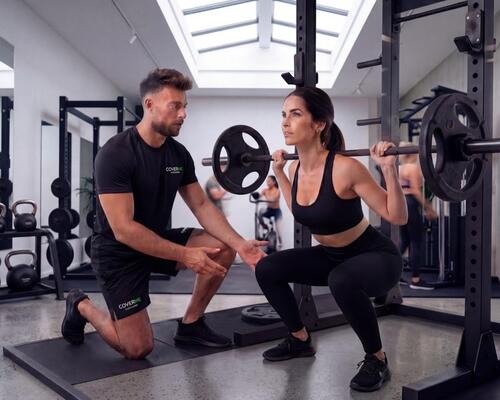
Epassi offers a range of employee benefit schemes and works closely with operators to generate new revenue streams / photo: Shutterstock / Rawpixel.com
As employers adapt to the evolving expectations of a post-pandemic workforce, it’s clear that employee wellbeing has moved to the top of the agenda. No longer considered a ‘nice to have’, it’s now a strategic priority for companies focused on retention, engagement, and productivity.
Epassi recently worked with Pole Star Advisory to conduct the Great Employee Benefit Survey 2025 and the results re-emphasise the huge importance of employee benefit schemes in relation to the health, fitness and wellbeing of the UK workforce. As employers continue to look for new ways to support their teams, and employees seek new ways to stay active, this growing focus on wellbeing, which is now a strategic priority for 80 per cent of organisations according to Deloitte, presents a golden opportunity for gyms.
Employee wellbeing now encompasses more than ergonomic chairs and fruit bowls. It includes physical, mental, emotional and social health. Employees are also demanding more holistic support and employers are listening, with 76 per cent of UK employers planning to increase company benefit budgets in 2026 (Epassi UK, 2025). As hybrid work models become the norm, employers are seeking innovative and accessible ways to keep their teams healthy, engaged and connected. This is where gyms come in, not just as fitness providers, but as essential wellbeing partners.
Health clubs as community and wellbeing hubs A significant 66 per cent of employees say their employee benefits encourage them to exercise more, and 86 per cent of employers say they actively promote the use of employee benefits. Additionally, 81 per cent of employees with access to a fitness benefit use it and are motivated by the desire to feel healthier (58 per cent), be more active (57 per cent), and support their mental wellbeing (41 per cent).
In this climate, gyms are uniquely positioned to support the full spectrum of employee wellbeing. Proven by the statistics above, they are no longer just places to lift weights, they’re becoming vital wellbeing hubs.
However, with hybrid working being adopted by so many, employees are actively seeking varied and engaging ways to stay active that go beyond their traditional gym membership and suit their hybrid-working lifestyles.
Subscription-based workout apps are the most popular option, chosen by 36 per cent of hybrid workers, followed by virtual personal training (33 per cent), home fitness equipment allowances (32 per cent), subsidised gym memberships (30 per cent) and pre-recorded online classes (29 per cent).
The role of gyms and health clubs To fully tap into this potential and meet the needs of employees, gyms must position themselves as accessible, community-focused wellbeing hubs, offering not just equipment and classes, but also mindfulness sessions, social events, educational resources and virtual options to really support employee wellbeing.
Employees now expect wellbeing support to fit seamlessly into their work-life balance, which could be why we’re seeing virtual options growing in popularity. Fitness providers may benefit from expanding their services by pairing traditional memberships with adaptable digital options. Many began offering such solutions during the pandemic, but by further enhancing and evolving these offerings, gyms can better meet the continually changing expectations of modern consumers.
Importantly, 52 per cent of UK employers already offer a fitness benefit as part of their employee benefit package. This high engagement rate reflects the real value employees place on fitness support, especially when it’s made accessible and affordable. In fact, 31 per cent of employers say subsidised gym memberships could help support their hybrid working policies, presenting a clear growth opportunity for fitness providers. When employers contribute towards membership costs, it removes a key barrier to access and encourages broader participation in fitness, driving demand and creating stronger ties between gyms and their local working communities.
A win for employers and a win for gyms At Epassi UK, we believe access to health, fitness and wellbeing services shouldn’t be a luxury, which is why we connect gyms and wellness providers with employers looking to support their teams with meaningful wellbeing benefits.
We offer salary deduction or self-paid discounted employee benefit schemes focusing on personal health, physical health and active lifestyle.
By offering corporate memberships through our schemes, GymFlex and MyGymDiscounts, clubs can tap into a growing network of corporate clients looking to invest in employees’ health. It opens the door to new revenue streams, and positions your club as a vital part of a company’s wellbeing strategy.
CoverMe, the global leader in fitness workforce management, today launches CoverMe PT, an
on-demand personal training platform that connects the right personal trainer to the right
client in under 10 seconds. [more...]
Active Blackpool is deploying Cornerstone Connect, a new digital interface allowing
disparate information from multiple systems to be aggregated into one dataset, to support
its focus on reducing health inequalities and improving healthy life expectancy. [more...]
Epassi offers a range of employee benefit schemes and works closely with operators to generate new revenue streams / photo: Shutterstock / Rawpixel.com
As employers adapt to the evolving expectations of a post-pandemic workforce, it’s clear that employee wellbeing has moved to the top of the agenda. No longer considered a ‘nice to have’, it’s now a strategic priority for companies focused on retention, engagement, and productivity.
Epassi recently worked with Pole Star Advisory to conduct the Great Employee Benefit Survey 2025 and the results re-emphasise the huge importance of employee benefit schemes in relation to the health, fitness and wellbeing of the UK workforce. As employers continue to look for new ways to support their teams, and employees seek new ways to stay active, this growing focus on wellbeing, which is now a strategic priority for 80 per cent of organisations according to Deloitte, presents a golden opportunity for gyms.
Employee wellbeing now encompasses more than ergonomic chairs and fruit bowls. It includes physical, mental, emotional and social health. Employees are also demanding more holistic support and employers are listening, with 76 per cent of UK employers planning to increase company benefit budgets in 2026 (Epassi UK, 2025). As hybrid work models become the norm, employers are seeking innovative and accessible ways to keep their teams healthy, engaged and connected. This is where gyms come in, not just as fitness providers, but as essential wellbeing partners.
Health clubs as community and wellbeing hubs A significant 66 per cent of employees say their employee benefits encourage them to exercise more, and 86 per cent of employers say they actively promote the use of employee benefits. Additionally, 81 per cent of employees with access to a fitness benefit use it and are motivated by the desire to feel healthier (58 per cent), be more active (57 per cent), and support their mental wellbeing (41 per cent).
In this climate, gyms are uniquely positioned to support the full spectrum of employee wellbeing. Proven by the statistics above, they are no longer just places to lift weights, they’re becoming vital wellbeing hubs.
However, with hybrid working being adopted by so many, employees are actively seeking varied and engaging ways to stay active that go beyond their traditional gym membership and suit their hybrid-working lifestyles.
Subscription-based workout apps are the most popular option, chosen by 36 per cent of hybrid workers, followed by virtual personal training (33 per cent), home fitness equipment allowances (32 per cent), subsidised gym memberships (30 per cent) and pre-recorded online classes (29 per cent).
The role of gyms and health clubs To fully tap into this potential and meet the needs of employees, gyms must position themselves as accessible, community-focused wellbeing hubs, offering not just equipment and classes, but also mindfulness sessions, social events, educational resources and virtual options to really support employee wellbeing.
Employees now expect wellbeing support to fit seamlessly into their work-life balance, which could be why we’re seeing virtual options growing in popularity. Fitness providers may benefit from expanding their services by pairing traditional memberships with adaptable digital options. Many began offering such solutions during the pandemic, but by further enhancing and evolving these offerings, gyms can better meet the continually changing expectations of modern consumers.
Importantly, 52 per cent of UK employers already offer a fitness benefit as part of their employee benefit package. This high engagement rate reflects the real value employees place on fitness support, especially when it’s made accessible and affordable. In fact, 31 per cent of employers say subsidised gym memberships could help support their hybrid working policies, presenting a clear growth opportunity for fitness providers. When employers contribute towards membership costs, it removes a key barrier to access and encourages broader participation in fitness, driving demand and creating stronger ties between gyms and their local working communities.
A win for employers and a win for gyms At Epassi UK, we believe access to health, fitness and wellbeing services shouldn’t be a luxury, which is why we connect gyms and wellness providers with employers looking to support their teams with meaningful wellbeing benefits.
We offer salary deduction or self-paid discounted employee benefit schemes focusing on personal health, physical health and active lifestyle.
By offering corporate memberships through our schemes, GymFlex and MyGymDiscounts, clubs can tap into a growing network of corporate clients looking to invest in employees’ health. It opens the door to new revenue streams, and positions your club as a vital part of a company’s wellbeing strategy.
An ambitious women’s-only strength and lifting studio concept is set to launch in Dallas this
September, with a wider US rollout already in active development.
Finnish outdoor fitness equipment specialist, Omnigym, has partnered with charity, Emmaüs
Solidarité, to launch an outdoor gym installation at a homeless shelter in Paris.
People taking GLP-1 weight loss medications such as Ozempic, Wegovy, Mounjaro and Zepbound
may be losing weight, but they’re also becoming less physically active, according to new
research presented at the ENDO 2026 annual meeting of the Endocrine Society
CoverMe, the global leader in fitness workforce management, today launches CoverMe PT, an
on-demand personal training platform that connects the right personal trainer to the right
client in under 10 seconds. [more...]
Active Blackpool is deploying Cornerstone Connect, a new digital interface allowing
disparate information from multiple systems to be aggregated into one dataset, to support
its focus on reducing health inequalities and improving healthy life expectancy. [more...]