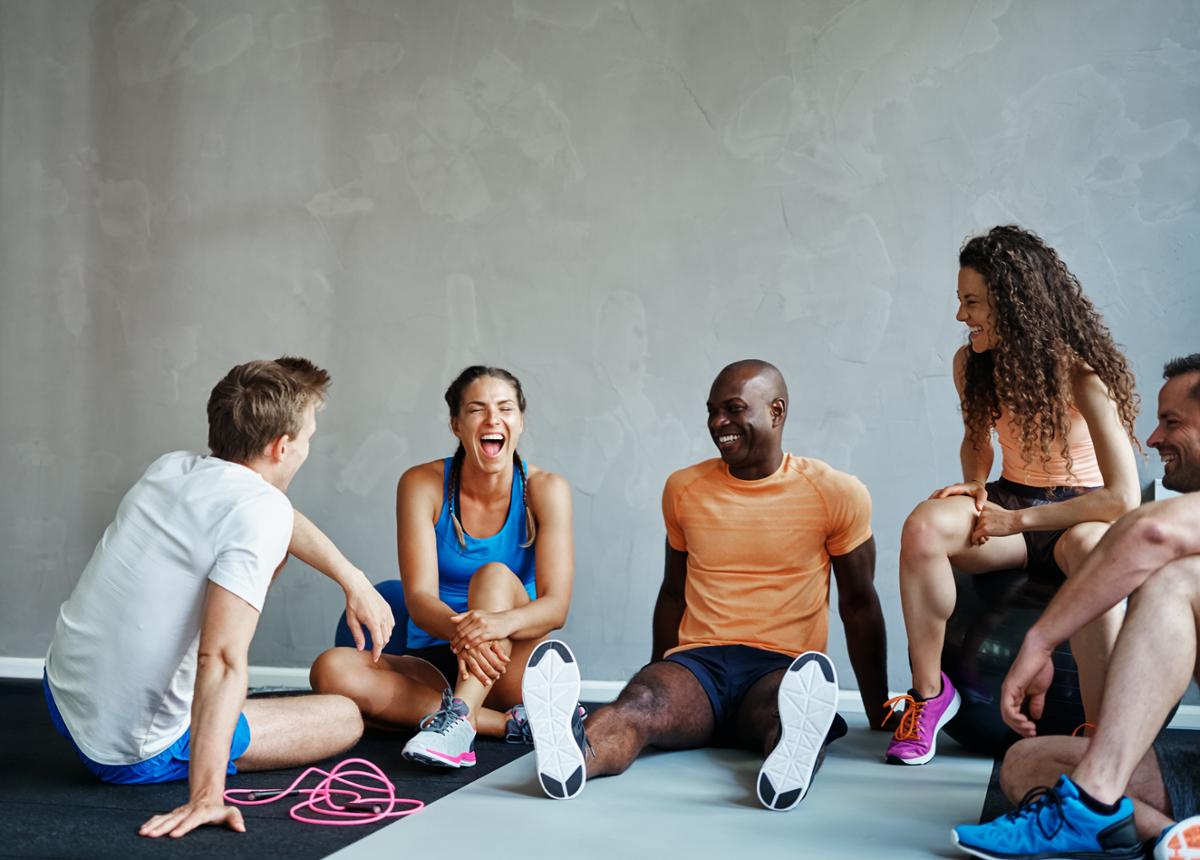
Gen Zers are looking to gyms as one of their social outlets / photo: Shutterstock / Ground Pictures
The rise in anxiety and mental health issues among young people – highlighted recently in HCM's report (www.hcmmag.com/anxious) is the result of multiple factors.
Research highlights the impact of digital exposure and social media use, which are linked to anxiety, depression and body dissatisfaction.
Academic pressures, uncertain career prospects and financial stress further contribute to feelings of burnout and distress. Despite being more digitally connected than ever, many young people report experiencing loneliness and social disconnection.
Physical activity levels have also declined, particularly following the pandemic, which reduced opportunities for structured physical activity and movement. Global issues such as climate anxiety, political instability and economic uncertainty have created a heightened sense of stress among young people.
What’s the solution? Addressing these challenges requires a multi-faceted approach that includes better mental health support, responsible digital consumption and the promotion of positive social connections and physical activity.
It's encouraging to see more young people are choosing physical activity over alcohol, with recent surveys suggesting Gen Z is drinking less and turning to health clubs as a social and stress relief outlet.
However, while gym culture can offer benefits, there are concerns that must be addressed. Excessive physical activity, particularly when motivated by body image concerns, can contribute to anxiety, low self-esteem, and even physical activity addiction.
What’s portrayed as the ‘body standards’ are extremely high. Harrison Ford and Sean Connery used to be the yardstick among men 30 to 50 years ago, but now the bodies we see in films and social media make these icons look tame.
The fitness industry must ensure messaging promotes balance, recovery and long-term wellbeing, rather than encouraging extreme body transformations or unrealistic aesthetic goals.
A gym should be a space for all, where health is prioritised over appearance and where individuals feel safe and supported in their fitness journey.
My experience working with those in the sector is that they understand this and are hard to create supportive, inclusive environments. My greater concern is gym culture online promoting unrealistic and unhealthy goals.
Pressure to conform Body image concerns and health anxiety are contributors to the rise in mental health issues among young people. Research from the Royal Society for Public Health found 67 per cent feel pressure from social media to attain an idealised body type. The culture of ‘fitspiration’ and fitness influencers has also been linked to lower self-esteem and a greater likelihood of disordered eating.
Although body image is not the only driver of poor mental health, it plays a crucial role, particularly in environments where appearance is heavily scrutinised.
Gym operators have a key role in fostering a positive and inclusive space for young members. By shaping a culture that values strength, function and wellbeing, rather than aesthetics, they can help prevent environments where unhealthy behaviours thrive. The messaging within gyms should promote physical activity as a tool for mental and physical resilience, not just a means to alter appearance.
Varied training options Providing varied training options that encourage balance – such as strength training, recovery sessions and mindfulness-based physical activity – can help members develop a more sustainable approach to fitness. Additionally, ensuring gym environments are welcoming, with spaces that reduce intimidation, can support those who feel vulnerable in fitness settings.
Staff training is essential in helping them identify signs of distress to ensure that those struggling with their relationship with physical activity receive appropriate guidance. For example, fitness professionals need to know how to recognise early warning signs of disordered exercise behaviours.
Establishing intervention protocols is essential. This could involve a structured approach where staff are trained to spot signs of distress and know how to initiate a conversation in a supportive way.
They should be equipped with the skills to engage in sensitive, non-judgmental conversations, and a referral process should be in place to ensure individuals struggling with compulsive exercise or body image concerns are guided toward professional help, such as mental health services or dietitians.
Setting boundaries Gyms may also need to consider setting boundaries on practices that could encourage unhealthy habits, such as excessive weighing, before-and-after transformation marketing, or workout routines that promote extreme calorie deficits. Establishing an environment that encourages balance and sustainability will help prevent the gym from becoming a space where disordered behaviours are normalised.
Raising awareness is a crucial step in creating a healthier gym culture. Operators could introduce educational workshops led by health professionals, psychologists, or dietitians to discuss body image, mental wellbeing and sustainable training practices.
Collaboration with mental health charities and awareness initiatives, such as Mental Health Awareness Week, could further help normalise discussions around gym culture and wellbeing.
By making these changes, operators can create an environment that is not only physically beneficial, but also mentally supportive for all members.
photo: Dr Hussain Al-Zubaidi
Dr Hussain Al-Zubaidi is a GP, TV doctor and physical activity clinical champion
Clubs should create a non-intimidating, positive evironment / photo: Shutterstock / Ground Pictures
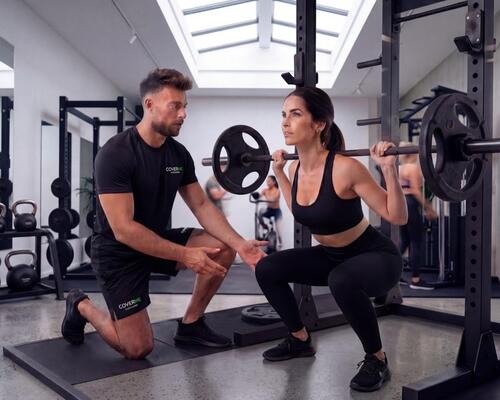
CoverMe, the global leader in fitness workforce management, today launches CoverMe PT, an
on-demand personal training platform that connects the right personal trainer to the right
client in under 10 seconds. [more...]
Active Blackpool is deploying Cornerstone Connect, a new digital interface allowing
disparate information from multiple systems to be aggregated into one dataset, to support
its focus on reducing health inequalities and improving healthy life expectancy. [more...]
+ More featured suppliers
COMPANY PROFILES
Orbit4
With Orbit4, you’ll always have full visibility
of your equipment inventory, the true
market value [more...]
Serco Leisure
Serco Leisure Operating Limited is one of the UK’s leading national operators of leisure centres, de [more...]
Gen Zers are looking to gyms as one of their social outlets / photo: Shutterstock / Ground Pictures
The rise in anxiety and mental health issues among young people – highlighted recently in HCM's report (www.hcmmag.com/anxious) is the result of multiple factors.
Research highlights the impact of digital exposure and social media use, which are linked to anxiety, depression and body dissatisfaction.
Academic pressures, uncertain career prospects and financial stress further contribute to feelings of burnout and distress. Despite being more digitally connected than ever, many young people report experiencing loneliness and social disconnection.
Physical activity levels have also declined, particularly following the pandemic, which reduced opportunities for structured physical activity and movement. Global issues such as climate anxiety, political instability and economic uncertainty have created a heightened sense of stress among young people.
What’s the solution? Addressing these challenges requires a multi-faceted approach that includes better mental health support, responsible digital consumption and the promotion of positive social connections and physical activity.
It's encouraging to see more young people are choosing physical activity over alcohol, with recent surveys suggesting Gen Z is drinking less and turning to health clubs as a social and stress relief outlet.
However, while gym culture can offer benefits, there are concerns that must be addressed. Excessive physical activity, particularly when motivated by body image concerns, can contribute to anxiety, low self-esteem, and even physical activity addiction.
What’s portrayed as the ‘body standards’ are extremely high. Harrison Ford and Sean Connery used to be the yardstick among men 30 to 50 years ago, but now the bodies we see in films and social media make these icons look tame.
The fitness industry must ensure messaging promotes balance, recovery and long-term wellbeing, rather than encouraging extreme body transformations or unrealistic aesthetic goals.
A gym should be a space for all, where health is prioritised over appearance and where individuals feel safe and supported in their fitness journey.
My experience working with those in the sector is that they understand this and are hard to create supportive, inclusive environments. My greater concern is gym culture online promoting unrealistic and unhealthy goals.
Pressure to conform Body image concerns and health anxiety are contributors to the rise in mental health issues among young people. Research from the Royal Society for Public Health found 67 per cent feel pressure from social media to attain an idealised body type. The culture of ‘fitspiration’ and fitness influencers has also been linked to lower self-esteem and a greater likelihood of disordered eating.
Although body image is not the only driver of poor mental health, it plays a crucial role, particularly in environments where appearance is heavily scrutinised.
Gym operators have a key role in fostering a positive and inclusive space for young members. By shaping a culture that values strength, function and wellbeing, rather than aesthetics, they can help prevent environments where unhealthy behaviours thrive. The messaging within gyms should promote physical activity as a tool for mental and physical resilience, not just a means to alter appearance.
Varied training options Providing varied training options that encourage balance – such as strength training, recovery sessions and mindfulness-based physical activity – can help members develop a more sustainable approach to fitness. Additionally, ensuring gym environments are welcoming, with spaces that reduce intimidation, can support those who feel vulnerable in fitness settings.
Staff training is essential in helping them identify signs of distress to ensure that those struggling with their relationship with physical activity receive appropriate guidance. For example, fitness professionals need to know how to recognise early warning signs of disordered exercise behaviours.
Establishing intervention protocols is essential. This could involve a structured approach where staff are trained to spot signs of distress and know how to initiate a conversation in a supportive way.
They should be equipped with the skills to engage in sensitive, non-judgmental conversations, and a referral process should be in place to ensure individuals struggling with compulsive exercise or body image concerns are guided toward professional help, such as mental health services or dietitians.
Setting boundaries Gyms may also need to consider setting boundaries on practices that could encourage unhealthy habits, such as excessive weighing, before-and-after transformation marketing, or workout routines that promote extreme calorie deficits. Establishing an environment that encourages balance and sustainability will help prevent the gym from becoming a space where disordered behaviours are normalised.
Raising awareness is a crucial step in creating a healthier gym culture. Operators could introduce educational workshops led by health professionals, psychologists, or dietitians to discuss body image, mental wellbeing and sustainable training practices.
Collaboration with mental health charities and awareness initiatives, such as Mental Health Awareness Week, could further help normalise discussions around gym culture and wellbeing.
By making these changes, operators can create an environment that is not only physically beneficial, but also mentally supportive for all members.
photo: Dr Hussain Al-Zubaidi
Dr Hussain Al-Zubaidi is a GP, TV doctor and physical activity clinical champion
Clubs should create a non-intimidating, positive evironment / photo: Shutterstock / Ground Pictures
An ambitious women’s-only strength and lifting studio concept is set to launch in Dallas this
September, with a wider US rollout already in active development.
Finnish outdoor fitness equipment specialist, Omnigym, has partnered with charity, Emmaüs
Solidarité, to launch an outdoor gym installation at a homeless shelter in Paris.
People taking GLP-1 weight loss medications such as Ozempic, Wegovy, Mounjaro and Zepbound
may be losing weight, but they’re also becoming less physically active, according to new
research presented at the ENDO 2026 annual meeting of the Endocrine Society
CoverMe, the global leader in fitness workforce management, today launches CoverMe PT, an
on-demand personal training platform that connects the right personal trainer to the right
client in under 10 seconds. [more...]
Active Blackpool is deploying Cornerstone Connect, a new digital interface allowing
disparate information from multiple systems to be aggregated into one dataset, to support
its focus on reducing health inequalities and improving healthy life expectancy. [more...]
+ More featured suppliers
COMPANY PROFILES
Orbit4 With Orbit4, you’ll always have full visibility
of your equipment inventory, the true
market value [more...]