Pip Black and Joan Murphy
co-founded group exercise
concept, Frame, in 2008. Taking
on investment, they expanded
to eight London studios, then
when the pandemic killed footfall
they bought it back to save it.
Black talks to Kath Hudson about
the heart-wrenching decisions
needed to make their much-loved business sustainable again
Pip Black co-founded group exercise
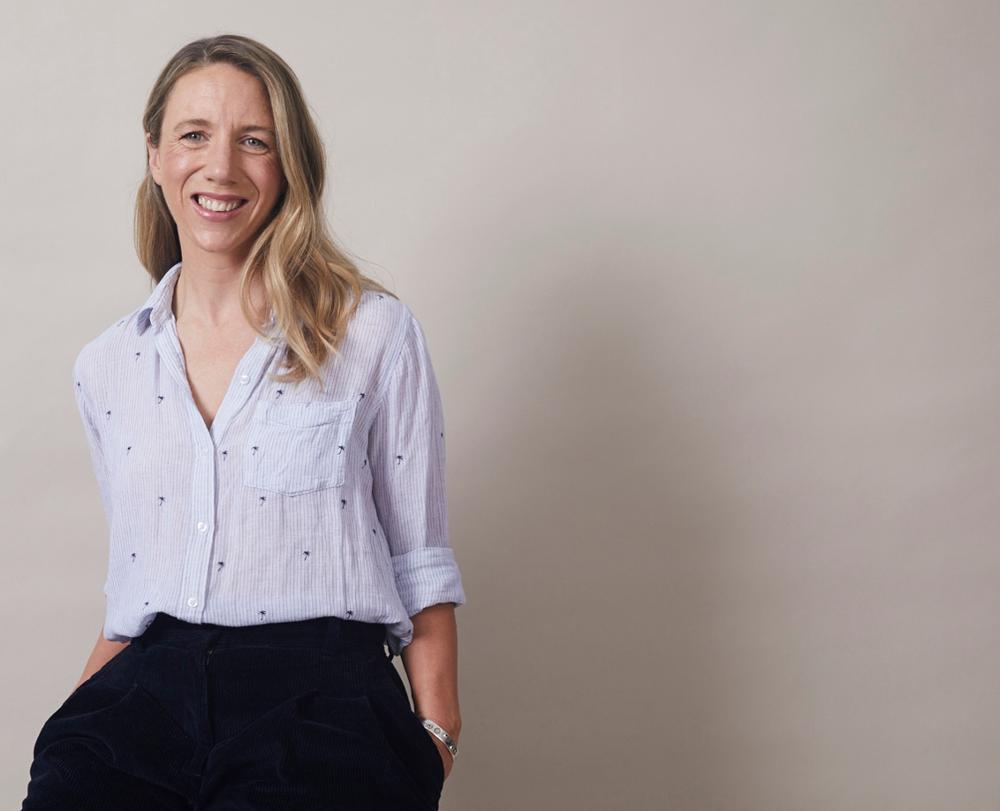
concept, Frame, with Joan Murphy / photo: FRAME
Joan and I bought our business back in 2022 via a pre-pack administration deal.
It felt as though we were back in start-up mode, 14 years after we originally launched and it was humbling to have to pare back the costs and take everything into our own hands – writing emails and cleaning toilets – and put in all the hours and the grit again.
It was slightly easier the second time around, as we had the learnings of the first time, but harder in the sense that we were at a different life stage.
Having been growth-focused since 2009, the hardest thing of all was making the tough decision to shutter two of the eight sites, when expansion plans had been to increase the footprint nationally. We've always had a goal of opening more sites and of more sites equaling more success, so having to close studios felt as though we were going backwards. For ambitious self-starters, it was a knock to our confidence.
It was an incredibly tough decision to close our Farringdon location – which had received no rent discount over the whole COVID period, at a time when our private equity investors, were being very unsupportive – as well as closing the strongest performing central London location in Fitzrovia.
The Fitzrovia studio was a fitness destination: 12,000sq ft, with a great fit-out and a fantastic vibe and before COVID it had made profits of over £500k a year.
Although we tried our hardest to keep it going, we weren't able to negotiate the right sort of deal with the landlord. It was a big site, with really high rent compared to the others, including downstairs space that we let out as a café. In 2022 there was very low footfall in central London and it got to the point that we decided it was untenable to keep it open.
A big family Joan and I have great relationships with all the crew – we’re like a big family – so there was huge guilt and a feeling that we had failed the team and the customers who had stuck by us through the pandemic. While dealing with those emotions, we had to navigate these decisions and make the team feel secure and that we were in control of the situation.
There's so much that goes on when closing a site and it needs to be carefully project managed. We had created a community and a responsibility comes with that.
There are also so many different stakeholders who need to be communicated with in a subtly different way and a load of tasks on the operational side, such as informing the utilities and moving the equipment.
Resilience building As founders, the business was an intrinsic part of both of our lives, so neither Joan or I could just go home and forget about it. It consumed us. We practiced what we preach and used all sorts of different techniques, such as meditation, breathwork and yoga, to bring down the adrenals and cortisol. I turned towards spirituality and nature for guidance.
A lot of that has filtered down to Frame and we started offering workshops and themed classes, journaling, manifestation, and restore and release yoga. We now have quite a significant offering around mindfulness and wellbeing.
One of my learnings from this experience is that no matter how hard something is at the time, you can come through it and it does build resilience. It’s definitely something I try and teach my team, who are slightly younger and maybe haven't had so many tough experiences.
Sometimes we can be in situations where it feels like the end, but if we're surrounded by the right people we can move forwards and leave things in the past.
Although tough, it was the right decision to close Fitzrovia. We've been able to create a sustainable business again and everything was so slow to come back to central London that we wouldn't be here anymore if we’d held onto the site. Three years later it’s still empty, which is ironic, given the landlord wouldn’t reduce the rent, so maybe the next part of the story is that we get it back!
We learned so much through this experience, and at the same time launched our On Demand offering which has become a significant area of growth.
The pain is worth it This wasn’t the first time we’ve had to fight for our business. Joan and I set up Frame when we were in our mid-20s, in two Shoreditch railway arches. A week before we launched, we were told the road would be shut for six months and no one would be able to access the space.
We hadn't even started the business so maybe the wisest idea would have been to have bankrupted the company and opened up as a different one six months later, but we’re not those people and we wanted to pay back the contractors who had done the fitout. So we hired the space out for all sorts of random occasions, and spent a lot of very late nights and early mornings running events in these arches until the road was opened and we were able to start trading.
At the time it was horrible. We had no money and were sleeping on friends’ couches. It's not nice being a young female looking after a property that’s being used by hundreds of people and has a toilet that doesn’t work. But we got through it and that gave me the resilience I needed to be a business owner.
And the business works. I’ve always believed in it and when you genuinely think something is right, then the pain is worth it. Don't give up too easily, there will always be difficulties. I've given my business everything, and it's sucked half of my soul out of me, but I can't imagine my life without Frame. We have tremendous goodwill and an amazing community of more than 250,000 Framers.
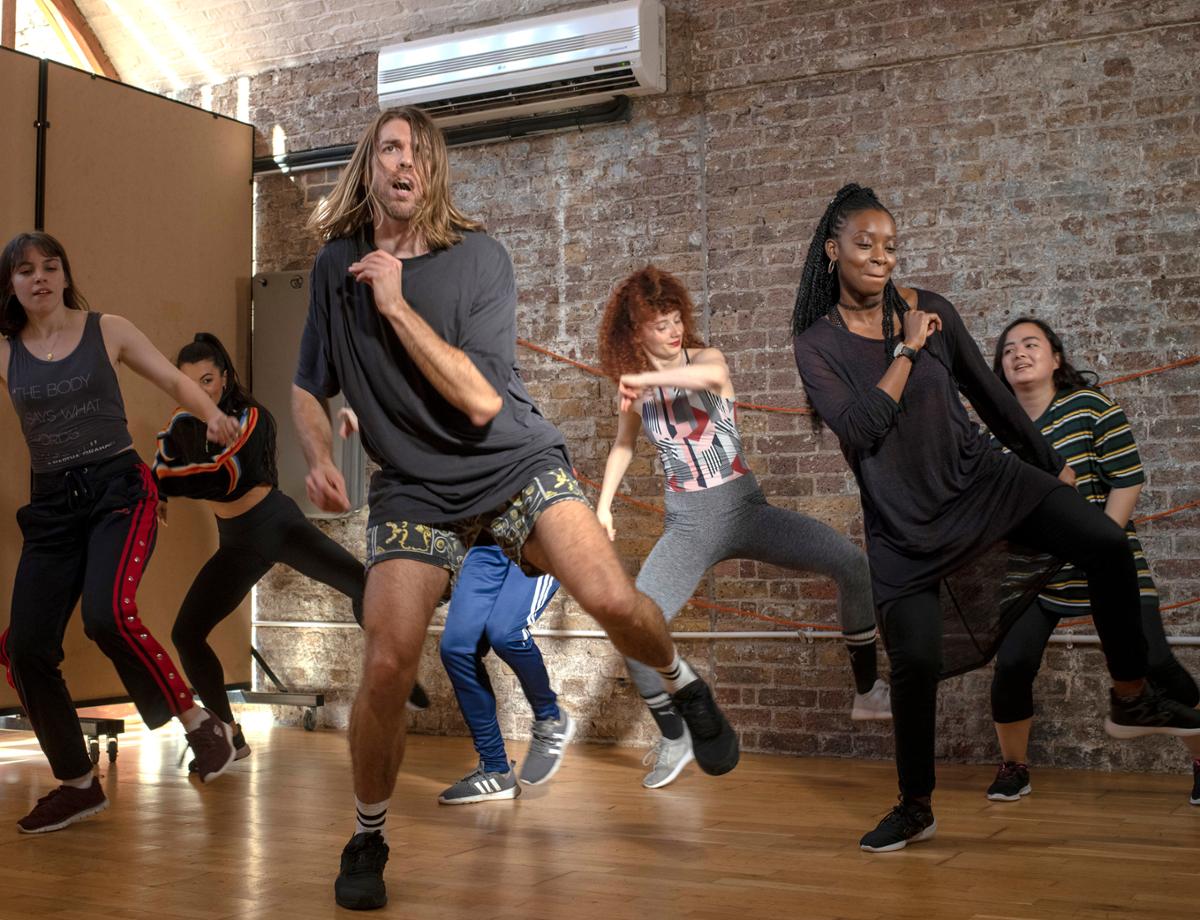
Two of the eight Frame sites had to close during COVID / photo: FRAME / MORGAN WHITE
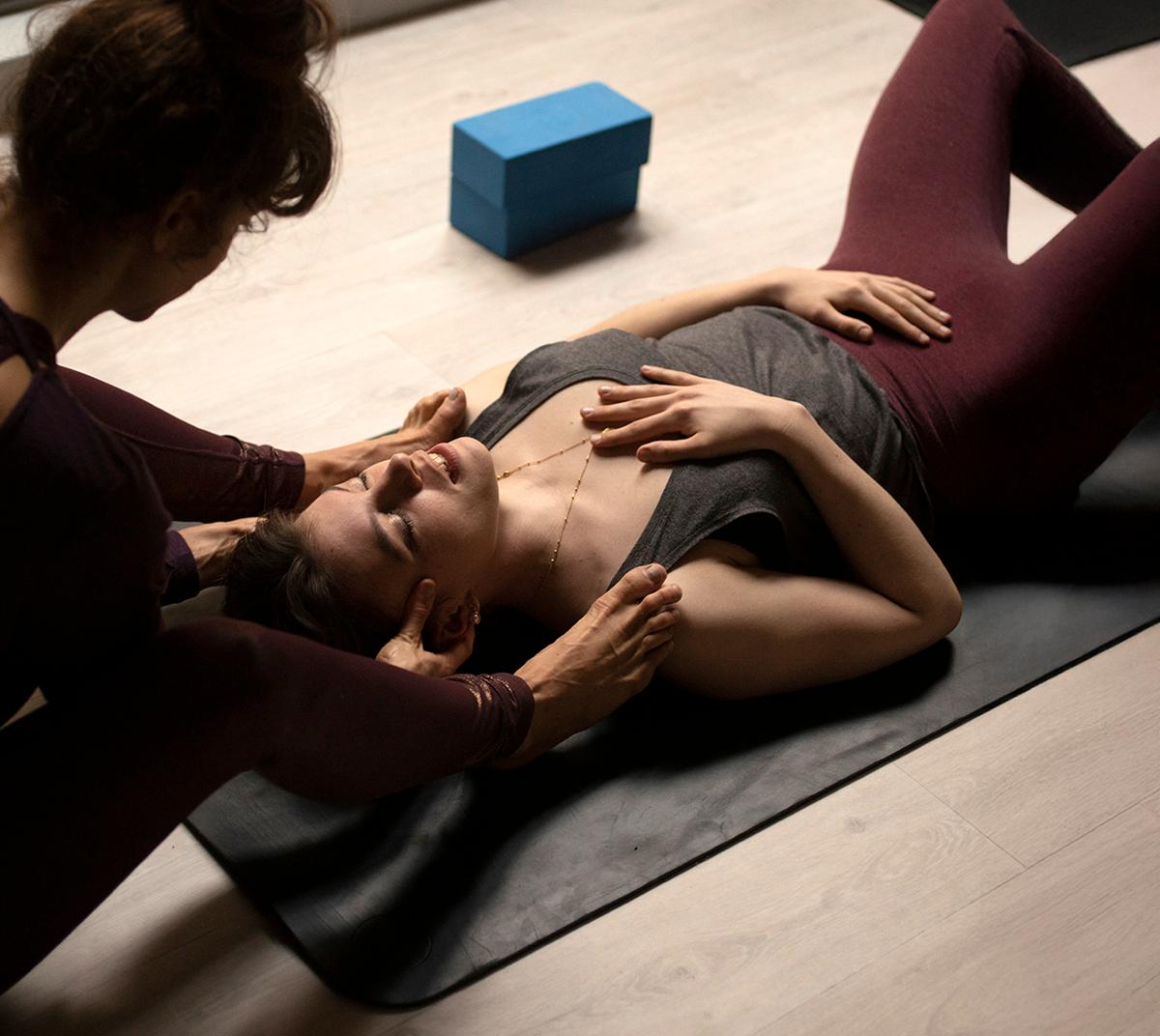
Frame now has a significant offering around mindfulness / Photo: FRAME / Dan Weill
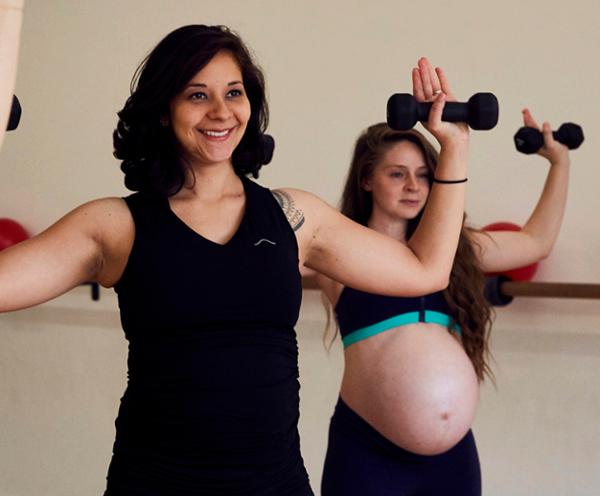
Studios offers pre- and post-natal classes, supporting all life stages / photo: FRAME / Hannah Miles
Active Blackpool is deploying Cornerstone Connect, a new digital interface allowing
disparate information from multiple systems to be aggregated into one dataset, to support
its focus on reducing health inequalities and improving healthy life expectancy. [more...]
CoverMe, the global leader in fitness workforce management, today launches CoverMe PT, an
on-demand personal training platform that connects the right personal trainer to the right
client in under 10 seconds. [more...]
Pip Black and Joan Murphy
co-founded group exercise
concept, Frame, in 2008. Taking
on investment, they expanded
to eight London studios, then
when the pandemic killed footfall
they bought it back to save it.
Black talks to Kath Hudson about
the heart-wrenching decisions
needed to make their much-loved business sustainable again
Pip Black co-founded group exercise
concept, Frame, with Joan Murphy / photo: FRAME
Joan and I bought our business back in 2022 via a pre-pack administration deal.
It felt as though we were back in start-up mode, 14 years after we originally launched and it was humbling to have to pare back the costs and take everything into our own hands – writing emails and cleaning toilets – and put in all the hours and the grit again.
It was slightly easier the second time around, as we had the learnings of the first time, but harder in the sense that we were at a different life stage.
Having been growth-focused since 2009, the hardest thing of all was making the tough decision to shutter two of the eight sites, when expansion plans had been to increase the footprint nationally. We've always had a goal of opening more sites and of more sites equaling more success, so having to close studios felt as though we were going backwards. For ambitious self-starters, it was a knock to our confidence.
It was an incredibly tough decision to close our Farringdon location – which had received no rent discount over the whole COVID period, at a time when our private equity investors, were being very unsupportive – as well as closing the strongest performing central London location in Fitzrovia.
The Fitzrovia studio was a fitness destination: 12,000sq ft, with a great fit-out and a fantastic vibe and before COVID it had made profits of over £500k a year.
Although we tried our hardest to keep it going, we weren't able to negotiate the right sort of deal with the landlord. It was a big site, with really high rent compared to the others, including downstairs space that we let out as a café. In 2022 there was very low footfall in central London and it got to the point that we decided it was untenable to keep it open.
A big family Joan and I have great relationships with all the crew – we’re like a big family – so there was huge guilt and a feeling that we had failed the team and the customers who had stuck by us through the pandemic. While dealing with those emotions, we had to navigate these decisions and make the team feel secure and that we were in control of the situation.
There's so much that goes on when closing a site and it needs to be carefully project managed. We had created a community and a responsibility comes with that.
There are also so many different stakeholders who need to be communicated with in a subtly different way and a load of tasks on the operational side, such as informing the utilities and moving the equipment.
Resilience building As founders, the business was an intrinsic part of both of our lives, so neither Joan or I could just go home and forget about it. It consumed us. We practiced what we preach and used all sorts of different techniques, such as meditation, breathwork and yoga, to bring down the adrenals and cortisol. I turned towards spirituality and nature for guidance.
A lot of that has filtered down to Frame and we started offering workshops and themed classes, journaling, manifestation, and restore and release yoga. We now have quite a significant offering around mindfulness and wellbeing.
One of my learnings from this experience is that no matter how hard something is at the time, you can come through it and it does build resilience. It’s definitely something I try and teach my team, who are slightly younger and maybe haven't had so many tough experiences.
Sometimes we can be in situations where it feels like the end, but if we're surrounded by the right people we can move forwards and leave things in the past.
Although tough, it was the right decision to close Fitzrovia. We've been able to create a sustainable business again and everything was so slow to come back to central London that we wouldn't be here anymore if we’d held onto the site. Three years later it’s still empty, which is ironic, given the landlord wouldn’t reduce the rent, so maybe the next part of the story is that we get it back!
We learned so much through this experience, and at the same time launched our On Demand offering which has become a significant area of growth.
The pain is worth it This wasn’t the first time we’ve had to fight for our business. Joan and I set up Frame when we were in our mid-20s, in two Shoreditch railway arches. A week before we launched, we were told the road would be shut for six months and no one would be able to access the space.
We hadn't even started the business so maybe the wisest idea would have been to have bankrupted the company and opened up as a different one six months later, but we’re not those people and we wanted to pay back the contractors who had done the fitout. So we hired the space out for all sorts of random occasions, and spent a lot of very late nights and early mornings running events in these arches until the road was opened and we were able to start trading.
At the time it was horrible. We had no money and were sleeping on friends’ couches. It's not nice being a young female looking after a property that’s being used by hundreds of people and has a toilet that doesn’t work. But we got through it and that gave me the resilience I needed to be a business owner.
And the business works. I’ve always believed in it and when you genuinely think something is right, then the pain is worth it. Don't give up too easily, there will always be difficulties. I've given my business everything, and it's sucked half of my soul out of me, but I can't imagine my life without Frame. We have tremendous goodwill and an amazing community of more than 250,000 Framers.
Two of the eight Frame sites had to close during COVID / photo: FRAME / MORGAN WHITE
Frame now has a significant offering around mindfulness / Photo: FRAME / Dan Weill
Studios offers pre- and post-natal classes, supporting all life stages / photo: FRAME / Hannah Miles
An ambitious women’s-only strength and lifting studio concept is set to launch in Dallas this
September, with a wider US rollout already in active development.
Finnish outdoor fitness equipment specialist, Omnigym, has partnered with charity, Emmaüs
Solidarité, to launch an outdoor gym installation at a homeless shelter in Paris.
People taking GLP-1 weight loss medications such as Ozempic, Wegovy, Mounjaro and Zepbound
may be losing weight, but they’re also becoming less physically active, according to new
research presented at the ENDO 2026 annual meeting of the Endocrine Society
Active Blackpool is deploying Cornerstone Connect, a new digital interface allowing
disparate information from multiple systems to be aggregated into one dataset, to support
its focus on reducing health inequalities and improving healthy life expectancy. [more...]
CoverMe, the global leader in fitness workforce management, today launches CoverMe PT, an
on-demand personal training platform that connects the right personal trainer to the right
client in under 10 seconds. [more...]