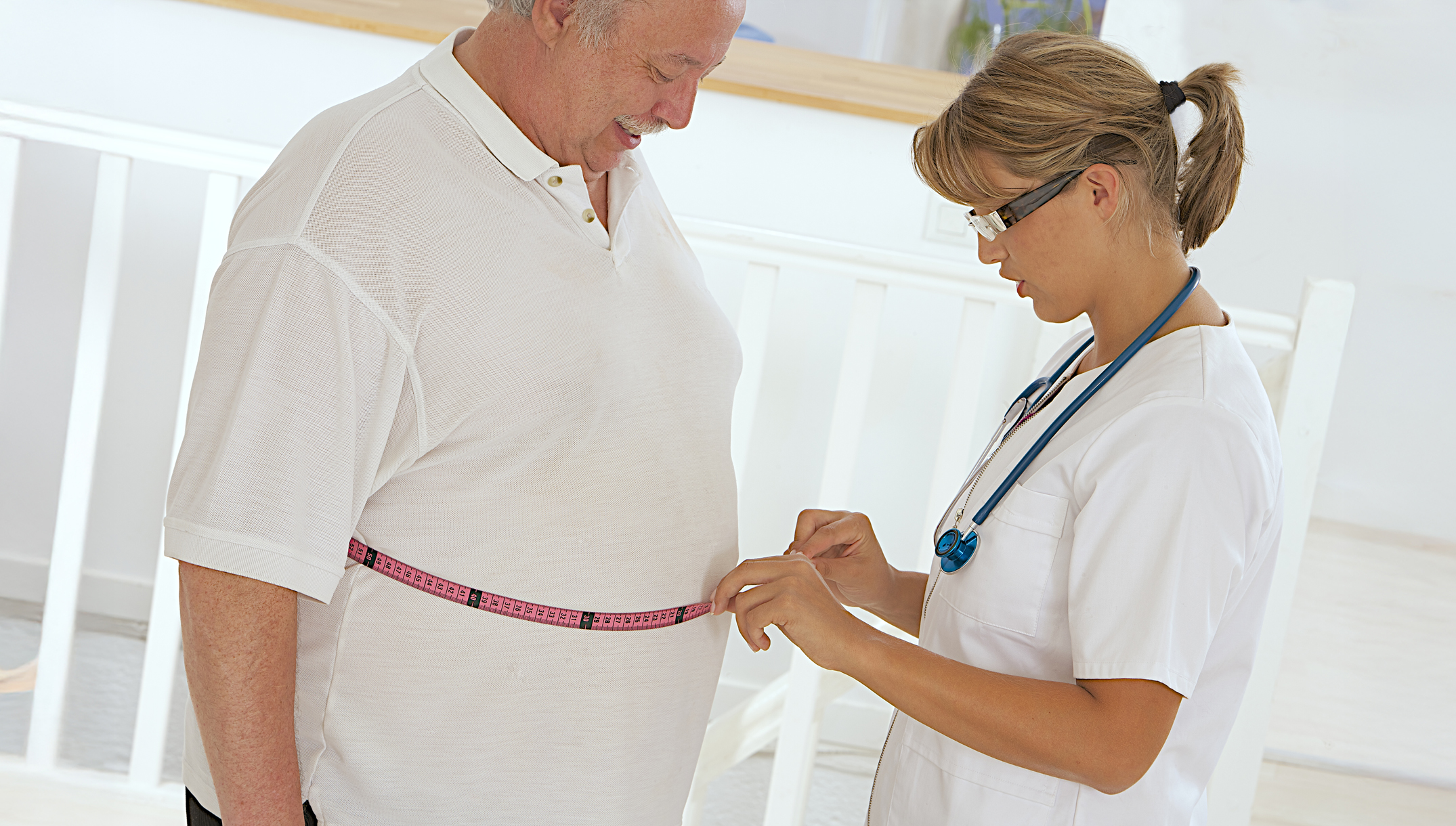
As the uptake of weight loss medications grows, Kath Hudson asks the experts what the fitness industry needs to do in order to be part of the conversation
Weight loss drugs are growing to be a major pharma category / photo: Shutterstock / rblfmr
The momentum around weight loss medications is growing and the announcement of a trial in Manchester, UK suggests governments are hoping GLP-1 drugs could be the silver bullet to save the overloading of health services and tackle workplace absenteeism.
Announced in September 2024, the five-year Manchester study involves 5,000 people and will assess the real-world effectiveness of using Tirzepatide for weight loss and the prevention of diabetes and obesity-related complications. It will also be assessed to establish the safety of using it in a primary care setting.
“The long term benefits of these drugs could be monumental in our approach to tackling obesity,” health secretary, Wes Streeting, wrote in an opinion piece for The Telegraph. He went on to suggest that they could help people get back to work and ease the demands on the NHS, which spends £11bn a year on obesity – even more than smoking.
What is less talked about is the importance of adopting a healthy lifestyle while taking GLP-1 drugs to avoid muscle loss while taking the medication and weight gain when the course is completed. There is a huge opportunity here for the fitness industry, but also some big challenges.
One is the lack of acknowledgement from governments and the mainstream media about the role health clubs could play in delivering exercise alongside the drugs. So it’s important for everyone in the sector to shout out this message in their communities and to drive home the fact that exercise is essential.
The other is the question of whether or not fitness professionals feel empowered to support people coming to their clubs who are taking GLP-1 agonists.
How can the health and fitness sector react – and quickly – to support people in this new reality? We ask the experts...
Kenny Butler
Head of Health and Wellbeing - UK Active
Kenny Butler / Photo: UK ACTIVE
Weight-loss drugs are not new to our sector, however recent advances involving GLP-1-related medications (glucagon-like peptide-1) represent a new opportunity for our sector to develop services to maximise the impact for communities and public health at a national level.
GLP-1s are a category of weight-loss medications that are sold under brand names such as Ozempic, Wegovy and Mounjaro. They suppress the appetite and have been identified as a solution to address the severest forms of obesity.
Exactly which treatment is most appropriate for an individual is down to healthcare professionals to advise, in discussion with patients and considering relevant clinical guidance.
In October, the UK’s health secretary, Wes Streeting, announced the rollout of GLP-1 to address obesity across the UK with the goal of helping people with obesity-related health issues get back into work. This ‘eligible population’ comprises millions of people. Not everyone will be offered the drug, but it’s expected to be taken up by a significant number of people.
UK Active and CIMSPA issued a joint statement in response to the announcement, with the central message that these drugs can only be successful if they are utilised in a holistic and sustainable way, alongside a good diet and physical activity.
Both organisations are stressing that exercise and weight-loss drugs should be viewed as being complementary, rather than mutually exclusive.
Exercise is critical to success
The health secretary has also acknowledged the importance of exercise as part of the solution and the government says it understands GLP-1 isn’t a panacea. With this in mind, UK Active and CIMSPA will continue to work with the UK government, the National Health Service and wider health agencies to ensure our sector is included as part of GLP-1 users’ sustained health improvement journey – and as part of a full health strategy for prevention.
As with any medication, there’s more to learn about the impact of GLP-1s and this model of treating people requires further testing, as shown by the government’s pilot scheme in Manchester.
Medications such as these undoubtedly impact how people feel and move and UK Active and CIMSPA are working in partnership to ensure the sector is supported fully at both an operational level and as part of the wider health ecosystem.
Support materials will be developed to give operators confidence to welcome members taking GLP-1s into facilities and to understand any potential extra measures they may need to take into consideration. This guidance will complement medical advice given by health professionals and will be developed in consultation with representatives from the healthcare and charity sectors.
Working with CIMSPA and education partners, UK Active will also support the development of workforce training, to empower exercise professionals within the sector to support users of GLP-1 medications who may be using a facility. This will include scoping the potential for the development of specific programmes to cater for GLP-1 users and encourage them to build sustainable, long-term habits as part of a healthy lifestyle.
The UK Government has a generational opportunity to invest fully in a prevention strategy for the health of the nation, and our sector has a major role to play in helping to build and deliver a safe and sustainable approach to health that continues to support the population.
Support materials will be developed to give operators confidence to welcome members taking GLP-1s and understand any extra measures they may need
Training will help fitness professionals support their GLP-1 members / photo: Shutterstock / Dusan Petkovic
Elaine Briggs
Chief education Partnership officer - Future Fit
photo: Future Fit
These medications could potentially have a massive influence on the industry and certainly change the landscape of weight management in the future. We know that some clients are accessing medication through online pharmacies, with only a few qualifying questions, so they may not have the necessary knowledge to support their journey and nobody to support them when they face physical and psychological challenges.
Some of the main issues when working with people using these medications are the side effects, including nausea, vomiting and diarrhoea. Lack of appetite can result in many people not eating, which in turn impacts their levels of fatigue and can make even low-level physical activity a challenge. With less enjoyment of food, if people were using food as an emotional crutch, this downregulation in dopamine hits can trigger apathy and even depression.
Skeletal muscle is the currency of energy expenditure and longevity and so any clients using these medications should receive strong educational messages around retaining an elevated protein intake, prioritising hydration and ideally completing three weekly resistance sessions to minimise the loss of lean mass.
A key message to get across is that these medications are not a replacement for improvements to lifestyle. However, we have to acknowledge that these drugs are not a fad and will only increase in popularity moving forwards. Our role is not to judge people who are accessing them, but to support them and to work with healthcare professionals, diet experts and doctors to demonstrate that we have an educated workforce who can provide a credible service which people can be signposted to. To this end, Future Fit is working with Dr Hussain Al Zubaidi to develop training specifically for fitness professionals on GLP-1 and better prepare fitness professionals to support their clients.
As the pivot to wellness gathers momentum, it’s important that we have a greater understanding of the medical interventions that might be relevant for our clients and members. This will help us to provide a more informed and professional service and also facilitate the greater trust we need with clinicians to build an effective, cohesive system.
Future Fit is developing GLP-1 training specifically for fitness professional
Obesity is costing the UK alone £11 billion a year in health interventions / photo: Shutterstock/JPC-PROD
Oliver Patrick
Co-founder - Future Practice
Patrick says scans for body composition will be key for GLP-1 plans / photo: Future Practice
The likelihood is that people who are taking GLP-1 medications will have comorbidities, such as high blood pressure and they will need closer monitoring as a result. Changes in energy, feeling dizzy or light-headed, might all tie back to glucose changes as a result of the medication. But nothing beyond normal quality observation. The key observations are emotional, rather than clinical.
These clients are highly likely to be new to an exercise environment and as such, conscious about their weight, so language and approach must reflect that at all times. However, we must also avoid creating unnecessary and time-wasting barriers to entry for people who are essentially without concern, because we need this cohort in our clubs, otherwise as a weight management solution our industry will suffer enormously.
Opening your doors to these individuals just needs a few guiding principles, with the first being empathy. This person probably hasn’t been in a gym before and they will need all the love and kindness in the world, so meet them where they are at.
They will likely be eating much less than usual and so may be feeling lethargic. Resistance training would need to be at the heart of your training programme, but keeping things at ACSMs definition of moderate (75 per cent of maximum effort and 15 reps) would be a logical intensity ceiling.
These drugs slow gut motility, reduce appetite and increase sensitivity to glucose. A side effect might be dizziness, light-headedness or a feeling of fatigue, so be aware that you may need to provide glucose gels or some simple carbohydrate. They certainly might benefit from sipping an isotonic drink and taking quality rest between bouts of exertion.
The biggest issue with rapid weight loss is the loss of lean tissue, so to determine which weight they’re losing, a body composition scan should be done which can be used to inform the training programme and measure their progress. Without an understanding of body composition, fitness professionals can’t prove their effectiveness beyond these drugs in isolation. If we prove we keep and build muscle mass, we win. If we create unnecessary barriers to entry and fail to prove effectiveness of our methods then real challenges lie ahead.
If we prove we keep and build muscle mass, we win
Dr Hussain
Al Zubaidi
GP and physical activity clinical champion
photo: Run Communications
To ensure the health and fitness sector is front and central in the conversation around GLP-1 medications – both with policy decisions and media discussions – several key strategies can be employed. Firstly, collaborate with healthcare providers. Establish partnerships with doctors, dietitians and other healthcare professionals to create a unified voice on the role of physical activity in supporting those on these medications.
Engage with policymakers through industry trade associations that are advocating for the inclusion of fitness professionals in healthcare discussions related to weight loss treatments, such as the Health and Fitness Association and the Physical Activity Alliance.
Actively contribute to media discussions by providing expert commentary on the benefits of a holistic approach, combining medication, exercise, and lifestyle changes.
Launch public awareness campaigns highlighting the importance of physical activity alongside medication, positioning fitness professionals as essential partners in achieving sustainable weight loss and mitigating against the potential disadvantages seen, such as loss of muscle mass.
Invest in, or support, research that demonstrates the positive outcomes of integrating exercise with GLP-1 treatments, and use this data to influence both policy and public perception. The current studies have all looked at using GLP-1s alongside nutrition and physical activity support. This is noted in the NICE medical guidelines and must be maintained if we are to responsibly use these tools. Over time we will see more research in peer-reviewed journals around how to maximise a training programme while taking GLP-1s, and this will help further guide and tailor the approach.
Launch public awareness campaigns highlighting the importance of physical activity alongside medication
Health clubs should be seen as the perfect partners for GLP-1 users / photo: Shutterstock / Slatan
Advisory
Working out with people on weight loss medication - Dr Hussain Al Zubaidi gives insights into training protocols
When supporting people on weight loss medication, it’s important to closely monitor nutrition and hydration, while gradual progression in training intensity is key. Start slowly and gradually build up the intensity and incorporate exercises that the client enjoys. Strength training has been shown in studies to help reduce the impact of losing muscle mass during rapid weight loss, so this should be included, along with functional movements such as squats, deadlifts, farmers’ carry and Turkish get ups. Flexibility and balance should also be addressed, especially for older clients. Explore alternative workouts like water aerobics, or seated exercises, to suit the unique needs of the client.
Workouts need to be adjusted to the clients’ available energy which might flag during phases of reduced appetite. Look to time sessions around meals, so they’re fuelled appropriately, and educate clients about the importance of protein intake to support muscle recovery and maintenance. Ensure they’re consuming high nutrient foods, as reduced appetite can lead to lower overall food consumption helping to achieve weight loss, but if the diet consists of poor quality food this can lead to nutrient deficiencies.
For those with diabetes, make sure clients check their glucose before, during and after workouts and have discussed with their responsible healthcare professional first prior to starting anything new.
Nausea and gastrointestinal symptoms can lead to dehydration, so promote regular fluid intake. Don’t ignore side-effects which might require adjustments in workout timing or intensity and individualise training based on their specific response.
Sabrena Jo
Director of science and research - American Council on Exercise
photo: ACE
Research in this area is still emerging and the industry is in a state of trust. The truth is, the needs of people taking these drugs will likely be very similar to the needs of all clients: a healthy and nutrient-dense eating plan; a physically-active lifestyle that includes both cardio and resistance training and a focus on the other elements of a healthy lifestyle.
A possible concern with these drugs is the rate of lean-mass loss associated with rapid reductions in body weight. Therefore, a comprehensive exercise regimen, with a strong focus on resistance training, is essential to mitigate muscle mass reduction and improve overall body composition.
Focus on muscle functionality rather than solely increasing muscle mass. Resistance training enhances muscle strength and function without necessarily increasing its size, promoting better insulin and glucose control.
While these drugs suppress appetite, integrating healthy eating habits is crucial. Professionals should encourage clients to focus on nutrient-dense foods that support overall health and complement their weight-loss goals. Balanced diets rich in fruits, vegetables, whole grains, lean proteins and healthy fats can enhance the effectiveness of the medication, improve energy levels for physical activity and support metabolic health.
t’s essential that professionals never question a client’s decision to take these medications. Always remain supportive of the client’s weight-loss journey and find ways to empower them to make other positive changes to their health and wellbeing. This includes promoting healthy eating habits, as some clients may struggle to adjust to their reduced caloric intake. Be sure to stay within your scope of practice at all times and never say anything that can be construed as medical advice.
As an industry, we should remind people that weight loss alone does not equate to good health. Exercise, healthy eating, stress management and sleep quality all remain important regardless of the number on the scales.
The ubiquity of GLP-1 drugs has reshaped the weight-loss landscape, requiring a nuanced and educated approach. You continue to play a pivotal role in your clients’ wellbeing, so stay informed, collaborate with healthcare professionals and continue to inspire your clients toward healthier, more active lives.
An exercise regimen, with a strong focus on resistance training, is essential to mitigate muscle mass reduction
GLP-1s are reshaping the weight loss arena, with rapid adoption by consumers / photo: Shutterstock / Nina Buday
Jenny Patrickson
Managing director - Active IQ
photo: Active iQ
The fitness sector needs to accept that change is coming, this feels like a wave that we can’t hold back, regardless of how people may feel about the medication itself. GLP-1s are going to play an increasing role in tackling obesity and we need to be ready to support this cohort of people entering our sector for the first time.
More people exercising and looking after their health can only be a good thing, so we want to prepare professionals in our sector to encourage that as much as possible. However, it’s still very early days when it comes to working with people taking GLP-1s and as an industry, we’re still in the process of identifying where the issues may be and how their approach to training may need to change.
As it stands, those that take GLP-1s are typically not active beforehand and therefore they need to be approached in the same way you would anyone just starting their exercise journey. Similarly, we’ve also seen cases of people losing muscle mass on these drugs, so taking that into account when programming is essential.
The biggest element of support will be in driving behaviour change, reinforcing good habits and building an affinity for exercise with clients. We don’t believe GLP-1s are designed to be taken on an ongoing basis, and so ensuring clients are able to continue a healthy routine once they’re off the medication is going to be vital.
As this kind of intervention is so new, it’s vital fitness professionals seek out as much information as possible, continue to educate themselves and pay attention to what’s coming through from training providers. I’d urge everyone in the sector to educate themselves and understand the science so we can all have informed discussions and ensure we keep these people active once they start their exercise journey.
Active IQ will be creating a series of webinars on this topic, with the goal of providing fitness professionals with as much information as possible. Beyond this, we’re in discussions with experts in the field to develop bolt-on qualifications for PTs. We’ll be communicating far and wide once they’re open for enrollment.
The biggest element of support will be in driving behaviour change and reinforcing good habits
New bolt-on GLP-1 qualifications for PTs are coming to market / photo: Shutterstock / AntGor
Active Blackpool is deploying Cornerstone Connect, a new digital interface allowing
disparate information from multiple systems to be aggregated into one dataset, to support
its focus on reducing health inequalities and improving healthy life expectancy. [more...]
CoverMe, the global leader in fitness workforce management, today launches CoverMe PT, an
on-demand personal training platform that connects the right personal trainer to the right
client in under 10 seconds. [more...]
+ More featured suppliers
COMPANY PROFILES
Serco Leisure
Serco Leisure Operating Limited is one of the UK’s leading national operators of leisure centres, de [more...]
IndigoFitness
At IndigoFitness, we create intelligent training spaces that elevate fitness facilities across indus [more...]
As the uptake of weight loss medications grows, Kath Hudson asks the experts what the fitness industry needs to do in order to be part of the conversation
Weight loss drugs are growing to be a major pharma category / photo: Shutterstock / rblfmr
The momentum around weight loss medications is growing and the announcement of a trial in Manchester, UK suggests governments are hoping GLP-1 drugs could be the silver bullet to save the overloading of health services and tackle workplace absenteeism.
Announced in September 2024, the five-year Manchester study involves 5,000 people and will assess the real-world effectiveness of using Tirzepatide for weight loss and the prevention of diabetes and obesity-related complications. It will also be assessed to establish the safety of using it in a primary care setting.
“The long term benefits of these drugs could be monumental in our approach to tackling obesity,” health secretary, Wes Streeting, wrote in an opinion piece for The Telegraph. He went on to suggest that they could help people get back to work and ease the demands on the NHS, which spends £11bn a year on obesity – even more than smoking.
What is less talked about is the importance of adopting a healthy lifestyle while taking GLP-1 drugs to avoid muscle loss while taking the medication and weight gain when the course is completed. There is a huge opportunity here for the fitness industry, but also some big challenges.
One is the lack of acknowledgement from governments and the mainstream media about the role health clubs could play in delivering exercise alongside the drugs. So it’s important for everyone in the sector to shout out this message in their communities and to drive home the fact that exercise is essential.
The other is the question of whether or not fitness professionals feel empowered to support people coming to their clubs who are taking GLP-1 agonists.
How can the health and fitness sector react – and quickly – to support people in this new reality? We ask the experts...
Kenny Butler
Head of Health and Wellbeing - UK Active
Kenny Butler / Photo: UK ACTIVE
Weight-loss drugs are not new to our sector, however recent advances involving GLP-1-related medications (glucagon-like peptide-1) represent a new opportunity for our sector to develop services to maximise the impact for communities and public health at a national level.
GLP-1s are a category of weight-loss medications that are sold under brand names such as Ozempic, Wegovy and Mounjaro. They suppress the appetite and have been identified as a solution to address the severest forms of obesity.
Exactly which treatment is most appropriate for an individual is down to healthcare professionals to advise, in discussion with patients and considering relevant clinical guidance.
In October, the UK’s health secretary, Wes Streeting, announced the rollout of GLP-1 to address obesity across the UK with the goal of helping people with obesity-related health issues get back into work. This ‘eligible population’ comprises millions of people. Not everyone will be offered the drug, but it’s expected to be taken up by a significant number of people.
UK Active and CIMSPA issued a joint statement in response to the announcement, with the central message that these drugs can only be successful if they are utilised in a holistic and sustainable way, alongside a good diet and physical activity.
Both organisations are stressing that exercise and weight-loss drugs should be viewed as being complementary, rather than mutually exclusive.
Exercise is critical to success
The health secretary has also acknowledged the importance of exercise as part of the solution and the government says it understands GLP-1 isn’t a panacea. With this in mind, UK Active and CIMSPA will continue to work with the UK government, the National Health Service and wider health agencies to ensure our sector is included as part of GLP-1 users’ sustained health improvement journey – and as part of a full health strategy for prevention.
As with any medication, there’s more to learn about the impact of GLP-1s and this model of treating people requires further testing, as shown by the government’s pilot scheme in Manchester.
Medications such as these undoubtedly impact how people feel and move and UK Active and CIMSPA are working in partnership to ensure the sector is supported fully at both an operational level and as part of the wider health ecosystem.
Support materials will be developed to give operators confidence to welcome members taking GLP-1s into facilities and to understand any potential extra measures they may need to take into consideration. This guidance will complement medical advice given by health professionals and will be developed in consultation with representatives from the healthcare and charity sectors.
Working with CIMSPA and education partners, UK Active will also support the development of workforce training, to empower exercise professionals within the sector to support users of GLP-1 medications who may be using a facility. This will include scoping the potential for the development of specific programmes to cater for GLP-1 users and encourage them to build sustainable, long-term habits as part of a healthy lifestyle.
The UK Government has a generational opportunity to invest fully in a prevention strategy for the health of the nation, and our sector has a major role to play in helping to build and deliver a safe and sustainable approach to health that continues to support the population.
Support materials will be developed to give operators confidence to welcome members taking GLP-1s and understand any extra measures they may need
Training will help fitness professionals support their GLP-1 members / photo: Shutterstock / Dusan Petkovic
Elaine Briggs
Chief education Partnership officer - Future Fit
photo: Future Fit
These medications could potentially have a massive influence on the industry and certainly change the landscape of weight management in the future. We know that some clients are accessing medication through online pharmacies, with only a few qualifying questions, so they may not have the necessary knowledge to support their journey and nobody to support them when they face physical and psychological challenges.
Some of the main issues when working with people using these medications are the side effects, including nausea, vomiting and diarrhoea. Lack of appetite can result in many people not eating, which in turn impacts their levels of fatigue and can make even low-level physical activity a challenge. With less enjoyment of food, if people were using food as an emotional crutch, this downregulation in dopamine hits can trigger apathy and even depression.
Skeletal muscle is the currency of energy expenditure and longevity and so any clients using these medications should receive strong educational messages around retaining an elevated protein intake, prioritising hydration and ideally completing three weekly resistance sessions to minimise the loss of lean mass.
A key message to get across is that these medications are not a replacement for improvements to lifestyle. However, we have to acknowledge that these drugs are not a fad and will only increase in popularity moving forwards. Our role is not to judge people who are accessing them, but to support them and to work with healthcare professionals, diet experts and doctors to demonstrate that we have an educated workforce who can provide a credible service which people can be signposted to. To this end, Future Fit is working with Dr Hussain Al Zubaidi to develop training specifically for fitness professionals on GLP-1 and better prepare fitness professionals to support their clients.
As the pivot to wellness gathers momentum, it’s important that we have a greater understanding of the medical interventions that might be relevant for our clients and members. This will help us to provide a more informed and professional service and also facilitate the greater trust we need with clinicians to build an effective, cohesive system.
Future Fit is developing GLP-1 training specifically for fitness professional
Obesity is costing the UK alone £11 billion a year in health interventions / photo: Shutterstock/JPC-PROD
Oliver Patrick
Co-founder - Future Practice
Patrick says scans for body composition will be key for GLP-1 plans / photo: Future Practice
The likelihood is that people who are taking GLP-1 medications will have comorbidities, such as high blood pressure and they will need closer monitoring as a result. Changes in energy, feeling dizzy or light-headed, might all tie back to glucose changes as a result of the medication. But nothing beyond normal quality observation. The key observations are emotional, rather than clinical.
These clients are highly likely to be new to an exercise environment and as such, conscious about their weight, so language and approach must reflect that at all times. However, we must also avoid creating unnecessary and time-wasting barriers to entry for people who are essentially without concern, because we need this cohort in our clubs, otherwise as a weight management solution our industry will suffer enormously.
Opening your doors to these individuals just needs a few guiding principles, with the first being empathy. This person probably hasn’t been in a gym before and they will need all the love and kindness in the world, so meet them where they are at.
They will likely be eating much less than usual and so may be feeling lethargic. Resistance training would need to be at the heart of your training programme, but keeping things at ACSMs definition of moderate (75 per cent of maximum effort and 15 reps) would be a logical intensity ceiling.
These drugs slow gut motility, reduce appetite and increase sensitivity to glucose. A side effect might be dizziness, light-headedness or a feeling of fatigue, so be aware that you may need to provide glucose gels or some simple carbohydrate. They certainly might benefit from sipping an isotonic drink and taking quality rest between bouts of exertion.
The biggest issue with rapid weight loss is the loss of lean tissue, so to determine which weight they’re losing, a body composition scan should be done which can be used to inform the training programme and measure their progress. Without an understanding of body composition, fitness professionals can’t prove their effectiveness beyond these drugs in isolation. If we prove we keep and build muscle mass, we win. If we create unnecessary barriers to entry and fail to prove effectiveness of our methods then real challenges lie ahead.
If we prove we keep and build muscle mass, we win
Dr Hussain
Al Zubaidi
GP and physical activity clinical champion
photo: Run Communications
To ensure the health and fitness sector is front and central in the conversation around GLP-1 medications – both with policy decisions and media discussions – several key strategies can be employed. Firstly, collaborate with healthcare providers. Establish partnerships with doctors, dietitians and other healthcare professionals to create a unified voice on the role of physical activity in supporting those on these medications.
Engage with policymakers through industry trade associations that are advocating for the inclusion of fitness professionals in healthcare discussions related to weight loss treatments, such as the Health and Fitness Association and the Physical Activity Alliance.
Actively contribute to media discussions by providing expert commentary on the benefits of a holistic approach, combining medication, exercise, and lifestyle changes.
Launch public awareness campaigns highlighting the importance of physical activity alongside medication, positioning fitness professionals as essential partners in achieving sustainable weight loss and mitigating against the potential disadvantages seen, such as loss of muscle mass.
Invest in, or support, research that demonstrates the positive outcomes of integrating exercise with GLP-1 treatments, and use this data to influence both policy and public perception. The current studies have all looked at using GLP-1s alongside nutrition and physical activity support. This is noted in the NICE medical guidelines and must be maintained if we are to responsibly use these tools. Over time we will see more research in peer-reviewed journals around how to maximise a training programme while taking GLP-1s, and this will help further guide and tailor the approach.
Launch public awareness campaigns highlighting the importance of physical activity alongside medication
Health clubs should be seen as the perfect partners for GLP-1 users / photo: Shutterstock / Slatan
Advisory
Working out with people on weight loss medication - Dr Hussain Al Zubaidi gives insights into training protocols
When supporting people on weight loss medication, it’s important to closely monitor nutrition and hydration, while gradual progression in training intensity is key. Start slowly and gradually build up the intensity and incorporate exercises that the client enjoys. Strength training has been shown in studies to help reduce the impact of losing muscle mass during rapid weight loss, so this should be included, along with functional movements such as squats, deadlifts, farmers’ carry and Turkish get ups. Flexibility and balance should also be addressed, especially for older clients. Explore alternative workouts like water aerobics, or seated exercises, to suit the unique needs of the client.
Workouts need to be adjusted to the clients’ available energy which might flag during phases of reduced appetite. Look to time sessions around meals, so they’re fuelled appropriately, and educate clients about the importance of protein intake to support muscle recovery and maintenance. Ensure they’re consuming high nutrient foods, as reduced appetite can lead to lower overall food consumption helping to achieve weight loss, but if the diet consists of poor quality food this can lead to nutrient deficiencies.
For those with diabetes, make sure clients check their glucose before, during and after workouts and have discussed with their responsible healthcare professional first prior to starting anything new.
Nausea and gastrointestinal symptoms can lead to dehydration, so promote regular fluid intake. Don’t ignore side-effects which might require adjustments in workout timing or intensity and individualise training based on their specific response.
Sabrena Jo
Director of science and research - American Council on Exercise
photo: ACE
Research in this area is still emerging and the industry is in a state of trust. The truth is, the needs of people taking these drugs will likely be very similar to the needs of all clients: a healthy and nutrient-dense eating plan; a physically-active lifestyle that includes both cardio and resistance training and a focus on the other elements of a healthy lifestyle.
A possible concern with these drugs is the rate of lean-mass loss associated with rapid reductions in body weight. Therefore, a comprehensive exercise regimen, with a strong focus on resistance training, is essential to mitigate muscle mass reduction and improve overall body composition.
Focus on muscle functionality rather than solely increasing muscle mass. Resistance training enhances muscle strength and function without necessarily increasing its size, promoting better insulin and glucose control.
While these drugs suppress appetite, integrating healthy eating habits is crucial. Professionals should encourage clients to focus on nutrient-dense foods that support overall health and complement their weight-loss goals. Balanced diets rich in fruits, vegetables, whole grains, lean proteins and healthy fats can enhance the effectiveness of the medication, improve energy levels for physical activity and support metabolic health.
t’s essential that professionals never question a client’s decision to take these medications. Always remain supportive of the client’s weight-loss journey and find ways to empower them to make other positive changes to their health and wellbeing. This includes promoting healthy eating habits, as some clients may struggle to adjust to their reduced caloric intake. Be sure to stay within your scope of practice at all times and never say anything that can be construed as medical advice.
As an industry, we should remind people that weight loss alone does not equate to good health. Exercise, healthy eating, stress management and sleep quality all remain important regardless of the number on the scales.
The ubiquity of GLP-1 drugs has reshaped the weight-loss landscape, requiring a nuanced and educated approach. You continue to play a pivotal role in your clients’ wellbeing, so stay informed, collaborate with healthcare professionals and continue to inspire your clients toward healthier, more active lives.
An exercise regimen, with a strong focus on resistance training, is essential to mitigate muscle mass reduction
GLP-1s are reshaping the weight loss arena, with rapid adoption by consumers / photo: Shutterstock / Nina Buday
Jenny Patrickson
Managing director - Active IQ
photo: Active iQ
The fitness sector needs to accept that change is coming, this feels like a wave that we can’t hold back, regardless of how people may feel about the medication itself. GLP-1s are going to play an increasing role in tackling obesity and we need to be ready to support this cohort of people entering our sector for the first time.
More people exercising and looking after their health can only be a good thing, so we want to prepare professionals in our sector to encourage that as much as possible. However, it’s still very early days when it comes to working with people taking GLP-1s and as an industry, we’re still in the process of identifying where the issues may be and how their approach to training may need to change.
As it stands, those that take GLP-1s are typically not active beforehand and therefore they need to be approached in the same way you would anyone just starting their exercise journey. Similarly, we’ve also seen cases of people losing muscle mass on these drugs, so taking that into account when programming is essential.
The biggest element of support will be in driving behaviour change, reinforcing good habits and building an affinity for exercise with clients. We don’t believe GLP-1s are designed to be taken on an ongoing basis, and so ensuring clients are able to continue a healthy routine once they’re off the medication is going to be vital.
As this kind of intervention is so new, it’s vital fitness professionals seek out as much information as possible, continue to educate themselves and pay attention to what’s coming through from training providers. I’d urge everyone in the sector to educate themselves and understand the science so we can all have informed discussions and ensure we keep these people active once they start their exercise journey.
Active IQ will be creating a series of webinars on this topic, with the goal of providing fitness professionals with as much information as possible. Beyond this, we’re in discussions with experts in the field to develop bolt-on qualifications for PTs. We’ll be communicating far and wide once they’re open for enrollment.
The biggest element of support will be in driving behaviour change and reinforcing good habits
New bolt-on GLP-1 qualifications for PTs are coming to market / photo: Shutterstock / AntGor
An ambitious women’s-only strength and lifting studio concept is set to launch in Dallas this
September, with a wider US rollout already in active development.
Finnish outdoor fitness equipment specialist, Omnigym, has partnered with charity, Emmaüs
Solidarité, to launch an outdoor gym installation at a homeless shelter in Paris.
People taking GLP-1 weight loss medications such as Ozempic, Wegovy, Mounjaro and Zepbound
may be losing weight, but they’re also becoming less physically active, according to new
research presented at the ENDO 2026 annual meeting of the Endocrine Society
Active Blackpool is deploying Cornerstone Connect, a new digital interface allowing
disparate information from multiple systems to be aggregated into one dataset, to support
its focus on reducing health inequalities and improving healthy life expectancy. [more...]
CoverMe, the global leader in fitness workforce management, today launches CoverMe PT, an
on-demand personal training platform that connects the right personal trainer to the right
client in under 10 seconds. [more...]
+ More featured suppliers
COMPANY PROFILES
Serco Leisure Serco Leisure Operating Limited is one of the UK’s leading national operators of leisure centres, de [more...]