Patrickson says the industry needs to offer clearer career pathways / photo: Active IQ
What’s the purpose of the 2024 Skills Gap Report? We have a lot of anecdotal feedback around the state of education and the workforce situation within our sector and we wanted to have some concrete evidence as to the lay of the land.
We also wanted to give learners a voice and understand their perspective. As an awarding organisation, our direct customers are training providers, while fitness professionals are once removed, so we wanted to find out about the issues they’re facing and their views on the opportunities in the sector.
What were the findings? They confirmed what we were aware of: health clubs, gyms and leisure centres are struggling to find people with the right skills to fill roles, especially to deal with the increasingly diverse range of members.
Year on year, since the pandemic, there’s been a decline in the number of people being certified and there are less people coming into the sector looking for a career – plus the churn is too high. In addition, employers who are taking people on and then not supporting them in their continuing professional development or not upskilling them, are seeing the most churn.
Where are the skills shortfalls and is the training fit for purpose? I think it is fit for purpose: we have training up to level four. Despite this, many fitness professionals don’t feel skilled enough to work with people with disabilities, or those with an injury or a health issue. They also report feeling that they lack the necessary skills to manage their own businesses and to find and retain clients. Business skills are included in qualifications now, but they weren’t 10 years ago.
Responsibility for upskilling people lies with both the employer and the employee, even with a self-employed model. If an employer thinks that someone can enter a role with the breadth of skills, knowledge and behaviour they need for their business right from the off, then they’re wrong. The qualification is just the start of the journey. Employers are responsible for upskilling team members while employees are responsible for becoming lifelong learners.
Are there enough career progression opportunities in the sector? We received feedback about the lack of progression opportunities in the sector, but I think this is more about perception than reality, because training opportunities and progression opportunities do exist – this is something CIMSPA has been working on. We also work with Future Fit to create bespoke management qualifications and career opportunities to allow people to move into management.
However, having such a large proportion of the industry unable to see a career pathway is a clear call to action for employers, awarding bodies and training providers to increase the visibility of career progression while also highlighting success cases. Development of CPD also needs to be paired with a clearly communicated path explaining how careers can be advanced as skills are developed.
The industry needs to do a better job of marketing its own opportunities and ensure it’s seen as an attractive option for potential employees and taken seriously as a career choice.
Is anybody making recommendations about pay and benefits and contracts? This is one of the issues we’ve been banging the drum about for years, along with CIMSPA, EMD and UK Active. One of the problems after the pandemic was that it was a candidate’s world in terms of jobs and opportunities and other sectors offered better pay.
Is cost a barrier to companies investing in training? It doesn’t have to be. If an organisation sets up its own academy, or works with a training provider and if it’s clever with how it bolts on CPD to qualifications it doesn’t have to break the bank.
One opportunity that’s being missed is apprenticeships. We’ve had the same apprenticeships available for many years now and there’s no group within our operator environment blazing the trail to get new apprenticeships that join the link between healthcare and fitness. Employers with a pay bill of more than £3m are already paying an apprenticeship levy, so there are many benefits for the development of new apprenticeships, otherwise this levy will get wasted.
The higher the apprenticeship level goes, the higher the wage that goes with it and the higher the funding. The apprenticeship levy can also be used for other types of training as well, so there’s a massive opportunity for employers to fund training for their workforce.
How prepared are we in terms of trends, such as training people who are on weight loss medications? In terms of weight loss medication support, we’ve been speaking to Dane Vishnubala, our chief medical advisor, and he feels this needs medical research, so there’s no quick fix. However, it’s possible that we could provide training that’s online and non-regulated, but accredited and delivered by someone like Dane who has a medical background.
That would be the fastest and safest way of delivering that bolt-on, because getting a programme of learning regulated through the government structure takes many months.
Insurers can be more squeamish about non-regulated qualifications, however, so that’s something we would need to check.
Who is doing training well? We’re working with a number of employers in the UK, including David Lloyd, Virgin Active and Freedom Leisure, who either have academies or are in the process of setting them up.
They’re taking the core qualification, knowledge and skills that are essential to their roles, and building their own culture, ethos and values into the training. One of our private training providers has also bolted on CPD from The Well HQ on women’s health, so they’re already thinking outside of the box in terms of adding value.
Key takeaways from Active IQ’s 2024 Skills Gap Report
✼ 20 per cent of fitness professionals feel there are plenty of opportunities for career progression
✼ 52 per cent of fitness professionals feel improving their business skills would make it easier to be successful
✼ 41 per cent feel unprepared to help those with chronic illnesses
✼ 60 per cent of fitness professionals feel they don’t have enough knowledge in injury prevention or treatment to assist clients
✼ The number of certifications being completed is decreasing
✼ 32 per cent of fitness professionals feel they do not have the required skills and education to train customers across various areas of diversity
✼ 43 per cent of respondents believe there are limited or no opportunities to develop and progress their careers
✼ The skills gap is being exacerbated by technological advancements, shifts in consumer behaviour, evolving health and wellbeing trends and an increased awareness of diversity and holistic health
✼ 42 per cent of gyms and leisure centres have fitness instructor vacancies
✼ Beyond injury, 35 per cent of fitness professionals feel it is difficult to customise for those with physical disabilities
✼ 45 per cent of fitness professionals feel they haven’t received enough training on how menstruation and menopause can impact physical and mental wellbeing goals
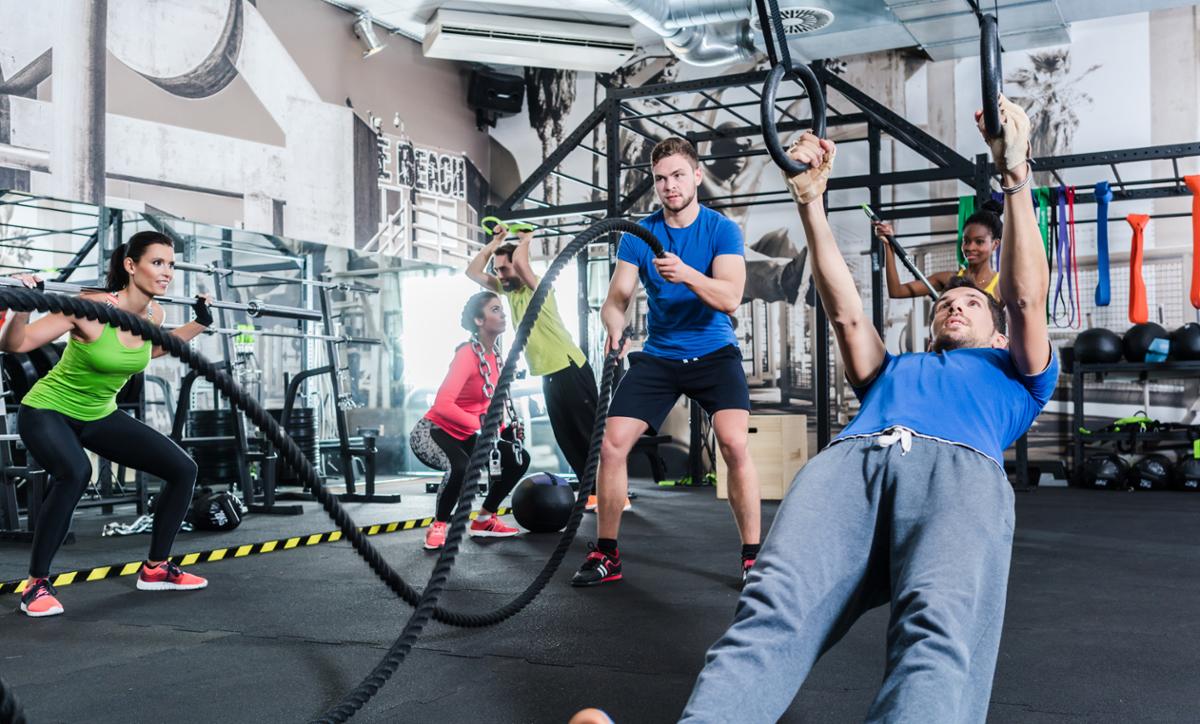
Upskilling should be down to both employer and employee / photo: Shutterstock / Kzenon
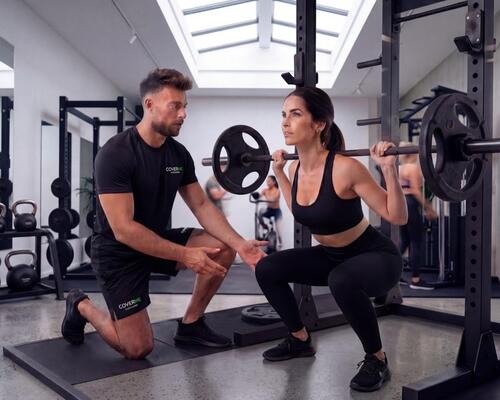
Available funding for apprenticeships are currently underutilised / photo: Shutterstock / wavebreakmedia
CoverMe, the global leader in fitness workforce management, today launches CoverMe PT, an
on-demand personal training platform that connects the right personal trainer to the right
client in under 10 seconds. [more...]
Active Blackpool is deploying Cornerstone Connect, a new digital interface allowing
disparate information from multiple systems to be aggregated into one dataset, to support
its focus on reducing health inequalities and improving healthy life expectancy. [more...]
+ More featured suppliers
COMPANY PROFILES
Alliance Leisure
Alliance Leisure Services was specifically
established to respond to the changing
development need [more...]
IndigoFitness
At IndigoFitness, we create intelligent training spaces that elevate fitness facilities across indus [more...]
Patrickson says the industry needs to offer clearer career pathways / photo: Active IQ
What’s the purpose of the 2024 Skills Gap Report? We have a lot of anecdotal feedback around the state of education and the workforce situation within our sector and we wanted to have some concrete evidence as to the lay of the land.
We also wanted to give learners a voice and understand their perspective. As an awarding organisation, our direct customers are training providers, while fitness professionals are once removed, so we wanted to find out about the issues they’re facing and their views on the opportunities in the sector.
What were the findings? They confirmed what we were aware of: health clubs, gyms and leisure centres are struggling to find people with the right skills to fill roles, especially to deal with the increasingly diverse range of members.
Year on year, since the pandemic, there’s been a decline in the number of people being certified and there are less people coming into the sector looking for a career – plus the churn is too high. In addition, employers who are taking people on and then not supporting them in their continuing professional development or not upskilling them, are seeing the most churn.
Where are the skills shortfalls and is the training fit for purpose? I think it is fit for purpose: we have training up to level four. Despite this, many fitness professionals don’t feel skilled enough to work with people with disabilities, or those with an injury or a health issue. They also report feeling that they lack the necessary skills to manage their own businesses and to find and retain clients. Business skills are included in qualifications now, but they weren’t 10 years ago.
Responsibility for upskilling people lies with both the employer and the employee, even with a self-employed model. If an employer thinks that someone can enter a role with the breadth of skills, knowledge and behaviour they need for their business right from the off, then they’re wrong. The qualification is just the start of the journey. Employers are responsible for upskilling team members while employees are responsible for becoming lifelong learners.
Are there enough career progression opportunities in the sector? We received feedback about the lack of progression opportunities in the sector, but I think this is more about perception than reality, because training opportunities and progression opportunities do exist – this is something CIMSPA has been working on. We also work with Future Fit to create bespoke management qualifications and career opportunities to allow people to move into management.
However, having such a large proportion of the industry unable to see a career pathway is a clear call to action for employers, awarding bodies and training providers to increase the visibility of career progression while also highlighting success cases. Development of CPD also needs to be paired with a clearly communicated path explaining how careers can be advanced as skills are developed.
The industry needs to do a better job of marketing its own opportunities and ensure it’s seen as an attractive option for potential employees and taken seriously as a career choice.
Is anybody making recommendations about pay and benefits and contracts? This is one of the issues we’ve been banging the drum about for years, along with CIMSPA, EMD and UK Active. One of the problems after the pandemic was that it was a candidate’s world in terms of jobs and opportunities and other sectors offered better pay.
Is cost a barrier to companies investing in training? It doesn’t have to be. If an organisation sets up its own academy, or works with a training provider and if it’s clever with how it bolts on CPD to qualifications it doesn’t have to break the bank.
One opportunity that’s being missed is apprenticeships. We’ve had the same apprenticeships available for many years now and there’s no group within our operator environment blazing the trail to get new apprenticeships that join the link between healthcare and fitness. Employers with a pay bill of more than £3m are already paying an apprenticeship levy, so there are many benefits for the development of new apprenticeships, otherwise this levy will get wasted.
The higher the apprenticeship level goes, the higher the wage that goes with it and the higher the funding. The apprenticeship levy can also be used for other types of training as well, so there’s a massive opportunity for employers to fund training for their workforce.
How prepared are we in terms of trends, such as training people who are on weight loss medications? In terms of weight loss medication support, we’ve been speaking to Dane Vishnubala, our chief medical advisor, and he feels this needs medical research, so there’s no quick fix. However, it’s possible that we could provide training that’s online and non-regulated, but accredited and delivered by someone like Dane who has a medical background.
That would be the fastest and safest way of delivering that bolt-on, because getting a programme of learning regulated through the government structure takes many months.
Insurers can be more squeamish about non-regulated qualifications, however, so that’s something we would need to check.
Who is doing training well? We’re working with a number of employers in the UK, including David Lloyd, Virgin Active and Freedom Leisure, who either have academies or are in the process of setting them up.
They’re taking the core qualification, knowledge and skills that are essential to their roles, and building their own culture, ethos and values into the training. One of our private training providers has also bolted on CPD from The Well HQ on women’s health, so they’re already thinking outside of the box in terms of adding value.
Key takeaways from Active IQ’s 2024 Skills Gap Report
✼ 20 per cent of fitness professionals feel there are plenty of opportunities for career progression
✼ 52 per cent of fitness professionals feel improving their business skills would make it easier to be successful
✼ 41 per cent feel unprepared to help those with chronic illnesses
✼ 60 per cent of fitness professionals feel they don’t have enough knowledge in injury prevention or treatment to assist clients
✼ The number of certifications being completed is decreasing
✼ 32 per cent of fitness professionals feel they do not have the required skills and education to train customers across various areas of diversity
✼ 43 per cent of respondents believe there are limited or no opportunities to develop and progress their careers
✼ The skills gap is being exacerbated by technological advancements, shifts in consumer behaviour, evolving health and wellbeing trends and an increased awareness of diversity and holistic health
✼ 42 per cent of gyms and leisure centres have fitness instructor vacancies
✼ Beyond injury, 35 per cent of fitness professionals feel it is difficult to customise for those with physical disabilities
✼ 45 per cent of fitness professionals feel they haven’t received enough training on how menstruation and menopause can impact physical and mental wellbeing goals
Upskilling should be down to both employer and employee / photo: Shutterstock / Kzenon
Available funding for apprenticeships are currently underutilised / photo: Shutterstock / wavebreakmedia
An ambitious women’s-only strength and lifting studio concept is set to launch in Dallas this
September, with a wider US rollout already in active development.
Finnish outdoor fitness equipment specialist, Omnigym, has partnered with charity, Emmaüs
Solidarité, to launch an outdoor gym installation at a homeless shelter in Paris.
People taking GLP-1 weight loss medications such as Ozempic, Wegovy, Mounjaro and Zepbound
may be losing weight, but they’re also becoming less physically active, according to new
research presented at the ENDO 2026 annual meeting of the Endocrine Society
CoverMe, the global leader in fitness workforce management, today launches CoverMe PT, an
on-demand personal training platform that connects the right personal trainer to the right
client in under 10 seconds. [more...]
Active Blackpool is deploying Cornerstone Connect, a new digital interface allowing
disparate information from multiple systems to be aggregated into one dataset, to support
its focus on reducing health inequalities and improving healthy life expectancy. [more...]
+ More featured suppliers
COMPANY PROFILES
Alliance Leisure Alliance Leisure Services was specifically
established to respond to the changing
development need [more...]