Now we have the tools to test for biological age, research protocols that were traditionally based on chronological age must be adjusted, or studies will never accurately reflect the impact of exercise
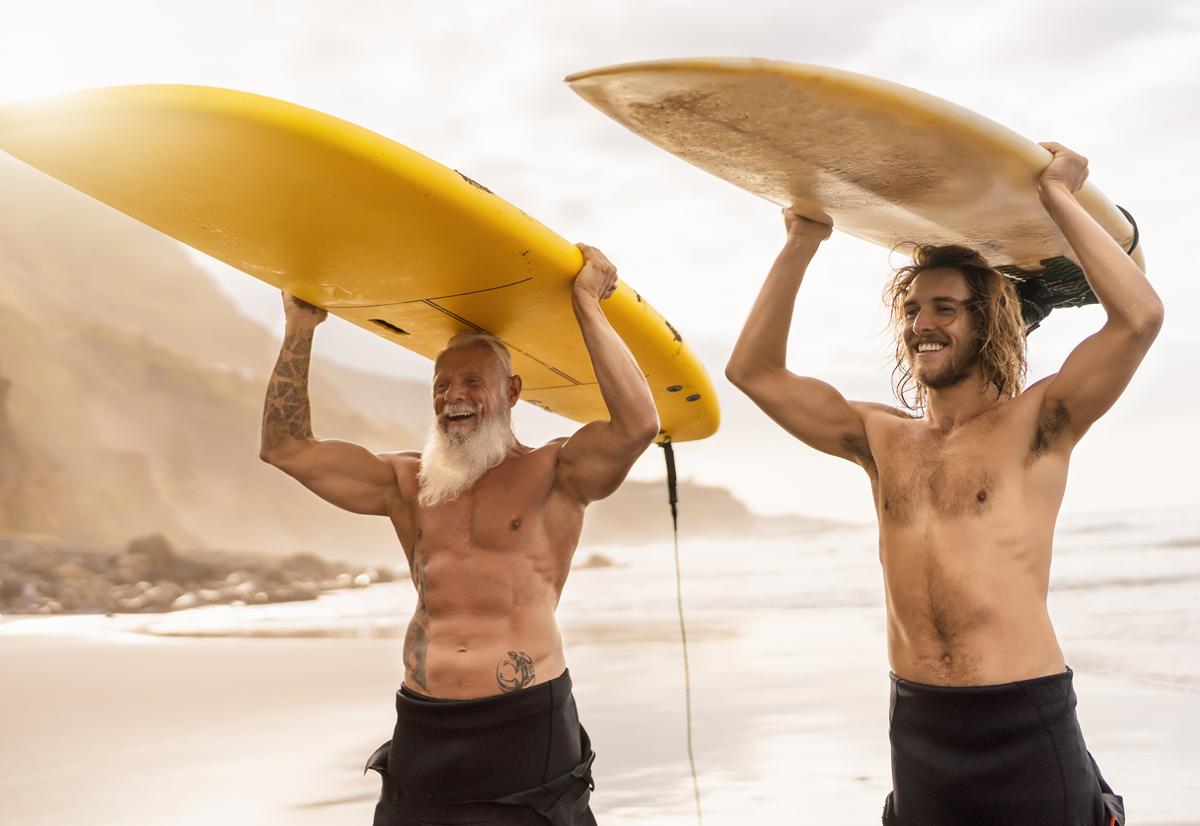
Chronological age is no longer a valid measure / photo: shutterstock/AlessandroBiascioli
So many incredible tools are coming on stream that allow us to measure fitness levels and the effects of exercise on the body and these have the potential to create a much more powerful evidence base for the sector than we have at present.
The aim is to be able to answer every question asked by every policy-maker when it comes to the efficacy of what we do and the impact our work has on the health of the population.
Doing this is so critical to the future success of the fitness, health and wellness sector that it’s important to acknowledge a growing disconnect between the functional gathering of data through things such as state-of-the-art scanning, epigenetic testing and fitness technology and our ability to deliver accurate research in this area of study.
There are two fundamental reasons for this widening chasm. The first is the (now well known) issue of gender bias in physiological research, which has seen women and girls routinely excluded from study samples over many decades.
Research has traditionally been male-only, or male-biased, meaning females and their specific needs have simply not been understood and we need to keep up the fight against this undermining practice.
But another cause for concern is emerging around research which is based on age, because – due to our increasing ability to measure biological age – it’s becoming clear that this major variable is skewing research studies.
Decades ago, banding and researching people by chronological age made perfect sense because there was no alternative, but now we have these tools, it’s time to figure out how we reinvent and refine the research base that describes our sector to take this factor into account.
Studies need to be done which assess people by their biological rather than chronological age to give true-to-life outcomes, rather than results which are questionable in terms of accuracy.
We want to see leading researchers and academic institutions committing to overhauling the research protocols they use to underpin their work, so biological age is the basis for studies and we have a new set of standards to guide this work.
Until researchers can tell us how our health outcomes are affected by our biological age, the results of most studies will not reflect reality.
Once this change has been implemented and new standards are in place, the impact of exercise on health and longevity will be more fully understood.
CoverMe, the global leader in fitness workforce management, today launches CoverMe PT, an
on-demand personal training platform that connects the right personal trainer to the right
client in under 10 seconds. [more...]
Active Blackpool is deploying Cornerstone Connect, a new digital interface allowing
disparate information from multiple systems to be aggregated into one dataset, to support
its focus on reducing health inequalities and improving healthy life expectancy. [more...]
+ More featured suppliers
COMPANY PROFILES
PSLT Ltd
PSLT Fitness Solutions manufacture, remanufacture and buy back commercial gym equipment. [more...]
Now we have the tools to test for biological age, research protocols that were traditionally based on chronological age must be adjusted, or studies will never accurately reflect the impact of exercise
Chronological age is no longer a valid measure / photo: shutterstock/AlessandroBiascioli
So many incredible tools are coming on stream that allow us to measure fitness levels and the effects of exercise on the body and these have the potential to create a much more powerful evidence base for the sector than we have at present.
The aim is to be able to answer every question asked by every policy-maker when it comes to the efficacy of what we do and the impact our work has on the health of the population.
Doing this is so critical to the future success of the fitness, health and wellness sector that it’s important to acknowledge a growing disconnect between the functional gathering of data through things such as state-of-the-art scanning, epigenetic testing and fitness technology and our ability to deliver accurate research in this area of study.
There are two fundamental reasons for this widening chasm. The first is the (now well known) issue of gender bias in physiological research, which has seen women and girls routinely excluded from study samples over many decades.
Research has traditionally been male-only, or male-biased, meaning females and their specific needs have simply not been understood and we need to keep up the fight against this undermining practice.
But another cause for concern is emerging around research which is based on age, because – due to our increasing ability to measure biological age – it’s becoming clear that this major variable is skewing research studies.
Decades ago, banding and researching people by chronological age made perfect sense because there was no alternative, but now we have these tools, it’s time to figure out how we reinvent and refine the research base that describes our sector to take this factor into account.
Studies need to be done which assess people by their biological rather than chronological age to give true-to-life outcomes, rather than results which are questionable in terms of accuracy.
We want to see leading researchers and academic institutions committing to overhauling the research protocols they use to underpin their work, so biological age is the basis for studies and we have a new set of standards to guide this work.
Until researchers can tell us how our health outcomes are affected by our biological age, the results of most studies will not reflect reality.
Once this change has been implemented and new standards are in place, the impact of exercise on health and longevity will be more fully understood.
An ambitious women’s-only strength and lifting studio concept is set to launch in Dallas this
September, with a wider US rollout already in active development.
Finnish outdoor fitness equipment specialist, Omnigym, has partnered with charity, Emmaüs
Solidarité, to launch an outdoor gym installation at a homeless shelter in Paris.
People taking GLP-1 weight loss medications such as Ozempic, Wegovy, Mounjaro and Zepbound
may be losing weight, but they’re also becoming less physically active, according to new
research presented at the ENDO 2026 annual meeting of the Endocrine Society
CoverMe, the global leader in fitness workforce management, today launches CoverMe PT, an
on-demand personal training platform that connects the right personal trainer to the right
client in under 10 seconds. [more...]
Active Blackpool is deploying Cornerstone Connect, a new digital interface allowing
disparate information from multiple systems to be aggregated into one dataset, to support
its focus on reducing health inequalities and improving healthy life expectancy. [more...]
+ More featured suppliers
COMPANY PROFILES
PSLT Ltd PSLT Fitness Solutions manufacture, remanufacture and buy back commercial gym equipment. [more...]