Half an hour of exercise can increase the proportion of tumour-killing white blood cells in the bloodstream of breast cancer patients, according to a recent study from Finland
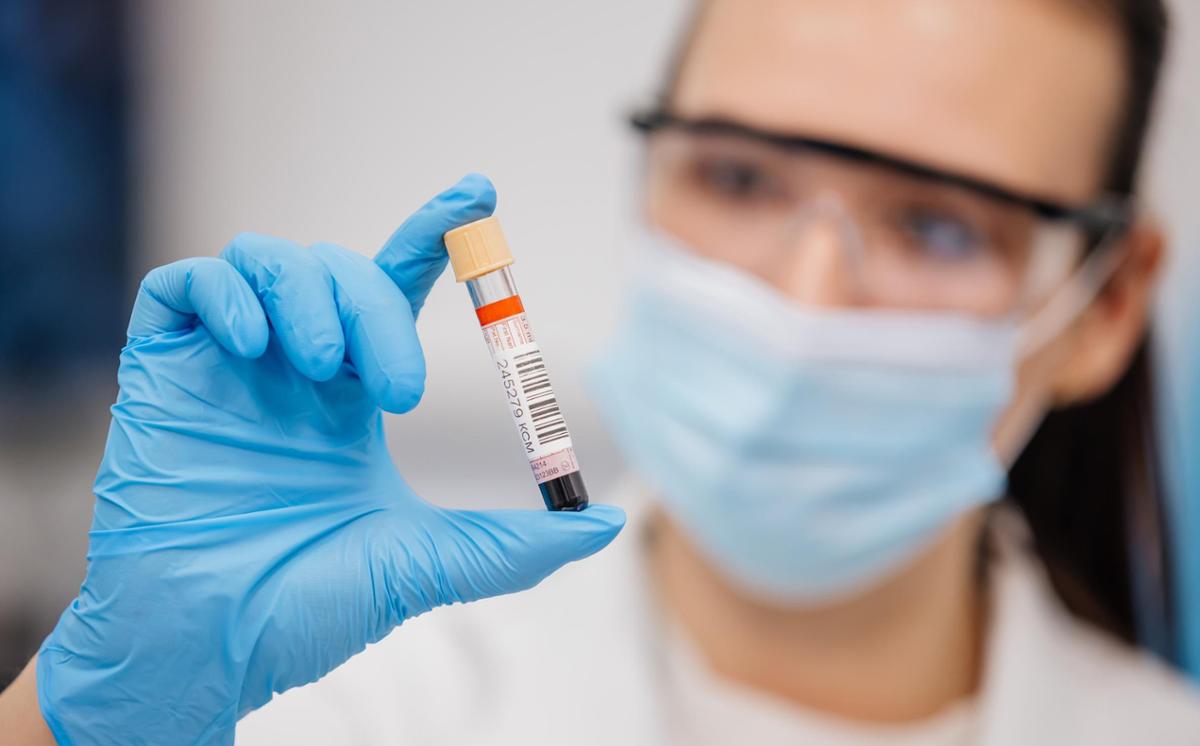
Half an hour of exercise boosts cancer-killing white blood cells / photo: Shutterstock/wedmoments.stock
Researchers at the University of Turku studied 20 breast cancer patients who had just been diagnosed and not yet started their cancer treatments. The patients pedaled a bicycle ergometer for 30 minutes at a resistance of their own choosing. Blood samples were taken from the patients at rest before the pedaling, during the exercise and after the exercise.
Blood contains many different types of white blood cells, some of which are cancer-destroying while some promote cancer. Analysis showed that the blood cell type which increased the most during exercise were the cancer-destroying cytotoxic T Cells and natural killer cells. In contrast, the number of cancer-promoting regulatory T cells and myeloid derived suppressor cells did not change.
More killer cells The researchers also examined the proportions of different white blood cell types relative to the total white blood cell count, and found that the proportion of natural killer cells increased significantly, while the proportion of myeloid derived suppressor cells decreased.
“The balance of different types of white blood cells determines whether the immune system works to destroy cancer or to support it. If there are more cancer-destroying cells than cancer-promoting cells in the tumor area, the body is more capable of fighting cancer,” says lead author, doctoral researcher, Tiia Koivula.
“We found that during the exercise, the number and proportion of cancer-destroying cells increases in the bloodstream, while the proportion of cancer-promoting cells either stays the same or decreases.”
It is still unclear whether these changes seen in the bloodstream also lead to changes in the white blood cell counts in the tumour area. In this study, almost all white blood cell types decreased back to resting values one hour after the exercise.
Researchers were not certain where the white blood cells go after exercise, but in pre-clinical studies, cancer-destroying cells have been seen to migrate into the tumour area.
“According to current knowledge, it is beneficial for all cancer patients to exercise, and our recent study supports this,” Koivula says.
CoverMe, the global leader in fitness workforce management, today launches CoverMe PT, an
on-demand personal training platform that connects the right personal trainer to the right
client in under 10 seconds. [more...]
Active Blackpool is deploying Cornerstone Connect, a new digital interface allowing
disparate information from multiple systems to be aggregated into one dataset, to support
its focus on reducing health inequalities and improving healthy life expectancy. [more...]
Half an hour of exercise can increase the proportion of tumour-killing white blood cells in the bloodstream of breast cancer patients, according to a recent study from Finland
Half an hour of exercise boosts cancer-killing white blood cells / photo: Shutterstock/wedmoments.stock
Researchers at the University of Turku studied 20 breast cancer patients who had just been diagnosed and not yet started their cancer treatments. The patients pedaled a bicycle ergometer for 30 minutes at a resistance of their own choosing. Blood samples were taken from the patients at rest before the pedaling, during the exercise and after the exercise.
Blood contains many different types of white blood cells, some of which are cancer-destroying while some promote cancer. Analysis showed that the blood cell type which increased the most during exercise were the cancer-destroying cytotoxic T Cells and natural killer cells. In contrast, the number of cancer-promoting regulatory T cells and myeloid derived suppressor cells did not change.
More killer cells The researchers also examined the proportions of different white blood cell types relative to the total white blood cell count, and found that the proportion of natural killer cells increased significantly, while the proportion of myeloid derived suppressor cells decreased.
“The balance of different types of white blood cells determines whether the immune system works to destroy cancer or to support it. If there are more cancer-destroying cells than cancer-promoting cells in the tumor area, the body is more capable of fighting cancer,” says lead author, doctoral researcher, Tiia Koivula.
“We found that during the exercise, the number and proportion of cancer-destroying cells increases in the bloodstream, while the proportion of cancer-promoting cells either stays the same or decreases.”
It is still unclear whether these changes seen in the bloodstream also lead to changes in the white blood cell counts in the tumour area. In this study, almost all white blood cell types decreased back to resting values one hour after the exercise.
Researchers were not certain where the white blood cells go after exercise, but in pre-clinical studies, cancer-destroying cells have been seen to migrate into the tumour area.
“According to current knowledge, it is beneficial for all cancer patients to exercise, and our recent study supports this,” Koivula says.
An ambitious women’s-only strength and lifting studio concept is set to launch in Dallas this
September, with a wider US rollout already in active development.
Finnish outdoor fitness equipment specialist, Omnigym, has partnered with charity, Emmaüs
Solidarité, to launch an outdoor gym installation at a homeless shelter in Paris.
People taking GLP-1 weight loss medications such as Ozempic, Wegovy, Mounjaro and Zepbound
may be losing weight, but they’re also becoming less physically active, according to new
research presented at the ENDO 2026 annual meeting of the Endocrine Society
CoverMe, the global leader in fitness workforce management, today launches CoverMe PT, an
on-demand personal training platform that connects the right personal trainer to the right
client in under 10 seconds. [more...]
Active Blackpool is deploying Cornerstone Connect, a new digital interface allowing
disparate information from multiple systems to be aggregated into one dataset, to support
its focus on reducing health inequalities and improving healthy life expectancy. [more...]