Consumers’ growing love of strength training is to be welcomed, as this long-neglected modality has a renaissance, however, it’s vital we continue to make the case for cardio
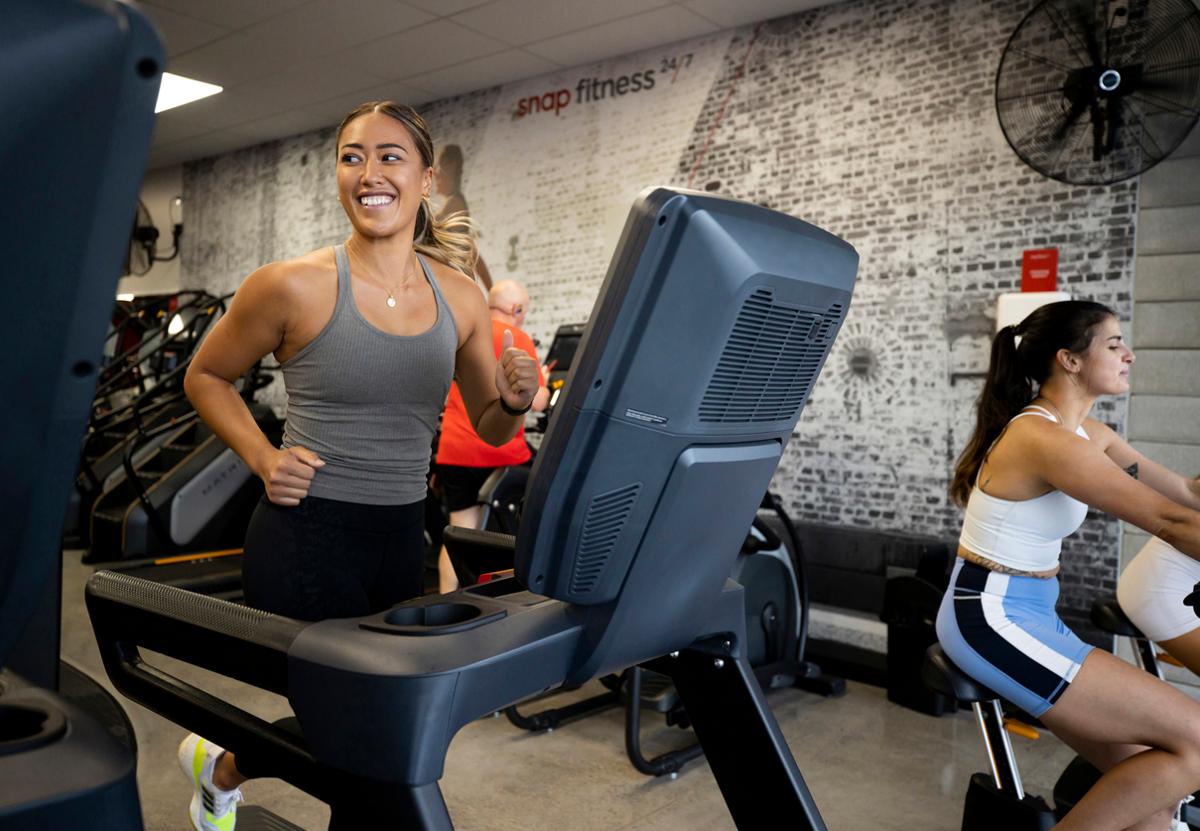
Cardio is the most important exercise for good health / photo: lift brands
It’s exciting to see the rise and rise of strength training – particularly among women, many of whom have traditionally avoided resistance training, very much to their detriment.
The volumes of research being published bear out the power of strength training to extend healthspan and bring all sorts of benefits, from falls prevention in older age to increased bone density and a reduction in injuries.
Everywhere you look, operators are ‘rebalancing’ the gym floor, taking out cardio and adding resistance training.
This strength trend is partly being driven by social media influencers who find it more straightforward to ‘pose and post’ to their feeds from strength equipment than from cardio – it’s easier to sit on a bench and connect with your followers than to do it from a treadmill, for example.
It’s fascinating that a factor as basic as this is helping drive demand, but that’s the power of social media.
However, in our headlong rush to embrace the strength trend, are we losing sight of our role in delivering on the optimum exercise equation?
Our duty of care to our customers is to give them ‘best advice’ and ensure they have access to expertise and specialist equipment and yet the current trend towards strength training at the expense of other forms of exercise is seeing that contract breaking down.
Cardiorespiratory and cardiovascular fitness are vital to health and if we go along with the strength trend unquestioningly without making a case to our members for a balanced workout, we’re doing them a disservice.
When it comes to exercise, the ideal mix includes strength, cardio, flexibility/mobility and skill and if any of these elements gets overlooked, the outcomes will be less than optimal and – worse – injury may occur.
Our job as experts in exercise has always been to guide our members to achieve the best balance in their workouts, but the increasing dearth of staff on the gym floor and the cost of personal training has created a vacuum into which social media influencers have stepped and in many cases you could argue that consumers’ loyalty and respect lies more with them now than with our own industry experts. No wonder we lose half our customers every year.
We’d argue that operators need to oversee members’ workouts to ensure they’re balanced and safe and to champion cardio as a vital part of the mix.
If you need any more convincing, our research report in this issue (page 108) has found that cardiorespiratory fitness is probably the most important type of fitness for good health and that it reduces premature death and incidents of disease by a significant margin.
Active Blackpool is deploying Cornerstone Connect, a new digital interface allowing
disparate information from multiple systems to be aggregated into one dataset, to support
its focus on reducing health inequalities and improving healthy life expectancy. [more...]
CoverMe, the global leader in fitness workforce management, today launches CoverMe PT, an
on-demand personal training platform that connects the right personal trainer to the right
client in under 10 seconds. [more...]
Consumers’ growing love of strength training is to be welcomed, as this long-neglected modality has a renaissance, however, it’s vital we continue to make the case for cardio
Cardio is the most important exercise for good health / photo: lift brands
It’s exciting to see the rise and rise of strength training – particularly among women, many of whom have traditionally avoided resistance training, very much to their detriment.
The volumes of research being published bear out the power of strength training to extend healthspan and bring all sorts of benefits, from falls prevention in older age to increased bone density and a reduction in injuries.
Everywhere you look, operators are ‘rebalancing’ the gym floor, taking out cardio and adding resistance training.
This strength trend is partly being driven by social media influencers who find it more straightforward to ‘pose and post’ to their feeds from strength equipment than from cardio – it’s easier to sit on a bench and connect with your followers than to do it from a treadmill, for example.
It’s fascinating that a factor as basic as this is helping drive demand, but that’s the power of social media.
However, in our headlong rush to embrace the strength trend, are we losing sight of our role in delivering on the optimum exercise equation?
Our duty of care to our customers is to give them ‘best advice’ and ensure they have access to expertise and specialist equipment and yet the current trend towards strength training at the expense of other forms of exercise is seeing that contract breaking down.
Cardiorespiratory and cardiovascular fitness are vital to health and if we go along with the strength trend unquestioningly without making a case to our members for a balanced workout, we’re doing them a disservice.
When it comes to exercise, the ideal mix includes strength, cardio, flexibility/mobility and skill and if any of these elements gets overlooked, the outcomes will be less than optimal and – worse – injury may occur.
Our job as experts in exercise has always been to guide our members to achieve the best balance in their workouts, but the increasing dearth of staff on the gym floor and the cost of personal training has created a vacuum into which social media influencers have stepped and in many cases you could argue that consumers’ loyalty and respect lies more with them now than with our own industry experts. No wonder we lose half our customers every year.
We’d argue that operators need to oversee members’ workouts to ensure they’re balanced and safe and to champion cardio as a vital part of the mix.
If you need any more convincing, our research report in this issue (page 108) has found that cardiorespiratory fitness is probably the most important type of fitness for good health and that it reduces premature death and incidents of disease by a significant margin.
An ambitious women’s-only strength and lifting studio concept is set to launch in Dallas this
September, with a wider US rollout already in active development.
Finnish outdoor fitness equipment specialist, Omnigym, has partnered with charity, Emmaüs
Solidarité, to launch an outdoor gym installation at a homeless shelter in Paris.
People taking GLP-1 weight loss medications such as Ozempic, Wegovy, Mounjaro and Zepbound
may be losing weight, but they’re also becoming less physically active, according to new
research presented at the ENDO 2026 annual meeting of the Endocrine Society
Active Blackpool is deploying Cornerstone Connect, a new digital interface allowing
disparate information from multiple systems to be aggregated into one dataset, to support
its focus on reducing health inequalities and improving healthy life expectancy. [more...]
CoverMe, the global leader in fitness workforce management, today launches CoverMe PT, an
on-demand personal training platform that connects the right personal trainer to the right
client in under 10 seconds. [more...]