Members are telling us they need support with their mental and spiritual health and the industry is starting to see this need. Now’s the time to fast-track our response
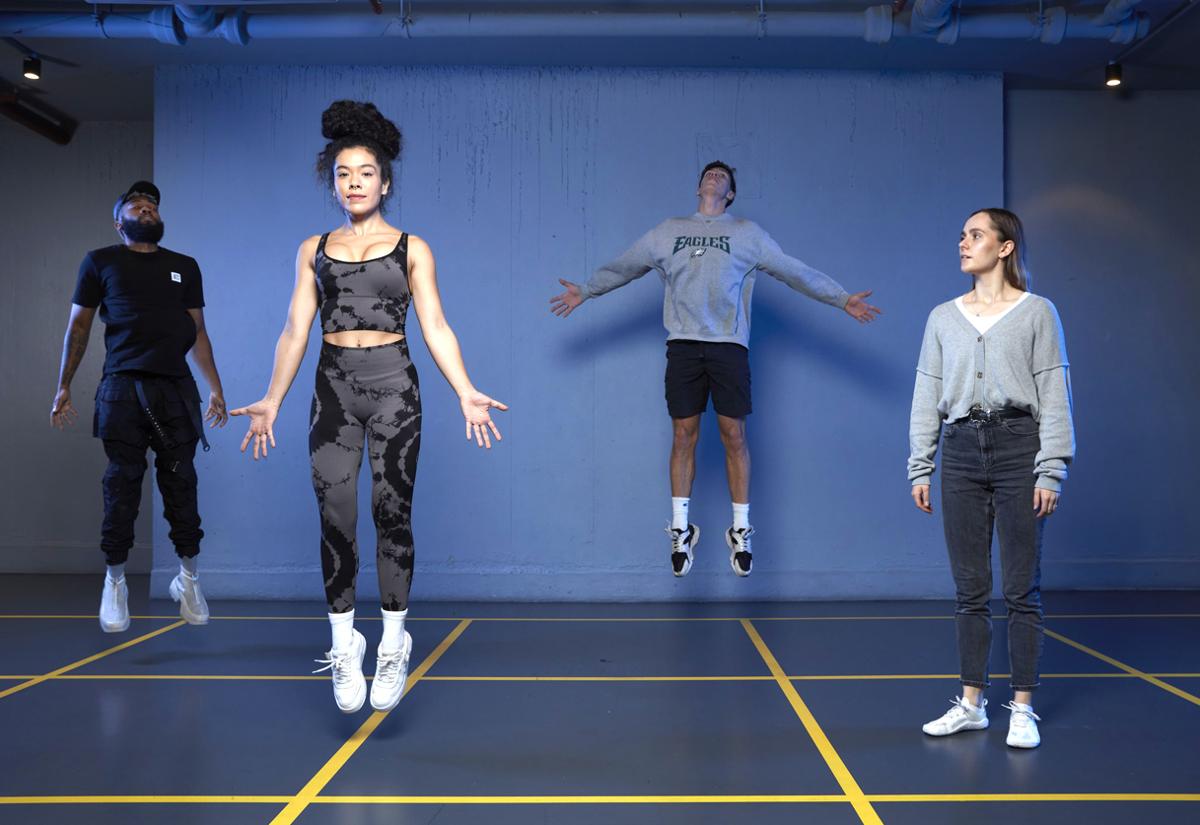
The Gymbox ‘Weight lifted’ class uses therapeutic tremoring / photo: gymbox
Insight is telling us the pandemic has prompted permanent changes to consumers’ aspirations and lifestyle choices, with health – especially mental and spiritual – now a significant priority for the majority.
We’re increasingly hearing that the main reason people are joining health clubs is to support their mind, as well as their body and in this issue of HCM we dive into the subject, exploring ways the industry can support members in their aspirations to be more whole, balanced and well in this Stressazoic Era.
This change in priorities from ‘how I look’, to ‘how I feel’ is a huge shift that’s taking us ever closer to the health sector, with all the opportunities that brings for partnerships: it’s about ‘mind, body and spirit’ rather than an obsession with physical perfection.
The challenge is meeting customers where they are with services that exceed expectations, in ways that are sustainable operationally and focused on prevention.
On page 62 Kath Hudson reports from an excellent ACE (American Council on Exercise) summit on mental health, sharing insights into key areas of support for both staff and members, along with the science.
We also talk to our panel of experts about the opportunities that exist to upskill the workforce to deliver preventative mental health support (page 54).
Interventions can take the form of programming – as developed by Gymbox, with its ‘Weight lifted’ classes that use therapeutic tremoring (page 58) and The Soma Space, that delivers trauma-informed weightlifting (page 57), while there are also examples of new courses from the John W Brick Mental Health Foundation and Mental Health & Exercise Coaching (page 59).
As EMDR psychotherapist and personal trainer Andrew Keefe says, “the idea that there’s a distinction between physical health and mental health is completely arbitrary and I encourage colleagues on both sides to talk to each other more, because there’s an enormous amount to gain. Eventually I’d like us to get to a point where we don’t have PTs and psychotherapists, but one training that incorporates both the body and the mind.”
We’d like to see qualifying bodies embrace this approach and integrate disciplines to create a new style of mind/body training, so the sector can take the lead in delivering mental health support in a de-medicalised setting.
Fundamentally, this must be as a preventative measure, as health clubs are not an appropriate setting for serious mental health interventions, but – just as we have spent decades advocating prevention for physical health – now is the time to do so for mental health too.
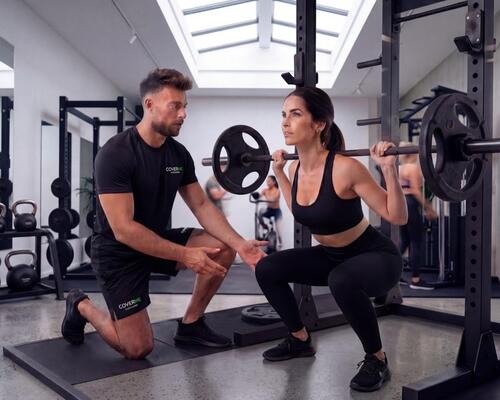
CoverMe, the global leader in fitness workforce management, today launches CoverMe PT, an
on-demand personal training platform that connects the right personal trainer to the right
client in under 10 seconds. [more...]
Active Blackpool is deploying Cornerstone Connect, a new digital interface allowing
disparate information from multiple systems to be aggregated into one dataset, to support
its focus on reducing health inequalities and improving healthy life expectancy. [more...]
Members are telling us they need support with their mental and spiritual health and the industry is starting to see this need. Now’s the time to fast-track our response
The Gymbox ‘Weight lifted’ class uses therapeutic tremoring / photo: gymbox
Insight is telling us the pandemic has prompted permanent changes to consumers’ aspirations and lifestyle choices, with health – especially mental and spiritual – now a significant priority for the majority.
We’re increasingly hearing that the main reason people are joining health clubs is to support their mind, as well as their body and in this issue of HCM we dive into the subject, exploring ways the industry can support members in their aspirations to be more whole, balanced and well in this Stressazoic Era.
This change in priorities from ‘how I look’, to ‘how I feel’ is a huge shift that’s taking us ever closer to the health sector, with all the opportunities that brings for partnerships: it’s about ‘mind, body and spirit’ rather than an obsession with physical perfection.
The challenge is meeting customers where they are with services that exceed expectations, in ways that are sustainable operationally and focused on prevention.
On page 62 Kath Hudson reports from an excellent ACE (American Council on Exercise) summit on mental health, sharing insights into key areas of support for both staff and members, along with the science.
We also talk to our panel of experts about the opportunities that exist to upskill the workforce to deliver preventative mental health support (page 54).
Interventions can take the form of programming – as developed by Gymbox, with its ‘Weight lifted’ classes that use therapeutic tremoring (page 58) and The Soma Space, that delivers trauma-informed weightlifting (page 57), while there are also examples of new courses from the John W Brick Mental Health Foundation and Mental Health & Exercise Coaching (page 59).
As EMDR psychotherapist and personal trainer Andrew Keefe says, “the idea that there’s a distinction between physical health and mental health is completely arbitrary and I encourage colleagues on both sides to talk to each other more, because there’s an enormous amount to gain. Eventually I’d like us to get to a point where we don’t have PTs and psychotherapists, but one training that incorporates both the body and the mind.”
We’d like to see qualifying bodies embrace this approach and integrate disciplines to create a new style of mind/body training, so the sector can take the lead in delivering mental health support in a de-medicalised setting.
Fundamentally, this must be as a preventative measure, as health clubs are not an appropriate setting for serious mental health interventions, but – just as we have spent decades advocating prevention for physical health – now is the time to do so for mental health too.
An ambitious women’s-only strength and lifting studio concept is set to launch in Dallas this
September, with a wider US rollout already in active development.
Finnish outdoor fitness equipment specialist, Omnigym, has partnered with charity, Emmaüs
Solidarité, to launch an outdoor gym installation at a homeless shelter in Paris.
People taking GLP-1 weight loss medications such as Ozempic, Wegovy, Mounjaro and Zepbound
may be losing weight, but they’re also becoming less physically active, according to new
research presented at the ENDO 2026 annual meeting of the Endocrine Society
CoverMe, the global leader in fitness workforce management, today launches CoverMe PT, an
on-demand personal training platform that connects the right personal trainer to the right
client in under 10 seconds. [more...]
Active Blackpool is deploying Cornerstone Connect, a new digital interface allowing
disparate information from multiple systems to be aggregated into one dataset, to support
its focus on reducing health inequalities and improving healthy life expectancy. [more...]