With NICE recommending stroke victims undergo three hours of rehab a day, there’s an opportunity for the sector to step in as a key provider, finds Vicky Kiernander
The number of people surviving stroke is increasing and more people are living for longer with a disability. / photo: University of Strathclyde
New National Institute for Health and Care Excellence (NICE) guidelines in the UK recommend stroke patients receive at least three hours of rehabilitation a day, five days a week. This is a dramatic increase from previous guidance of 45 minutes a day.
However, evidence shows that patients only receive around 14 minutes of physiotherapy a day.
Experts have welcomed the new guidance but question how feasible it will be for a stretched health service to deliver.
The impact of stroke can be profound and the months immediately after a stroke are key to recovery. Is this an opportunity for the health and fitness sector to demonstrate its ‘pivot to health’ by providing high quality stroke rehabilitation in the community? Can we be part of the solution?
Dr Andy Kerr
Senior lecturer, biomedical engineering,
University of Strathclyde
The number of people surviving stroke is increasing and more people are living for longer with a disability.
We know the more rehab someone does after a stroke in terms of both volume and intensity, the better their outcomes and that the first three to six months after stroke is critical to recovery. However, most people receive minimal rehabilitation as therapists struggle to meet demand.
On a typical hospital ward, there may be two therapists for 40 or more stroke patients and when patients are discharged, their homes are often not suitable for rehab work, so therapists are limited to the exercises they can prescribe.
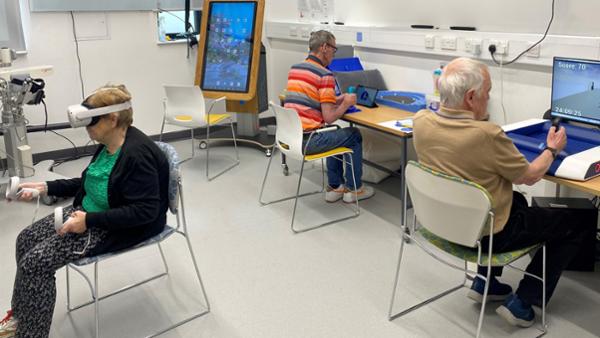
In recognition of the challenge, for the last three years, the University of Strathclyde has been pioneering technology-based stroke rehabilitation. We run an eight-week programme from our technology-enriched rehabilitation hub to address the motor, cognitive and communication impairments caused by stroke. People also use the gym for two to three hours, multiple times a week.
Users tell us they feel safe, supported and confident. The attendance rate for the programme is approximately 85 per cent and it’s proven so popular that we have a waiting list.
Based on the success of the scheme, we’ve launched a rehabilitation hub at the stroke unit at University Hospital Wishaw with the support of NHS Lanarkshire. The hub is equipped with integrated technology, including VR treadmills, power-assisted equipment, balance trainers and upper-limb training systems, and also incorporates gamification, such as VR puzzles and problem-solving activities.
We’ve launched a rehabilitation hub equipped with VR treadmills, power-assisted equipment, balance trainers and upper-limb training systems
Instead of sitting in bed for hours, patients can use the hub under supervision five days a week, while benefiting from the encouragement of their peers and the social interaction of working in a group – something the health and fitness sector knows all about.
I’d love to see this model replicated in fitness facilities across the UK. They have the space, the exercise expertise and many staff are already trained to understand stroke. Unfortunately, they are often still perceived as places for the fit and healthy and it takes a very confident person post stroke to walk into a gym with their frame and get onto an exercise bike.
I’d like operators to engage with people post-stroke to find out how best they can support them. This could happen in smaller spaces with adapted equipment and ceiling hoists so they can perform balance work.
• For tips on how to set up a hub in your area, email [email protected]
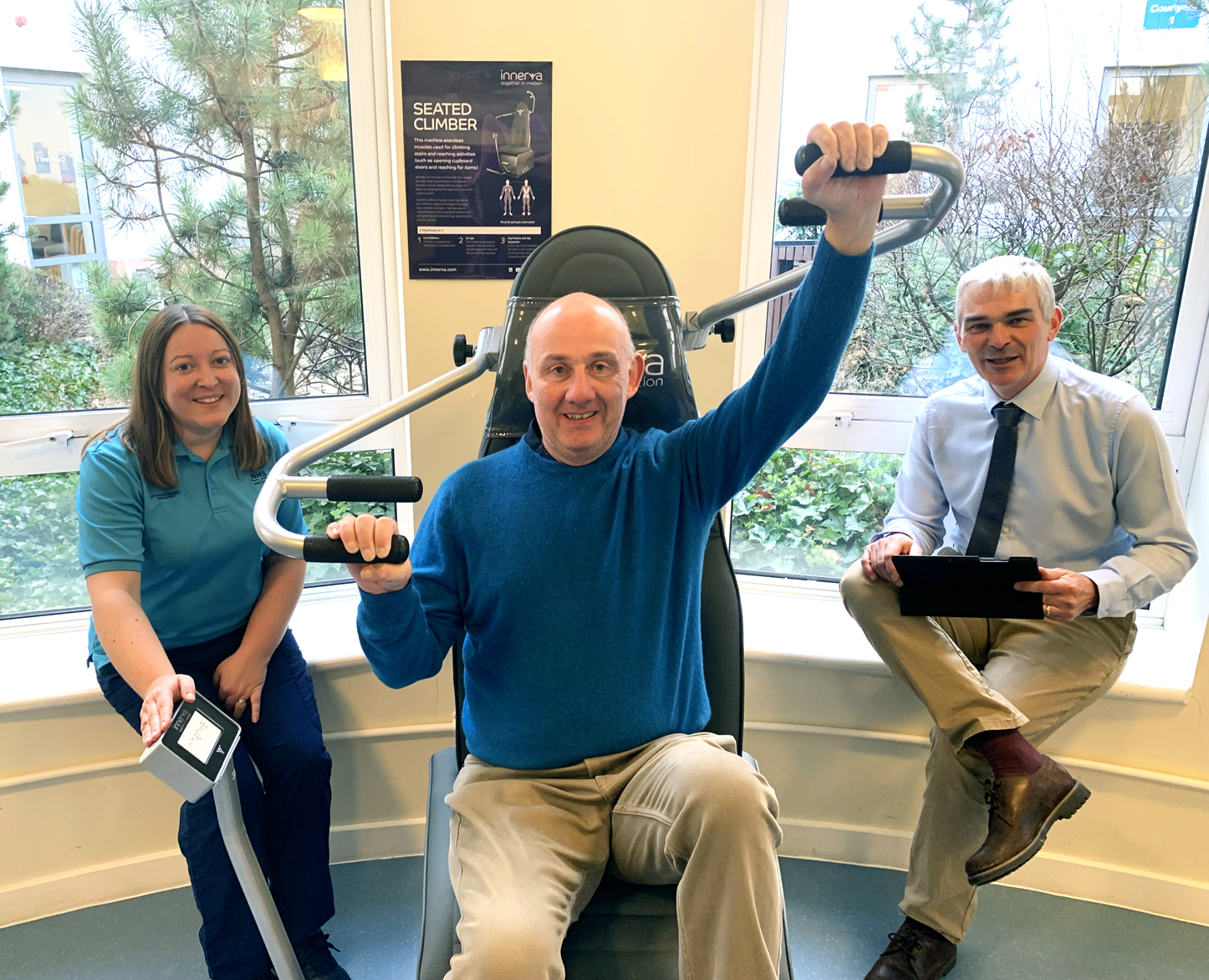
Andy Kerr (right) with Gillian Sweeney and Stephen Stewart, stroke survivor / photo: University of Strathclyde
Ian Shorley-Harlow
Health improvement coordinator,
Lincs Inspire
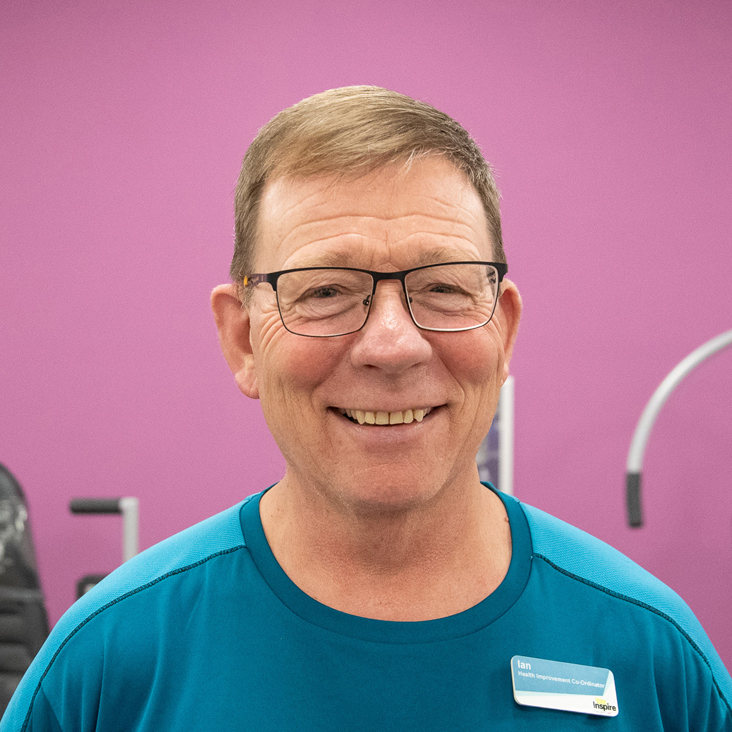
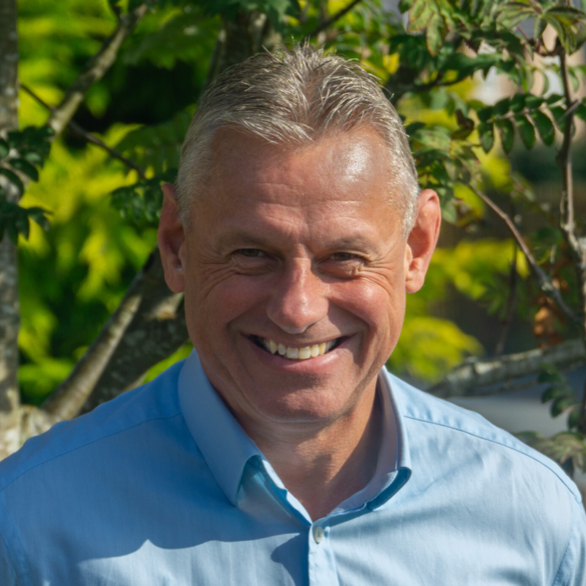
photo: Lincs Inspire
As a charitable trust, we exist for people of all ages and abilities – with and without health conditions. Driven by customer need, we work with the health sector to support people’s health and to embed services in our leisure centres. As such, we do a lot of work to support the rehabilitation of stroke survivors.
Our Active Forever referral scheme is a collaboration between the leisure and healthcare sectors and offers flexible, tailored programmes to suit clients at every stage of their rehabilitation journey.
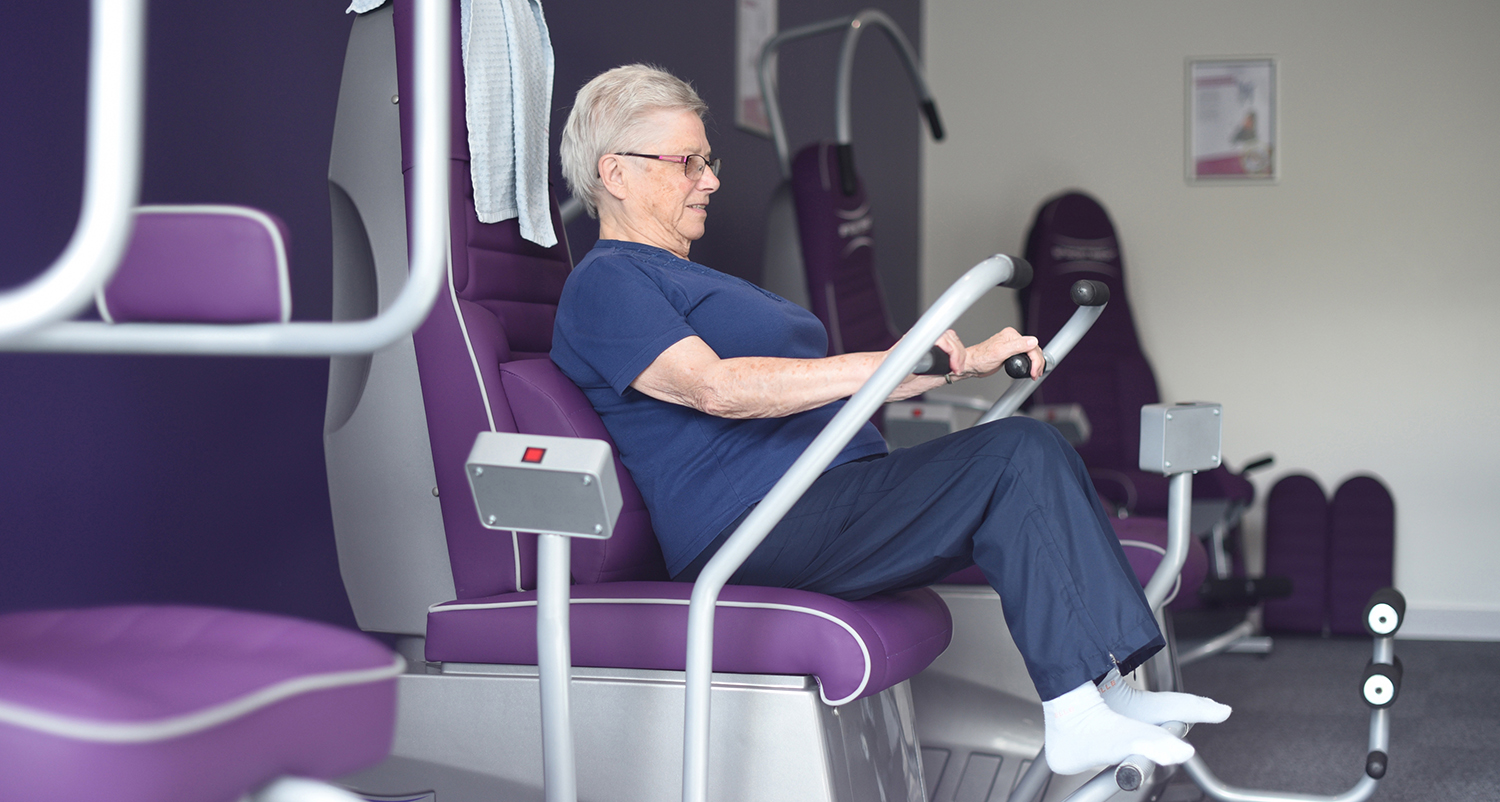
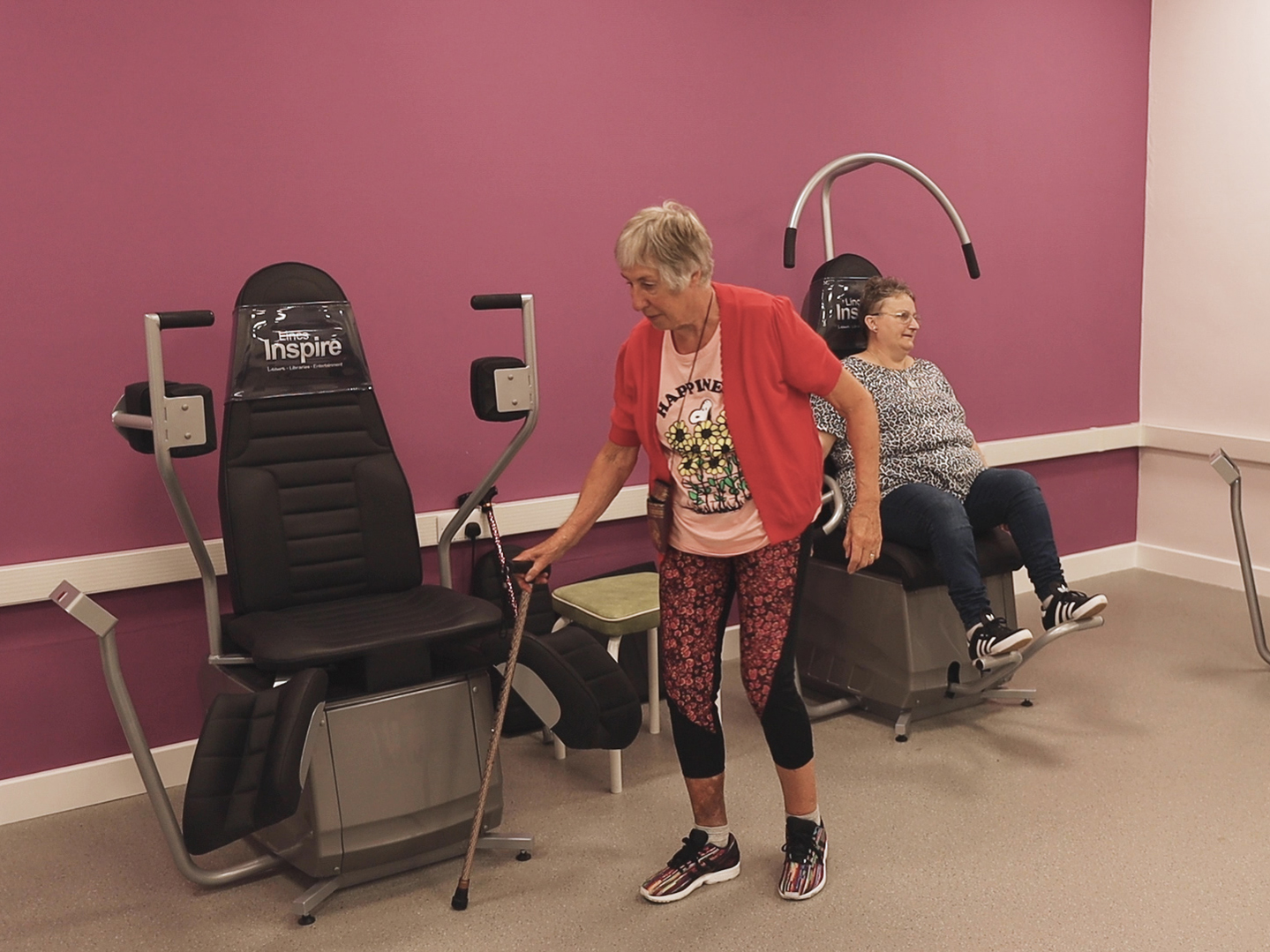
The 12-week scheme includes access to Innerva’s power-assisted equipment in our Wellness Hub at Grimsby Health and Wellbeing Centre, as well as gym classes, swimming and more.
When working with health professionals, we’ve found sometimes you have to give a little to get something back. For example, we offer free studio space to allow specialist neurological nurses to run their chair-based rehabilitation programme.
Thanks to the relationship and trust we’ve built with the team, 90 per cent of their clients transfer into our Wellness Hub after completing the programme.
We continually upskill our staff to give them the knowledge and confidence to engage with people with a range of health conditions, including stroke survivors.
Our health partners often deliver the training, which gives them the confidence we can deliver specialist services and support their work.
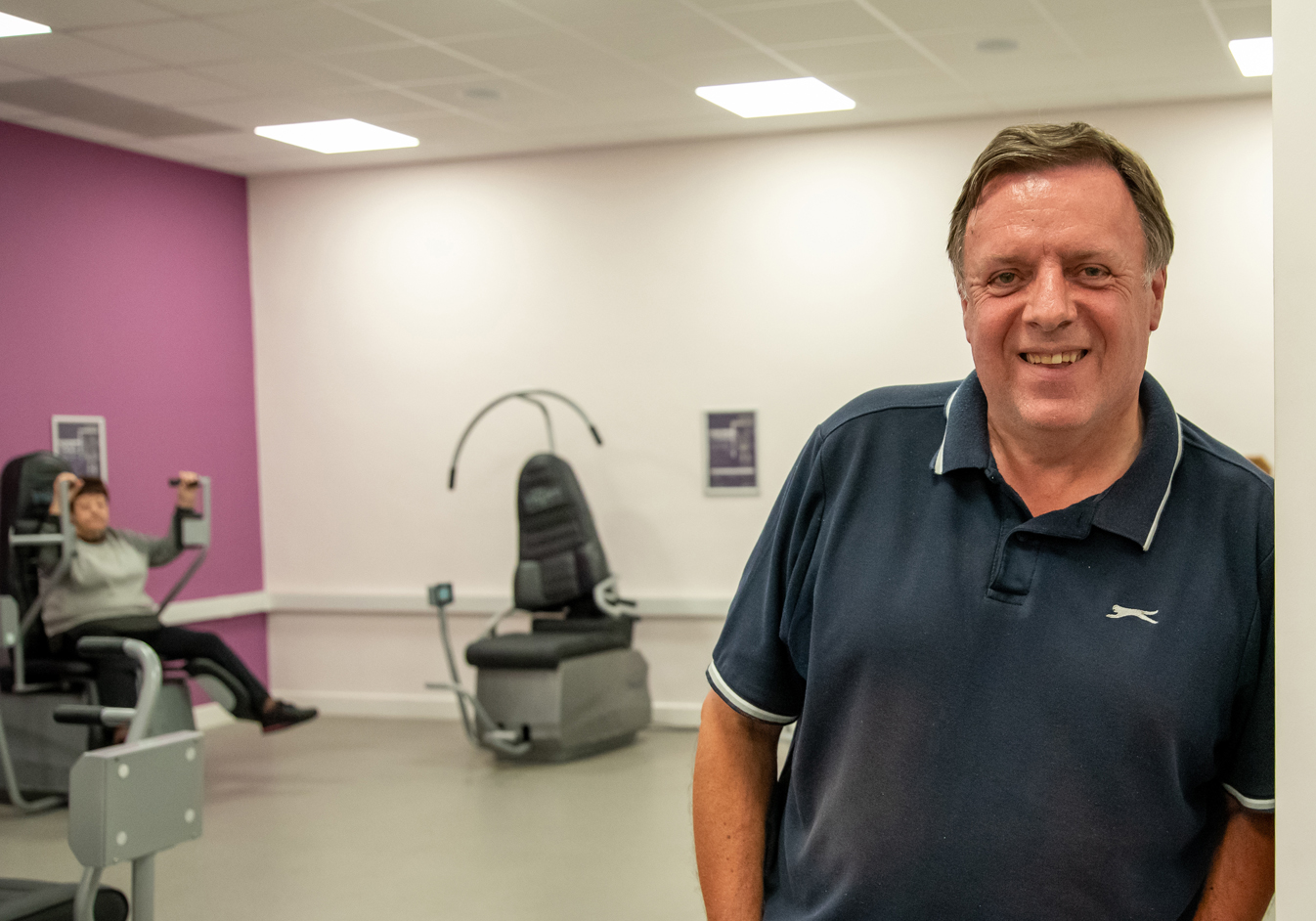
We know our programmes positively impact people’s lives and help reduce referral rates for the NHS and primary care services. For example, we’ve been supporting the recovery of the former professional snooker player, Mike Hallett, after he suffered a stroke.
Ranked world number six in the late 80s and early 90s, Mike was referred by his GP to the Active Forever scheme and has been using our Wellness Hub to rebuild his strength and coordination.
He’s made great progress and aims to get fit enough to qualify for the 2024 World Seniors Snooker Championship.
Mike Hallett is one of the many success stories which show that the health and fitness sector has the potential to help achieve the latest NICE guidelines. But it takes time to build trust and confidence with the health sector; it’s taken us 10 years to get our work commissioned by health partners.
We offer free studio space to allow specialist neurological nurses to run their chair-based rehabilitation programme
We’re definitely part of the solution, but we’re just one step in a customer’s rehabilitation journey. It’s worth noting that the cost of accessing these services can be a barrier and while we do our best to unlock grant funding to support our work with stroke survivors and others, there’s little to no mainstream funding to help those from low income households.
Cost often prevents people from continuing with our services after they’ve completed the free Active Forever programme.
For all the benefits they offer and their potential to help lower the burden on the NHS, programmes like these shouldn’t be cost-prohibitive and they urgently need more government funding in order to achieve their potential.
In an ageing society where more people are living longer in ill-health, we believe the government should fund community health initiatives such as Active Forever which can profoundly impact the lives of local people.
It’s taken us 10 years to get our work commissioned by health partners
The 12-week programme gives access to Innerva’s power-assisted equipment / photo: Innerva
The cost for patients to access gym programmes should not be a barrier / photo: Lincs Inspire
Ex-pro snooker player Mike Hallett has been exercising post-stroke / photo: Lincs Inspire
Rachel Young
Neurological physiotherapist and associate lecturer,
Sheffield Hallam University
photo: Sheffield Hallam University
The NICE guidelines of three hours are not the first to recommend extensive rehabilitation. The National Clinical Guidance for Stroke launched in March 2023 and advised six hours of activity a day, which may include activities of daily living, communication and exercise.
Both guidelines sent a ripple through the stroke community, as providers don’t have the workforce to meet these new recommendations. Technology, in the form of accessible exercise equipment, apps and wearables has to be part of the solution if we’re to have any hope of meeting the guidelines.
Nationally, we have a big gap in provision when it comes to supporting people with stroke after they’re discharged from hospital. Often, they have nowhere to go to exercise – most find accessing a conventional gym challenging and for some it’s impossible.
Between 60 and 70 per cent of people with stroke have some form of motor impairment, while 20-30 per cent of these have very limited mobility and are wheelchair-dependent. Even if people don’t have a physical impairment, they may have issues with word-finding, written information or their vision and will find it too intimidating to venture into their local gym.
Health and fitness operators could help bridge this gap by creating smaller exercise spaces – the size of a squash court or smaller – featuring accessible and adaptive equipment.
Ideally these spaces should be easy to access, close to the reception and not tucked away down long corridors.
Nationally, we have a big gap in provision when it comes to supporting people with stroke after they’re discharged from hospital
A qualified physiotherapist could lead the initial session before handing over to Level 2/3 trained fitness professionals with experience of special populations, who are trained in moving and handling.
Research into the use of Innerva’s power-assisted exercise equipment for people with complex neurological impairment shows that this type of equipment is safe and accessible for people with stroke, as well as MS, traumatic brain injuries and other conditions. More than this, people enjoy using the equipment. There was a 96 per cent attendance rate among research participants, which is unusually high, as the normal attendance rate in this type of study is 70-80 per cent. In addition, the research found that power-assisted exercise improved people’s quality of life and aided their longer-term recovery.
Supporting stroke victims could be a significant opportunity for fitness operators. To succeed, they need to engage with local stroke service providers, find space to accommodate people with stroke and seek out team members who want to lead and champion this work.
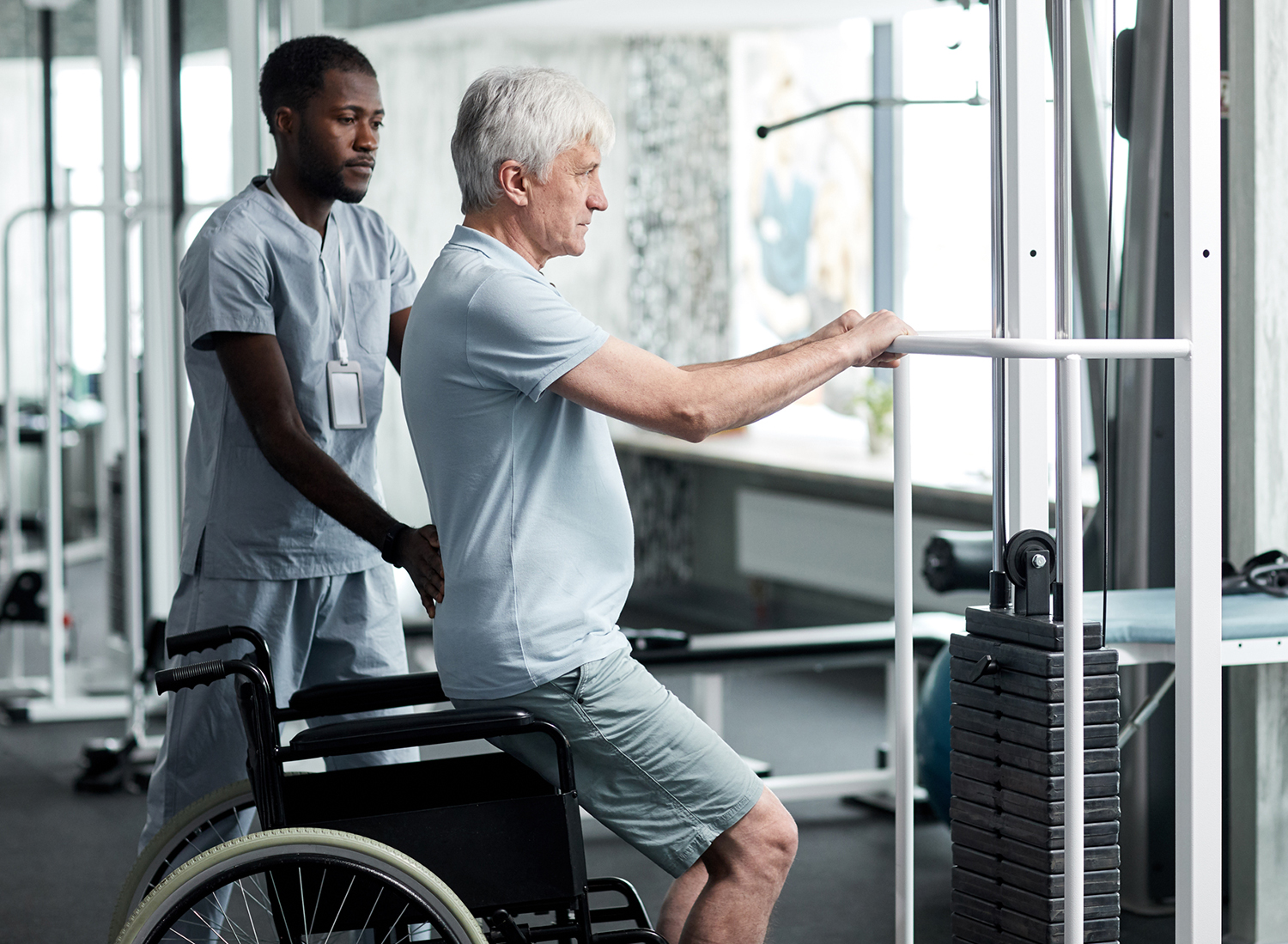
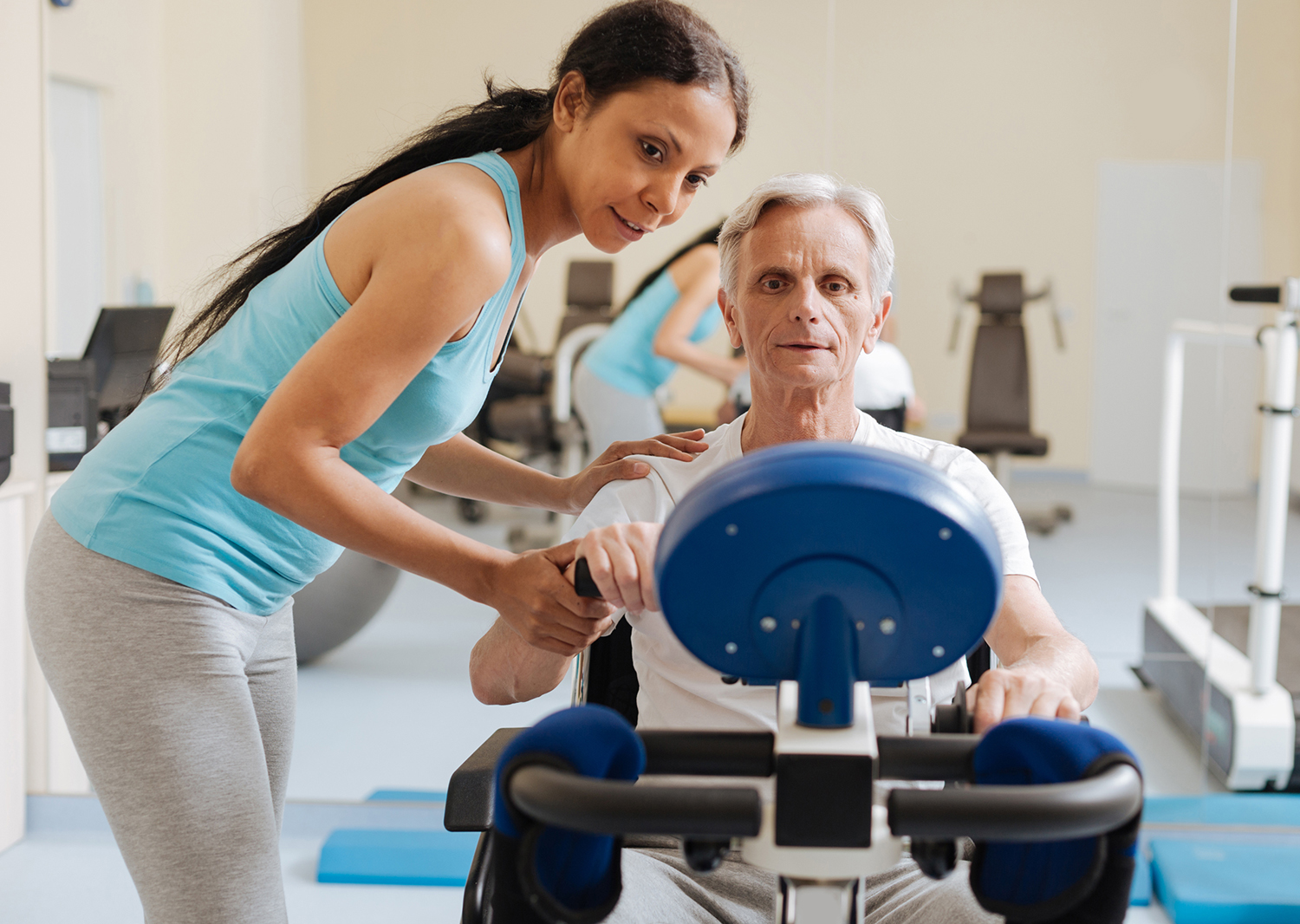
Stroke victims need easy access to the gym space / photo: Shutterstock / SeventyFour
Andy King
Chair, GM Active and Director, Miova
photo: Miova
The health and fitness sector has the potential to play a crucial role in supporting the NHS to deliver the new NICE guidelines for stroke rehabilitation. Offering a community-based approach via health clubs and leisure centres can address many of the issues associated with clinical settings to provide a more flexible and accessible solution.
Unlike clinical services with restricted hours and staff shortages, our facilities operate seven days a week, allowing for rehabilitation services to be available when it’s most convenient for patients.
We’re well-equipped to offer a diverse range of activities tailored to individual needs and our workforce is open to additional training and continuous professional development (CPD), ensuring staff are qualified to provide appropriate stroke rehabilitation services.
The success of initiatives such as Prehab4Cancer, which has received NHS recognition through the HSJ Awards, is testament to the viability of community-based models and operators are keen to emulate the success of programmes such as this.
Some chains have appointed people to lead their pivot to health, others are writing strategies because they want to address demand for the rehabilitation services the NHS is struggling to deliver.
However, for such collaboration to be effective, we need a shift in attitude. Rather than entering discussions with health bodies seeking financial support, we should adopt a collaborative and co-design approach. We need to understand the specific needs and constraints of our healthcare partners so we can co-create solutions.
If we concentrate on purpose, financial support is likely to follow.
Rather than entering discussions with health bodies seeking financial support, we should adopt a collaborative, co-design approach
The NHS is understaffed. Healthcare professionals often just don’t have the time or headspace to do anything differently, so we’ve got to do a lot of this thinking for them. We need to make it clear that we want to help and collaborate and we’re not just in it for what we can get out.
There’s an awful lot of talk about how we should be working with the health sector and understandably people get fed up with it. But I do believe things are starting to happen.
By fostering a culture of listening, understanding and problem-solving, we can position ourselves as a valuable partner in providing community-based rehabilitation services and supporting the NHS.
Longer gym hours make rehab services more available / photo: Shutterstock / YAKOBCHUK VIACHESLAV
Kim Leadbeater MP
MP for Batley and Spen and chair of the All-Party Parliamentary Group for Sport
I’ve always had a passion for physical activity, health and wellbeing.
I played hockey for 20 years and after graduating with a first class honours degree in health-related exercise and fitness, went on to lecture on the same course. I’ve also worked as a PT, wellbeing coach and group exercise instructor in community venues, so understand the mental and physical benefits of exercise and the social connection it offers people.
Back then, the fitness industry and medical health sector were completely disjointed, but thankfully, this is changing and the new NICE stroke guidelines present an opportunity for the two sectors to work more closely together to ease the burden on the NHS and help people live well for longer.
I’m a firm supporter of exercise in the community, whether that’s running clubs, walking groups or spaces for stroke rehabilitation. I visited the new Legacy Active Gold health and wellbeing studio at the Salvation Army Community Hall in Mirfield, which allows people of all abilities to work on their mobility, strength and overall health, while providing a social space to make exercise enjoyable with brilliant mental health benefits.
I’m passionate about social connection and can’t overstate the importance of exercise for mental health. We did a big piece of work for the Jo Cox Foundation on loneliness and social isolation, which resulted in the appointment of the world’s first minister for loneliness. People who have had a stroke can feel isolated and having safe places to exercise in their local community can benefit them hugely.
I’m using my role as a politician to get health and wellbeing front and centre of policy. As stated in my report, Healthy Britain, launched in March 2023, I believe we need a holistic, cross-departmental strategy for physical, mental and social wellbeing so we can embed health and wellbeing into all aspects of government policy.
People who’ve had a stroke can feel isolated and having safe places to exercise in their community can benefit them hugely
We also need greater cross-sector working across the voluntary, public and private sectors. The voluntary sector does great work propping up our communities, but how does this dovetail with the public and private sector? How can we get more fitness operators and sports clubs working with GPs and social prescribers? How can we ensure local businesses who want healthy and happy staff are part of the conversation?
Finally, there must be more focus on prevention and early intervention. We can’t wait for people to get sick; we have to work harder to keep them out of NHS services. If we can get these things right, everything else will follow.
I don’t believe we should tell people how to live their lives, but I do think we need to make it easier for them to make healthy choices. Providing safe spaces in the community where stroke survivors can continue their rehabilitation is just one example of that.
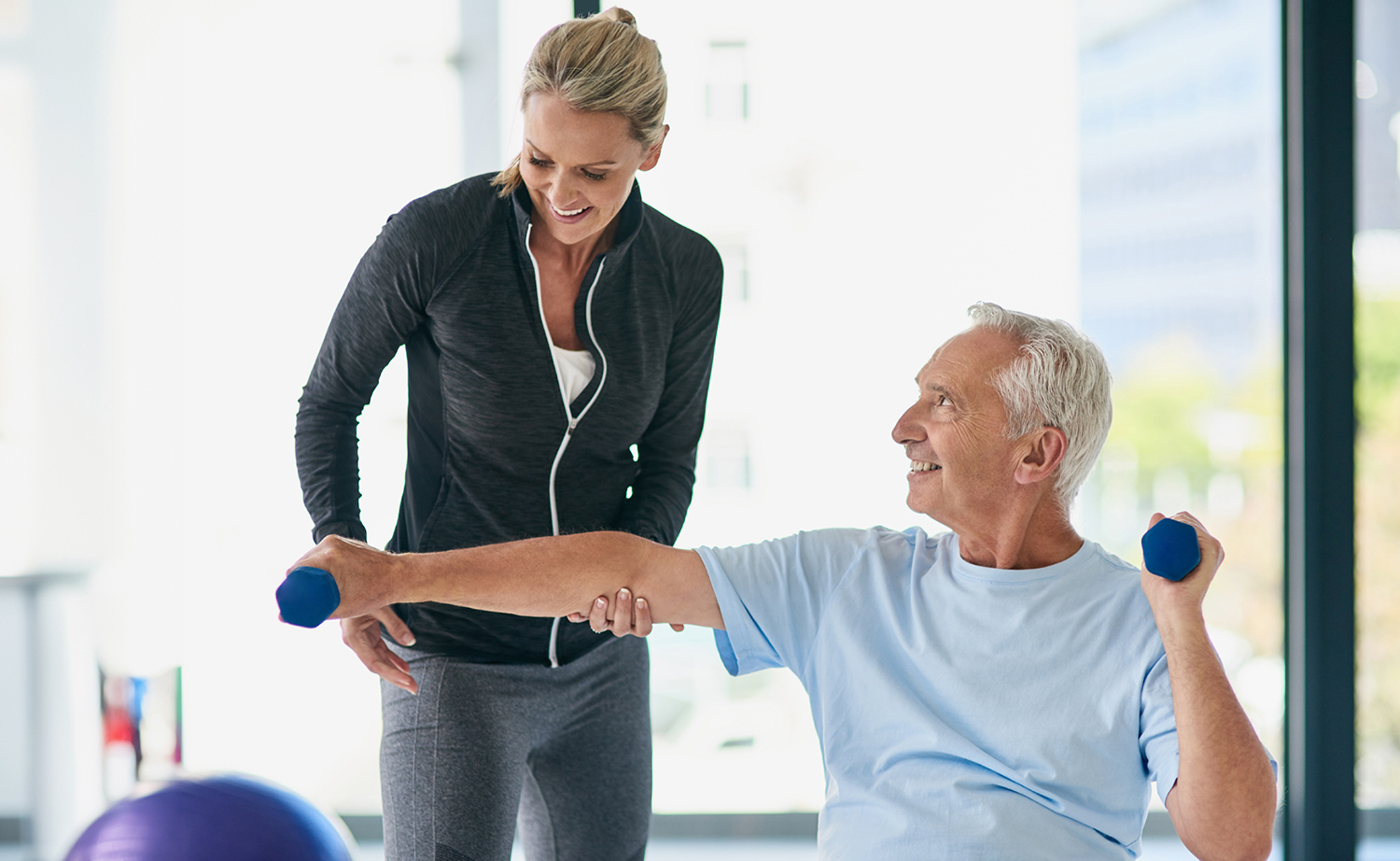
With the right support, people can recover better / photo: Shutterstock / PeopleImages.com - Yuri A
CoverMe, the global leader in fitness workforce management, today launches CoverMe PT, an
on-demand personal training platform that connects the right personal trainer to the right
client in under 10 seconds. [more...]
Active Blackpool is deploying Cornerstone Connect, a new digital interface allowing
disparate information from multiple systems to be aggregated into one dataset, to support
its focus on reducing health inequalities and improving healthy life expectancy. [more...]
With NICE recommending stroke victims undergo three hours of rehab a day, there’s an opportunity for the sector to step in as a key provider, finds Vicky Kiernander
The number of people surviving stroke is increasing and more people are living for longer with a disability. / photo: University of Strathclyde
New National Institute for Health and Care Excellence (NICE) guidelines in the UK recommend stroke patients receive at least three hours of rehabilitation a day, five days a week. This is a dramatic increase from previous guidance of 45 minutes a day.
However, evidence shows that patients only receive around 14 minutes of physiotherapy a day.
Experts have welcomed the new guidance but question how feasible it will be for a stretched health service to deliver.
The impact of stroke can be profound and the months immediately after a stroke are key to recovery. Is this an opportunity for the health and fitness sector to demonstrate its ‘pivot to health’ by providing high quality stroke rehabilitation in the community? Can we be part of the solution?
Dr Andy Kerr
Senior lecturer, biomedical engineering,
University of Strathclyde
The number of people surviving stroke is increasing and more people are living for longer with a disability.
We know the more rehab someone does after a stroke in terms of both volume and intensity, the better their outcomes and that the first three to six months after stroke is critical to recovery. However, most people receive minimal rehabilitation as therapists struggle to meet demand.
On a typical hospital ward, there may be two therapists for 40 or more stroke patients and when patients are discharged, their homes are often not suitable for rehab work, so therapists are limited to the exercises they can prescribe.
In recognition of the challenge, for the last three years, the University of Strathclyde has been pioneering technology-based stroke rehabilitation. We run an eight-week programme from our technology-enriched rehabilitation hub to address the motor, cognitive and communication impairments caused by stroke. People also use the gym for two to three hours, multiple times a week.
Users tell us they feel safe, supported and confident. The attendance rate for the programme is approximately 85 per cent and it’s proven so popular that we have a waiting list.
Based on the success of the scheme, we’ve launched a rehabilitation hub at the stroke unit at University Hospital Wishaw with the support of NHS Lanarkshire. The hub is equipped with integrated technology, including VR treadmills, power-assisted equipment, balance trainers and upper-limb training systems, and also incorporates gamification, such as VR puzzles and problem-solving activities.
We’ve launched a rehabilitation hub equipped with VR treadmills, power-assisted equipment, balance trainers and upper-limb training systems
Instead of sitting in bed for hours, patients can use the hub under supervision five days a week, while benefiting from the encouragement of their peers and the social interaction of working in a group – something the health and fitness sector knows all about.
I’d love to see this model replicated in fitness facilities across the UK. They have the space, the exercise expertise and many staff are already trained to understand stroke. Unfortunately, they are often still perceived as places for the fit and healthy and it takes a very confident person post stroke to walk into a gym with their frame and get onto an exercise bike.
I’d like operators to engage with people post-stroke to find out how best they can support them. This could happen in smaller spaces with adapted equipment and ceiling hoists so they can perform balance work.
• For tips on how to set up a hub in your area, email [email protected]
Andy Kerr (right) with Gillian Sweeney and Stephen Stewart, stroke survivor / photo: University of Strathclyde
Ian Shorley-Harlow
Health improvement coordinator,
Lincs Inspire
photo: Lincs Inspire
As a charitable trust, we exist for people of all ages and abilities – with and without health conditions. Driven by customer need, we work with the health sector to support people’s health and to embed services in our leisure centres. As such, we do a lot of work to support the rehabilitation of stroke survivors.
Our Active Forever referral scheme is a collaboration between the leisure and healthcare sectors and offers flexible, tailored programmes to suit clients at every stage of their rehabilitation journey.
The 12-week scheme includes access to Innerva’s power-assisted equipment in our Wellness Hub at Grimsby Health and Wellbeing Centre, as well as gym classes, swimming and more.
When working with health professionals, we’ve found sometimes you have to give a little to get something back. For example, we offer free studio space to allow specialist neurological nurses to run their chair-based rehabilitation programme.
Thanks to the relationship and trust we’ve built with the team, 90 per cent of their clients transfer into our Wellness Hub after completing the programme.
We continually upskill our staff to give them the knowledge and confidence to engage with people with a range of health conditions, including stroke survivors.
Our health partners often deliver the training, which gives them the confidence we can deliver specialist services and support their work.
We know our programmes positively impact people’s lives and help reduce referral rates for the NHS and primary care services. For example, we’ve been supporting the recovery of the former professional snooker player, Mike Hallett, after he suffered a stroke.
Ranked world number six in the late 80s and early 90s, Mike was referred by his GP to the Active Forever scheme and has been using our Wellness Hub to rebuild his strength and coordination.
He’s made great progress and aims to get fit enough to qualify for the 2024 World Seniors Snooker Championship.
Mike Hallett is one of the many success stories which show that the health and fitness sector has the potential to help achieve the latest NICE guidelines. But it takes time to build trust and confidence with the health sector; it’s taken us 10 years to get our work commissioned by health partners.
We offer free studio space to allow specialist neurological nurses to run their chair-based rehabilitation programme
We’re definitely part of the solution, but we’re just one step in a customer’s rehabilitation journey. It’s worth noting that the cost of accessing these services can be a barrier and while we do our best to unlock grant funding to support our work with stroke survivors and others, there’s little to no mainstream funding to help those from low income households.
Cost often prevents people from continuing with our services after they’ve completed the free Active Forever programme.
For all the benefits they offer and their potential to help lower the burden on the NHS, programmes like these shouldn’t be cost-prohibitive and they urgently need more government funding in order to achieve their potential.
In an ageing society where more people are living longer in ill-health, we believe the government should fund community health initiatives such as Active Forever which can profoundly impact the lives of local people.
It’s taken us 10 years to get our work commissioned by health partners
The 12-week programme gives access to Innerva’s power-assisted equipment / photo: Innerva
The cost for patients to access gym programmes should not be a barrier / photo: Lincs Inspire
Ex-pro snooker player Mike Hallett has been exercising post-stroke / photo: Lincs Inspire
Rachel Young
Neurological physiotherapist and associate lecturer,
Sheffield Hallam University
photo: Sheffield Hallam University
The NICE guidelines of three hours are not the first to recommend extensive rehabilitation. The National Clinical Guidance for Stroke launched in March 2023 and advised six hours of activity a day, which may include activities of daily living, communication and exercise.
Both guidelines sent a ripple through the stroke community, as providers don’t have the workforce to meet these new recommendations. Technology, in the form of accessible exercise equipment, apps and wearables has to be part of the solution if we’re to have any hope of meeting the guidelines.
Nationally, we have a big gap in provision when it comes to supporting people with stroke after they’re discharged from hospital. Often, they have nowhere to go to exercise – most find accessing a conventional gym challenging and for some it’s impossible.
Between 60 and 70 per cent of people with stroke have some form of motor impairment, while 20-30 per cent of these have very limited mobility and are wheelchair-dependent. Even if people don’t have a physical impairment, they may have issues with word-finding, written information or their vision and will find it too intimidating to venture into their local gym.
Health and fitness operators could help bridge this gap by creating smaller exercise spaces – the size of a squash court or smaller – featuring accessible and adaptive equipment.
Ideally these spaces should be easy to access, close to the reception and not tucked away down long corridors.
Nationally, we have a big gap in provision when it comes to supporting people with stroke after they’re discharged from hospital
A qualified physiotherapist could lead the initial session before handing over to Level 2/3 trained fitness professionals with experience of special populations, who are trained in moving and handling.
Research into the use of Innerva’s power-assisted exercise equipment for people with complex neurological impairment shows that this type of equipment is safe and accessible for people with stroke, as well as MS, traumatic brain injuries and other conditions. More than this, people enjoy using the equipment. There was a 96 per cent attendance rate among research participants, which is unusually high, as the normal attendance rate in this type of study is 70-80 per cent. In addition, the research found that power-assisted exercise improved people’s quality of life and aided their longer-term recovery.
Supporting stroke victims could be a significant opportunity for fitness operators. To succeed, they need to engage with local stroke service providers, find space to accommodate people with stroke and seek out team members who want to lead and champion this work.
Stroke victims need easy access to the gym space / photo: Shutterstock / SeventyFour
Andy King
Chair, GM Active and Director, Miova
photo: Miova
The health and fitness sector has the potential to play a crucial role in supporting the NHS to deliver the new NICE guidelines for stroke rehabilitation. Offering a community-based approach via health clubs and leisure centres can address many of the issues associated with clinical settings to provide a more flexible and accessible solution.
Unlike clinical services with restricted hours and staff shortages, our facilities operate seven days a week, allowing for rehabilitation services to be available when it’s most convenient for patients.
We’re well-equipped to offer a diverse range of activities tailored to individual needs and our workforce is open to additional training and continuous professional development (CPD), ensuring staff are qualified to provide appropriate stroke rehabilitation services.
The success of initiatives such as Prehab4Cancer, which has received NHS recognition through the HSJ Awards, is testament to the viability of community-based models and operators are keen to emulate the success of programmes such as this.
Some chains have appointed people to lead their pivot to health, others are writing strategies because they want to address demand for the rehabilitation services the NHS is struggling to deliver.
However, for such collaboration to be effective, we need a shift in attitude. Rather than entering discussions with health bodies seeking financial support, we should adopt a collaborative and co-design approach. We need to understand the specific needs and constraints of our healthcare partners so we can co-create solutions.
If we concentrate on purpose, financial support is likely to follow.
Rather than entering discussions with health bodies seeking financial support, we should adopt a collaborative, co-design approach
The NHS is understaffed. Healthcare professionals often just don’t have the time or headspace to do anything differently, so we’ve got to do a lot of this thinking for them. We need to make it clear that we want to help and collaborate and we’re not just in it for what we can get out.
There’s an awful lot of talk about how we should be working with the health sector and understandably people get fed up with it. But I do believe things are starting to happen.
By fostering a culture of listening, understanding and problem-solving, we can position ourselves as a valuable partner in providing community-based rehabilitation services and supporting the NHS.
Longer gym hours make rehab services more available / photo: Shutterstock / YAKOBCHUK VIACHESLAV
Kim Leadbeater MP
MP for Batley and Spen and chair of the All-Party Parliamentary Group for Sport
I’ve always had a passion for physical activity, health and wellbeing.
I played hockey for 20 years and after graduating with a first class honours degree in health-related exercise and fitness, went on to lecture on the same course. I’ve also worked as a PT, wellbeing coach and group exercise instructor in community venues, so understand the mental and physical benefits of exercise and the social connection it offers people.
Back then, the fitness industry and medical health sector were completely disjointed, but thankfully, this is changing and the new NICE stroke guidelines present an opportunity for the two sectors to work more closely together to ease the burden on the NHS and help people live well for longer.
I’m a firm supporter of exercise in the community, whether that’s running clubs, walking groups or spaces for stroke rehabilitation. I visited the new Legacy Active Gold health and wellbeing studio at the Salvation Army Community Hall in Mirfield, which allows people of all abilities to work on their mobility, strength and overall health, while providing a social space to make exercise enjoyable with brilliant mental health benefits.
I’m passionate about social connection and can’t overstate the importance of exercise for mental health. We did a big piece of work for the Jo Cox Foundation on loneliness and social isolation, which resulted in the appointment of the world’s first minister for loneliness. People who have had a stroke can feel isolated and having safe places to exercise in their local community can benefit them hugely.
I’m using my role as a politician to get health and wellbeing front and centre of policy. As stated in my report, Healthy Britain, launched in March 2023, I believe we need a holistic, cross-departmental strategy for physical, mental and social wellbeing so we can embed health and wellbeing into all aspects of government policy.
People who’ve had a stroke can feel isolated and having safe places to exercise in their community can benefit them hugely
We also need greater cross-sector working across the voluntary, public and private sectors. The voluntary sector does great work propping up our communities, but how does this dovetail with the public and private sector? How can we get more fitness operators and sports clubs working with GPs and social prescribers? How can we ensure local businesses who want healthy and happy staff are part of the conversation?
Finally, there must be more focus on prevention and early intervention. We can’t wait for people to get sick; we have to work harder to keep them out of NHS services. If we can get these things right, everything else will follow.
I don’t believe we should tell people how to live their lives, but I do think we need to make it easier for them to make healthy choices. Providing safe spaces in the community where stroke survivors can continue their rehabilitation is just one example of that.
With the right support, people can recover better / photo: Shutterstock / PeopleImages.com - Yuri A
An ambitious women’s-only strength and lifting studio concept is set to launch in Dallas this
September, with a wider US rollout already in active development.
Finnish outdoor fitness equipment specialist, Omnigym, has partnered with charity, Emmaüs
Solidarité, to launch an outdoor gym installation at a homeless shelter in Paris.
People taking GLP-1 weight loss medications such as Ozempic, Wegovy, Mounjaro and Zepbound
may be losing weight, but they’re also becoming less physically active, according to new
research presented at the ENDO 2026 annual meeting of the Endocrine Society
CoverMe, the global leader in fitness workforce management, today launches CoverMe PT, an
on-demand personal training platform that connects the right personal trainer to the right
client in under 10 seconds. [more...]
Active Blackpool is deploying Cornerstone Connect, a new digital interface allowing
disparate information from multiple systems to be aggregated into one dataset, to support
its focus on reducing health inequalities and improving healthy life expectancy. [more...]