Around 85 per cent of disease is epigenetic/preventable and exercise is one of the most effective ways of delivering prevention. Can the industry shout loudly enough about this to be heard?
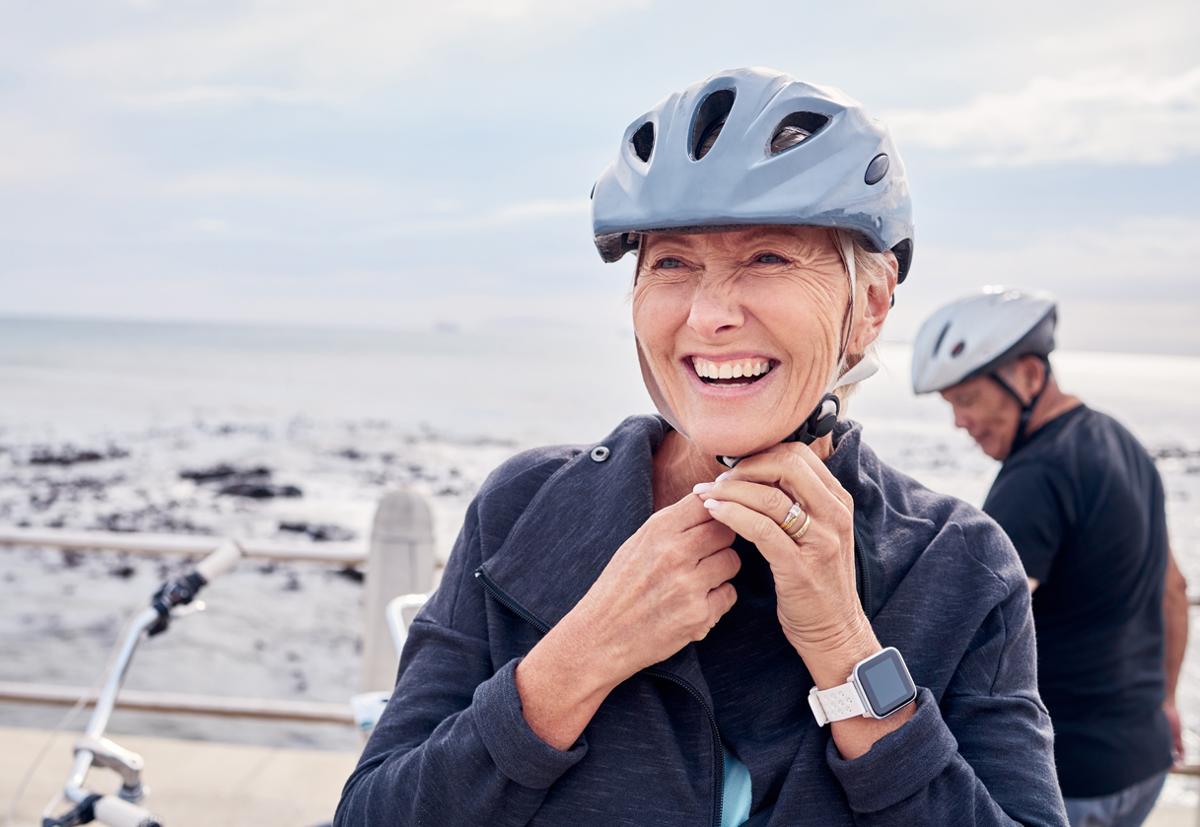
A focus on prevention could eliminate 85 per cent of disease / photo: peopleimages.com yuri a/shutterstock
It’s been a busy few weeks, with the conference season in full swing and lots to learn and reflect on.
First up was the Global Wellness Summit (GWS) in Miami, where we heard that the global wellness economy has grown to a value of US$5.6 trillion, with the physical activity segment worth US$976 billion of that.
Public health, prevention and personalised medicine is now worth US$611 billion and healthy eating, nutrition and weight loss US$1,079 billion, meaning we’re sitting in the middle of some huge and fast growing markets.
The event had a strong focus on prevention, with Poonacha Machaiah, CEO of the Chopra Foundation explaining his concept, Cyberhuman, which is working to connect data from wearables to people’s schedules and social and geographic data to enable the creation of a personalised AI platform for optimising health.
Also presenting was insight outfit, Fountain Life, which is offering universal diagnostics for US$25,000 to catch disease in its early stages or head it off altogether with prevention.
While this service is the preserve of the very affluent, the trickle-down effect is kicking in, with health club operator, Life Time, recently soft-launching a medical wellness service called Miora, which offers a 95-part blood panel for US$299, putting it within reach of a far larger slice of the population.
In the UK, high street retailer, John Lewis, has also picked up on the opportunity, partnering with Randox Health to offer full-body health checks in-store.
This trend shows how the well-off are increasingly investing in prevention-based interventions, but we must continue to question where this leaves the less-well-off, to avoid exacerbating current inequalities.
EuropeActive’s first Exercise for Health Summit in Madrid the following week was a euphoric occasion, as the sector convened to contribute to the work of positioning exercise at the heart of the health and prevention agenda.
With attendance from UK Active, the World Health Organization and a global network of researchers, academics, practitioners and policymakers, conference delegates heard Professor I-Min Lee, from the Division of Preventive Medicine at Harvard Medical School present detailed evidence to prove exercise prevents chronic disease and enhances longevity.
Epidemiologist, Dr Melody Ding from the University of Sydney, then looked at the positive economic impact of exercise, contributing critical input to drive the success of industry lobbying.
Seeing the sector uniting to deliver such robust evidence from across the globe shows we’re moving to another level in terms of representation and must surely soon get the cut-through we need with governments.
Active Blackpool is deploying Cornerstone Connect, a new digital interface allowing
disparate information from multiple systems to be aggregated into one dataset, to support
its focus on reducing health inequalities and improving healthy life expectancy. [more...]
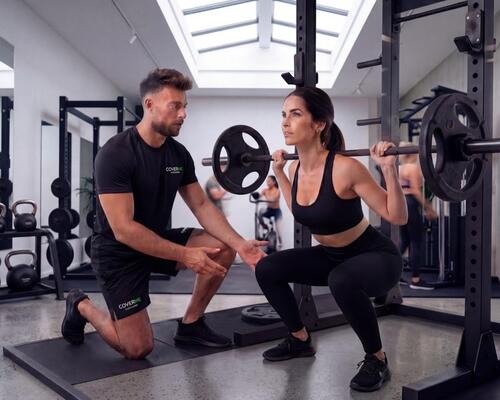
CoverMe, the global leader in fitness workforce management, today launches CoverMe PT, an
on-demand personal training platform that connects the right personal trainer to the right
client in under 10 seconds. [more...]
Around 85 per cent of disease is epigenetic/preventable and exercise is one of the most effective ways of delivering prevention. Can the industry shout loudly enough about this to be heard?
A focus on prevention could eliminate 85 per cent of disease / photo: peopleimages.com yuri a/shutterstock
It’s been a busy few weeks, with the conference season in full swing and lots to learn and reflect on.
First up was the Global Wellness Summit (GWS) in Miami, where we heard that the global wellness economy has grown to a value of US$5.6 trillion, with the physical activity segment worth US$976 billion of that.
Public health, prevention and personalised medicine is now worth US$611 billion and healthy eating, nutrition and weight loss US$1,079 billion, meaning we’re sitting in the middle of some huge and fast growing markets.
The event had a strong focus on prevention, with Poonacha Machaiah, CEO of the Chopra Foundation explaining his concept, Cyberhuman, which is working to connect data from wearables to people’s schedules and social and geographic data to enable the creation of a personalised AI platform for optimising health.
Also presenting was insight outfit, Fountain Life, which is offering universal diagnostics for US$25,000 to catch disease in its early stages or head it off altogether with prevention.
While this service is the preserve of the very affluent, the trickle-down effect is kicking in, with health club operator, Life Time, recently soft-launching a medical wellness service called Miora, which offers a 95-part blood panel for US$299, putting it within reach of a far larger slice of the population.
In the UK, high street retailer, John Lewis, has also picked up on the opportunity, partnering with Randox Health to offer full-body health checks in-store.
This trend shows how the well-off are increasingly investing in prevention-based interventions, but we must continue to question where this leaves the less-well-off, to avoid exacerbating current inequalities.
EuropeActive’s first Exercise for Health Summit in Madrid the following week was a euphoric occasion, as the sector convened to contribute to the work of positioning exercise at the heart of the health and prevention agenda.
With attendance from UK Active, the World Health Organization and a global network of researchers, academics, practitioners and policymakers, conference delegates heard Professor I-Min Lee, from the Division of Preventive Medicine at Harvard Medical School present detailed evidence to prove exercise prevents chronic disease and enhances longevity.
Epidemiologist, Dr Melody Ding from the University of Sydney, then looked at the positive economic impact of exercise, contributing critical input to drive the success of industry lobbying.
Seeing the sector uniting to deliver such robust evidence from across the globe shows we’re moving to another level in terms of representation and must surely soon get the cut-through we need with governments.
An ambitious women’s-only strength and lifting studio concept is set to launch in Dallas this
September, with a wider US rollout already in active development.
Finnish outdoor fitness equipment specialist, Omnigym, has partnered with charity, Emmaüs
Solidarité, to launch an outdoor gym installation at a homeless shelter in Paris.
People taking GLP-1 weight loss medications such as Ozempic, Wegovy, Mounjaro and Zepbound
may be losing weight, but they’re also becoming less physically active, according to new
research presented at the ENDO 2026 annual meeting of the Endocrine Society
Active Blackpool is deploying Cornerstone Connect, a new digital interface allowing
disparate information from multiple systems to be aggregated into one dataset, to support
its focus on reducing health inequalities and improving healthy life expectancy. [more...]
CoverMe, the global leader in fitness workforce management, today launches CoverMe PT, an
on-demand personal training platform that connects the right personal trainer to the right
client in under 10 seconds. [more...]