A landmark report finds clubs can
unlock growth by engaging Gen Z.
So how should operators shape
strategies to meet their needs?
Jak Phillips investigates
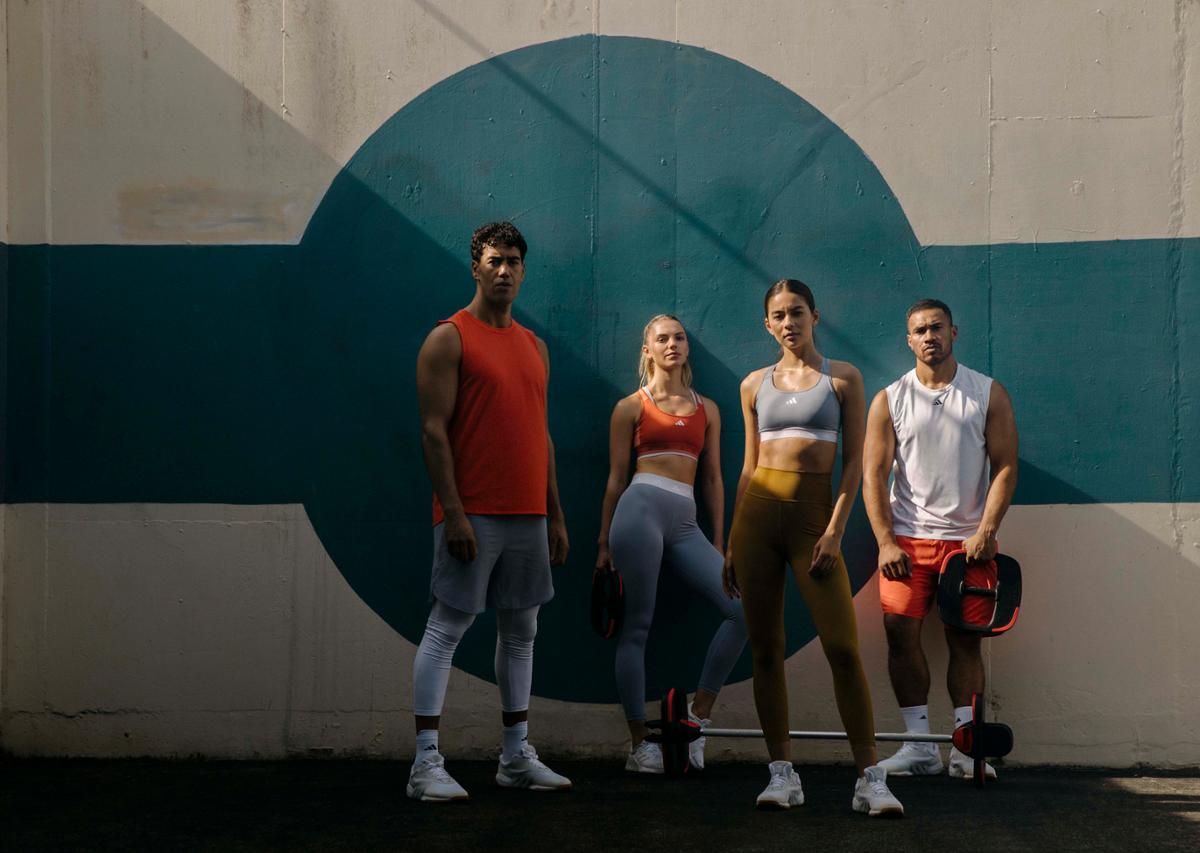
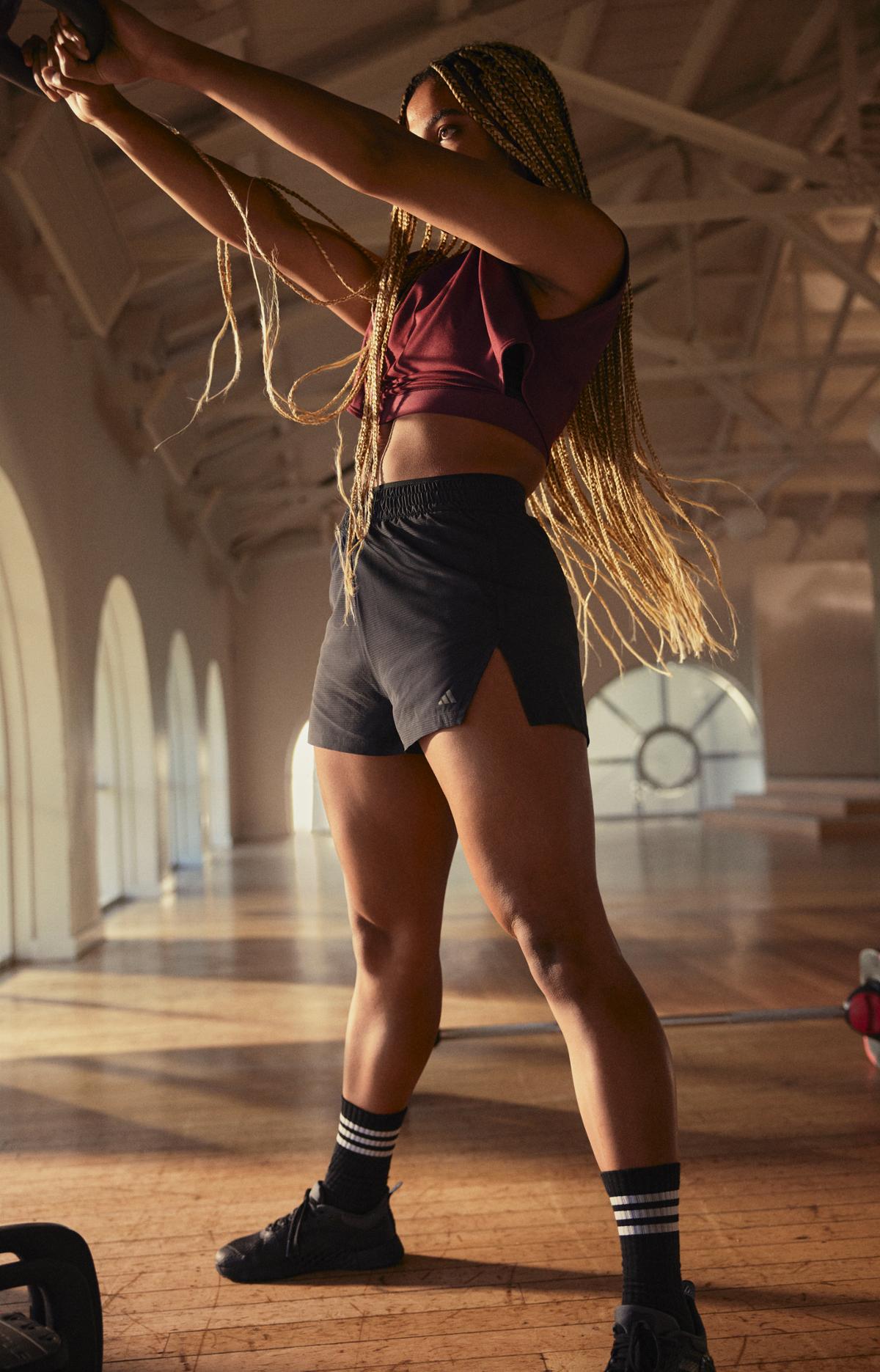
GEN Z are often referred to as ‘Generation Active’ / photo: Jak Phillips/Les Mills
Progress is impossible without change; and those who cannot change their minds cannot change anything.”
So said Irish playwright George Bernard Shaw, his words more resonant now than ever – particularly when it comes to fitness.
In a famously trend-driven industry, an operator’s ability to adapt and embrace changing consumer preferences is a key determinant of sustained success.
If the pandemic was defined by clubs’ agile use of technology to keep members moving, the next phase of growth will undoubtedly be driven by operators’ ability to appeal to Gen Z.
As the largest generation ever, Gen Z will have a bigger impact on the fitness market than any other cohort before it. Indeed it is right now, with 30 per cent of Gen Z already using fitness facilities, while a further 25 per cent are planning to join.
This is one of the findings from Gen Z Fitness: Cracking The Code – a new global report examining Gen Z exercise habits, their motivations to work out, and the barriers holding them back.
The independent research report – commissioned by Les Mills – is the biggest-ever study into Gen Z fitness, combining quantitative and qualitative insights from more than 4,000 people aged 16 to 26 across North America, Europe and Asia. It examines the generational shift sweeping fitness and outlines how providers must continually evolve to keep pace with the expectations of young consumers.
Key research findings So what are the key takeaways? Firstly, researchers identified a massive untapped market in the form of Gen Zers.
Having helped shape a culture where fitness has become a social media mainstay, Gen Z is frequently referred to as ‘Generation Active’ – and 36 per cent of them are already exercising regularly. But this is just the tip of the iceberg. A further 50 per cent of Gen Z want to work out regularly, but say they need help getting started. Nurturing this untapped market requires an intimate understanding of the varied challenges they face.
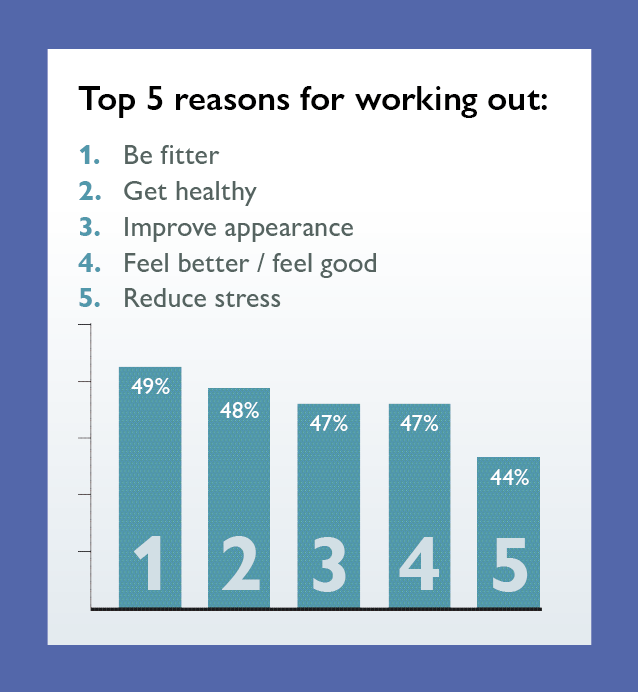
Gen Zers have grown up watching their parents yo-yo diet, follow fads, and flit from one short-lived fitness kick to another. Driven by extrinsic motivators such as ‘bikini bodies’ and ‘no pain, no gain’ mantras, they modelled a version of fitness that left very little room for joy. As a result, Gen Zers who are yet to enter the fitness market perceive exercise as being hard work. Despite this, they understand the value of exercise – listing their top two reasons to start as wanting to become fitter and healthier.
In contrast to their parents, Gen Z see fitness as a far more holistic experience, driven by a desire to maintain mental wellness and be part of a community. Four of Gen Z’s top five reasons to exercise are linked to health and happiness, with this demographic demonstrating a strong appreciation for the holistic benefits of activity. That said, they still want to look good, with 47 per cent listing ‘improving their appearance’ as a key reason to work out.
They are 77 per cent more likely to ‘splurge’ on fitness than their parents according to the research and those who exercise spend a median of US$95 a month on doing so.
Smartphone-first approach Understanding these motivational drivers is crucial for operators aiming to engage Gen Z. Their affinity for their phones (55 per cent use phones for over five hours per day) means clubs have a constant opportunity to gain their attention and build trust if they can cut through with engaging content. Among non-exercisers, 68 per cent want to start working out at home first, so providing fitness at their fingertips through accessible and engaging digital workouts is a great way for clubs to amplify their brand’s reach and drive meaningful connection.
With 48 million Gen Zers on TikTok in the US alone, researching trending hashtags and creating platform-specific content that reflects their values is a great way to get in front of them and start to tell your brand’s story. Meanwhile, mixing up your content and channels offers a great opportunity to reach a broad audience and keep your messaging fresh.
As well as bringing the fun, highlighting the credibility of your club’s brand and the science underpinning your programming can help you to cut through the masses of online misinformation about fitness and exercise and build trust with your target audience.
Under the Influence When it comes to online fitness, Influencers are living up to their name by holding significant sway over Gen Z regular exercisers. 71 per cent are using a fitness influencer’s free digital platform inside the club, while 76 per cent look to influencers for workout guidance at home. But this doesn’t have to be a global megastar like Kayla Itsines. Gen Z consider an influencer to be anyone who represents a brand they’re interested in – meaning gyms have significant opportunities to amplify their own star instructors to drive awareness and win fans.
According to another recent report from ABC Fitness, over half (55 per cent) of Gen Z agree that promoting trainers and instructors as local fitness influencers is a high-impact way to create a strong sense of community. With this in mind, shining a spotlight on the rockstars in your club’s team is a surefire recipe for creating authentic content that showcases the connection Gen Z are looking for. Your members are also a great source of content. Highlighting powerful personal stories can help to nurture Gen Z prospects and accelerate their consideration journey.
The ability to lean in and meet the nuanced needs of the untapped Gen Z market is crucial for winning their business. But what about those who are already working out?
Flex appeal Having grown up with Amazon Prime and Uber Eats at their fingertips, Gen Zers expect flexible fitness solutions so they can work out wherever, whenever and however they want. With 72 per cent of regular exercisers taking a hybrid approach that sees them training both in and out of the gym, they expect an omnifitness experience of live and digital workout options to suit their lifestyle.
When health clubs strike the right balance, Gen Z will stick around. People who train on a hybrid basis are 40 per cent more likely to have been a gym member for 3+ years compared to gym-only exercisers. They also manage to do 67 per cent more workouts than gym-only exercisers (5.5 per week on average, vs 3.3).
Meanwhile, the report finds Gen Z gym-goers overall to be more loyal than they’re given credit for: 61 per cent of club members have been with their facility for between six months and two years. By combining live in-club exercise offerings with at-home digital solutions, fitness providers can join the dots to support Gen Z’s preference for choice, social connection and workouts on demand. This makes maintaining their fitness routine easy on days when getting to the gym isn’t.
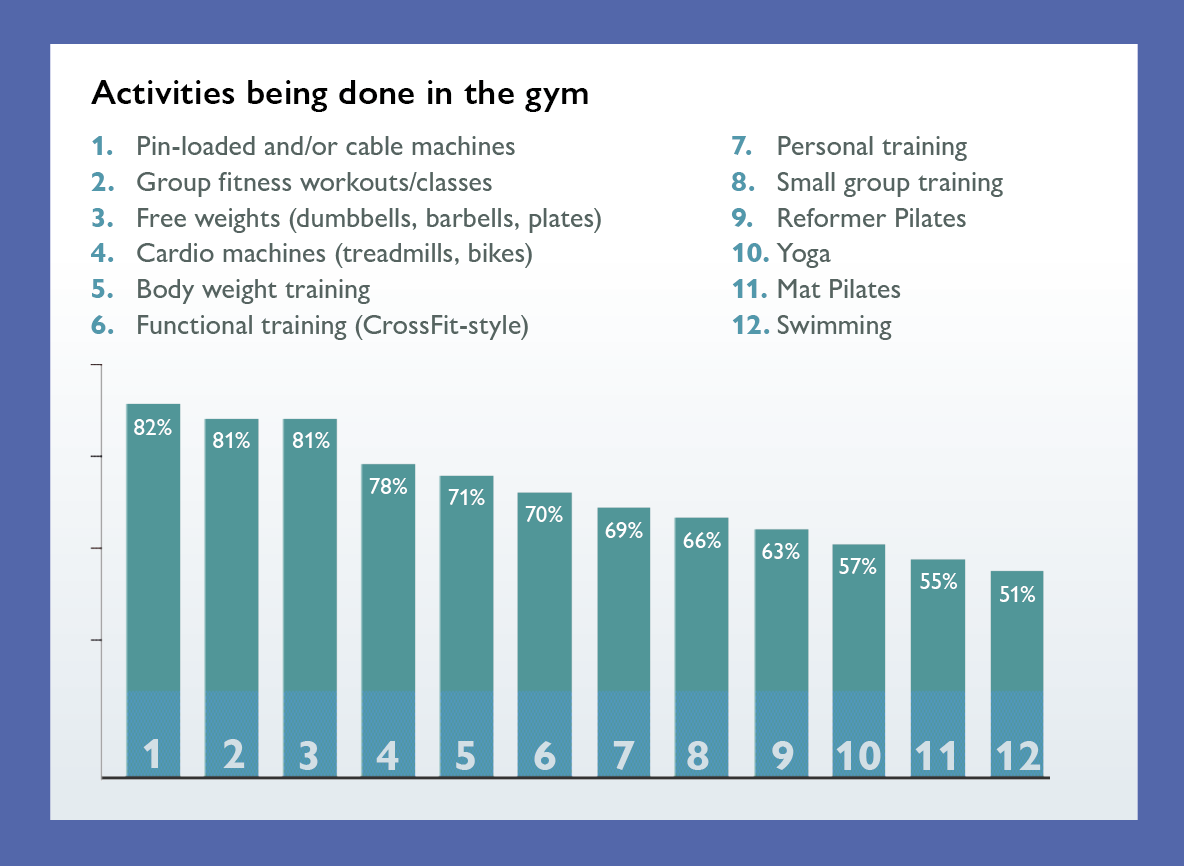
Strength in numbers While digital fitness options have become a basic expectation, the report finds a strong Gen Z preference for working out with others. As Gen Z continues its rapid ascent up the fitness food chain, 82 per cent of all regular exercisers are using the gym (up from 64 per cent in 2021).
Given their appetite for connection and community, it’s no surprise Gen Z are drawn to the supportive environment of the studio. Over 80 per cent of Gen Z gym-goers are taking part in group training, citing the energy of the group, fast results and the guidance of an instructor as key factors attracting them to the studio.
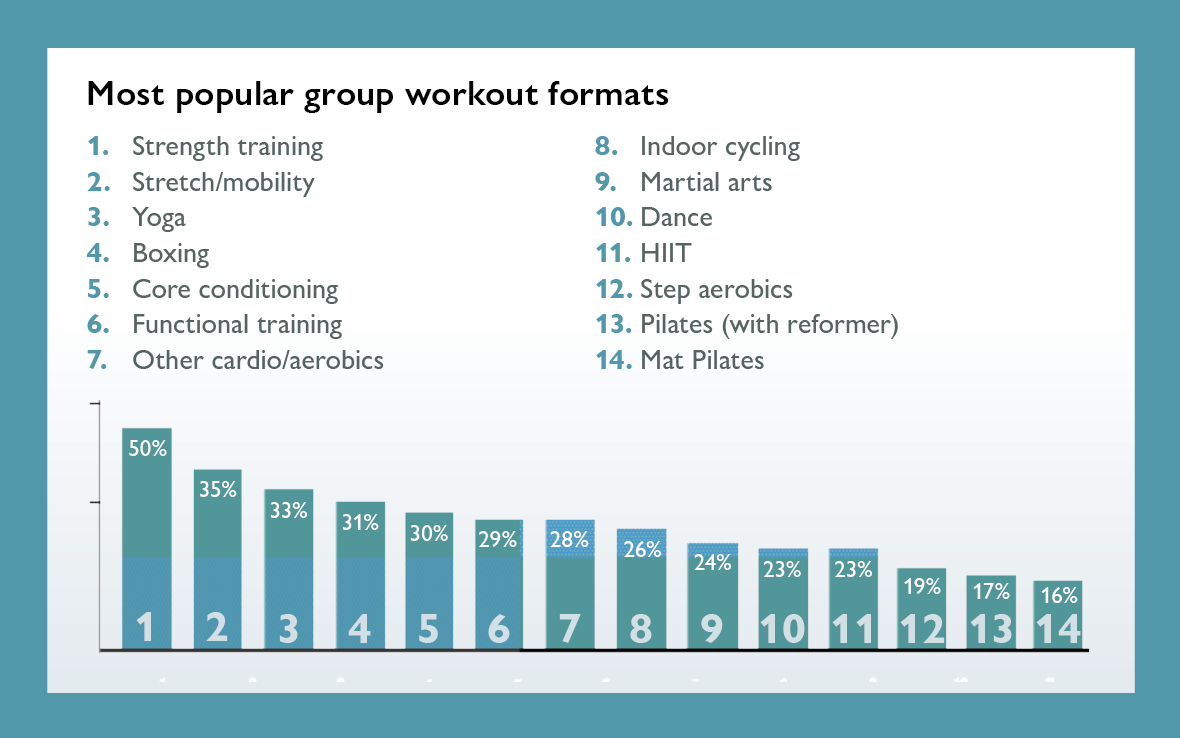
Unsurprisingly, the strength training trend is also driving Gen Z into the studio, ranking top of their preferred classes. But Gen Zers are also paying close attention to their wider wellness, with recovery and mindfulness sessions following close behind.
They’re prepared to spend more on Pilates, with 63 per cent preferring reformer classes, vs 55 per cent who prefer mat. Continuing the theme of variety, 64 per cent of those working out regularly, strongly agree that they like to vary their workouts and discover new ones, suggesting that timetables with an optimal number of choices are key to keeping Gen Zers happy and engaged.
And if health club operators can keep Gen Z engaged en masse, we could be on the brink of a major industry inflection point.
Crossing the chasm In his famous TED talk, renowned business consultant Simon Sinek discusses the Law of Diffusion of Innovation, citing 15-18 per cent penetration as the tipping point that must be reached to achieve mass market success and acceptance of an idea.
By ‘crossing this chasm’ as Sinek puts it, you reach a large enough number of people that the majority of the population are then ready to follow suit and fully embrace your services. Assuming he’s right, our sector’s current penetration rate – which ranges from around 6 per cent in the Middle East to roughly 21 per cent in the US – puts it within touching distance of mass adoption.
Consider then, that Gen Z Fitness: Cracking The Code found 30 per cent of Gen Z are already regularly working out in fitness facilities – a far higher propensity to do so than the rest of the adult population. As more Gen Z come of age (the youngest are still only 11) we can expect to see incremental increases in club penetration that take us past Sinek’s magic 18 per cent mark. Better still, by changing our approach to engage the 50 per cent of Gen Z who want to start working out, we can deliver unprecedented progress and write an epic story even Bernard Shaw would be proud of.
Jak Phillips is global content and PR director at Les Mills
Panatta brought together four of the most influential figures in bodybuilding history on the
stage of RiminiWellness 2026: Phil Heath, Lee Haney, Ronnie Coleman and Hany Rambod. [more...]
A landmark report finds clubs can
unlock growth by engaging Gen Z.
So how should operators shape
strategies to meet their needs?
Jak Phillips investigates
GEN Z are often referred to as ‘Generation Active’ / photo: Jak Phillips/Les Mills
Progress is impossible without change; and those who cannot change their minds cannot change anything.”
So said Irish playwright George Bernard Shaw, his words more resonant now than ever – particularly when it comes to fitness.
In a famously trend-driven industry, an operator’s ability to adapt and embrace changing consumer preferences is a key determinant of sustained success.
If the pandemic was defined by clubs’ agile use of technology to keep members moving, the next phase of growth will undoubtedly be driven by operators’ ability to appeal to Gen Z.
As the largest generation ever, Gen Z will have a bigger impact on the fitness market than any other cohort before it. Indeed it is right now, with 30 per cent of Gen Z already using fitness facilities, while a further 25 per cent are planning to join.
This is one of the findings from Gen Z Fitness: Cracking The Code – a new global report examining Gen Z exercise habits, their motivations to work out, and the barriers holding them back.
The independent research report – commissioned by Les Mills – is the biggest-ever study into Gen Z fitness, combining quantitative and qualitative insights from more than 4,000 people aged 16 to 26 across North America, Europe and Asia. It examines the generational shift sweeping fitness and outlines how providers must continually evolve to keep pace with the expectations of young consumers.
Key research findings So what are the key takeaways? Firstly, researchers identified a massive untapped market in the form of Gen Zers.
Having helped shape a culture where fitness has become a social media mainstay, Gen Z is frequently referred to as ‘Generation Active’ – and 36 per cent of them are already exercising regularly. But this is just the tip of the iceberg. A further 50 per cent of Gen Z want to work out regularly, but say they need help getting started. Nurturing this untapped market requires an intimate understanding of the varied challenges they face.
Gen Zers have grown up watching their parents yo-yo diet, follow fads, and flit from one short-lived fitness kick to another. Driven by extrinsic motivators such as ‘bikini bodies’ and ‘no pain, no gain’ mantras, they modelled a version of fitness that left very little room for joy. As a result, Gen Zers who are yet to enter the fitness market perceive exercise as being hard work. Despite this, they understand the value of exercise – listing their top two reasons to start as wanting to become fitter and healthier.
In contrast to their parents, Gen Z see fitness as a far more holistic experience, driven by a desire to maintain mental wellness and be part of a community. Four of Gen Z’s top five reasons to exercise are linked to health and happiness, with this demographic demonstrating a strong appreciation for the holistic benefits of activity. That said, they still want to look good, with 47 per cent listing ‘improving their appearance’ as a key reason to work out.
They are 77 per cent more likely to ‘splurge’ on fitness than their parents according to the research and those who exercise spend a median of US$95 a month on doing so.
Smartphone-first approach Understanding these motivational drivers is crucial for operators aiming to engage Gen Z. Their affinity for their phones (55 per cent use phones for over five hours per day) means clubs have a constant opportunity to gain their attention and build trust if they can cut through with engaging content. Among non-exercisers, 68 per cent want to start working out at home first, so providing fitness at their fingertips through accessible and engaging digital workouts is a great way for clubs to amplify their brand’s reach and drive meaningful connection.
With 48 million Gen Zers on TikTok in the US alone, researching trending hashtags and creating platform-specific content that reflects their values is a great way to get in front of them and start to tell your brand’s story. Meanwhile, mixing up your content and channels offers a great opportunity to reach a broad audience and keep your messaging fresh.
As well as bringing the fun, highlighting the credibility of your club’s brand and the science underpinning your programming can help you to cut through the masses of online misinformation about fitness and exercise and build trust with your target audience.
Under the Influence When it comes to online fitness, Influencers are living up to their name by holding significant sway over Gen Z regular exercisers. 71 per cent are using a fitness influencer’s free digital platform inside the club, while 76 per cent look to influencers for workout guidance at home. But this doesn’t have to be a global megastar like Kayla Itsines. Gen Z consider an influencer to be anyone who represents a brand they’re interested in – meaning gyms have significant opportunities to amplify their own star instructors to drive awareness and win fans.
According to another recent report from ABC Fitness, over half (55 per cent) of Gen Z agree that promoting trainers and instructors as local fitness influencers is a high-impact way to create a strong sense of community. With this in mind, shining a spotlight on the rockstars in your club’s team is a surefire recipe for creating authentic content that showcases the connection Gen Z are looking for. Your members are also a great source of content. Highlighting powerful personal stories can help to nurture Gen Z prospects and accelerate their consideration journey.
The ability to lean in and meet the nuanced needs of the untapped Gen Z market is crucial for winning their business. But what about those who are already working out?
Flex appeal Having grown up with Amazon Prime and Uber Eats at their fingertips, Gen Zers expect flexible fitness solutions so they can work out wherever, whenever and however they want. With 72 per cent of regular exercisers taking a hybrid approach that sees them training both in and out of the gym, they expect an omnifitness experience of live and digital workout options to suit their lifestyle.
When health clubs strike the right balance, Gen Z will stick around. People who train on a hybrid basis are 40 per cent more likely to have been a gym member for 3+ years compared to gym-only exercisers. They also manage to do 67 per cent more workouts than gym-only exercisers (5.5 per week on average, vs 3.3).
Meanwhile, the report finds Gen Z gym-goers overall to be more loyal than they’re given credit for: 61 per cent of club members have been with their facility for between six months and two years. By combining live in-club exercise offerings with at-home digital solutions, fitness providers can join the dots to support Gen Z’s preference for choice, social connection and workouts on demand. This makes maintaining their fitness routine easy on days when getting to the gym isn’t.
Strength in numbers While digital fitness options have become a basic expectation, the report finds a strong Gen Z preference for working out with others. As Gen Z continues its rapid ascent up the fitness food chain, 82 per cent of all regular exercisers are using the gym (up from 64 per cent in 2021).
Given their appetite for connection and community, it’s no surprise Gen Z are drawn to the supportive environment of the studio. Over 80 per cent of Gen Z gym-goers are taking part in group training, citing the energy of the group, fast results and the guidance of an instructor as key factors attracting them to the studio.
Unsurprisingly, the strength training trend is also driving Gen Z into the studio, ranking top of their preferred classes. But Gen Zers are also paying close attention to their wider wellness, with recovery and mindfulness sessions following close behind.
They’re prepared to spend more on Pilates, with 63 per cent preferring reformer classes, vs 55 per cent who prefer mat. Continuing the theme of variety, 64 per cent of those working out regularly, strongly agree that they like to vary their workouts and discover new ones, suggesting that timetables with an optimal number of choices are key to keeping Gen Zers happy and engaged.
And if health club operators can keep Gen Z engaged en masse, we could be on the brink of a major industry inflection point.
Crossing the chasm In his famous TED talk, renowned business consultant Simon Sinek discusses the Law of Diffusion of Innovation, citing 15-18 per cent penetration as the tipping point that must be reached to achieve mass market success and acceptance of an idea.
By ‘crossing this chasm’ as Sinek puts it, you reach a large enough number of people that the majority of the population are then ready to follow suit and fully embrace your services. Assuming he’s right, our sector’s current penetration rate – which ranges from around 6 per cent in the Middle East to roughly 21 per cent in the US – puts it within touching distance of mass adoption.
Consider then, that Gen Z Fitness: Cracking The Code found 30 per cent of Gen Z are already regularly working out in fitness facilities – a far higher propensity to do so than the rest of the adult population. As more Gen Z come of age (the youngest are still only 11) we can expect to see incremental increases in club penetration that take us past Sinek’s magic 18 per cent mark. Better still, by changing our approach to engage the 50 per cent of Gen Z who want to start working out, we can deliver unprecedented progress and write an epic story even Bernard Shaw would be proud of.
Jak Phillips is global content and PR director at Les Mills
Italian Exhibition Group – the organiser behind industry events Dubai Active and Dubai Muscle
Show – has been appointed to deliver the Health and Wellness Expo and Fire and Safety Expo at
the 16th World Firefighters Games.
It’s been five years since the fitness industry reopened after the last lockdown – long enough
to look back on the impact the pandemic had on the sector and what might come next.
Wattbike has announced a new integration with EGYM, which enables the bikes to contribute to
the Cardio BioAge score of individuals via a VO2 max result.
Les Mills has launched a reformer Pilates workout. The 45-minute workout blends traditional
reformer movements and more contemporary exercises, choreographed to music.
According to research which tracked more than 147,000 people for 30 years, 90-120 minutes
of strength training a week may deliver some of the biggest long-term health rewards.
The UK's four Chief Medical Officers have published a refreshed edition of Physical activity
guidelines: UK Chief Medical Officers' report, updating the evidence that underpins the nation's
physical activity recommendations and placing greater emphasis on strength, balance, reducing
sedentary behaviour and, for the first time, supporting people taking weight loss medications.
Places Leisure has exchanged contracts to build and operate a flagship £60m water and leisure
destination on behalf of Basingstoke and Deane Borough Council.
The Republic of Ireland will become the latest market in PureGym’s expanding international
portfolio, with the first launch planned for Dublin in 2027.
Panatta brought together four of the most influential figures in bodybuilding history on the
stage of RiminiWellness 2026: Phil Heath, Lee Haney, Ronnie Coleman and Hany Rambod. [more...]