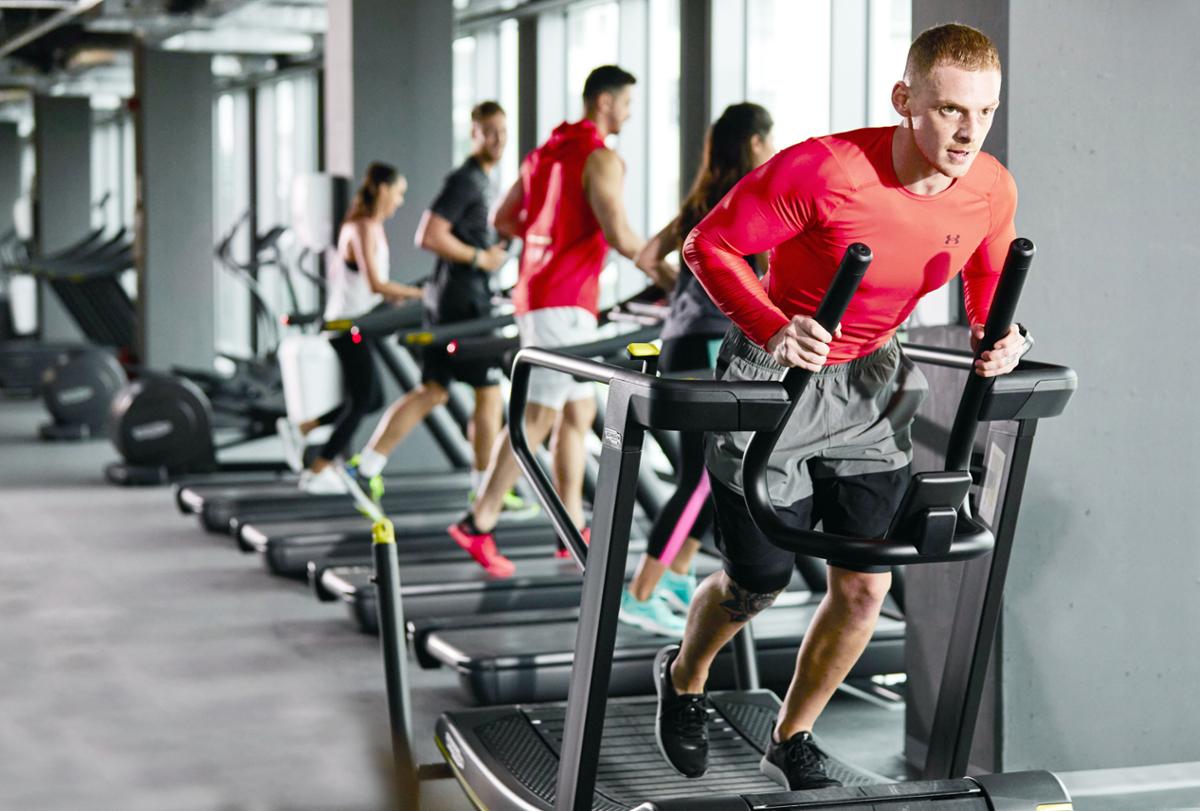
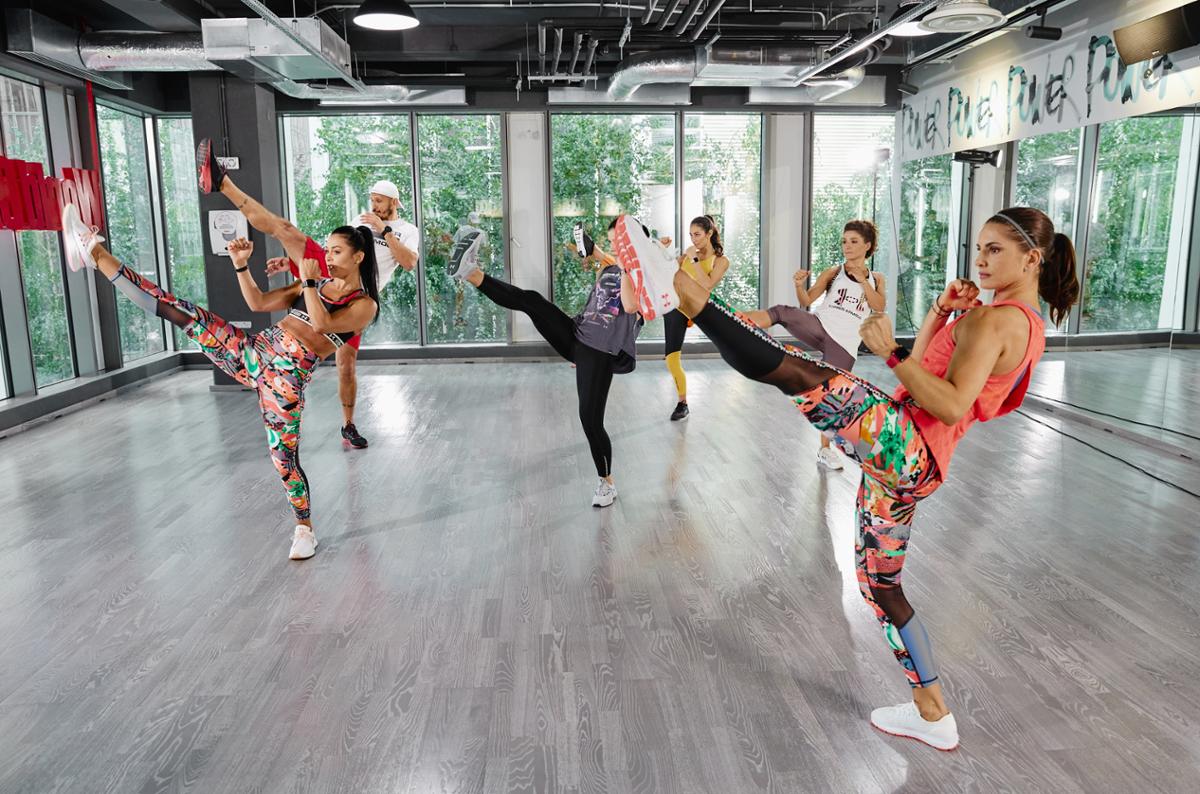
Fitness activities are viewed in the same category as essential daily needs / photo: LifeFit Group
The 10th edition of the European Health and Fitness Market report was published in May 2023 by EuropeActive and Deloitte, detailing the latest market developments and trends in the fitness industry. It’s widely regarded as the most comprehensive report on fitness and physical activity, owing to Deloitte and EuropeActive’s market experience and the insights contributed by the organisation’s growing network of club operators and industry experts.
Due to the COVID-19 pandemic, the European fitness industry has faced exceptional obstacles in recent years, which has caused many gym operators to close temporarily or even permanently. However, the year 2022 was subject to significant improvements, with many restrictions on health clubs, such as club closures and hygiene measures, gradually being lifted. This has allowed market players to resume regular operations and led to a robust rebound of the sector in 2022.
As well as covering market trends and developments, this year’s report takes a closer look at the sustainability of health clubs and provides the first-ever market estimate for the intermediary sub-sector.
The intermediary segment has attracted increasing market attention in recent years, as evidenced by the expansion of partner location networks, numerous M&A transactions, funding rounds involving fitness intermediaries and significant membership growth, all of which highlight the upward trajectory of this comparatively new area of the fitness ecosystem.
In addition, EuropeActive and Deloitte conducted extensive consumer research for the second consecutive year to understand recent consumer trends and fitness behaviour. Among others, the research has shown that the number of surveyed participants who engage in regular fitness activities significantly increased in 2022. Moreover, sport and fitness activities were found to be less affected by budget cuts associated with inflation, being viewed in the same category as essential daily needs.
European fitness market development The European brick-and-mortar fitness market generated significant growth in 2022, as evidenced by positive performance measurements across key indicators. However, it’s important to note that growth rates varied between countries, reflecting different market structures and the varying impact of COVID-19 in different regions. Both total market revenue and total memberships experienced double-digit growth, while the number of fitness clubs increased moderately.
Total revenue increased by approximately 66 per cent year-on-year to a total of €28bn. This figure was close to the record revenue achieved in 2019, which is primarily a result of the fact that most fitness companies could operate again throughout 2022 without COVID-19-related club closures. Overall, a significant market recovery was observed across all European fitness markets, particularly in countries that had implemented strict COVID-19 prevention measures in 2021.
Membership numbers also experienced strong growth, rising from 56.2 to 63.1 million individuals (12.3 per cent), which reflects the return of existing members to health clubs, but also new members seeking fitness facilities for their physical activity needs. Consequently, the European fitness market has shown a notable increase in the penetration of fitness memberships, rising from 7.0 per cent in 2021 to 7.9 per cent in 2022 – almost reaching pre-COVID level of 2019 (8.2 per cent). The number of European fitness clubs increased slightly by approximately 0.5 per cent to a total of 63,830 clubs.
In 2022, the top 20 European fitness operators – ranked by revenue – collectively generated €4.9bn of sales, indicating a substantial growth of 2 per cent compared to the previous year. Furthermore, the top 20 operators by membership experienced a significant rise in members of 2.6m (22 per cent), reaching a total of 14.8m. However, the top operators manage approximately 8.5 per cent of the total number of fitness clubs in Europe by the end of 2022, illustrating the comparable high market fragmentation with a significant proportion of fitness facilities operated by companies outside the top 20 operators, including smaller fitness chains and single club operators.
Major industry transactions In 2022, the European fitness market recorded a total of 13 M&A transactions, indicating a slightly lower level of activity when compared to previous years (19 transactions in 2021 and an average of 17 transactions per year over the past decade). Leading European fitness chains such as LifeFit Group, Medicover, Keep Cool, RSG Group, and SATS Group played a significant role on the buy-side of these deals, contributing to the ongoing consolidation of the European fitness market.
The largest deal by club number was Swiss Migros Group’s divestment of ACISO and its 172 clubs (including franchises) in a deal comprising the Injoy, FT-Club and Elements brands. Lafayette Mittelstand Capital, an investor with experience in the fitness industry through its investment in Elixia Group, became the new ACISO owner in early 2022. (Read about Migros in HCM’s interview with René Kalt at www.hcmmag.com/ReneKalt)
Norwegian financial investor Credo Partners was part of the second largest transaction in 2022 by merging five national club operators (Nr1 Fitness, Sprek365, Toten Treningssenter, Trento, Trimhuset) to form the holding company Mova Group, with Credo Partners as the majority shareholder. Thus, the newly-formed fitness group became one of the leading fitness companies of the country.
The acquisition of World Class Romania and its 41 mid-market to premium clubs by Nigerian financial investor African Industries Group completed the three largest fitness transactions by number of clubs in 2022 and represented the African Industries Group’s initial venture into the fitness industry.
Looking ahead European fitness operators demonstrated their ability to adapt to changing conditions during the COVID-19 pandemic by diversifying their business activities and focusing on their customers’ needs. They also respond to the currently challenging market environment, such as increased energy costs, by raising prices for consumers. Recently announced membership and revenue figures of major (stock-listed) European fitness chains including Basic-Fit and SATS Group further support European operators’ predominantly positive perception of the business outlook. Also due to ambitious expansion plans of major European chains, the European health and fitness market is expected to continue its growth and thus, could reach EuropeActive’s goal of 100 million members in Europe by 2030.
Panatta brought together four of the most influential figures in bodybuilding history on the
stage of RiminiWellness 2026: Phil Heath, Lee Haney, Ronnie Coleman and Hany Rambod. [more...]
Fitness activities are viewed in the same category as essential daily needs / photo: LifeFit Group
The 10th edition of the European Health and Fitness Market report was published in May 2023 by EuropeActive and Deloitte, detailing the latest market developments and trends in the fitness industry. It’s widely regarded as the most comprehensive report on fitness and physical activity, owing to Deloitte and EuropeActive’s market experience and the insights contributed by the organisation’s growing network of club operators and industry experts.
Due to the COVID-19 pandemic, the European fitness industry has faced exceptional obstacles in recent years, which has caused many gym operators to close temporarily or even permanently. However, the year 2022 was subject to significant improvements, with many restrictions on health clubs, such as club closures and hygiene measures, gradually being lifted. This has allowed market players to resume regular operations and led to a robust rebound of the sector in 2022.
As well as covering market trends and developments, this year’s report takes a closer look at the sustainability of health clubs and provides the first-ever market estimate for the intermediary sub-sector.
The intermediary segment has attracted increasing market attention in recent years, as evidenced by the expansion of partner location networks, numerous M&A transactions, funding rounds involving fitness intermediaries and significant membership growth, all of which highlight the upward trajectory of this comparatively new area of the fitness ecosystem.
In addition, EuropeActive and Deloitte conducted extensive consumer research for the second consecutive year to understand recent consumer trends and fitness behaviour. Among others, the research has shown that the number of surveyed participants who engage in regular fitness activities significantly increased in 2022. Moreover, sport and fitness activities were found to be less affected by budget cuts associated with inflation, being viewed in the same category as essential daily needs.
European fitness market development The European brick-and-mortar fitness market generated significant growth in 2022, as evidenced by positive performance measurements across key indicators. However, it’s important to note that growth rates varied between countries, reflecting different market structures and the varying impact of COVID-19 in different regions. Both total market revenue and total memberships experienced double-digit growth, while the number of fitness clubs increased moderately.
Total revenue increased by approximately 66 per cent year-on-year to a total of €28bn. This figure was close to the record revenue achieved in 2019, which is primarily a result of the fact that most fitness companies could operate again throughout 2022 without COVID-19-related club closures. Overall, a significant market recovery was observed across all European fitness markets, particularly in countries that had implemented strict COVID-19 prevention measures in 2021.
Membership numbers also experienced strong growth, rising from 56.2 to 63.1 million individuals (12.3 per cent), which reflects the return of existing members to health clubs, but also new members seeking fitness facilities for their physical activity needs. Consequently, the European fitness market has shown a notable increase in the penetration of fitness memberships, rising from 7.0 per cent in 2021 to 7.9 per cent in 2022 – almost reaching pre-COVID level of 2019 (8.2 per cent). The number of European fitness clubs increased slightly by approximately 0.5 per cent to a total of 63,830 clubs.
In 2022, the top 20 European fitness operators – ranked by revenue – collectively generated €4.9bn of sales, indicating a substantial growth of 2 per cent compared to the previous year. Furthermore, the top 20 operators by membership experienced a significant rise in members of 2.6m (22 per cent), reaching a total of 14.8m. However, the top operators manage approximately 8.5 per cent of the total number of fitness clubs in Europe by the end of 2022, illustrating the comparable high market fragmentation with a significant proportion of fitness facilities operated by companies outside the top 20 operators, including smaller fitness chains and single club operators.
Major industry transactions In 2022, the European fitness market recorded a total of 13 M&A transactions, indicating a slightly lower level of activity when compared to previous years (19 transactions in 2021 and an average of 17 transactions per year over the past decade). Leading European fitness chains such as LifeFit Group, Medicover, Keep Cool, RSG Group, and SATS Group played a significant role on the buy-side of these deals, contributing to the ongoing consolidation of the European fitness market.
The largest deal by club number was Swiss Migros Group’s divestment of ACISO and its 172 clubs (including franchises) in a deal comprising the Injoy, FT-Club and Elements brands. Lafayette Mittelstand Capital, an investor with experience in the fitness industry through its investment in Elixia Group, became the new ACISO owner in early 2022. (Read about Migros in HCM’s interview with René Kalt at www.hcmmag.com/ReneKalt)
Norwegian financial investor Credo Partners was part of the second largest transaction in 2022 by merging five national club operators (Nr1 Fitness, Sprek365, Toten Treningssenter, Trento, Trimhuset) to form the holding company Mova Group, with Credo Partners as the majority shareholder. Thus, the newly-formed fitness group became one of the leading fitness companies of the country.
The acquisition of World Class Romania and its 41 mid-market to premium clubs by Nigerian financial investor African Industries Group completed the three largest fitness transactions by number of clubs in 2022 and represented the African Industries Group’s initial venture into the fitness industry.
Looking ahead European fitness operators demonstrated their ability to adapt to changing conditions during the COVID-19 pandemic by diversifying their business activities and focusing on their customers’ needs. They also respond to the currently challenging market environment, such as increased energy costs, by raising prices for consumers. Recently announced membership and revenue figures of major (stock-listed) European fitness chains including Basic-Fit and SATS Group further support European operators’ predominantly positive perception of the business outlook. Also due to ambitious expansion plans of major European chains, the European health and fitness market is expected to continue its growth and thus, could reach EuropeActive’s goal of 100 million members in Europe by 2030.
Italian Exhibition Group – the organiser behind industry events Dubai Active and Dubai Muscle
Show – has been appointed to deliver the Health and Wellness Expo and Fire and Safety Expo at
the 16th World Firefighters Games.
It’s been five years since the fitness industry reopened after the last lockdown – long enough
to look back on the impact the pandemic had on the sector and what might come next.
Wattbike has announced a new integration with EGYM, which enables the bikes to contribute to
the Cardio BioAge score of individuals via a VO2 max result.
Les Mills has launched a reformer Pilates workout. The 45-minute workout blends traditional
reformer movements and more contemporary exercises, choreographed to music.
According to research which tracked more than 147,000 people for 30 years, 90-120 minutes
of strength training a week may deliver some of the biggest long-term health rewards.
The UK's four Chief Medical Officers have published a refreshed edition of Physical activity
guidelines: UK Chief Medical Officers' report, updating the evidence that underpins the nation's
physical activity recommendations and placing greater emphasis on strength, balance, reducing
sedentary behaviour and, for the first time, supporting people taking weight loss medications.
Places Leisure has exchanged contracts to build and operate a flagship £60m water and leisure
destination on behalf of Basingstoke and Deane Borough Council.
The Republic of Ireland will become the latest market in PureGym’s expanding international
portfolio, with the first launch planned for Dublin in 2027.
Panatta brought together four of the most influential figures in bodybuilding history on the
stage of RiminiWellness 2026: Phil Heath, Lee Haney, Ronnie Coleman and Hany Rambod. [more...]