Get HCM digital magazine and ezines FREE
Sign up here ▸
Jobs   News   Features   Products   Magazine      Advertise  
NEWS
Global industry organisations join forces to call for physical activity to be embedded into GLP-1 care pathways
POSTED 15 Jun 2026 . BY Kath Hudson
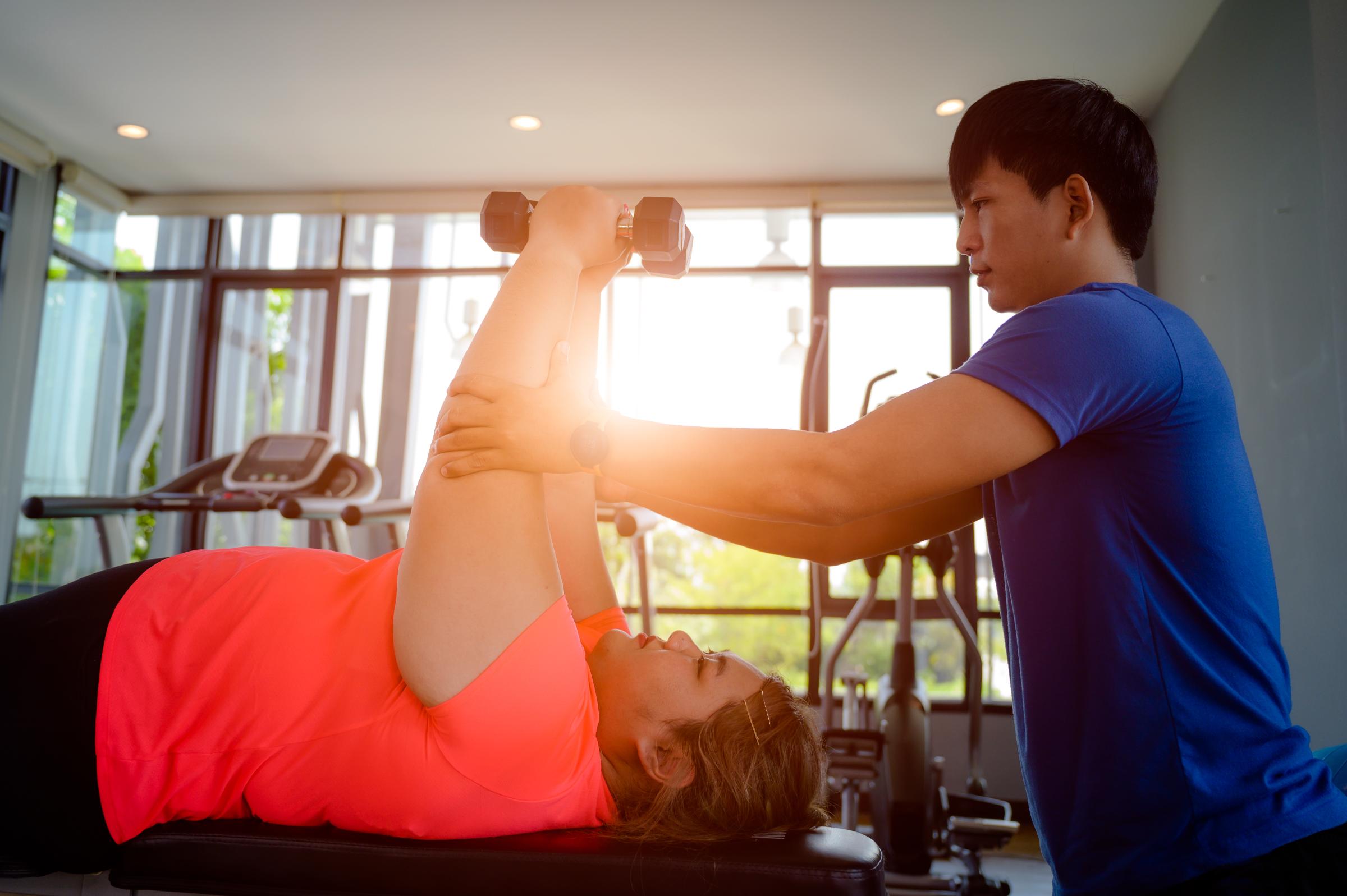
Research shows the importance of strength training during GLP-1 weight loss Credit: Shutterstock/Iam_Anuphone
A five-nation coalition of fitness trade bodies is calling for structured exercise to be formally integrated into medical GLP-1 weight-loss models
A health-economic white paper by FTI Consulting shows combining exercise with GLP-1 therapy dramatically reduces muscle wasting and long-term weight regain
Over 10 years, adding structured exercise is projected to generate £2.7bn in economic value for the UK and US$120bn for the US
The industry is urging healthcare providers to establish formal referral pathways to qualified fitness facilities and registered professionals

International industry lobbying associations are calling for physical activity and strength training to be deeply integrated with GLP-1 treatment.

Five organisations – UK Active, the Health and Fitness Association, the HFA Foundation, AusActive, Exercise New Zealand and Fitness Industry Council of Canada – have joined forces following a multinational study which found that pairing GLP-1 therapy with regular structured exercise would improve long-term health outcomes, reduce downstream costs and generate positive economic returns across multiple countries. 

Developed by FTI Consulting’s Center for Healthcare Economics and Policy, the white paper From Weight Loss to Lasting Value: Structured Exercise and the Economics of GLP-1 Therapy compares impacts of GLP-1 therapy as a standalone obesity treatment with GLP-1 therapy combined with exercise. 

Adding structured exercise to GLP-1 therapy can help patients preserve muscle during weight loss; maintain strength, mobility, and bone health; keep more weight off over time; reduce weight regain after stopping medication and lower the risk of costly health events later on. 

The trade associations are calling for structured exercise, including strength training, to be an essential part of obesity care and embedded into GLP-1 care models. They are also asking for patients to be supported to find qualified exercise professionals and fitness facilities and for referral pathways to be built between healthcare providers and qualified exercise professionals and fitness facilities and for outcomes beyond weight loss to be measured, such as long-term weight loss and economic value.

The analysis used a health-economic model adapted across Australia, Canada, New Zealand, the UK, and the United States. Across all five countries the analysis found that a combined approach supports improved long-term health outcomes, reduced healthcare costs, and produced positive economic returns. 

Greta Wagner, interim president and CEO of the Health and Fitness Association and president of the HFA Foundation, says: “The health and fitness industry has long known that lasting wellness requires more than a number on a scale, it requires strength, function, and sustainable healthy life habits.  

“This research confirms that exercise, especially strength training, helps patients sustain the benefits of GLP-1 treatment over time.”  

Cameron Saunders, CEO of UK Active, says: “The evidence is clear and the bill for inaction is one that health systems cannot keep picking up. Our members are ready to be delivery partners – we have the facilities, the professionals and programmes to make it happen at scale.”  

In the UK, combining regular exercise with GLP-1 therapy could generate an estimated £2.7bn in economic and societal value over 10 years and a 164 per cent return on investment, rising to 717 per cent and £13bn over 30 years.

For the US, the economic and societal value over 10 years was estimated at US$120bn  and a 496 per cent return on investment, rising to 1,572 per cent and US$393bn over 30 years. 

Estimates for Australia were A$182m in economic and societal value over 10 years and a 59 per cent return on investment, rising to 457 per cent and A$1.4bn over 30 years. 

Canada could expect to generate C$3.5bn in economic and societal value over 10 years and a 105 per cent return on investment, rising to 526 per cent and C$17.9bn over 30 years. 

For New Zealand: the figures were NZ$51m in economic and societal value over 10 years and a 27 per cent return on investment, rising to 306 per cent and NZ$592m over 30 years. 

MORE NEWS
Les Mills calls on the industry to support UNICEF
Global group exercise specialist, Les Mills, is inviting operators to sign up to its Workout for the World event on 20 June, in support of UNICEF.
HUM2N launches longevity clinic at Six Senses London
Global luxury hospitality brand, Six Senses, has partnered with longevity healthcare provider, HUM2N, to launch a clinic at Six Senses London, at The Whiteley.
KX Chelsea invests £15 million to upgrade its wellness offering
Premium London health club, KX Chelsea, will imminently unveil its most significant redevelopment since its launch in 2002 to create an integrated wellness model combining training, recovery and relaxation.
Researchers identify a drug which reduces muscle loss when using GLP-1 medications
Researchers in the US have identified an antibody which could greatly reduce the loss of lean muscle mass in people who are taking weight-loss medications.
+ More news   
LATEST JOBS
GP Exercise Referral Instructor
Everyone Active
Salary: £33,000pa + benefits
Job location: Harrow, Middlesex , United Kingdom
Self Employed Personal Trainer
Everyone Active
Salary: Competitive
Job location: Enderby
+ More jobs  

FEATURED SUPPLIERS

Supporting long-term health: why whole body vibration belongs in clinical settings
As healthcare continues to shift towards prevention, there’s a growing focus on helping people stay active, independent and feeling good for longer. [more...]

Reaching the people most gyms miss: Bedford Gym & Swim Campaign delivers 410 new members
One of the biggest mistakes the fitness industry still makes is advertising almost exclusively to people who already look and live like gym members. [more...]
+ More featured suppliers  
COMPANY PROFILES
Everyone Active

Everyone Active operates leisure centres in partnership with local councils across the UK. Today, Ev [more...]
The Fitness Group Education

The Fitness Group is the UK’s Leading Fitness Education Training Provider. [more...]
+ More profiles  
CATALOGUE GALLERY
 
+ More catalogues  

DIRECTORY
+ More directory  
DIARY


15-18 Jun 2026

HLTH Europe

RAI Convention Centre, Amsterdam, Netherlands
17-18 Jun 2026

Elevate London

Excel London, London, United Kingdom
+ More diary  
 
ABOUT LEISURE MEDIA
LEISURE MEDIA MAGAZINES
LEISURE MEDIA HANDBOOKS
LEISURE MEDIA WEBSITES
LEISURE MEDIA PRODUCT SEARCH
 
HCM
LEISURE OPPORTUNITIES
HEALTH CLUB HANDBOOK
PRINT SUBSCRIPTIONS
FREE DIGITAL SUBSCRIPTIONS
ADVERTISE . CONTACT US

Leisure Media
Tel: +44 (0)1462 431385

©Cybertrek 2026
Get HCM digital magazine and ezines FREE
Sign up here ▸
Jobs    News   Products   Magazine
NEWS
Global industry organisations join forces to call for physical activity to be embedded into GLP-1 care pathways
POSTED 15 Jun 2026 . BY Kath Hudson
Research shows the importance of strength training during GLP-1 weight loss Credit: Shutterstock/Iam_Anuphone
A five-nation coalition of fitness trade bodies is calling for structured exercise to be formally integrated into medical GLP-1 weight-loss models
A health-economic white paper by FTI Consulting shows combining exercise with GLP-1 therapy dramatically reduces muscle wasting and long-term weight regain
Over 10 years, adding structured exercise is projected to generate £2.7bn in economic value for the UK and US$120bn for the US
The industry is urging healthcare providers to establish formal referral pathways to qualified fitness facilities and registered professionals

International industry lobbying associations are calling for physical activity and strength training to be deeply integrated with GLP-1 treatment.

Five organisations – UK Active, the Health and Fitness Association, the HFA Foundation, AusActive, Exercise New Zealand and Fitness Industry Council of Canada – have joined forces following a multinational study which found that pairing GLP-1 therapy with regular structured exercise would improve long-term health outcomes, reduce downstream costs and generate positive economic returns across multiple countries. 

Developed by FTI Consulting’s Center for Healthcare Economics and Policy, the white paper From Weight Loss to Lasting Value: Structured Exercise and the Economics of GLP-1 Therapy compares impacts of GLP-1 therapy as a standalone obesity treatment with GLP-1 therapy combined with exercise. 

Adding structured exercise to GLP-1 therapy can help patients preserve muscle during weight loss; maintain strength, mobility, and bone health; keep more weight off over time; reduce weight regain after stopping medication and lower the risk of costly health events later on. 

The trade associations are calling for structured exercise, including strength training, to be an essential part of obesity care and embedded into GLP-1 care models. They are also asking for patients to be supported to find qualified exercise professionals and fitness facilities and for referral pathways to be built between healthcare providers and qualified exercise professionals and fitness facilities and for outcomes beyond weight loss to be measured, such as long-term weight loss and economic value.

The analysis used a health-economic model adapted across Australia, Canada, New Zealand, the UK, and the United States. Across all five countries the analysis found that a combined approach supports improved long-term health outcomes, reduced healthcare costs, and produced positive economic returns. 

Greta Wagner, interim president and CEO of the Health and Fitness Association and president of the HFA Foundation, says: “The health and fitness industry has long known that lasting wellness requires more than a number on a scale, it requires strength, function, and sustainable healthy life habits.  

“This research confirms that exercise, especially strength training, helps patients sustain the benefits of GLP-1 treatment over time.”  

Cameron Saunders, CEO of UK Active, says: “The evidence is clear and the bill for inaction is one that health systems cannot keep picking up. Our members are ready to be delivery partners – we have the facilities, the professionals and programmes to make it happen at scale.”  

In the UK, combining regular exercise with GLP-1 therapy could generate an estimated £2.7bn in economic and societal value over 10 years and a 164 per cent return on investment, rising to 717 per cent and £13bn over 30 years.

For the US, the economic and societal value over 10 years was estimated at US$120bn  and a 496 per cent return on investment, rising to 1,572 per cent and US$393bn over 30 years. 

Estimates for Australia were A$182m in economic and societal value over 10 years and a 59 per cent return on investment, rising to 457 per cent and A$1.4bn over 30 years. 

Canada could expect to generate C$3.5bn in economic and societal value over 10 years and a 105 per cent return on investment, rising to 526 per cent and C$17.9bn over 30 years. 

For New Zealand: the figures were NZ$51m in economic and societal value over 10 years and a 27 per cent return on investment, rising to 306 per cent and NZ$592m over 30 years. 

MORE NEWS
Les Mills calls on the industry to support UNICEF
Global group exercise specialist, Les Mills, is inviting operators to sign up to its Workout for the World event on 20 June, in support of UNICEF.
HUM2N launches longevity clinic at Six Senses London
Global luxury hospitality brand, Six Senses, has partnered with longevity healthcare provider, HUM2N, to launch a clinic at Six Senses London, at The Whiteley.
KX Chelsea invests £15 million to upgrade its wellness offering
Premium London health club, KX Chelsea, will imminently unveil its most significant redevelopment since its launch in 2002 to create an integrated wellness model combining training, recovery and relaxation.
Researchers identify a drug which reduces muscle loss when using GLP-1 medications
Researchers in the US have identified an antibody which could greatly reduce the loss of lean muscle mass in people who are taking weight-loss medications.
Peloton signals potential move into reformer Pilates with Skop acquisition
Peloton has made the strategic acquisition of the Pilates start-up, Skōp, to support the expansion of its strength ecosystem.
Crunch Fitness creates more affordable reformer Pilates concept
Crunch Fitness has announced the launch of Crunch Reform Pilates – its own reformer concept designed to bring this fast growing, but rather expensive, modality into the mainstream.
+ More news   
 
FEATURED SUPPLIERS

Supporting long-term health: why whole body vibration belongs in clinical settings
As healthcare continues to shift towards prevention, there’s a growing focus on helping people stay active, independent and feeling good for longer. [more...]

Reaching the people most gyms miss: Bedford Gym & Swim Campaign delivers 410 new members
One of the biggest mistakes the fitness industry still makes is advertising almost exclusively to people who already look and live like gym members. [more...]
+ More featured suppliers  
COMPANY PROFILES
Everyone Active

Everyone Active operates leisure centres in partnership with local councils across the UK. Today, Ev [more...]
+ More profiles  
CATALOGUE GALLERY
+ More catalogues  

DIRECTORY
+ More directory  
DIARY


15-18 Jun 2026

HLTH Europe

RAI Convention Centre, Amsterdam, Netherlands
17-18 Jun 2026

Elevate London

Excel London, London, United Kingdom
+ More diary  


ADVERTISE . CONTACT US

Leisure Media
Tel: +44 (0)1462 431385

©Cybertrek 2026

ABOUT LEISURE MEDIA
LEISURE MEDIA MAGAZINES
LEISURE MEDIA HANDBOOKS
LEISURE MEDIA WEBSITES
LEISURE MEDIA PRODUCT SEARCH
PRINT SUBSCRIPTIONS
FREE DIGITAL SUBSCRIPTIONS