The state of Queensland in Australia gave gyms
essential status following extensive collaboration with trade
body Aus Active. Barrie Elvish shares the background
Queensland’s legislature quickly
established a health-focused taskforce
to work with all industries to develop
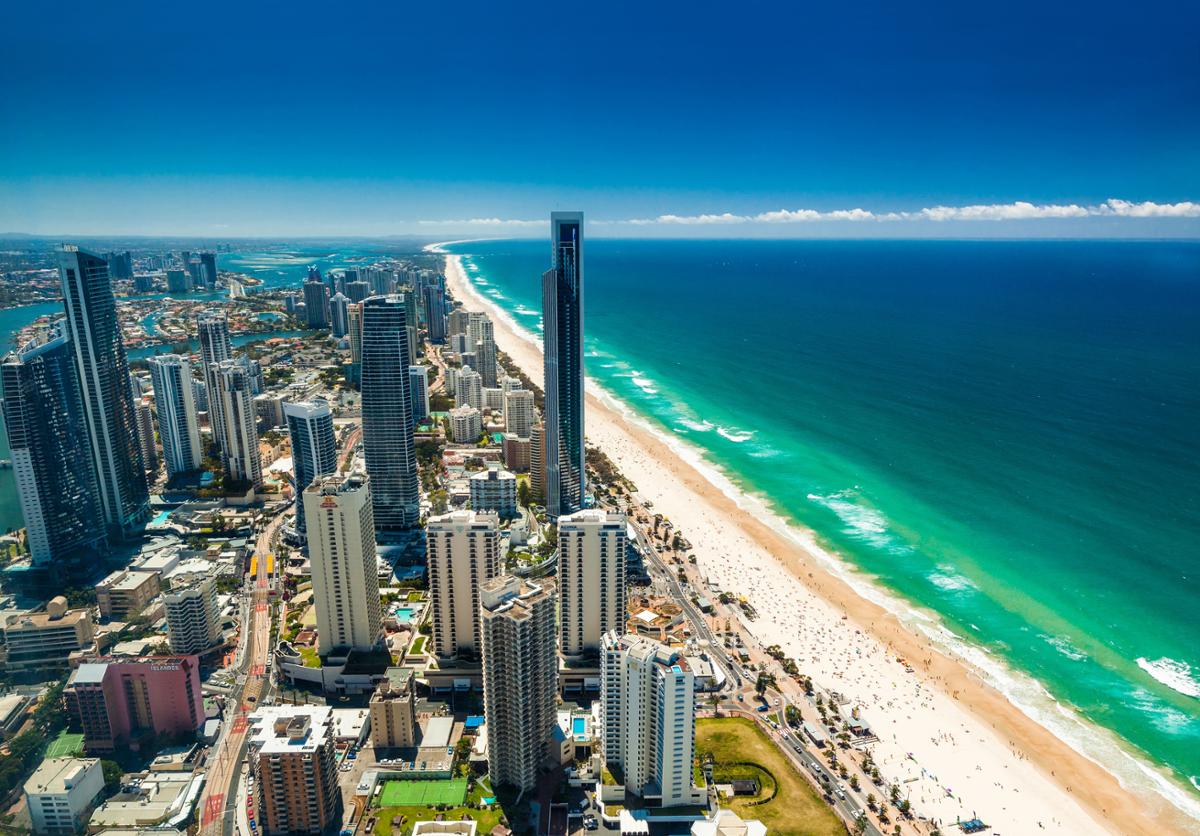
sector-specific COVID-19-safe protocols / photo: shutterstock/Martin Valigursky
As a federated nation, all Australian states dealt with the impact of COVID-19 very differently. Responses varied from Western Australia – which blocked the entry and exit of other Australians – to Victoria, which imposed the severest, most prolonged lockdowns in the Western world.
Australian state governments, and indeed the national government, classified all indoor physical activity as occurring in a “gym”, meaning the perceptions and subsequent treatment of the sector was wildly inconsistent. In March 2019 all “gyms” were closed indefinitely, including facilities that only offered dance, Pilates, tai chi and yoga. No consideration was given to either the relative or actual risks associated with any of these different regimes.
Irrational justification Despite credible evidence to show the low risk of COVID in gyms, what followed was an at times irrational justification for the blanket closures of all these facilities; it seemed to many that a convenient scapegoat had been identified in the form of the closure of the activity sector to enable health authorities to appear decisive and strong in their responses.
One state government stood its ground, however, as Queensland’s legislature quickly established a health-focused, cross-departmental taskforce and charged it with working with all industries to develop sector-specific COVID-19-safe protocols.
The state – home to Brisbane, the Gold Coast, the Sunshine Coast, the 2023 Olympic Games and the Great Barrier Reef – engaged constructively and expeditiously with Aus Active (under our previous guise as Fitness Australia) and worked with us to develop an appropriate code of safe practice for indoor facilities.
The consultation process worked so effectively that of all industries, fitness and exercise was the first to have its COVID-safe suggestions ratified by Queensland’s state government.
Queensland led the way It’s worth noting that although all other states undertook some form of industry engagement, none was as comprehensive or consultative as Queensland and this state’s proactive responses have enabled Aus Active to have an ongoing dialogue with health authorities as the COVID saga has evolved over the past two years.
At this juncture, it’s important to understand that exercise, physical activity and fitness in all its iterations is compartmentalised at both Australian federal and state level under Departments of Sport and Recreation.
We are not sport, of course, but that’s a story for another time.
During the lockdowns across Australia, similar to other countries, heads of our health authorities – often flanked by politicians – frequently reminded us that we could legally only venture outside for one of four reasons, medical appointments, critical shopping, going to work – if working from home was not feasible – and outdoor exercise. Fitness or visiting the gym was not classed as a valid reason anywhere but Queensland, which stood alone in supporting the sector.
The irony of promoting the importance of exercise while shutting indoor facilities and thereby denying exercise to the 30 per cent of Australians over the age of fifteen who nominate gyms as their preferred exercise venue, seemed lost on most bureaucrats, including chief health officers.
The move to essential status Our ongoing and productive dialogue with Queensland Health (www.health.qld.gov.au), combined with evidence-based research commissioned by Aus Active, culminated in a statement in November 2021 when Queensland’s chief health officer announced that access to gyms was ‘essential’ for Queenslanders – both vaccinated and unvaccinated – in being able to maintain good physical and mental health.
This move to essential status is a critical mindset breakthrough that needs to be leveraged nationally and we’re working hard to extend this policy to all areas of Australia.
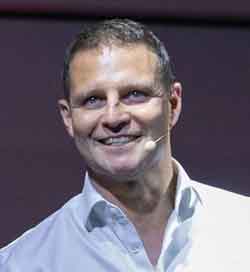
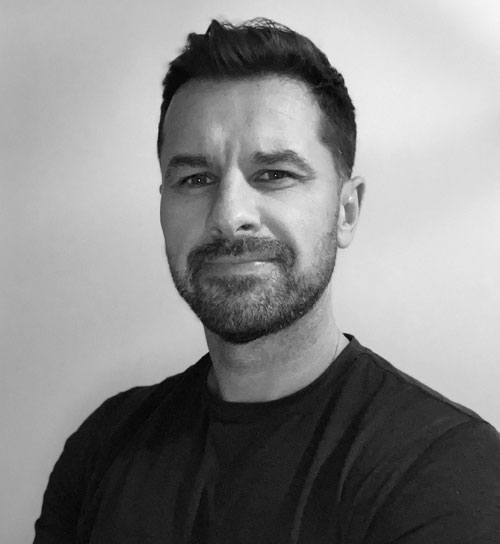
Barrie Elvish is
CEO of AUS Active and interim chair of the World Active Forum
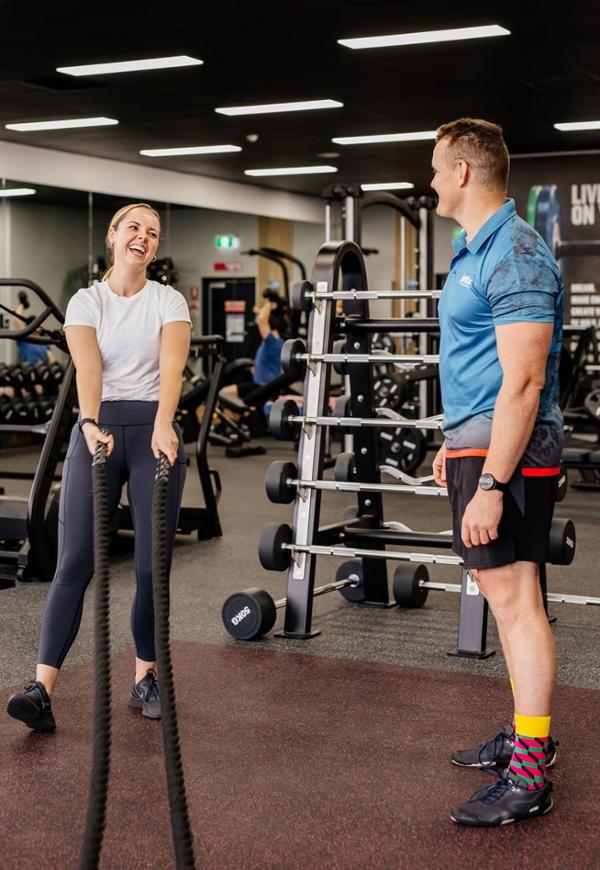
Jetts operates in Queensland, where fitness is a priority / photo: Jetts Gumdale Queensland
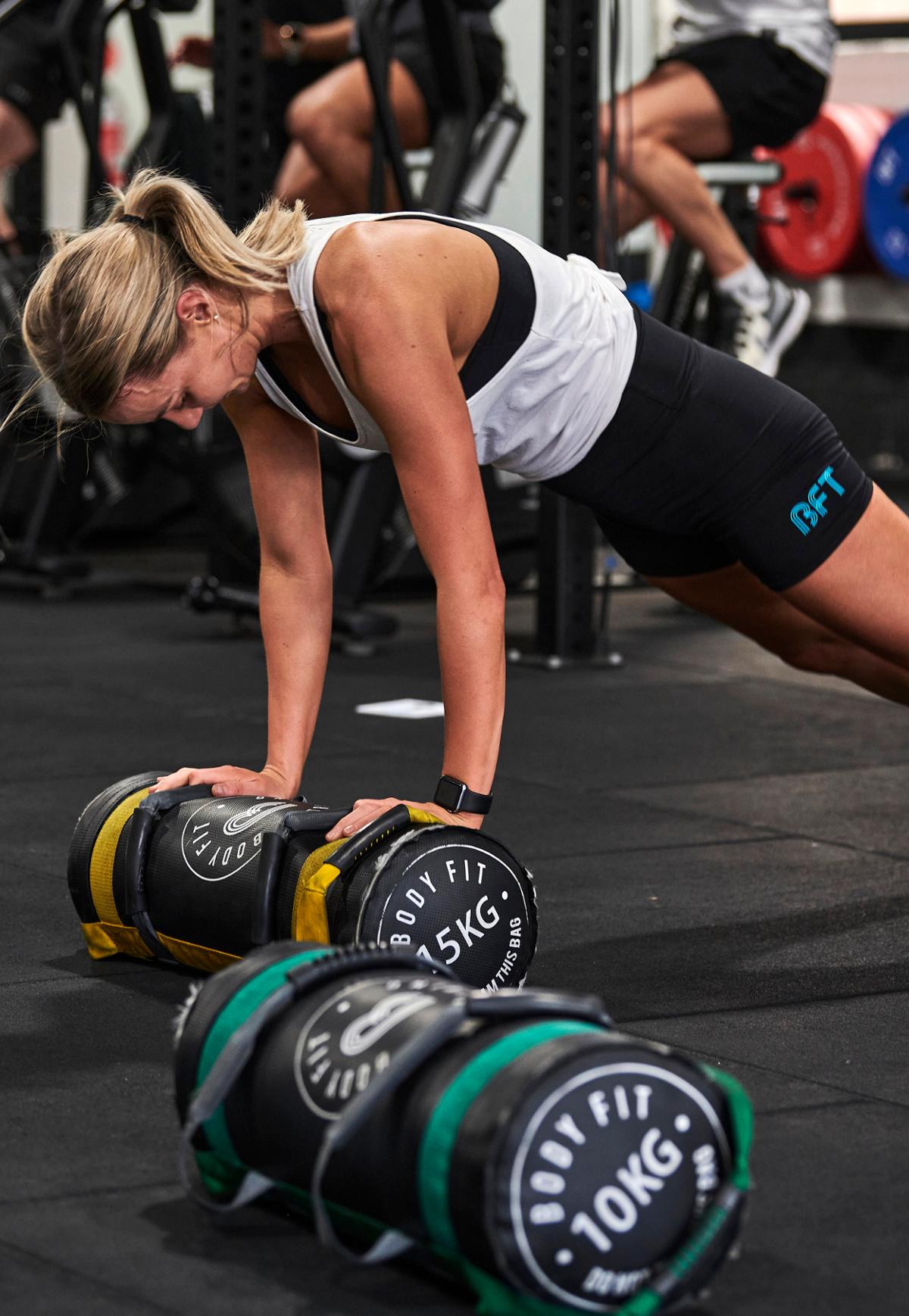
Body Fit Training Queensland has benefitted from the State’s policy / photo: Body Fit Training Queensland
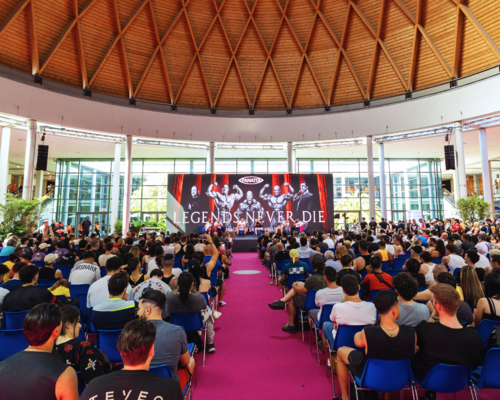
Panatta brought together four of the most influential figures in bodybuilding history on the
stage of RiminiWellness 2026: Phil Heath, Lee Haney, Ronnie Coleman and Hany Rambod. [more...]
The state of Queensland in Australia gave gyms
essential status following extensive collaboration with trade
body Aus Active. Barrie Elvish shares the background
Queensland’s legislature quickly
established a health-focused taskforce
to work with all industries to develop
sector-specific COVID-19-safe protocols / photo: shutterstock/Martin Valigursky
As a federated nation, all Australian states dealt with the impact of COVID-19 very differently. Responses varied from Western Australia – which blocked the entry and exit of other Australians – to Victoria, which imposed the severest, most prolonged lockdowns in the Western world.
Australian state governments, and indeed the national government, classified all indoor physical activity as occurring in a “gym”, meaning the perceptions and subsequent treatment of the sector was wildly inconsistent. In March 2019 all “gyms” were closed indefinitely, including facilities that only offered dance, Pilates, tai chi and yoga. No consideration was given to either the relative or actual risks associated with any of these different regimes.
Irrational justification Despite credible evidence to show the low risk of COVID in gyms, what followed was an at times irrational justification for the blanket closures of all these facilities; it seemed to many that a convenient scapegoat had been identified in the form of the closure of the activity sector to enable health authorities to appear decisive and strong in their responses.
One state government stood its ground, however, as Queensland’s legislature quickly established a health-focused, cross-departmental taskforce and charged it with working with all industries to develop sector-specific COVID-19-safe protocols.
The state – home to Brisbane, the Gold Coast, the Sunshine Coast, the 2023 Olympic Games and the Great Barrier Reef – engaged constructively and expeditiously with Aus Active (under our previous guise as Fitness Australia) and worked with us to develop an appropriate code of safe practice for indoor facilities.
The consultation process worked so effectively that of all industries, fitness and exercise was the first to have its COVID-safe suggestions ratified by Queensland’s state government.
Queensland led the way It’s worth noting that although all other states undertook some form of industry engagement, none was as comprehensive or consultative as Queensland and this state’s proactive responses have enabled Aus Active to have an ongoing dialogue with health authorities as the COVID saga has evolved over the past two years.
At this juncture, it’s important to understand that exercise, physical activity and fitness in all its iterations is compartmentalised at both Australian federal and state level under Departments of Sport and Recreation.
We are not sport, of course, but that’s a story for another time.
During the lockdowns across Australia, similar to other countries, heads of our health authorities – often flanked by politicians – frequently reminded us that we could legally only venture outside for one of four reasons, medical appointments, critical shopping, going to work – if working from home was not feasible – and outdoor exercise. Fitness or visiting the gym was not classed as a valid reason anywhere but Queensland, which stood alone in supporting the sector.
The irony of promoting the importance of exercise while shutting indoor facilities and thereby denying exercise to the 30 per cent of Australians over the age of fifteen who nominate gyms as their preferred exercise venue, seemed lost on most bureaucrats, including chief health officers.
The move to essential status Our ongoing and productive dialogue with Queensland Health (www.health.qld.gov.au), combined with evidence-based research commissioned by Aus Active, culminated in a statement in November 2021 when Queensland’s chief health officer announced that access to gyms was ‘essential’ for Queenslanders – both vaccinated and unvaccinated – in being able to maintain good physical and mental health.
This move to essential status is a critical mindset breakthrough that needs to be leveraged nationally and we’re working hard to extend this policy to all areas of Australia.
Barrie Elvish is
CEO of AUS Active and interim chair of the World Active Forum
Jetts operates in Queensland, where fitness is a priority / photo: Jetts Gumdale Queensland
Body Fit Training Queensland has benefitted from the State’s policy / photo: Body Fit Training Queensland
It’s been five years since the fitness industry reopened after the last lockdown – long enough
to look back on the impact the pandemic had on the sector and what might come next.
Wattbike has announced a new integration with EGYM, which enables the bikes to contribute to
the Cardio BioAge score of individuals via a VO2 max result.
Les Mills has launched a reformer Pilates workout. The 45-minute workout blends traditional
reformer movements and more contemporary exercises, choreographed to music.
According to research which tracked more than 147,000 people for 30 years, 90-120 minutes
of strength training a week may deliver some of the biggest long-term health rewards.
The UK's four Chief Medical Officers have published a refreshed edition of Physical activity
guidelines: UK Chief Medical Officers' report, updating the evidence that underpins the nation's
physical activity recommendations and placing greater emphasis on strength, balance, reducing
sedentary behaviour and, for the first time, supporting people taking weight loss medications.
Places Leisure has exchanged contracts to build and operate a flagship £60m water and leisure
destination on behalf of Basingstoke and Deane Borough Council.
The Republic of Ireland will become the latest market in PureGym’s expanding international
portfolio, with the first launch planned for Dublin in 2027.
Anytime Fitness opened more than one club a day in 2025 and is on track to maintain this rate
of growth this year, as parent company Purpose Brands targets further international expansion.
Panatta brought together four of the most influential figures in bodybuilding history on the
stage of RiminiWellness 2026: Phil Heath, Lee Haney, Ronnie Coleman and Hany Rambod. [more...]