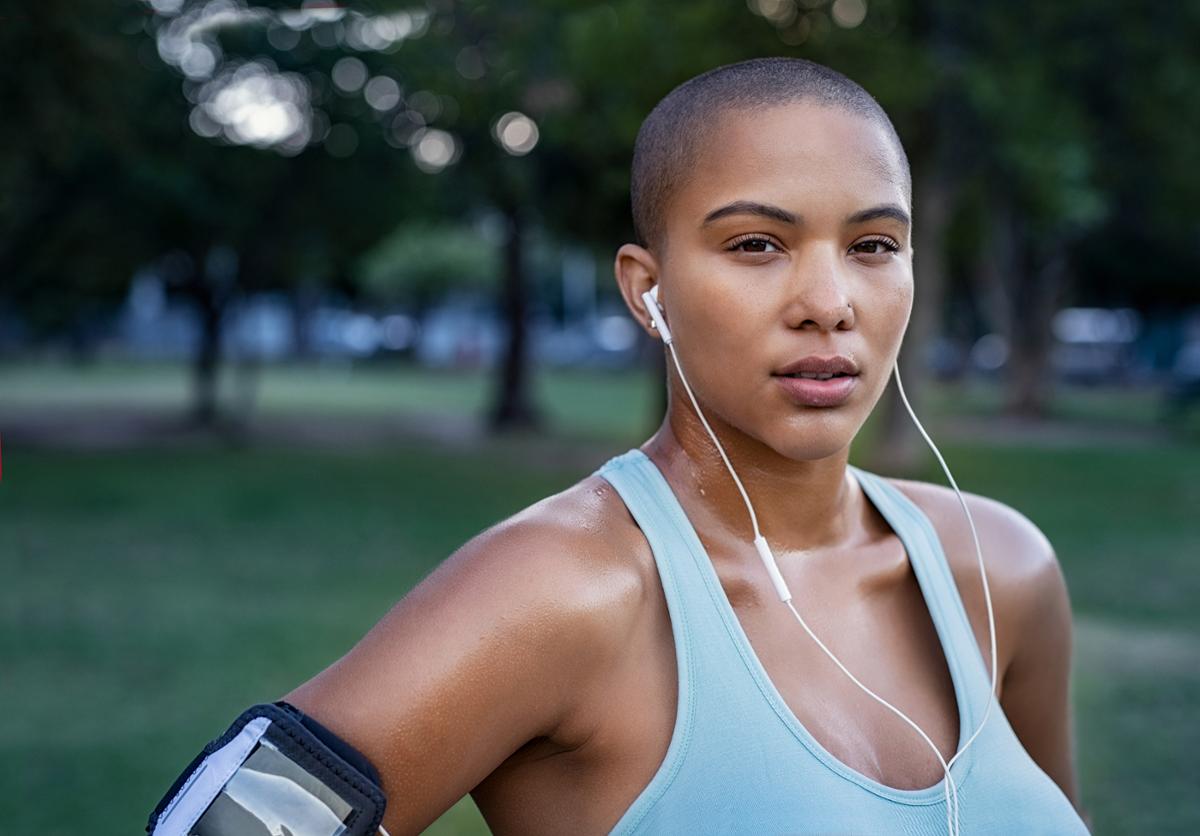
The NAO found the UK government’s interest in participation waned after 2016 / Photo: Shutterstock/Rido
The National Audit Office (NAO) has recently published its report, Grassroots Participation in Sport and Physical Activity. A Critical Review. It tells a story not only about the performance of the DCMS and Sport England, but also the performance of the sector as a whole over the last decade, and it doesn’t make easy reading.
It confirms the Olympics didn’t make a lasting impact on participation, is critical of the DCMS’s ability to influence across government and evidence the impact of the sector – which left us vulnerable during the pandemic.
It exposes our inability as a sector to address inequality in activity levels between 2016 and 2019, but recognises the positive shift in thinking represented by Sport England’s Uniting the Movement strategy, that addresses previous failures and builds on the positive results from place-based pilot schemes
London 2012 The Olympics was supposed to inspire a nation to take up sport and some did, but the report confirms that the proportion of adults participating in sport declined in the three years following the London 2012 games and by 2016 the government’s attention to legacy had reduced as its interest waned.
Impact evaluation was never completed, but research showed the Games were more likely to inspire the active than the inactive, which has meant a different legacy approach has been taken to the recent Commonwealth Games 2022.
In 2015 policy switched radically towards tackling inequality in activity levels, but the NAO report shows that increases in activity levels nationally were modest and mainly driven by including walking in the activities being measured, while progress in improving activity among the less active groups was at best mixed and evidence of impact limited.
The report examines the underlying causes of these weaknesses, focusing on three issues – widening the supply chain, funding distribution and measurement and evaluation. It confirms that, between 2016 and 2019, Sport England didn’t successfully expand the range of organisations it partnered with (this didn’t happen until the pandemic) and as a result, its attempts to rebalance funding towards the inactive was only partially successful. Also, just as national evidence was limited, measuring the impact of funding locally outside specific projects was also very limited.
Complex challenges The report shows us there are no national ‘leavers’ we can just pull that make the sector perform better, despite changing policy. It also took a pandemic to see us switching delivery partners and resources in line with new policy.
System thinking tells us that if we want different results we have to first change the system from within, by changing the culture, building its capacity and improving leadership to help it work differently.
We didn’t do that at scale or at speed. We forgot that doing what you’ve always done gets the same results. We now have to be bolder in reforming what we do, how we work and who we work with, developing different leadership approaches and encouraging our own behaviour change rather than just seeking more money. This means radical painful change and a huge investment, not only in skills but also in leadership development.
Uniting the Movement embraces much of this learning and suggests taking a more localised and collaborative approach. Local delivery pilots have shown that different ways of working can generate better outcomes for local communities by changing culture, showing greater empathy for those most inactive and working collaboratively with others to change how the system works.
A key problem remains in the form of our continued inability to measure and evidence the progress we’re making. The sector’s historic dislike of measurement and top-down accountability has always hindered our ability to make our case, but we now face a new fundamental dilemma.
If we only look up to national government to advocate our value and provide more direct funding, we’ll have to come to terms with more national measurement of our progress and impact. But if we want to focus on local relationships at a place-level in the context of Integrated Care Systems, then any measurement and evidence will need to be reflective of local need and priorities, and accountability will depend more on trust than measured performance.
This may be inconsistent with painting a national performance picture – a tension DCMS and Sport England are struggling with.
Fundamental challenge The report shines a huge light on our lack of leadership and clout within the DCMS and government. Opportunities were missed post-Olympics to solidify shared agendas and build new relationships across government, which damaged our position in the pandemic and this continues today. The report suggests that clearer leadership and better collaboration across government is now critical. Joined-up policy is as important as joined-up delivery, but we have to be better able to evidence our impact and show value for money.
The sector must decide which way to go. Do we look up to a stronger relationship with central government with more top-down funding and national measurement and accountability, or do we want to be part of local system change? Some will say we can do both, but I think this report shows us that this may be difficult to achieve.
"If we only look to national government to advocate our value, we’ll have to come to terms with more national measurement of our progress," – Martyn Allison
Different ways of working can generate better outcomes for local communities / Photo: Shutterstock/oneinchpunch
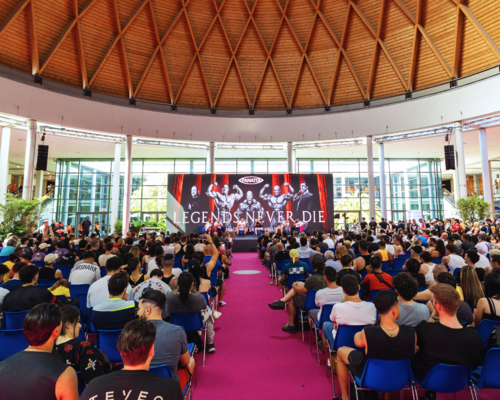
Panatta brought together four of the most influential figures in bodybuilding history on the
stage of RiminiWellness 2026: Phil Heath, Lee Haney, Ronnie Coleman and Hany Rambod. [more...]
The NAO found the UK government’s interest in participation waned after 2016 / Photo: Shutterstock/Rido
The National Audit Office (NAO) has recently published its report, Grassroots Participation in Sport and Physical Activity. A Critical Review. It tells a story not only about the performance of the DCMS and Sport England, but also the performance of the sector as a whole over the last decade, and it doesn’t make easy reading.
It confirms the Olympics didn’t make a lasting impact on participation, is critical of the DCMS’s ability to influence across government and evidence the impact of the sector – which left us vulnerable during the pandemic.
It exposes our inability as a sector to address inequality in activity levels between 2016 and 2019, but recognises the positive shift in thinking represented by Sport England’s Uniting the Movement strategy, that addresses previous failures and builds on the positive results from place-based pilot schemes
London 2012 The Olympics was supposed to inspire a nation to take up sport and some did, but the report confirms that the proportion of adults participating in sport declined in the three years following the London 2012 games and by 2016 the government’s attention to legacy had reduced as its interest waned.
Impact evaluation was never completed, but research showed the Games were more likely to inspire the active than the inactive, which has meant a different legacy approach has been taken to the recent Commonwealth Games 2022.
In 2015 policy switched radically towards tackling inequality in activity levels, but the NAO report shows that increases in activity levels nationally were modest and mainly driven by including walking in the activities being measured, while progress in improving activity among the less active groups was at best mixed and evidence of impact limited.
The report examines the underlying causes of these weaknesses, focusing on three issues – widening the supply chain, funding distribution and measurement and evaluation. It confirms that, between 2016 and 2019, Sport England didn’t successfully expand the range of organisations it partnered with (this didn’t happen until the pandemic) and as a result, its attempts to rebalance funding towards the inactive was only partially successful. Also, just as national evidence was limited, measuring the impact of funding locally outside specific projects was also very limited.
Complex challenges The report shows us there are no national ‘leavers’ we can just pull that make the sector perform better, despite changing policy. It also took a pandemic to see us switching delivery partners and resources in line with new policy.
System thinking tells us that if we want different results we have to first change the system from within, by changing the culture, building its capacity and improving leadership to help it work differently.
We didn’t do that at scale or at speed. We forgot that doing what you’ve always done gets the same results. We now have to be bolder in reforming what we do, how we work and who we work with, developing different leadership approaches and encouraging our own behaviour change rather than just seeking more money. This means radical painful change and a huge investment, not only in skills but also in leadership development.
Uniting the Movement embraces much of this learning and suggests taking a more localised and collaborative approach. Local delivery pilots have shown that different ways of working can generate better outcomes for local communities by changing culture, showing greater empathy for those most inactive and working collaboratively with others to change how the system works.
A key problem remains in the form of our continued inability to measure and evidence the progress we’re making. The sector’s historic dislike of measurement and top-down accountability has always hindered our ability to make our case, but we now face a new fundamental dilemma.
If we only look up to national government to advocate our value and provide more direct funding, we’ll have to come to terms with more national measurement of our progress and impact. But if we want to focus on local relationships at a place-level in the context of Integrated Care Systems, then any measurement and evidence will need to be reflective of local need and priorities, and accountability will depend more on trust than measured performance.
This may be inconsistent with painting a national performance picture – a tension DCMS and Sport England are struggling with.
Fundamental challenge The report shines a huge light on our lack of leadership and clout within the DCMS and government. Opportunities were missed post-Olympics to solidify shared agendas and build new relationships across government, which damaged our position in the pandemic and this continues today. The report suggests that clearer leadership and better collaboration across government is now critical. Joined-up policy is as important as joined-up delivery, but we have to be better able to evidence our impact and show value for money.
The sector must decide which way to go. Do we look up to a stronger relationship with central government with more top-down funding and national measurement and accountability, or do we want to be part of local system change? Some will say we can do both, but I think this report shows us that this may be difficult to achieve.
"If we only look to national government to advocate our value, we’ll have to come to terms with more national measurement of our progress," – Martyn Allison
Different ways of working can generate better outcomes for local communities / Photo: Shutterstock/oneinchpunch
It’s been five years since the fitness industry reopened after the last lockdown – long enough
to look back on the impact the pandemic had on the sector and what might come next.
Wattbike has announced a new integration with EGYM, which enables the bikes to contribute to
the Cardio BioAge score of individuals via a VO2 max result.
Les Mills has launched a reformer Pilates workout. The 45-minute workout blends traditional
reformer movements and more contemporary exercises, choreographed to music.
According to research which tracked more than 147,000 people for 30 years, 90-120 minutes
of strength training a week may deliver some of the biggest long-term health rewards.
The UK's four Chief Medical Officers have published a refreshed edition of Physical activity
guidelines: UK Chief Medical Officers' report, updating the evidence that underpins the nation's
physical activity recommendations and placing greater emphasis on strength, balance, reducing
sedentary behaviour and, for the first time, supporting people taking weight loss medications.
Places Leisure has exchanged contracts to build and operate a flagship £60m water and leisure
destination on behalf of Basingstoke and Deane Borough Council.
The Republic of Ireland will become the latest market in PureGym’s expanding international
portfolio, with the first launch planned for Dublin in 2027.
Anytime Fitness opened more than one club a day in 2025 and is on track to maintain this rate
of growth this year, as parent company Purpose Brands targets further international expansion.
Panatta brought together four of the most influential figures in bodybuilding history on the
stage of RiminiWellness 2026: Phil Heath, Lee Haney, Ronnie Coleman and Hany Rambod. [more...]