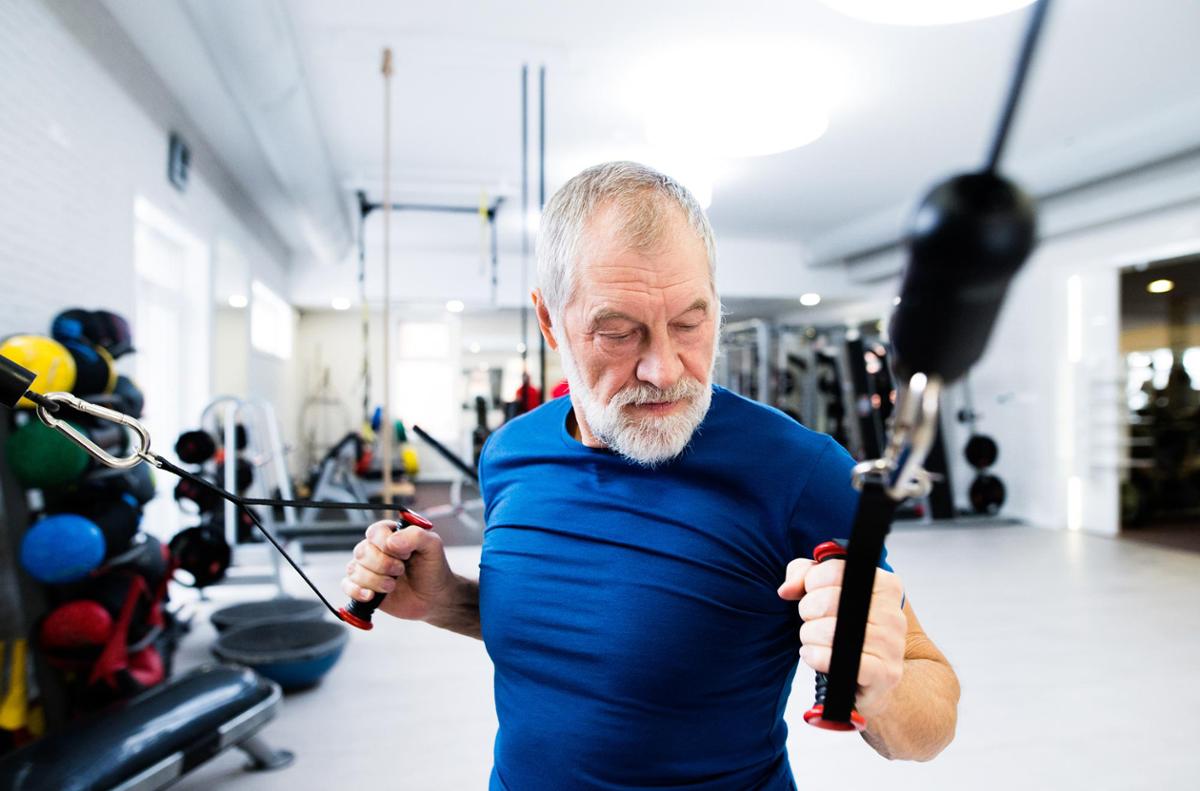
Patients started training just two weeks after heart surgery / Photo: Shutterstock/Shutterstock/Halfpoint
Post-operative heart surgery patients could begin their road to fitness recovery much earlier than previously thought.
Game-changing research shows that upper-body resistance training can commence – and be beneficial – just two weeks after an operation.
For post-op heart surgery patients, exercise is typically limited to light-level activity for 12 weeks, as they recover from operations that have taken up to four hours to complete.
However, a study by Swinburne University of Technology in Melbourne, Australia, showed that patients who undertake early resistance training recover quicker – within three months of surgery.
About the study The results were based on a 12-week resistance training programme, which included patients using both limbs simultaneously.
Exercise physiologist Jacqueline Pengelly, the study’s author, said: “Patients are often told to avoid or limit the use of their arms and undertake walking, meaning they’re unable to perform or resume their daily or recreational activities, which can be a cause of frustration and feelings of loss of identity.
“However, patients in the resistance training programme reported feeling stronger and were motivated to keep trying to increase their workload.
“Because they were supervised, and their safety and recovery monitored, they gained the knowledge and confidence needed to recommence the activities they enjoy safer and earlier than minimal activity rehab programmes.
Further research Pengelly now wants to conduct a larger study with more surgery and resistance training intervention using a range of resistance equipment. She says: “This would mean that resistance training is more accessible to patients and give exercise physiologists and physiotherapists the confidence to replicate the training within their own cardiac rehabilitation programmes.
“Exercise is medicine – exercise physiologists need to carefully select outcome measures that are appropriate to the patient’s ability and use this information to prescribe exercises and exercise intensities that are appropriate. It’s time for change, so let’s get moving.”
Read more about the study, Exercise is medicine – how heart surgery patients are bouncing back post-op: www.hcmmag.com/cardiac
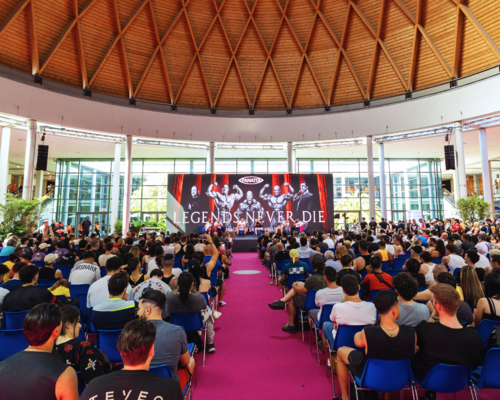
Panatta brought together four of the most influential figures in bodybuilding history on the
stage of RiminiWellness 2026: Phil Heath, Lee Haney, Ronnie Coleman and Hany Rambod. [more...]
Patients started training just two weeks after heart surgery / Photo: Shutterstock/Shutterstock/Halfpoint
Post-operative heart surgery patients could begin their road to fitness recovery much earlier than previously thought.
Game-changing research shows that upper-body resistance training can commence – and be beneficial – just two weeks after an operation.
For post-op heart surgery patients, exercise is typically limited to light-level activity for 12 weeks, as they recover from operations that have taken up to four hours to complete.
However, a study by Swinburne University of Technology in Melbourne, Australia, showed that patients who undertake early resistance training recover quicker – within three months of surgery.
About the study The results were based on a 12-week resistance training programme, which included patients using both limbs simultaneously.
Exercise physiologist Jacqueline Pengelly, the study’s author, said: “Patients are often told to avoid or limit the use of their arms and undertake walking, meaning they’re unable to perform or resume their daily or recreational activities, which can be a cause of frustration and feelings of loss of identity.
“However, patients in the resistance training programme reported feeling stronger and were motivated to keep trying to increase their workload.
“Because they were supervised, and their safety and recovery monitored, they gained the knowledge and confidence needed to recommence the activities they enjoy safer and earlier than minimal activity rehab programmes.
Further research Pengelly now wants to conduct a larger study with more surgery and resistance training intervention using a range of resistance equipment. She says: “This would mean that resistance training is more accessible to patients and give exercise physiologists and physiotherapists the confidence to replicate the training within their own cardiac rehabilitation programmes.
“Exercise is medicine – exercise physiologists need to carefully select outcome measures that are appropriate to the patient’s ability and use this information to prescribe exercises and exercise intensities that are appropriate. It’s time for change, so let’s get moving.”
Read more about the study, Exercise is medicine – how heart surgery patients are bouncing back post-op: www.hcmmag.com/cardiac
It’s been five years since the fitness industry reopened after the last lockdown – long enough
to look back on the impact the pandemic had on the sector and what might come next.
Wattbike has announced a new integration with EGYM, which enables the bikes to contribute to
the Cardio BioAge score of individuals via a VO2 max result.
Les Mills has launched a reformer Pilates workout. The 45-minute workout blends traditional
reformer movements and more contemporary exercises, choreographed to music.
According to research which tracked more than 147,000 people for 30 years, 90-120 minutes
of strength training a week may deliver some of the biggest long-term health rewards.
The UK's four Chief Medical Officers have published a refreshed edition of Physical activity
guidelines: UK Chief Medical Officers' report, updating the evidence that underpins the nation's
physical activity recommendations and placing greater emphasis on strength, balance, reducing
sedentary behaviour and, for the first time, supporting people taking weight loss medications.
Places Leisure has exchanged contracts to build and operate a flagship £60m water and leisure
destination on behalf of Basingstoke and Deane Borough Council.
The Republic of Ireland will become the latest market in PureGym’s expanding international
portfolio, with the first launch planned for Dublin in 2027.
Anytime Fitness opened more than one club a day in 2025 and is on track to maintain this rate
of growth this year, as parent company Purpose Brands targets further international expansion.
Panatta brought together four of the most influential figures in bodybuilding history on the
stage of RiminiWellness 2026: Phil Heath, Lee Haney, Ronnie Coleman and Hany Rambod. [more...]