Physically active people are 50 per cent more likely to develop
higher levels of antibodies after receiving a vaccine, when compared
to those who are physically inactive, according to new research
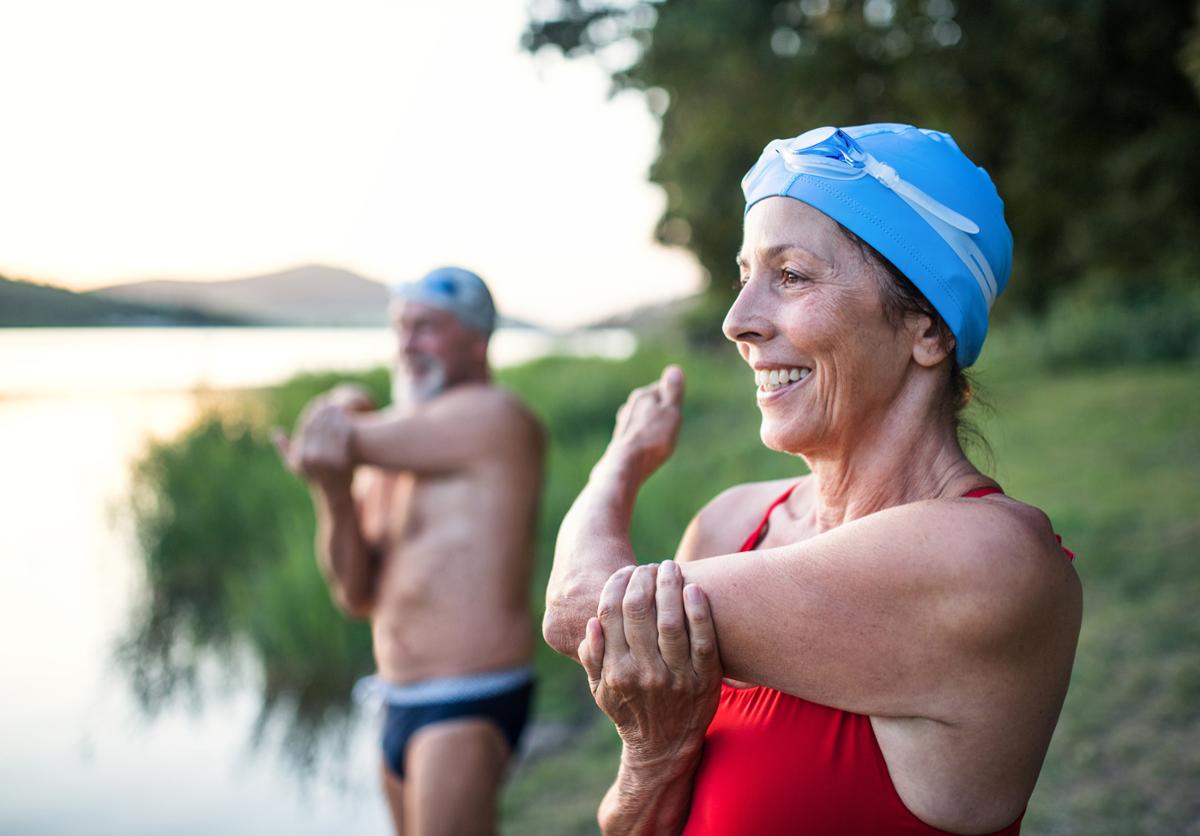
Exercise increases the number of CD4+ T cells, which regulate the immune response / photo: SHUTTERSTOCK/Halfpoint
The finding comes from a study by Glasgow Caledonian University, which suggests that getting people to exercise can significantly increase the effectiveness of vaccination campaigns.
The study also found that 30 minutes of activity, five days a week, cuts the risk of falling ill and dying of infectious diseases by 37 per cent.
According to Professor Sebastien Chastin, one of the study’s authors, the findings could have important implications for future pandemic responses.
Writing for the World Economic Forum, Chastin said: “We already know that physical activity is one of the most effective ways to prevent chronic diseases, along with following a healthy diet and not smoking. A previous study from 2008 already found that physical inactivity is responsible for more than five million premature deaths every year.
The evidence For the Glasgow Caledonian study, Chastin and his team gathered and reviewed all available evidence relating to the effect of physical activity on the risk of falling ill and dying from infectious diseases such as pneumonia – a frequent cause of death from COVID-19 – on the functioning of the immune system and on the outcome of vaccination. “We found reliable evidence that regular physical activity strengthens the human immune system,” Chastin says.
“Across 35 independent randomised controlled trials – the gold standard for scientific evidence – regular physical activity resulted in elevated levels of the antibody immunoglobulin IgA.
“This antibody coats the mucous membranes in our lungs and other parts of our body where viruses and bacteria can enter.
“Regular physical activity also increases the number of CD4+ T cells, which are responsible for alerting the immune system to an attack and regulating its response.
“Finally, in the randomised controlled trials we studied, vaccines appear more effective if they are administered after a programme of physical activity. A person who is active is 50 per cent more likely to have a higher antibody count after the vaccine than somebody who is not active.”
Chastin concludes: “Our systematic review of the evidence shows that regular physical activity strengthens the human immune system, reduces the risk of falling ill and dying from infectious disease, and significantly increases the effectiveness of vaccination campaigns. This has important implications for pandemic responses.”
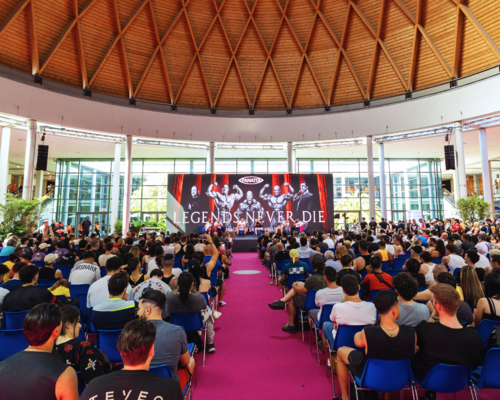
Panatta brought together four of the most influential figures in bodybuilding history on the
stage of RiminiWellness 2026: Phil Heath, Lee Haney, Ronnie Coleman and Hany Rambod. [more...]
Physically active people are 50 per cent more likely to develop
higher levels of antibodies after receiving a vaccine, when compared
to those who are physically inactive, according to new research
Exercise increases the number of CD4+ T cells, which regulate the immune response / photo: SHUTTERSTOCK/Halfpoint
The finding comes from a study by Glasgow Caledonian University, which suggests that getting people to exercise can significantly increase the effectiveness of vaccination campaigns.
The study also found that 30 minutes of activity, five days a week, cuts the risk of falling ill and dying of infectious diseases by 37 per cent.
According to Professor Sebastien Chastin, one of the study’s authors, the findings could have important implications for future pandemic responses.
Writing for the World Economic Forum, Chastin said: “We already know that physical activity is one of the most effective ways to prevent chronic diseases, along with following a healthy diet and not smoking. A previous study from 2008 already found that physical inactivity is responsible for more than five million premature deaths every year.
The evidence For the Glasgow Caledonian study, Chastin and his team gathered and reviewed all available evidence relating to the effect of physical activity on the risk of falling ill and dying from infectious diseases such as pneumonia – a frequent cause of death from COVID-19 – on the functioning of the immune system and on the outcome of vaccination. “We found reliable evidence that regular physical activity strengthens the human immune system,” Chastin says.
“Across 35 independent randomised controlled trials – the gold standard for scientific evidence – regular physical activity resulted in elevated levels of the antibody immunoglobulin IgA.
“This antibody coats the mucous membranes in our lungs and other parts of our body where viruses and bacteria can enter.
“Regular physical activity also increases the number of CD4+ T cells, which are responsible for alerting the immune system to an attack and regulating its response.
“Finally, in the randomised controlled trials we studied, vaccines appear more effective if they are administered after a programme of physical activity. A person who is active is 50 per cent more likely to have a higher antibody count after the vaccine than somebody who is not active.”
Chastin concludes: “Our systematic review of the evidence shows that regular physical activity strengthens the human immune system, reduces the risk of falling ill and dying from infectious disease, and significantly increases the effectiveness of vaccination campaigns. This has important implications for pandemic responses.”
It’s been five years since the fitness industry reopened after the last lockdown – long enough
to look back on the impact the pandemic had on the sector and what might come next.
Wattbike has announced a new integration with EGYM, which enables the bikes to contribute to
the Cardio BioAge score of individuals via a VO2 max result.
Les Mills has launched a reformer Pilates workout. The 45-minute workout blends traditional
reformer movements and more contemporary exercises, choreographed to music.
According to research which tracked more than 147,000 people for 30 years, 90-120 minutes
of strength training a week may deliver some of the biggest long-term health rewards.
The UK's four Chief Medical Officers have published a refreshed edition of Physical activity
guidelines: UK Chief Medical Officers' report, updating the evidence that underpins the nation's
physical activity recommendations and placing greater emphasis on strength, balance, reducing
sedentary behaviour and, for the first time, supporting people taking weight loss medications.
Places Leisure has exchanged contracts to build and operate a flagship £60m water and leisure
destination on behalf of Basingstoke and Deane Borough Council.
The Republic of Ireland will become the latest market in PureGym’s expanding international
portfolio, with the first launch planned for Dublin in 2027.
Anytime Fitness opened more than one club a day in 2025 and is on track to maintain this rate
of growth this year, as parent company Purpose Brands targets further international expansion.
Panatta brought together four of the most influential figures in bodybuilding history on the
stage of RiminiWellness 2026: Phil Heath, Lee Haney, Ronnie Coleman and Hany Rambod. [more...]