Research shows that cancer patients who followed a course of exercise ahead of surgery saw their tumours shrink markedly, when compared to patients who followed the standard care pathway
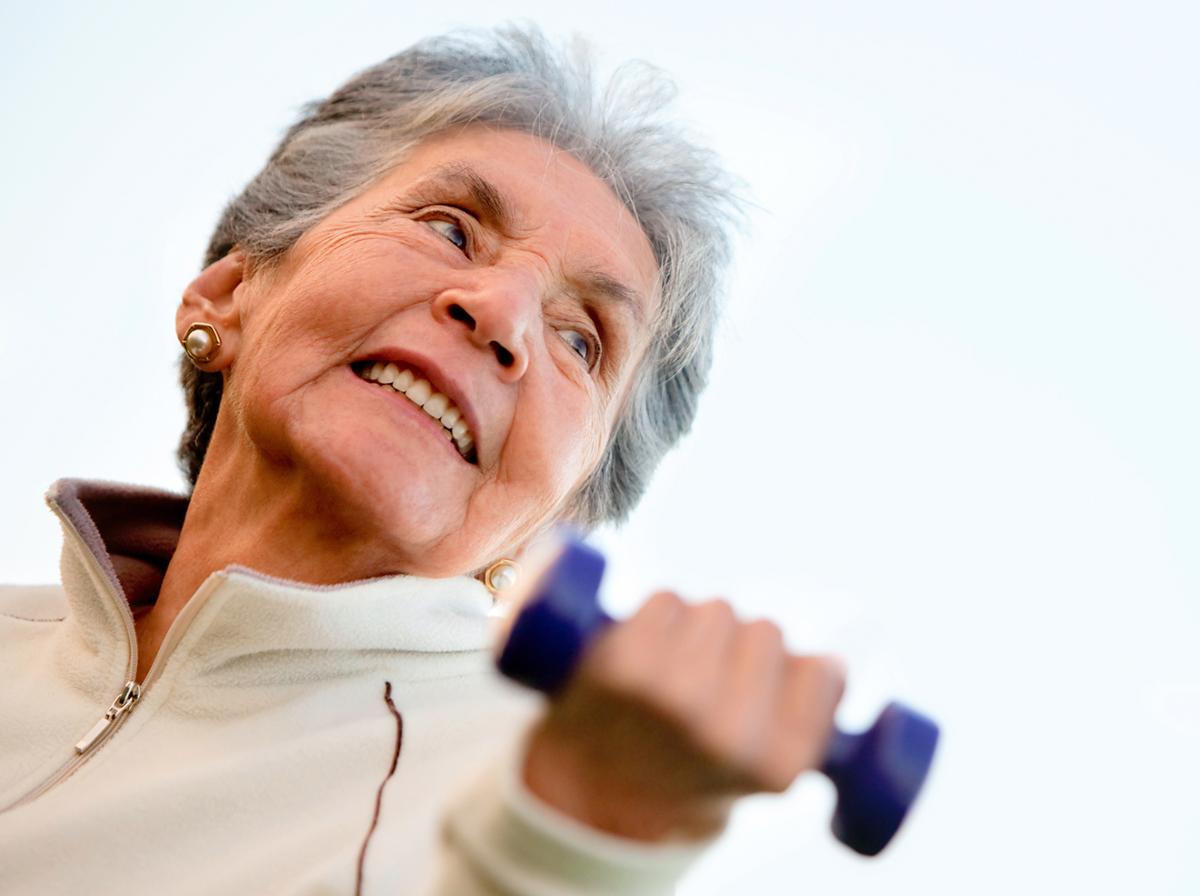
Prehab and rehab packages need to become a part of standard cancer care / PHOTO: Shutterstock/ESB Professional
The study specifically examined the role of exercise prehabilitation in oesophageal cancer treatment.
Funded by the Guy's and St Thomas' NHS Foundation Trust in the UK, the study is the first evidence that structured exercise intervention enhances tumour regression during pre-surgical chemotherapy.
Patients on the trial also experienced a strengthening of the immune system and a partial reversal of chemo-related deconditioning and loss of muscle mass and function, leading to an improvement in quality of life during treatment.
The team behind the study – which is published in the British Journal of Sports Medicine – said it was an "extremely encouraging moment" to observe an improved response to chemotherapy treatment in cancer patients.
The trial The team compared two groups of oesophageal cancer patients undergoing chemotherapy prior to surgery. Twenty-one patients were assigned to a structured prehabilitation exercise intervention for 16 weeks, while a second group of 19 patients followed standard care without structured exercise.
The exercise intervention programme – or 'prehabilitation' – undertaken during chemotherapy was based on a ‘moderate intensity’ programme in line with World Health Organization (WHO) and UK Chief Medical Officer (UK-CMO) guidelines for physical activity. It included 150 minutes of moderate-intensity aerobic exercise (ie, walking) and two strength sessions per week.
The analysis Biochemical and body composition analyses were performed at multiple times prior to starting, during and following chemotherapy, as well as prior to and following surgery, to measure radiological and pathological markers of disease regression.
The results showed that the ‘exercise’ group demonstrated higher rates of tumour regression and downstaging, as well as improved immune function, reduced inflammation, and a reduction in chemotherapy-related reductions in muscle mass and physical deconditioning.
Prehabilitation is increasingly seen as a key part of supporting cancer patients during treatment. Andrew Davies, consultant surgeon at Guy’s and St Thomas, and lead author of the study, described the results as “exciting”. He said: “This is the first time a relationship between exercise and chemotherapy response has been shown in a human trial and opens up the possibility of benefitting patients with other types of cancer and those in palliative as well as curative settings.
Panatta brought together four of the most influential figures in bodybuilding history on the
stage of RiminiWellness 2026: Phil Heath, Lee Haney, Ronnie Coleman and Hany Rambod. [more...]
Research shows that cancer patients who followed a course of exercise ahead of surgery saw their tumours shrink markedly, when compared to patients who followed the standard care pathway
Prehab and rehab packages need to become a part of standard cancer care / PHOTO: Shutterstock/ESB Professional
The study specifically examined the role of exercise prehabilitation in oesophageal cancer treatment.
Funded by the Guy's and St Thomas' NHS Foundation Trust in the UK, the study is the first evidence that structured exercise intervention enhances tumour regression during pre-surgical chemotherapy.
Patients on the trial also experienced a strengthening of the immune system and a partial reversal of chemo-related deconditioning and loss of muscle mass and function, leading to an improvement in quality of life during treatment.
The team behind the study – which is published in the British Journal of Sports Medicine – said it was an "extremely encouraging moment" to observe an improved response to chemotherapy treatment in cancer patients.
The trial The team compared two groups of oesophageal cancer patients undergoing chemotherapy prior to surgery. Twenty-one patients were assigned to a structured prehabilitation exercise intervention for 16 weeks, while a second group of 19 patients followed standard care without structured exercise.
The exercise intervention programme – or 'prehabilitation' – undertaken during chemotherapy was based on a ‘moderate intensity’ programme in line with World Health Organization (WHO) and UK Chief Medical Officer (UK-CMO) guidelines for physical activity. It included 150 minutes of moderate-intensity aerobic exercise (ie, walking) and two strength sessions per week.
The analysis Biochemical and body composition analyses were performed at multiple times prior to starting, during and following chemotherapy, as well as prior to and following surgery, to measure radiological and pathological markers of disease regression.
The results showed that the ‘exercise’ group demonstrated higher rates of tumour regression and downstaging, as well as improved immune function, reduced inflammation, and a reduction in chemotherapy-related reductions in muscle mass and physical deconditioning.
Prehabilitation is increasingly seen as a key part of supporting cancer patients during treatment. Andrew Davies, consultant surgeon at Guy’s and St Thomas, and lead author of the study, described the results as “exciting”. He said: “This is the first time a relationship between exercise and chemotherapy response has been shown in a human trial and opens up the possibility of benefitting patients with other types of cancer and those in palliative as well as curative settings.
It’s been five years since the fitness industry reopened after the last lockdown – long enough
to look back on the impact the pandemic had on the sector and what might come next.
Wattbike has announced a new integration with EGYM, which enables the bikes to contribute to
the Cardio BioAge score of individuals via a VO2 max result.
Les Mills has launched a reformer Pilates workout. The 45-minute workout blends traditional
reformer movements and more contemporary exercises, choreographed to music.
According to research which tracked more than 147,000 people for 30 years, 90-120 minutes
of strength training a week may deliver some of the biggest long-term health rewards.
The UK's four Chief Medical Officers have published a refreshed edition of Physical activity
guidelines: UK Chief Medical Officers' report, updating the evidence that underpins the nation's
physical activity recommendations and placing greater emphasis on strength, balance, reducing
sedentary behaviour and, for the first time, supporting people taking weight loss medications.
Places Leisure has exchanged contracts to build and operate a flagship £60m water and leisure
destination on behalf of Basingstoke and Deane Borough Council.
The Republic of Ireland will become the latest market in PureGym’s expanding international
portfolio, with the first launch planned for Dublin in 2027.
Anytime Fitness opened more than one club a day in 2025 and is on track to maintain this rate
of growth this year, as parent company Purpose Brands targets further international expansion.
Panatta brought together four of the most influential figures in bodybuilding history on the
stage of RiminiWellness 2026: Phil Heath, Lee Haney, Ronnie Coleman and Hany Rambod. [more...]