New research suggests that COVID-19 infects fat cells, explaining why overweight and obese people have been at a higher risk of severe illness and death from the virus
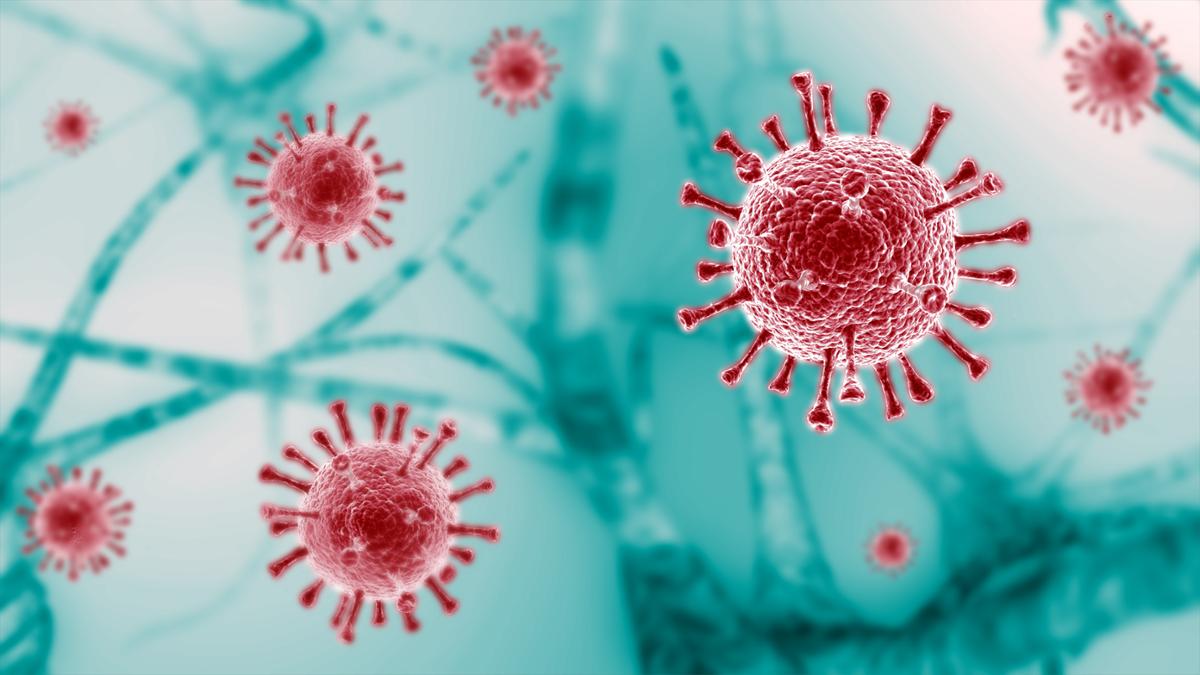
Human fat tissue seems to support SARS-CoV-2 infection, causing a stronger inflammatory response / shutterstock/Red-Diamond
The research study, led by the Stanford University School of Medicine, examined whether fat tissue obtained from patients of bariatric surgery could become infected with the virus that causes COVID-19, and tracked how various types of cells responded to the infection.
It found that fat cells and also immune cells (macrophages) can be infected, leading to a “robust inflammatory response”. The findings show the virus is able to evade the immune defenses within the body's fat cells, before causing inflammation elsewhere in the body and could help explain why patients with excess body weight are particularly vulnerable to the virus – and also why some younger adults with no underlying health issues become so ill.
The research will reinforce the importance of work being done in the health and fitness and spa and wellness industries, to help people control and reduce their percentage body fat.
THE DETAIL In reporting the details of the findings, the researchers said: "Collectively, our findings indicate that adipose (fat) tissue supports SARS-CoV-2 infection and pathogenic inflammation and may explain the link between obesity and severe COVID-19.
"Obesity is clearly associated with adverse COVID-19 outcomes, but the underlying mechanism was unknown. We demonstrate that human fat tissue is 'permissive' to SARS-CoV-2 infection – the virus that causes COVID-19 – and that infection elicits an inflammatory response, including the secretion of known inflammatory mediators of severe COVID-19.
"We identify two cellular targets of SARS-CoV-2 infection in adipose tissue: mature adipocytes and adipose tissue macrophages. Adipose tissue macrophage infection is largely restricted to a highly inflammatory subpopulation of macrophages, present at baseline, that is further activated in response to SARS-CoV-2 infection.
"Preadipocytes, while not infected, adopt a pro-inflammatory phenotype. SARS-CoV-2 RNA is detectable in adipocytes in COVID-19 autopsy cases and is associated with an inflammatory infiltrate.
The research has not yet been peer-reviewed but has been published online here: www.hcmmag.com/fatcells
Panatta brought together four of the most influential figures in bodybuilding history on the
stage of RiminiWellness 2026: Phil Heath, Lee Haney, Ronnie Coleman and Hany Rambod. [more...]
+ More featured suppliers
COMPANY PROFILES
Safe Space Lockers
We provide a full turn-key solution for clients from design and consultation, through to bespoke man [more...]
PSLT Ltd
PSLT Fitness Solutions manufacture, remanufacture and buy back commercial gym equipment. [more...]
New research suggests that COVID-19 infects fat cells, explaining why overweight and obese people have been at a higher risk of severe illness and death from the virus
Human fat tissue seems to support SARS-CoV-2 infection, causing a stronger inflammatory response / shutterstock/Red-Diamond
The research study, led by the Stanford University School of Medicine, examined whether fat tissue obtained from patients of bariatric surgery could become infected with the virus that causes COVID-19, and tracked how various types of cells responded to the infection.
It found that fat cells and also immune cells (macrophages) can be infected, leading to a “robust inflammatory response”. The findings show the virus is able to evade the immune defenses within the body's fat cells, before causing inflammation elsewhere in the body and could help explain why patients with excess body weight are particularly vulnerable to the virus – and also why some younger adults with no underlying health issues become so ill.
The research will reinforce the importance of work being done in the health and fitness and spa and wellness industries, to help people control and reduce their percentage body fat.
THE DETAIL In reporting the details of the findings, the researchers said: "Collectively, our findings indicate that adipose (fat) tissue supports SARS-CoV-2 infection and pathogenic inflammation and may explain the link between obesity and severe COVID-19.
"Obesity is clearly associated with adverse COVID-19 outcomes, but the underlying mechanism was unknown. We demonstrate that human fat tissue is 'permissive' to SARS-CoV-2 infection – the virus that causes COVID-19 – and that infection elicits an inflammatory response, including the secretion of known inflammatory mediators of severe COVID-19.
"We identify two cellular targets of SARS-CoV-2 infection in adipose tissue: mature adipocytes and adipose tissue macrophages. Adipose tissue macrophage infection is largely restricted to a highly inflammatory subpopulation of macrophages, present at baseline, that is further activated in response to SARS-CoV-2 infection.
"Preadipocytes, while not infected, adopt a pro-inflammatory phenotype. SARS-CoV-2 RNA is detectable in adipocytes in COVID-19 autopsy cases and is associated with an inflammatory infiltrate.
The research has not yet been peer-reviewed but has been published online here: www.hcmmag.com/fatcells
It’s been five years since the fitness industry reopened after the last lockdown – long enough
to look back on the impact the pandemic had on the sector and what might come next.
Wattbike has announced a new integration with EGYM, which enables the bikes to contribute to
the Cardio BioAge score of individuals via a VO2 max result.
Les Mills has launched a reformer Pilates workout. The 45-minute workout blends traditional
reformer movements and more contemporary exercises, choreographed to music.
According to research which tracked more than 147,000 people for 30 years, 90-120 minutes
of strength training a week may deliver some of the biggest long-term health rewards.
The UK's four Chief Medical Officers have published a refreshed edition of Physical activity
guidelines: UK Chief Medical Officers' report, updating the evidence that underpins the nation's
physical activity recommendations and placing greater emphasis on strength, balance, reducing
sedentary behaviour and, for the first time, supporting people taking weight loss medications.
Places Leisure has exchanged contracts to build and operate a flagship £60m water and leisure
destination on behalf of Basingstoke and Deane Borough Council.
The Republic of Ireland will become the latest market in PureGym’s expanding international
portfolio, with the first launch planned for Dublin in 2027.
Anytime Fitness opened more than one club a day in 2025 and is on track to maintain this rate
of growth this year, as parent company Purpose Brands targets further international expansion.
Panatta brought together four of the most influential figures in bodybuilding history on the
stage of RiminiWellness 2026: Phil Heath, Lee Haney, Ronnie Coleman and Hany Rambod. [more...]
+ More featured suppliers
COMPANY PROFILES
Safe Space Lockers We provide a full turn-key solution for clients from design and consultation, through to bespoke man [more...]