Many essential services, such as exercise referral, have been limited or stopped operating during the pandemic
The pandemic has presented a huge challenge to our sector, but collectively we’ve shown great resolve and a collective response to be proud of.
We’re proving that – with the support of key representative bodies, such as ukactive and CIMSPA and the collective voice of every individual operator and exercise professional – we’re capable of getting our voice heard.
Yet, there is so much more for us to do in continuing to lead the way, positively and proactively.
As operators reopen and our members begin to re-engage with activity we must remain aware that people will be coming back with varying levels of confidence and competence.
The long-term health resilience of the nation is critical to so many facets of our society and we know the benefits of an active lifestyle are far reaching and support the management of many health conditions.
Considering the stress and strain COVID-19 has placed on the NHS, being able to remain active and reap these benefits is one way everyone can help to give our health service space to breathe.
As our sector continues to show how it can operate in a COVID-secure way and be part of the solution to recovery, we want to raise the key discussion point in supporting people to re-engage with physical activity across the spaces and places within our sector.
The recent Public Health England report Addressing Inequalities in Physical Activity outlines some of the key challenges and enablers in tackling the inequalities that exist for some key groups when it comes to leading an active lifestyle.
How can we ensure the equality and diversity agenda isn’t lost in the rush to return? Social restrictions used by the government to contain the spread of COVID-19 are increasing health and physical activity inequalities in the UK and as operators focus on business recovery, it’s essential we don’t lose sight of the importance of having diversity within our membership.
Activity Alliance, the organisation for inclusion and equality for disabled people in physical activity and sport is concerned that disabled people may become a forgotten audience, considering the potential loss of key staff who’ve been central to ensuring inclusive practice.
With the closure of leisure facilities, many essential services, such as exercise referral, have been limited or stopped operating.
There’s no doubt that certain groups of people have been disproportionately affected by the pandemic and are at greater risk of becoming inactive, with the conditions of lockdown reinforcing their sedentary habits.
Data from Sport England’s Active Lives Adult Survey highlights that people with a number of disabilities, Black and Asian communities (excluding Chinese) and people from lower socioeconomic groups have seen some of the highest decrease in activity levels.
Where do we need to focus in order to ensure all of our membership hear our call to return? Sport England’s weekly surveys with ComRes, looking at the real-time impacts of COVID-19 in England, used the COM-B model to determine what was impacting changes in physical activity behaviour.
The COM-B model is used to identify what needs to change in order for behavioural interventions to work. It identifies three key factors needed for success: capability, opportunity and motivation.
Unsurprisingly, ComRes found it was the perceived lack of opportunity that most affected people.
To remedy this situation, some operators have switched to offering services through online platforms, and other initiatives have filled the void where this hasn’t been possible.
For example, the Make Movement your Mission programme from Later Life Training, delivered through Facebook, supports older people in remaining active during isolation, while social enterprise, Good Boost, has developed an app that uses AI to provide tailored exercise programmes for people with musculoskeletal conditions.
Discussions across our network suggest many population groups who’ve been disproportionately impacted by the pandemic will be the last to come back to leisure centres, although this is constantly changing as confidence grows, thanks to the availability of vaccines.
Published data on predictions on the return to centres is limited. 4Global has been one of the organisations leading the way, monitoring the return to the centres.
They’ve noted that 25-44 years olds are leading the membership return and have expressed concerns that the local lockdown restrictions may have shaken consumer confidence – this is likely to adversely impact people who may not be confident about their capability to be active or are understandably risk-averse at the moment.
There has been a physical activity message from the UK Government throughout the pandemic to remain active, yet it’s fair to say that this has been lost over time through the many media filters.
As the general population’s levels of resilience were lowered during the first and second waves, a greater seasonal effect on activity levels has been seen this winter, as fewer people have ‘seen’ the opportunities they need to take in order to change.
Where activity has been promoted, we must recognise that for 12 months we’ve been hit with a national marketing campaign promoting outdoor physical activity opportunities. The government has been championing the benefits of physical activity in supporting mental health or boosting the immune system, against a background message that we need to shut centres to prevent infection and this will have had some impact on public perception.
The worry is that restrictions used to manage the pandemic have reinforced sedentary behaviours. One survey found 78 per cent of UK adults have spent longer sitting during lockdown, with 15 per cent sitting for four hours extra per day.
Operators have worked hard to reassure members that facilities are COVID-secure and this must remain a constant message, even when people have returned. It’s critical to not become complacent and assume just because a member is attending, they have fully made up their mind.
Relapse is always a factor and COVID-19 has added one big extra reason for that to happen – hygiene will be a huge priority now and forever.
We must also reconnect with members, as their needs may have changed during the closures.
How do we attract and retain the least active people? Move Consulting director, Elaine McNish previously worked at Swim England as head of health and wellbeing and her team developed the Water Wellbeing model that took a whole pool approach to supporting people with health conditions into the water.
While this was developed before COVID-19, there are key learnings from it that are even more important now as we work to attract back members to our facilities.
The barriers that prevent people using facilities are the same for those who do attend, it’s just those who are not active are likely to give up at the first barrier they meet. We need to look at the whole customer journey to remove glitches that stop them getting through the front door.
KEY REASSURANCES In the first instance we need to understand that non-customers need to be reassured enough to see gyms, leisure centres and activity as being beneficial to their life. There has been some great work carried out by the charity sector to understand the needs of beneficiaries. In behaviour terms the ‘intention-action gap’ is there for us all. Many people want to be active, but they need an offer that’s tailored for them and the reassurance that people supporting them will understand the challenges they face on a day to day basis.
If we look at a customer journey this reassurance needs to start even before they enter the centre:
Who’s the person recommending the offer and do I trust them? Operators that have the greatest success are those who’ve thought hard about creating partnerships with organisations, who are trusted by the groups they’re trying to reach and can signpost them to facilities.
Will I feel welcome? Will the receptionist understand my needs and know about my session? The Activity Alliance has great online training on delivering excellent customer service, helping frontline staff understand how to better support people with additional needs. Training aside, understanding simple practices such as being at the front to greet new customers or better signposting to help navigation in the building can make a big difference.
Does the imagery used look like me or speak to me? There are some great examples of marketing where operators have thought carefully about the images they use and used quotes from participants about what they’ve gained from undertaking the activity – similar to messaging we’ve seen in This Girl Can and We Are Undefeatable.
What will the experience be like and how will I know what to do? Virtual tours or picture stories can show people how to navigate the building, reassure on hygiene processes and how to use equipment.
Is the offer right for me? Operators need to ensure the opportunities they’re providing, are tailored to target customers.
In the past we’ve seen the rise of symptom-based classes in the world of exercise referral or disability specific programmes. While there’s no doubt these have their place, they may not always be sustainable and may limit choice and integration.
We need to recognise that people are more than just a bunch of medical conditions and ensure we understand the individual’s motivation for taking part.
Our industry has traditionally prioritised giving the workforce the technical knowledge to support customers, over developing the skills and behaviours to first understand and connect with them as people.
Consider campaigns such as We Are Undefeatable, which strives to support and encourage people with long-term health conditions in finding ways to be active that work with their individual condition, not against them. It’s vital to see the person first.
I previously worked at UK Coaching as the policy and partnership manager for physical activity and health. I was involved in the development of many of the professional standards relating to engaging the least active people, and was also a link for Sport England, driving how to support workforce messaging related to the We Are Undefeatable campaign.
UK Coaching completes an annual survey called Coaching in the UK, which looks at things from a workforce and participant perspective. From this report and from subsequent consultations in the development of professional standards led by CIMSPA, it’s apparent that there’s an underlying demand from participants for the deliverer to be expert in more than the technical elements of their trade.
Key skills relating to behaviour change, including understanding client needs, action planning and keeping clients motivated – to name but a few – were consistently coming out as a priority.
Working to support the ongoing learning of the workforce in these key skills is essential to providing a safe and engaging environment – beyond the physical – which members can return to, feel comfortable exercising in and begin to thrive in.
For the workforce, it’s essential this learning provides the opportunity for concepts to be presented and applied in a context that resonates with the learner.
Where does this leave us? This has been a time of reflection. Many people have taken the pandemic as an opportunity to stop and reflect, some have used this time to invest inwardly and develop themselves. This is one of many positive behaviours we must continue through 2021 and beyond. We must ensure as a sector that we continue to lead the way in supporting people to develop a positive relationship with physical activity that can last a lifetime.
We encourage you to continue to: • Understand your members better, exploring their thoughts, feelings, wants and needs.
• Co-create your offer with members, or at least ensure you use the insight you have to get it right.
• Engage with your communities using outreach programmes.
• Open up two-way communication pathways with your workforce and membership to listen to their challenges and needs.
• Invest in supporting your workforce in understanding how to support behaviour change.
• Work collaboratively with other community providers who engage the same audience.
If we can achieve this, we can have a lasting and positive impact on the wellbeing of our communities. We can increase the diversity of the members who return to us, and we can reduce the risk of relapse – beyond the idea of membership alone – but where the real risks lies, ie, in physical inactivity.
Now is the time to support members, when and where they need this support the most.
Craig Blain is a director of Move Consulting, a learning and development organisation with a specialist interest in physical activity-related behaviour change in physical activity related behaviour change
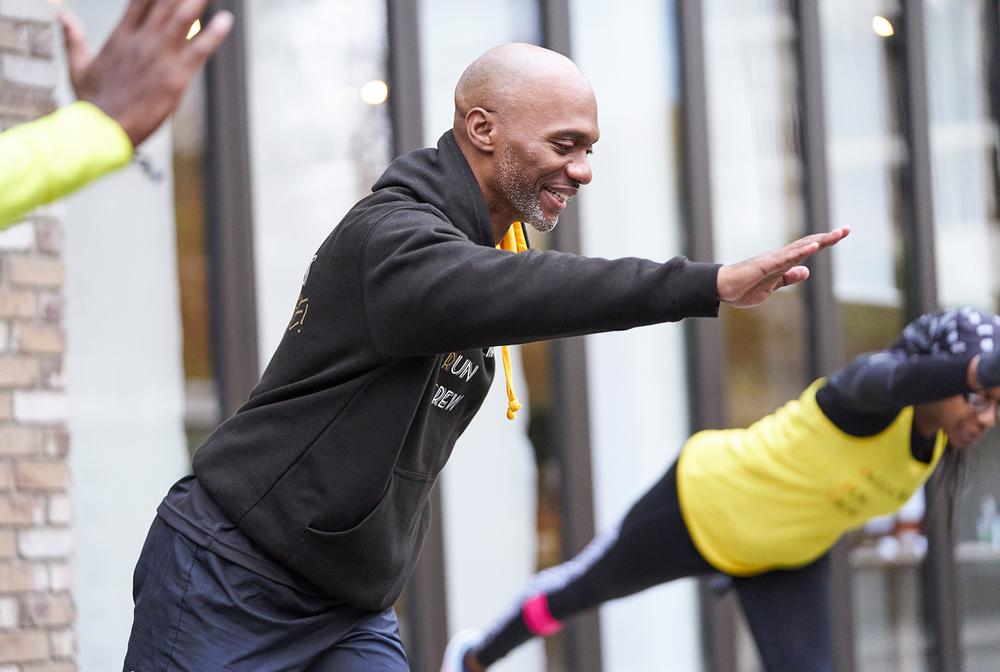
It’s vital to understand people’s motivations for taking part
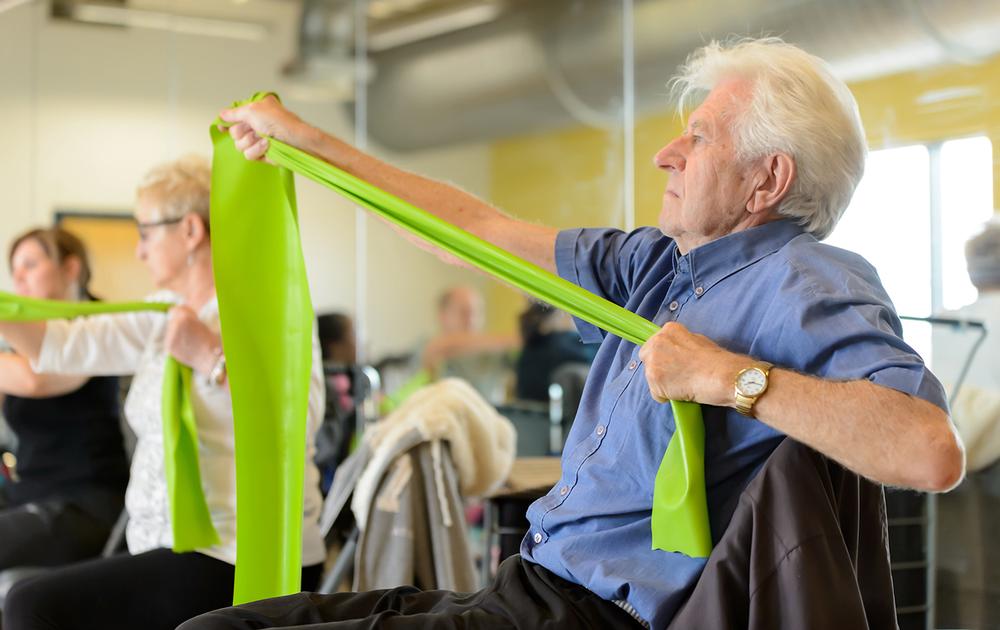
We must ‘de-medicalise’ the way we engage with and support those with long-term conditions.
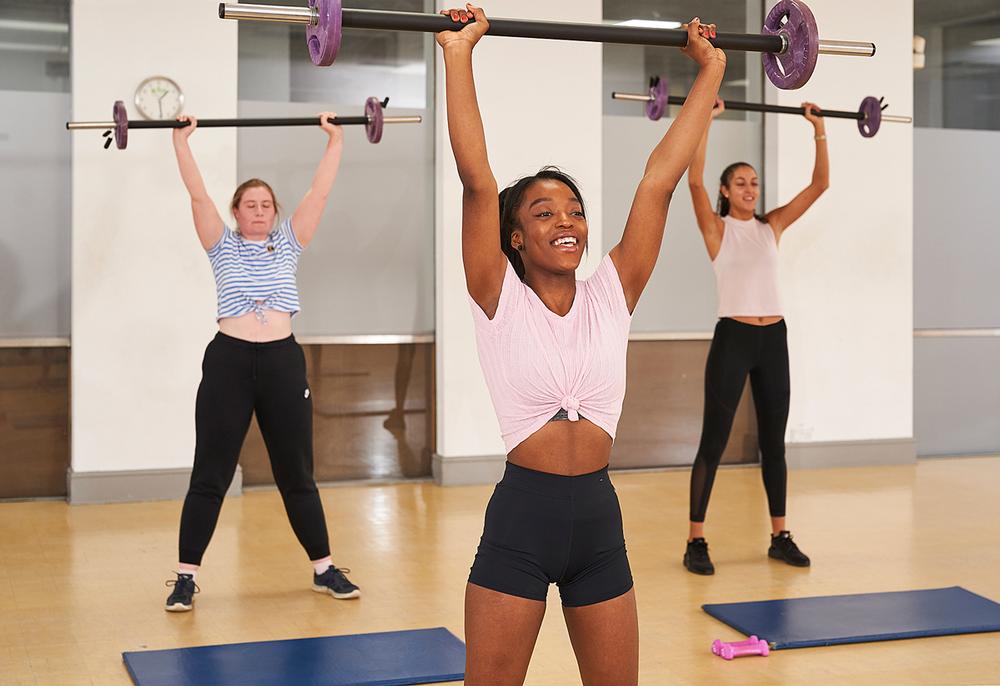
Opportunities to exercise must be tailored to target customer groups
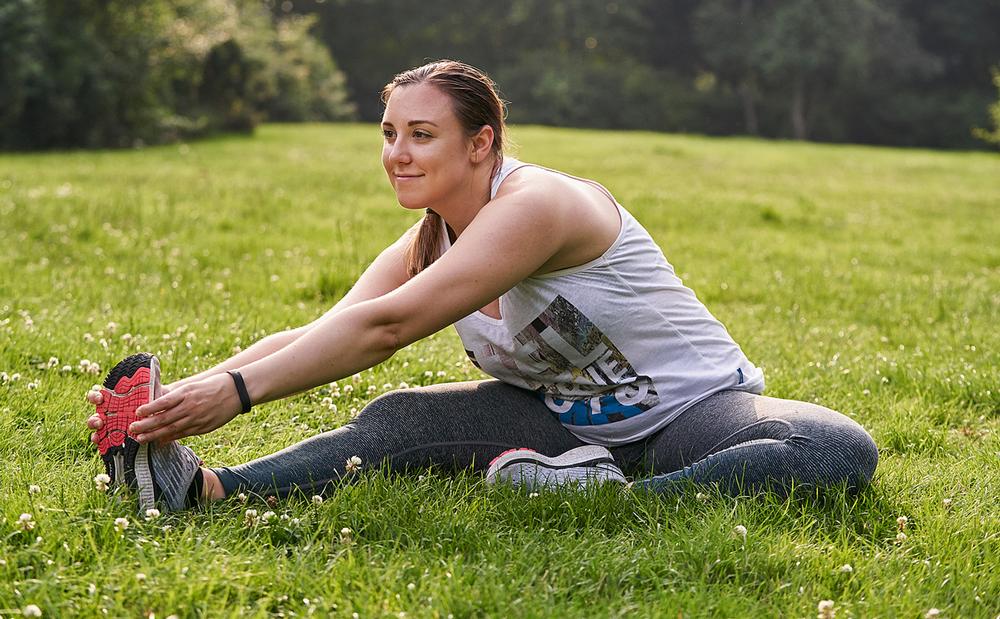
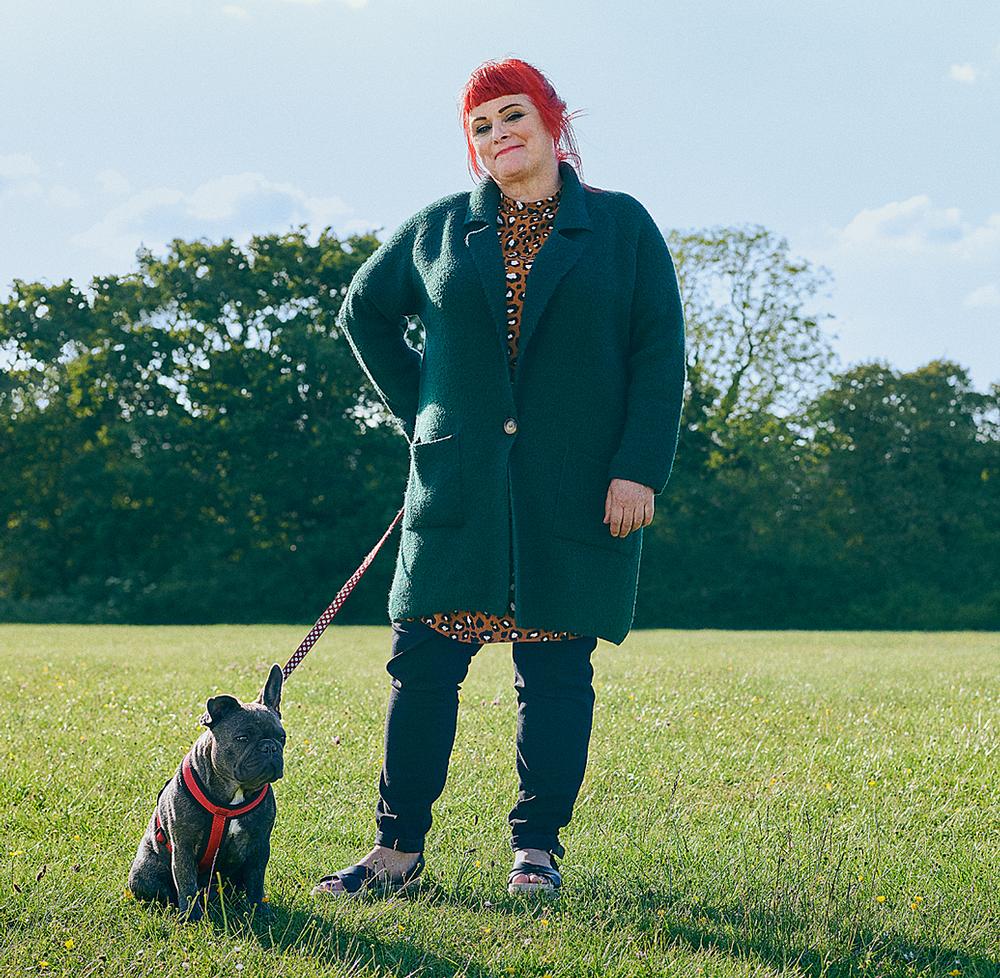
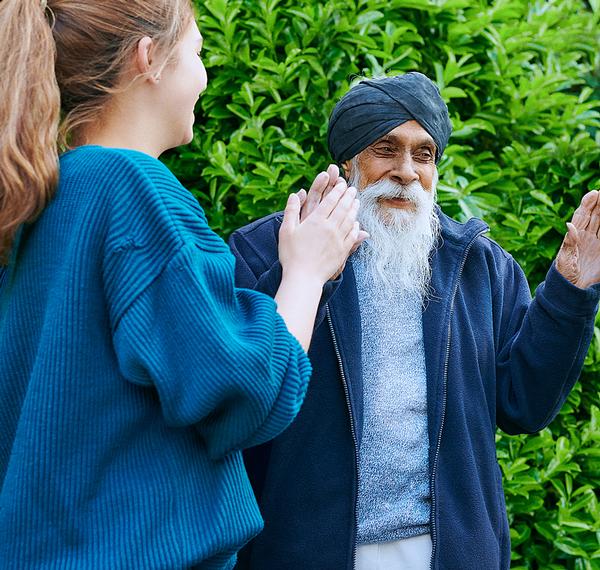
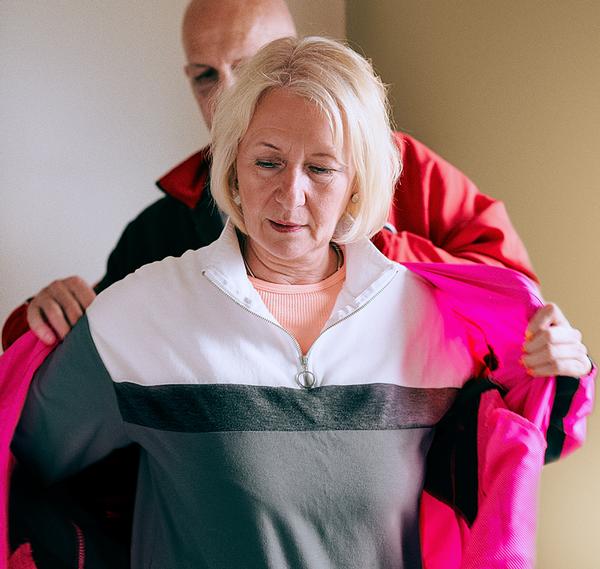
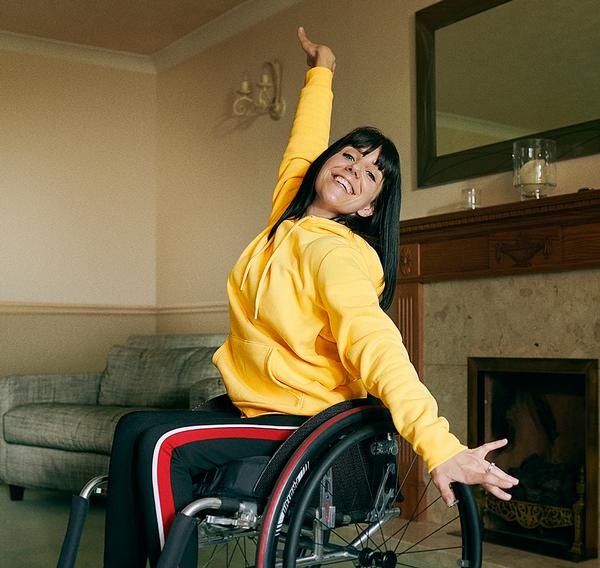
Campaigns such as Sport England’s This Girl Can and We are Undefeatable, set the benchmark
Campaigns such as Sport England’s This Girl Can and We are Undefeatable, set the benchmark
Campaigns such as Sport England’s This Girl Can and We are Undefeatable, set the benchmark
Campaigns such as Sport England’s This Girl Can and We are Undefeatable, set the benchmark
Panatta brought together four of the most influential figures in bodybuilding history on the
stage of RiminiWellness 2026: Phil Heath, Lee Haney, Ronnie Coleman and Hany Rambod. [more...]
+ More featured suppliers
COMPANY PROFILES
Precor
Precor promises precision-quality products with steadfast reliability that are inspired by exerciser [more...]
Many essential services, such as exercise referral, have been limited or stopped operating during the pandemic
The pandemic has presented a huge challenge to our sector, but collectively we’ve shown great resolve and a collective response to be proud of.
We’re proving that – with the support of key representative bodies, such as ukactive and CIMSPA and the collective voice of every individual operator and exercise professional – we’re capable of getting our voice heard.
Yet, there is so much more for us to do in continuing to lead the way, positively and proactively.
As operators reopen and our members begin to re-engage with activity we must remain aware that people will be coming back with varying levels of confidence and competence.
The long-term health resilience of the nation is critical to so many facets of our society and we know the benefits of an active lifestyle are far reaching and support the management of many health conditions.
Considering the stress and strain COVID-19 has placed on the NHS, being able to remain active and reap these benefits is one way everyone can help to give our health service space to breathe.
As our sector continues to show how it can operate in a COVID-secure way and be part of the solution to recovery, we want to raise the key discussion point in supporting people to re-engage with physical activity across the spaces and places within our sector.
The recent Public Health England report Addressing Inequalities in Physical Activity outlines some of the key challenges and enablers in tackling the inequalities that exist for some key groups when it comes to leading an active lifestyle.
How can we ensure the equality and diversity agenda isn’t lost in the rush to return? Social restrictions used by the government to contain the spread of COVID-19 are increasing health and physical activity inequalities in the UK and as operators focus on business recovery, it’s essential we don’t lose sight of the importance of having diversity within our membership.
Activity Alliance, the organisation for inclusion and equality for disabled people in physical activity and sport is concerned that disabled people may become a forgotten audience, considering the potential loss of key staff who’ve been central to ensuring inclusive practice.
With the closure of leisure facilities, many essential services, such as exercise referral, have been limited or stopped operating.
There’s no doubt that certain groups of people have been disproportionately affected by the pandemic and are at greater risk of becoming inactive, with the conditions of lockdown reinforcing their sedentary habits.
Data from Sport England’s Active Lives Adult Survey highlights that people with a number of disabilities, Black and Asian communities (excluding Chinese) and people from lower socioeconomic groups have seen some of the highest decrease in activity levels.
Where do we need to focus in order to ensure all of our membership hear our call to return? Sport England’s weekly surveys with ComRes, looking at the real-time impacts of COVID-19 in England, used the COM-B model to determine what was impacting changes in physical activity behaviour.
The COM-B model is used to identify what needs to change in order for behavioural interventions to work. It identifies three key factors needed for success: capability, opportunity and motivation.
Unsurprisingly, ComRes found it was the perceived lack of opportunity that most affected people.
To remedy this situation, some operators have switched to offering services through online platforms, and other initiatives have filled the void where this hasn’t been possible.
For example, the Make Movement your Mission programme from Later Life Training, delivered through Facebook, supports older people in remaining active during isolation, while social enterprise, Good Boost, has developed an app that uses AI to provide tailored exercise programmes for people with musculoskeletal conditions.
Discussions across our network suggest many population groups who’ve been disproportionately impacted by the pandemic will be the last to come back to leisure centres, although this is constantly changing as confidence grows, thanks to the availability of vaccines.
Published data on predictions on the return to centres is limited. 4Global has been one of the organisations leading the way, monitoring the return to the centres.
They’ve noted that 25-44 years olds are leading the membership return and have expressed concerns that the local lockdown restrictions may have shaken consumer confidence – this is likely to adversely impact people who may not be confident about their capability to be active or are understandably risk-averse at the moment.
There has been a physical activity message from the UK Government throughout the pandemic to remain active, yet it’s fair to say that this has been lost over time through the many media filters.
As the general population’s levels of resilience were lowered during the first and second waves, a greater seasonal effect on activity levels has been seen this winter, as fewer people have ‘seen’ the opportunities they need to take in order to change.
Where activity has been promoted, we must recognise that for 12 months we’ve been hit with a national marketing campaign promoting outdoor physical activity opportunities. The government has been championing the benefits of physical activity in supporting mental health or boosting the immune system, against a background message that we need to shut centres to prevent infection and this will have had some impact on public perception.
The worry is that restrictions used to manage the pandemic have reinforced sedentary behaviours. One survey found 78 per cent of UK adults have spent longer sitting during lockdown, with 15 per cent sitting for four hours extra per day.
Operators have worked hard to reassure members that facilities are COVID-secure and this must remain a constant message, even when people have returned. It’s critical to not become complacent and assume just because a member is attending, they have fully made up their mind.
Relapse is always a factor and COVID-19 has added one big extra reason for that to happen – hygiene will be a huge priority now and forever.
We must also reconnect with members, as their needs may have changed during the closures.
How do we attract and retain the least active people? Move Consulting director, Elaine McNish previously worked at Swim England as head of health and wellbeing and her team developed the Water Wellbeing model that took a whole pool approach to supporting people with health conditions into the water.
While this was developed before COVID-19, there are key learnings from it that are even more important now as we work to attract back members to our facilities.
The barriers that prevent people using facilities are the same for those who do attend, it’s just those who are not active are likely to give up at the first barrier they meet. We need to look at the whole customer journey to remove glitches that stop them getting through the front door.
KEY REASSURANCES In the first instance we need to understand that non-customers need to be reassured enough to see gyms, leisure centres and activity as being beneficial to their life. There has been some great work carried out by the charity sector to understand the needs of beneficiaries. In behaviour terms the ‘intention-action gap’ is there for us all. Many people want to be active, but they need an offer that’s tailored for them and the reassurance that people supporting them will understand the challenges they face on a day to day basis.
If we look at a customer journey this reassurance needs to start even before they enter the centre:
Who’s the person recommending the offer and do I trust them? Operators that have the greatest success are those who’ve thought hard about creating partnerships with organisations, who are trusted by the groups they’re trying to reach and can signpost them to facilities.
Will I feel welcome? Will the receptionist understand my needs and know about my session? The Activity Alliance has great online training on delivering excellent customer service, helping frontline staff understand how to better support people with additional needs. Training aside, understanding simple practices such as being at the front to greet new customers or better signposting to help navigation in the building can make a big difference.
Does the imagery used look like me or speak to me? There are some great examples of marketing where operators have thought carefully about the images they use and used quotes from participants about what they’ve gained from undertaking the activity – similar to messaging we’ve seen in This Girl Can and We Are Undefeatable.
What will the experience be like and how will I know what to do? Virtual tours or picture stories can show people how to navigate the building, reassure on hygiene processes and how to use equipment.
Is the offer right for me? Operators need to ensure the opportunities they’re providing, are tailored to target customers.
In the past we’ve seen the rise of symptom-based classes in the world of exercise referral or disability specific programmes. While there’s no doubt these have their place, they may not always be sustainable and may limit choice and integration.
We need to recognise that people are more than just a bunch of medical conditions and ensure we understand the individual’s motivation for taking part.
Our industry has traditionally prioritised giving the workforce the technical knowledge to support customers, over developing the skills and behaviours to first understand and connect with them as people.
Consider campaigns such as We Are Undefeatable, which strives to support and encourage people with long-term health conditions in finding ways to be active that work with their individual condition, not against them. It’s vital to see the person first.
I previously worked at UK Coaching as the policy and partnership manager for physical activity and health. I was involved in the development of many of the professional standards relating to engaging the least active people, and was also a link for Sport England, driving how to support workforce messaging related to the We Are Undefeatable campaign.
UK Coaching completes an annual survey called Coaching in the UK, which looks at things from a workforce and participant perspective. From this report and from subsequent consultations in the development of professional standards led by CIMSPA, it’s apparent that there’s an underlying demand from participants for the deliverer to be expert in more than the technical elements of their trade.
Key skills relating to behaviour change, including understanding client needs, action planning and keeping clients motivated – to name but a few – were consistently coming out as a priority.
Working to support the ongoing learning of the workforce in these key skills is essential to providing a safe and engaging environment – beyond the physical – which members can return to, feel comfortable exercising in and begin to thrive in.
For the workforce, it’s essential this learning provides the opportunity for concepts to be presented and applied in a context that resonates with the learner.
Where does this leave us? This has been a time of reflection. Many people have taken the pandemic as an opportunity to stop and reflect, some have used this time to invest inwardly and develop themselves. This is one of many positive behaviours we must continue through 2021 and beyond. We must ensure as a sector that we continue to lead the way in supporting people to develop a positive relationship with physical activity that can last a lifetime.
We encourage you to continue to: • Understand your members better, exploring their thoughts, feelings, wants and needs.
• Co-create your offer with members, or at least ensure you use the insight you have to get it right.
• Engage with your communities using outreach programmes.
• Open up two-way communication pathways with your workforce and membership to listen to their challenges and needs.
• Invest in supporting your workforce in understanding how to support behaviour change.
• Work collaboratively with other community providers who engage the same audience.
If we can achieve this, we can have a lasting and positive impact on the wellbeing of our communities. We can increase the diversity of the members who return to us, and we can reduce the risk of relapse – beyond the idea of membership alone – but where the real risks lies, ie, in physical inactivity.
Now is the time to support members, when and where they need this support the most.
Craig Blain is a director of Move Consulting, a learning and development organisation with a specialist interest in physical activity-related behaviour change in physical activity related behaviour change
It’s vital to understand people’s motivations for taking part
We must ‘de-medicalise’ the way we engage with and support those with long-term conditions.
Opportunities to exercise must be tailored to target customer groups
Campaigns such as Sport England’s This Girl Can and We are Undefeatable, set the benchmark
Campaigns such as Sport England’s This Girl Can and We are Undefeatable, set the benchmark
Campaigns such as Sport England’s This Girl Can and We are Undefeatable, set the benchmark
Campaigns such as Sport England’s This Girl Can and We are Undefeatable, set the benchmark
It’s been five years since the fitness industry reopened after the last lockdown – long enough
to look back on the impact the pandemic had on the sector and what might come next.
Wattbike has announced a new integration with EGYM, which enables the bikes to contribute to
the Cardio BioAge score of individuals via a VO2 max result.
Les Mills has launched a reformer Pilates workout. The 45-minute workout blends traditional
reformer movements and more contemporary exercises, choreographed to music.
According to research which tracked more than 147,000 people for 30 years, 90-120 minutes
of strength training a week may deliver some of the biggest long-term health rewards.
The UK's four Chief Medical Officers have published a refreshed edition of Physical activity
guidelines: UK Chief Medical Officers' report, updating the evidence that underpins the nation's
physical activity recommendations and placing greater emphasis on strength, balance, reducing
sedentary behaviour and, for the first time, supporting people taking weight loss medications.
Places Leisure has exchanged contracts to build and operate a flagship £60m water and leisure
destination on behalf of Basingstoke and Deane Borough Council.
The Republic of Ireland will become the latest market in PureGym’s expanding international
portfolio, with the first launch planned for Dublin in 2027.
Anytime Fitness opened more than one club a day in 2025 and is on track to maintain this rate
of growth this year, as parent company Purpose Brands targets further international expansion.
Panatta brought together four of the most influential figures in bodybuilding history on the
stage of RiminiWellness 2026: Phil Heath, Lee Haney, Ronnie Coleman and Hany Rambod. [more...]
+ More featured suppliers
COMPANY PROFILES
Precor Precor promises precision-quality products with steadfast reliability that are inspired by exerciser [more...]