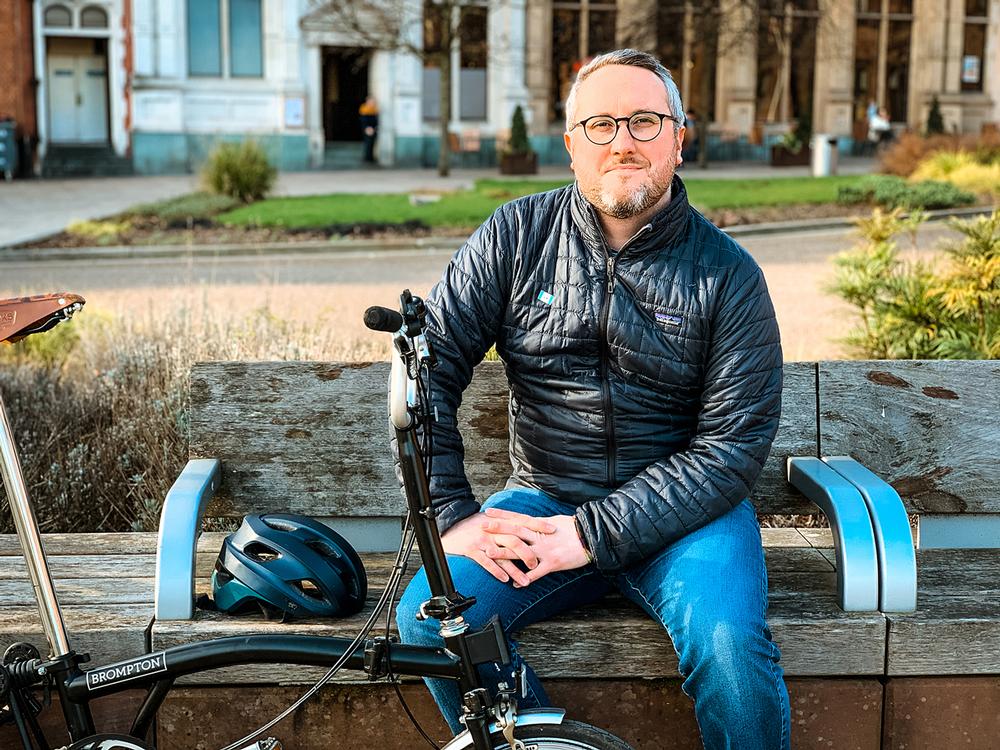
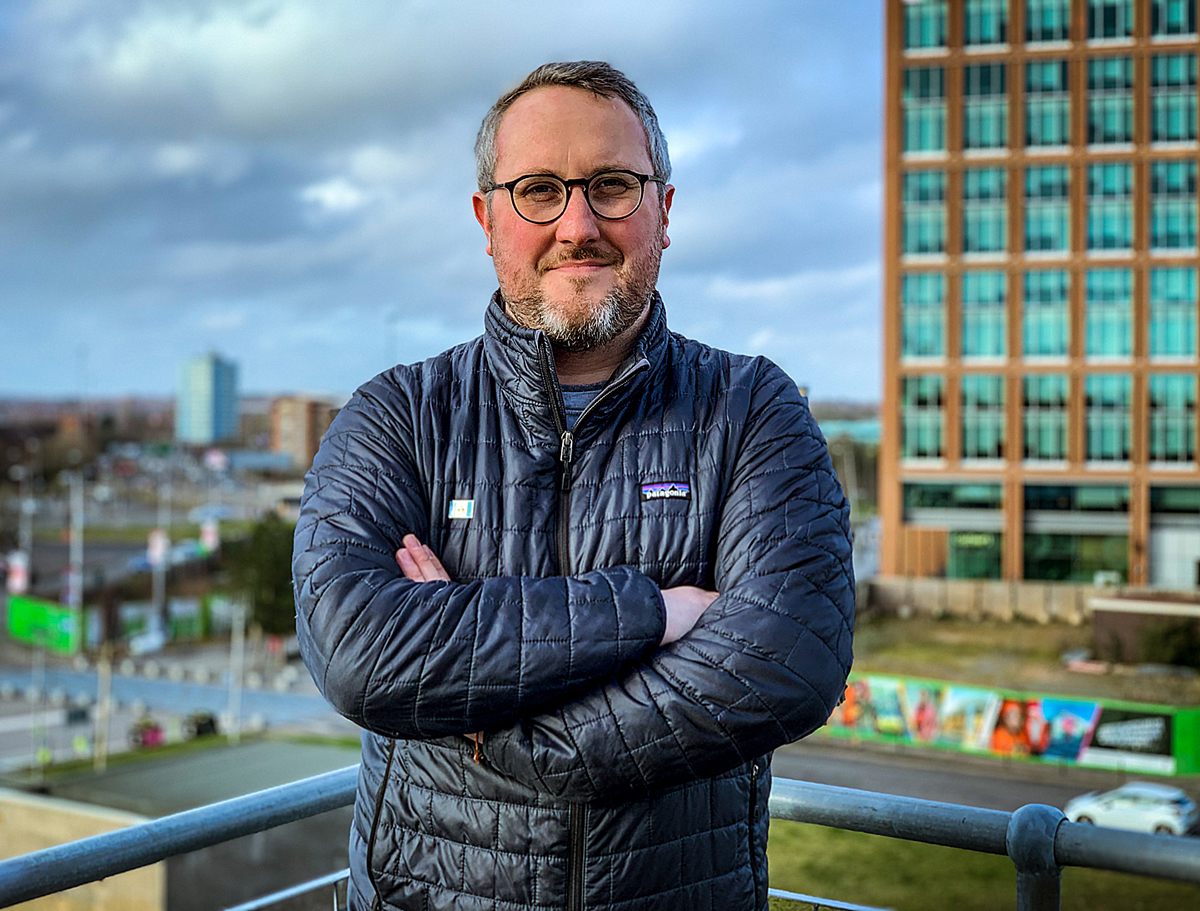
Tranter runs a marketing agency which specialises in cycling and running
What’s Bike is Best and when was it launched? Bike is Best is a public-facing campaign to promote cycling and get more people on bikes, whether for exercise, pleasure, or to reduce journeys made by car. We want to encourage people to have fun on bikes, as well as use them to swap out the car for those short trips to the shops, the gym and every day errands.
The main aim is to present an inclusive image of cycling and help shape the public narrative of cycling, as well as provide data and reasoning to influence local authorities to provide safe cycling environments.
Our message is that cycling is inherently good for society: it gets people physically active, is good for mental health and if used instead of the car would have a large impact on carbon emissions, as well as providing a less risky alternative to public transport. With scientific research showing areas with poor air quality are seeing 15 per cent higher COVID deaths, car pollution is an issue that we really must tackle.
The campaign launched in June 2020, to take advantage of the momentum surrounding cycling. My agency, Fusion Marketing, already worked with a number of cycling clients, and so we swiftly gained the backing of around 50 partners, including Trek, Brompton, Cannondale, Strava, Frog and Isla Bikes, to launch a multi-faceted marketing campaign to promote cycling, overcome the barriers and encourage more people to develop a cycling habit.
How well is the UK doing in using bikes instead of cars? Only two per cent of journeys in the UK are made by bike. This compares to 50 per cent of journeys in some cities in the Netherlands, where cycling is an intrinsic part of their culture and lifestyle.
Our planning system is set up for driving, particularly with out of town industrial estates, however, many of our car journeys are short enough to be made by bike: 68 per cent of all journeys are less than five miles and 24 per cent are less than one mile. Even if we could get the figure of bike journeys up from 2 per cent to 4 per cent it would make a huge impact on emissions and people’s health and mental wellbeing.
Air pollution causes the premature death of around 40,000 people every year which less car use and more cycling could help prevent. Cycling could also help to reduce the strain which sedentary diseases place on the NHS.
While COVID has been disastrous for gyms, it’s has provided a boost for cycling. What impact has it had? We’ve been able to make more impact in the last nine months than in the last nine years, as – particularly in the first lockdown – research by Cyclescheme showed that 83 per cent of people went back to cycling, digging old bikes out of sheds.
Bike shops were allowed to stay open during lockdown, the government actively encouraged people to go and have fun with their families on bikes, funding was quickly made available, there were 1950s levels of traffic, with great weather and better air quality. Many key workers also started cycling to work to avoid public transport.
What are the main barriers to cycling? Cycling received a huge boost from the 2012 Olympics, but it is dominated, rightly or wrongly by a stereotype: usually middle aged men in lycra. We are keen to change that perspective so everyone feels as though it is an activity for them.
According to our research, the main barrier is safety – either a perceived danger or worries about the lack of cycling infrastructure. Even though cycling is statistically safer than walking per mile travelled, for many people cycling on roads doesn’t feel safe.
The cost of bikes and equipment can also be off putting, as are concerns about fitness, mechanical issues and body image.
What do you need to do to overcome these barriers and encourage more cycling? We need budget and the political will and at the moment we have both. The government has said it wants to double the number of people cycling over the next five years and is making £2bn available. It’s not enough, and is dwarfed by the £27bn allocation for new roads, but it’s a very good start.
At the moment we’re seeing vastly different approaches from local authorities and we want councils across the country to make cycling and walking investment plans. The main priority is to provide safe cycling environments via bike lanes and low traffic neighbourhoods. During the first lockdown we saw pop-up bike lanes made with cones, which gave an element of separation – enough to make people feel safer. Many of these are now becoming permanent.
Low traffic neighbourhoods – where small residential roads are sealed off to through traffic – are cost-effective, bold interventions. They’re not universally popular, as some people don’t like to be limited about where they can drive and often they get rid of a rat run which might shave a couple of minutes off a journey. However, they’re embraced by many communities and those who’d like to walk, cycle and allow children to play in the street. They can be made a lot more cheaply than bike lanes, which can cost around £1.2m per mile.
A number of councils are already doing good work, including Manchester, Leicester, Birmingham and some parts of London, including Hackney and Lambeth. However, it was extremely frustrating to see Kensington and Chelsea take out a bike lane, which was used by 4,000 people a day, after receiving 320 complaints from residents – less than 0.2 per cent of the borough’s population. They didn’t use data or reasoning to inform the change and it leaves a gaping hole in London’s cycling network.
We’re asking councils what is the alternative to cycling? We need to improve air pollution and we need to tackle climate change, which means we have to use our cars less. So if it’s not cycling, then what is the solution? And if not now, then when?
Bicycle Mayors
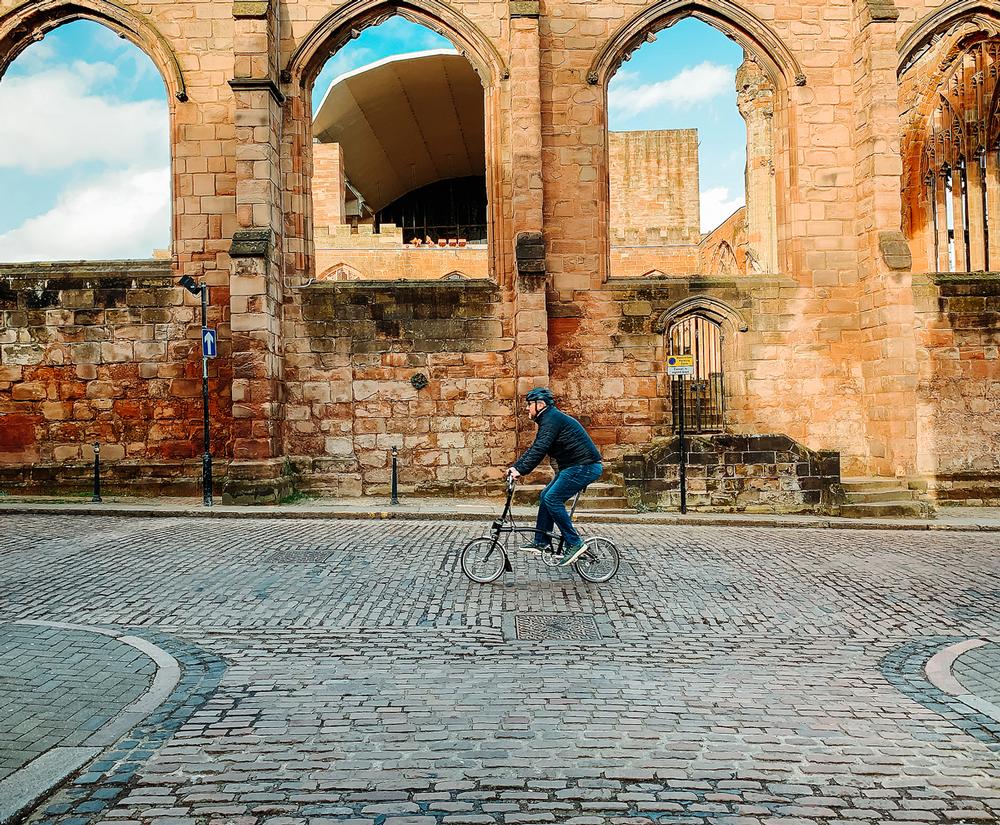
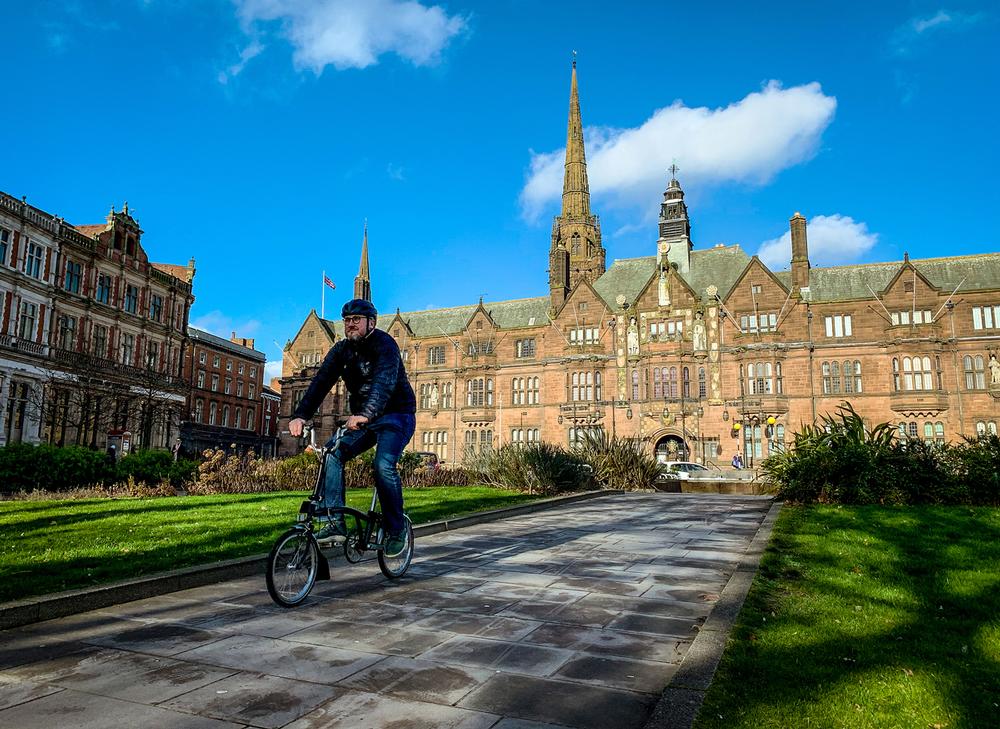
Tranter was appointed Bicycle Mayor of Coventry in early 2020.
Born and raised in the city, Tranter and his wife Aurelie set up the county’s first school cycling bus there, taking 20 children safely to school each Friday.
Speaking about his new role, Tranter outlined three main priorities:
1) Work to ensure that Coventry meets its cycling potential; working with policymakers to ensure priority is given to cycling and active travel
2) Engage media and partners to better communicate and showcase the benefits of cycling for everybody in Coventry
3) Prioritise the implementation and promotion of initiatives that benefit the most vulnerable: children, people with special mobility needs, vulnerable road users and those affected most by pollution.
About Bicycle Mayors
There are over 100 Bicycle Mayors worldwide. The initiative started in The Netherlands.
The Cycling Marketing Board was established by Tranter in January 2021 with a ‘vision to entice new consumers to cycling’ and to diversify cycling’s image with governments and the media.
The board has a long-term vision and will run two major advertising campaigns annually and work on a programme of advocacy initiatives to support the “interested but concerned” group who would cycle, if provided with improved infrastructure and a notable cultural shift towards cycling as transport.
The initiative is supported by Cycling UK, Sustrans, British Cycling, London Cycling Campaign, The Association of Cycle Traders, The Bikeability Trust and Wheels For Wellbeing.
Support comes from founder partners: BIKE-DROP, Brompton Bicycle, Cairn, Cyclescheme, Green Commute Initiative, Havebike, Komoot, Le Col, Love to Ride, Madison, Muc-Off, Raleigh, Schwalbe UK, Sigma Sports, Specialized UK, the Bike Club, Trek, Universal Colours, Upgrade, Wahoo, Yellow Jersey Cycling Insurance and Zwift.
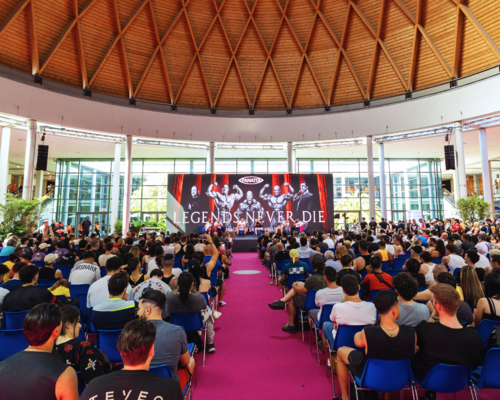
Panatta brought together four of the most influential figures in bodybuilding history on the
stage of RiminiWellness 2026: Phil Heath, Lee Haney, Ronnie Coleman and Hany Rambod. [more...]
Tranter runs a marketing agency which specialises in cycling and running
What’s Bike is Best and when was it launched? Bike is Best is a public-facing campaign to promote cycling and get more people on bikes, whether for exercise, pleasure, or to reduce journeys made by car. We want to encourage people to have fun on bikes, as well as use them to swap out the car for those short trips to the shops, the gym and every day errands.
The main aim is to present an inclusive image of cycling and help shape the public narrative of cycling, as well as provide data and reasoning to influence local authorities to provide safe cycling environments.
Our message is that cycling is inherently good for society: it gets people physically active, is good for mental health and if used instead of the car would have a large impact on carbon emissions, as well as providing a less risky alternative to public transport. With scientific research showing areas with poor air quality are seeing 15 per cent higher COVID deaths, car pollution is an issue that we really must tackle.
The campaign launched in June 2020, to take advantage of the momentum surrounding cycling. My agency, Fusion Marketing, already worked with a number of cycling clients, and so we swiftly gained the backing of around 50 partners, including Trek, Brompton, Cannondale, Strava, Frog and Isla Bikes, to launch a multi-faceted marketing campaign to promote cycling, overcome the barriers and encourage more people to develop a cycling habit.
How well is the UK doing in using bikes instead of cars? Only two per cent of journeys in the UK are made by bike. This compares to 50 per cent of journeys in some cities in the Netherlands, where cycling is an intrinsic part of their culture and lifestyle.
Our planning system is set up for driving, particularly with out of town industrial estates, however, many of our car journeys are short enough to be made by bike: 68 per cent of all journeys are less than five miles and 24 per cent are less than one mile. Even if we could get the figure of bike journeys up from 2 per cent to 4 per cent it would make a huge impact on emissions and people’s health and mental wellbeing.
Air pollution causes the premature death of around 40,000 people every year which less car use and more cycling could help prevent. Cycling could also help to reduce the strain which sedentary diseases place on the NHS.
While COVID has been disastrous for gyms, it’s has provided a boost for cycling. What impact has it had? We’ve been able to make more impact in the last nine months than in the last nine years, as – particularly in the first lockdown – research by Cyclescheme showed that 83 per cent of people went back to cycling, digging old bikes out of sheds.
Bike shops were allowed to stay open during lockdown, the government actively encouraged people to go and have fun with their families on bikes, funding was quickly made available, there were 1950s levels of traffic, with great weather and better air quality. Many key workers also started cycling to work to avoid public transport.
What are the main barriers to cycling? Cycling received a huge boost from the 2012 Olympics, but it is dominated, rightly or wrongly by a stereotype: usually middle aged men in lycra. We are keen to change that perspective so everyone feels as though it is an activity for them.
According to our research, the main barrier is safety – either a perceived danger or worries about the lack of cycling infrastructure. Even though cycling is statistically safer than walking per mile travelled, for many people cycling on roads doesn’t feel safe.
The cost of bikes and equipment can also be off putting, as are concerns about fitness, mechanical issues and body image.
What do you need to do to overcome these barriers and encourage more cycling? We need budget and the political will and at the moment we have both. The government has said it wants to double the number of people cycling over the next five years and is making £2bn available. It’s not enough, and is dwarfed by the £27bn allocation for new roads, but it’s a very good start.
At the moment we’re seeing vastly different approaches from local authorities and we want councils across the country to make cycling and walking investment plans. The main priority is to provide safe cycling environments via bike lanes and low traffic neighbourhoods. During the first lockdown we saw pop-up bike lanes made with cones, which gave an element of separation – enough to make people feel safer. Many of these are now becoming permanent.
Low traffic neighbourhoods – where small residential roads are sealed off to through traffic – are cost-effective, bold interventions. They’re not universally popular, as some people don’t like to be limited about where they can drive and often they get rid of a rat run which might shave a couple of minutes off a journey. However, they’re embraced by many communities and those who’d like to walk, cycle and allow children to play in the street. They can be made a lot more cheaply than bike lanes, which can cost around £1.2m per mile.
A number of councils are already doing good work, including Manchester, Leicester, Birmingham and some parts of London, including Hackney and Lambeth. However, it was extremely frustrating to see Kensington and Chelsea take out a bike lane, which was used by 4,000 people a day, after receiving 320 complaints from residents – less than 0.2 per cent of the borough’s population. They didn’t use data or reasoning to inform the change and it leaves a gaping hole in London’s cycling network.
We’re asking councils what is the alternative to cycling? We need to improve air pollution and we need to tackle climate change, which means we have to use our cars less. So if it’s not cycling, then what is the solution? And if not now, then when?
Bicycle Mayors
Tranter was appointed Bicycle Mayor of Coventry in early 2020.
Born and raised in the city, Tranter and his wife Aurelie set up the county’s first school cycling bus there, taking 20 children safely to school each Friday.
Speaking about his new role, Tranter outlined three main priorities:
1) Work to ensure that Coventry meets its cycling potential; working with policymakers to ensure priority is given to cycling and active travel
2) Engage media and partners to better communicate and showcase the benefits of cycling for everybody in Coventry
3) Prioritise the implementation and promotion of initiatives that benefit the most vulnerable: children, people with special mobility needs, vulnerable road users and those affected most by pollution.
About Bicycle Mayors
There are over 100 Bicycle Mayors worldwide. The initiative started in The Netherlands.
The Cycling Marketing Board was established by Tranter in January 2021 with a ‘vision to entice new consumers to cycling’ and to diversify cycling’s image with governments and the media.
The board has a long-term vision and will run two major advertising campaigns annually and work on a programme of advocacy initiatives to support the “interested but concerned” group who would cycle, if provided with improved infrastructure and a notable cultural shift towards cycling as transport.
The initiative is supported by Cycling UK, Sustrans, British Cycling, London Cycling Campaign, The Association of Cycle Traders, The Bikeability Trust and Wheels For Wellbeing.
Support comes from founder partners: BIKE-DROP, Brompton Bicycle, Cairn, Cyclescheme, Green Commute Initiative, Havebike, Komoot, Le Col, Love to Ride, Madison, Muc-Off, Raleigh, Schwalbe UK, Sigma Sports, Specialized UK, the Bike Club, Trek, Universal Colours, Upgrade, Wahoo, Yellow Jersey Cycling Insurance and Zwift.
It’s been five years since the fitness industry reopened after the last lockdown – long enough
to look back on the impact the pandemic had on the sector and what might come next.
Wattbike has announced a new integration with EGYM, which enables the bikes to contribute to
the Cardio BioAge score of individuals via a VO2 max result.
Les Mills has launched a reformer Pilates workout. The 45-minute workout blends traditional
reformer movements and more contemporary exercises, choreographed to music.
According to research which tracked more than 147,000 people for 30 years, 90-120 minutes
of strength training a week may deliver some of the biggest long-term health rewards.
The UK's four Chief Medical Officers have published a refreshed edition of Physical activity
guidelines: UK Chief Medical Officers' report, updating the evidence that underpins the nation's
physical activity recommendations and placing greater emphasis on strength, balance, reducing
sedentary behaviour and, for the first time, supporting people taking weight loss medications.
Places Leisure has exchanged contracts to build and operate a flagship £60m water and leisure
destination on behalf of Basingstoke and Deane Borough Council.
The Republic of Ireland will become the latest market in PureGym’s expanding international
portfolio, with the first launch planned for Dublin in 2027.
Anytime Fitness opened more than one club a day in 2025 and is on track to maintain this rate
of growth this year, as parent company Purpose Brands targets further international expansion.
Panatta brought together four of the most influential figures in bodybuilding history on the
stage of RiminiWellness 2026: Phil Heath, Lee Haney, Ronnie Coleman and Hany Rambod. [more...]