As the physical activity and sports sector
unites to fight its corner in making a case
for government investment, Sport England
has commissioned a research study to prove
the economic value of activity, giving weight
to the argument. Tom Walker reports
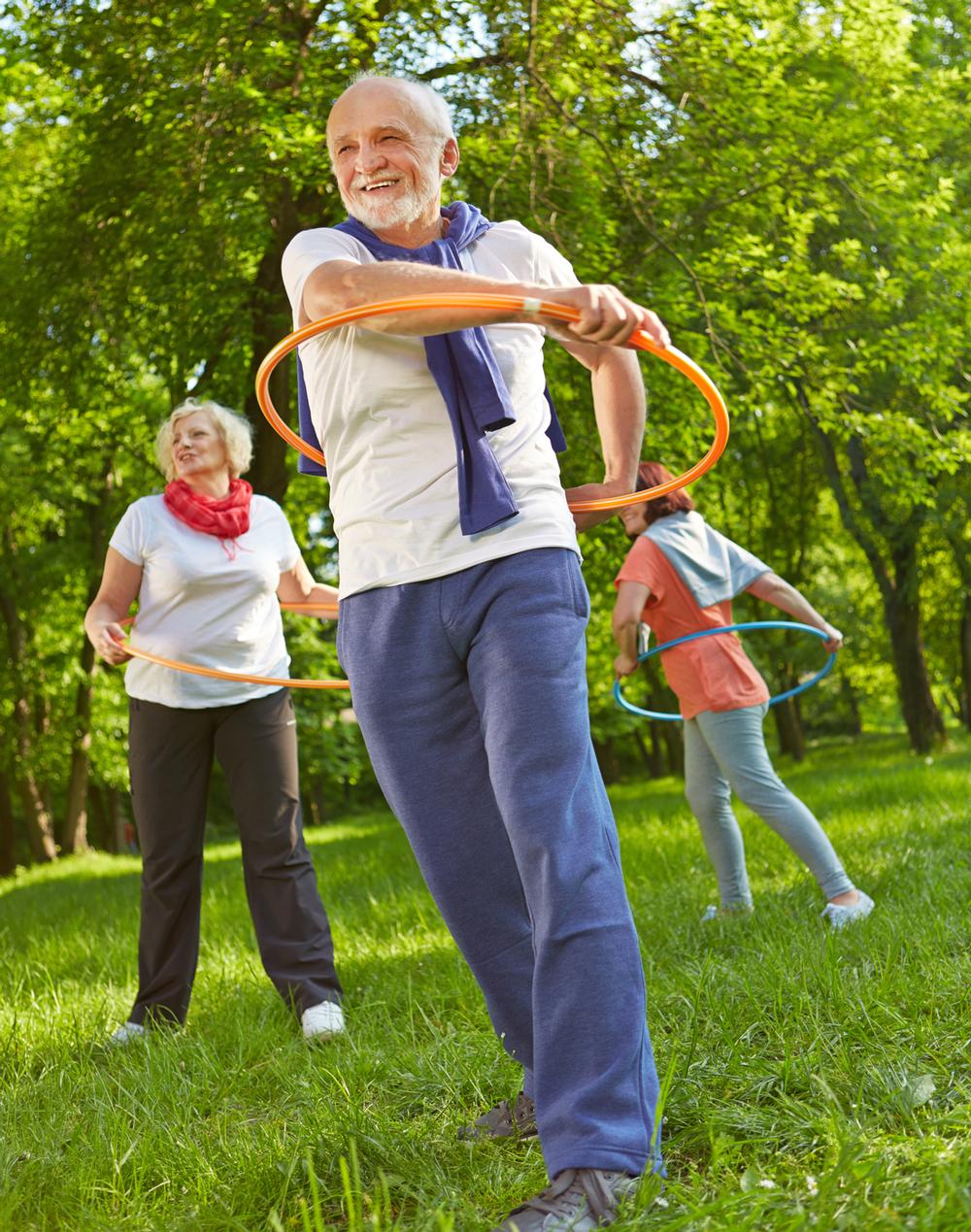
Every £1 invested in exercise, physical activity and sport generates £4 of economic value / PHOTO: Jacob Lund/shutterstock
E very £1 spent on physical activity in England generates £3.91, according to a study by the Sport Industry Research Centre at Sheffield Hallam University.
According to the report, Social and economic value of community sport and physical activity in England, commissioned by Sport England, the social and economic benefits created by physical activity and community sport each year are worth £85.5bn.
Researchers also showed how investment in exercise creates a return across health and social care and also helps build stronger communities and develop skills in the population.
An additional £13bn of economic value is also being created through fitness and sports-related goods and services annually.
Supporting mental health Physical activity also plays an important role in easing the burden on the National Health Service by preventing a number of serious physical and mental health conditions.
The study estimates that exercise provides savings of £5.2bn in healthcare and another £1.7bn in social care costs – including £450m that’s being saved by preventing the need for an additional 30 million GP visits.
“This new research provides evidence that can help local authorities, businesses and the voluntary sector to understand the value of promoting activity, especially as it will play an important part in helping the nation to recover from the challenges 2020 has brought,” said Tim Hollingsworth, CEO of Sport England.
“In keeping with a key government priority, this report also highlights how exercise and physical activity has a pivotal role to play in levelling up communities by bridging the gap between the ‘haves and have nots’,” he said.
“We would encourage organisations to use this research to better understand the impact that being active can have on the lives of individuals and communities, the delivery of public services and our economy.”
The report comes ahead of the Great British Week of Sport – taking place from 19 to 27 September – which is designed to celebrate the value of sport and physical activity to UK communities and includes the World United campaign and National Fitness Day.
The campaign is organised in partnership by ukactive, Sport England, the UK Government and the European Commission and will showcase a variety of sports and activities.
The study estimates that exercise provides savings of £5.2bn in healthcare and another £1.7bn in social care costs / PHOTO: Robert Kneschke/shutterstock
Panatta brought together four of the most influential figures in bodybuilding history on the
stage of RiminiWellness 2026: Phil Heath, Lee Haney, Ronnie Coleman and Hany Rambod. [more...]
As the physical activity and sports sector
unites to fight its corner in making a case
for government investment, Sport England
has commissioned a research study to prove
the economic value of activity, giving weight
to the argument. Tom Walker reports
Every £1 invested in exercise, physical activity and sport generates £4 of economic value / PHOTO: Jacob Lund/shutterstock
E very £1 spent on physical activity in England generates £3.91, according to a study by the Sport Industry Research Centre at Sheffield Hallam University.
According to the report, Social and economic value of community sport and physical activity in England, commissioned by Sport England, the social and economic benefits created by physical activity and community sport each year are worth £85.5bn.
Researchers also showed how investment in exercise creates a return across health and social care and also helps build stronger communities and develop skills in the population.
An additional £13bn of economic value is also being created through fitness and sports-related goods and services annually.
Supporting mental health Physical activity also plays an important role in easing the burden on the National Health Service by preventing a number of serious physical and mental health conditions.
The study estimates that exercise provides savings of £5.2bn in healthcare and another £1.7bn in social care costs – including £450m that’s being saved by preventing the need for an additional 30 million GP visits.
“This new research provides evidence that can help local authorities, businesses and the voluntary sector to understand the value of promoting activity, especially as it will play an important part in helping the nation to recover from the challenges 2020 has brought,” said Tim Hollingsworth, CEO of Sport England.
“In keeping with a key government priority, this report also highlights how exercise and physical activity has a pivotal role to play in levelling up communities by bridging the gap between the ‘haves and have nots’,” he said.
“We would encourage organisations to use this research to better understand the impact that being active can have on the lives of individuals and communities, the delivery of public services and our economy.”
The report comes ahead of the Great British Week of Sport – taking place from 19 to 27 September – which is designed to celebrate the value of sport and physical activity to UK communities and includes the World United campaign and National Fitness Day.
The campaign is organised in partnership by ukactive, Sport England, the UK Government and the European Commission and will showcase a variety of sports and activities.
The study estimates that exercise provides savings of £5.2bn in healthcare and another £1.7bn in social care costs / PHOTO: Robert Kneschke/shutterstock
It’s been five years since the fitness industry reopened after the last lockdown – long enough
to look back on the impact the pandemic had on the sector and what might come next.
Wattbike has announced a new integration with EGYM, which enables the bikes to contribute to
the Cardio BioAge score of individuals via a VO2 max result.
Les Mills has launched a reformer Pilates workout. The 45-minute workout blends traditional
reformer movements and more contemporary exercises, choreographed to music.
According to research which tracked more than 147,000 people for 30 years, 90-120 minutes
of strength training a week may deliver some of the biggest long-term health rewards.
The UK's four Chief Medical Officers have published a refreshed edition of Physical activity
guidelines: UK Chief Medical Officers' report, updating the evidence that underpins the nation's
physical activity recommendations and placing greater emphasis on strength, balance, reducing
sedentary behaviour and, for the first time, supporting people taking weight loss medications.
Places Leisure has exchanged contracts to build and operate a flagship £60m water and leisure
destination on behalf of Basingstoke and Deane Borough Council.
The Republic of Ireland will become the latest market in PureGym’s expanding international
portfolio, with the first launch planned for Dublin in 2027.
Anytime Fitness opened more than one club a day in 2025 and is on track to maintain this rate
of growth this year, as parent company Purpose Brands targets further international expansion.
The £33.9 million Leighton Leisure and Community Centre has opened in Leighton Buzzard, UK,
creating a next-generation public leisure, health and wellbeing hub for the local community.
Panatta brought together four of the most influential figures in bodybuilding history on the
stage of RiminiWellness 2026: Phil Heath, Lee Haney, Ronnie Coleman and Hany Rambod. [more...]