Get HCM digital magazine and ezines FREE
Sign up here ▸
Jobs   News   Features   Products   Magazine      Advertise  
NEWS
Help guests conquer sadness and binge eating, new research shows how
POSTED 28 Jan 2020 . BY Megan Whitby
The research found that thinking of sadness as a ‘person’ can reduce its effects Credit: Shutterstock
Spa operators could help guests reduce feelings of sadness, successfully conquer binge-eating challenges and improve self-control and discipline, using learnings from new research published in the Journal of Consumer Psychology.

Called When sadness comes alive, will it be less painful? The effects of anthropomorphic thinking on sadness regulation and consumption, the research found that thinking of sadness as a ‘person’ – psychologists call this anthropomorphising – can reduce its effects, according to teams at University of Austin, Texas, Hong Kong Polytechnic University and Hong Kong Baptist University.

With mental wellness interventions and programmes becoming increasingly popular in the spa and wellness industry, this research and its approach could inform future treatments and help equip guests to take control of their emotions.

Previous studies have shown that someone feeling sad exhibits a desire for urgent reward and little willpower, such as succumbing to hedonic temptations or engaging in impulsive purchases.

Authored by Li Yang in Austin and Rocky Peng Chen and Fangyuan Chen in Hong Kong, the study explores how anthropomorphic thinking influences people’s experience of sadness and their subsequent behaviour as consumers.

The research included six test studies involving 1059 participants, 56 per cent of which were female and 44 per cent were male.

Each test involved subjects rating their level of sadness following different psychological prompts designed to induce sadness, such as writing about a sad event which had happened to them.

Participants were then asked to imagine sadness as a person and describe their characteristics and conclude by rating their levels of sadness again.

All six studies demonstrated that anthropomorphising sadness reduces its severity and changes behaviour.

Yang told Spa Business: “We found that anthropomorphic thinking enables individuals to view sadness as an independent human being that is separate from them and consequently creates a feeling of detachment.

“As a result, an individual who anthropomorphises sadness will feel less sad and will also tend to display better self-control in subsequent decisions about consumption.”

The new study showed that humanising sadness counteracts these effects and has a positive impact on consumer decision-making, as participants involved in anthropomorphic thinking experienced an increase in self-control.

“When faced with purchasing decisions, we found that participants were more likely to choose a product with practical features over an alternative with indulgent features, once they had anthropomorphised their sadness,” said the authors.

“This occurs because anthropomorphic thinking leads to a feeling of detachment from the target emotion.”

One of the studies involved participants anthropomorphising their sadness and subsequently choosing between a healthy food option (salad) versus an unhealthy choice (cheesecake).

Evidence highlighted that those who humanised sadness were less likely to indulge in the unhealthy choice because as their sadness reduced so did their self-indulgent behaviour.

The paper also touches on the benefits of combatting sadness with detached reappraisal – a method where people are encouraged to think of their role in past or present situations as observers rather than actors, hence creating a feeling of distance.

The idea is that reinterpreting a negative situation can help people reprocess their emotions or reduce the effects of their negative experienced emotions.
The new study showed that humanising sadness counteracts these effects and has a positive impact on consumer decision-making
MORE NEWS
Les Mills calls on the industry to support UNICEF
Global group exercise specialist, Les Mills, is inviting operators to sign up to its Workout for the World event on 20 June, in support of UNICEF.
HUM2N opens longevity clinic at Six Senses London
Global luxury hospitality brand, Six Senses, has partnered with longevity healthcare provider, HUM2N, to launch a clinic at Six Senses London, at The Whiteley.
KX Chelsea invests £15 million to upgrade its wellness offering
Premium London health club, KX Chelsea, will imminently unveil its most significant redevelopment since its launch in 2002 to create an integrated wellness model combining training, recovery and relaxation.
Researchers identify a drug which reduces muscle loss when using GLP-1 medications
Researchers in the US have identified an antibody which could greatly reduce the loss of lean muscle mass in people who are taking weight-loss medications.
+ More news   
LATEST JOBS
GP Exercise Referral Instructor
Everyone Active
Salary: £33,000pa + benefits
Job location: Harrow, Middlesex , United Kingdom
Self Employed Personal Trainer
Everyone Active
Salary: Competitive
Job location: Enderby
+ More jobs  

FEATURED SUPPLIERS

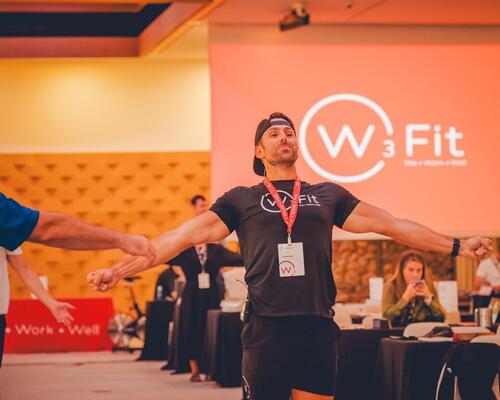
W3Fit EMEA celebrates its fifth anniversary
Celebrating its milestone 5th anniversary, W3Fit EMEA returns in 2026 with an unmissable gathering of the Health & Fitness industry’s most influential leaders. [more...]

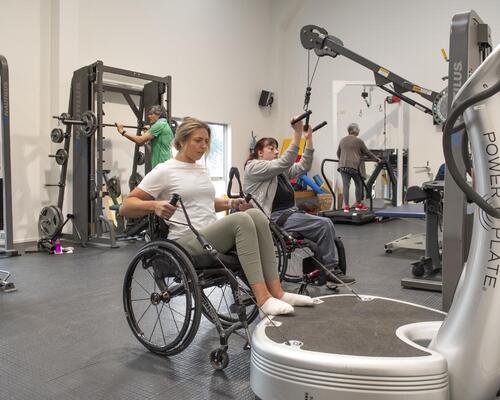
Supporting long-term health: why whole body vibration belongs in clinical settings
As healthcare continues to shift towards prevention, there’s a growing focus on helping people stay active, independent and feeling good for longer. [more...]
+ More featured suppliers  
COMPANY PROFILES
Life Fitness/Hammer Strength

Life Fitness / Hammer Strength works with some of the world’s most recognised hospitality brands, su [more...]
Serco Leisure

Serco Leisure Operating Limited is one of the UK’s leading national operators of leisure centres, de [more...]
+ More profiles  
CATALOGUE GALLERY
 
+ More catalogues  

DIRECTORY
+ More directory  
DIARY


09-12 Jun 2026

W3Spa EMEA

Hotel Cascais Miragem Health & Spa, Portugal
13-13 Jun 2026

Global Wellness Day

Worldwide, Various,
+ More diary  
 
ABOUT LEISURE MEDIA
LEISURE MEDIA MAGAZINES
LEISURE MEDIA HANDBOOKS
LEISURE MEDIA WEBSITES
LEISURE MEDIA PRODUCT SEARCH
 
HCM
LEISURE OPPORTUNITIES
HEALTH CLUB HANDBOOK
PRINT SUBSCRIPTIONS
FREE DIGITAL SUBSCRIPTIONS
ADVERTISE . CONTACT US

Leisure Media
Tel: +44 (0)1462 431385

©Cybertrek 2026
Get HCM digital magazine and ezines FREE
Sign up here ▸
Jobs    News   Products   Magazine
NEWS
Help guests conquer sadness and binge eating, new research shows how
POSTED 28 Jan 2020 . BY Megan Whitby
The research found that thinking of sadness as a ‘person’ can reduce its effects Credit: Shutterstock
Spa operators could help guests reduce feelings of sadness, successfully conquer binge-eating challenges and improve self-control and discipline, using learnings from new research published in the Journal of Consumer Psychology.

Called When sadness comes alive, will it be less painful? The effects of anthropomorphic thinking on sadness regulation and consumption, the research found that thinking of sadness as a ‘person’ – psychologists call this anthropomorphising – can reduce its effects, according to teams at University of Austin, Texas, Hong Kong Polytechnic University and Hong Kong Baptist University.

With mental wellness interventions and programmes becoming increasingly popular in the spa and wellness industry, this research and its approach could inform future treatments and help equip guests to take control of their emotions.

Previous studies have shown that someone feeling sad exhibits a desire for urgent reward and little willpower, such as succumbing to hedonic temptations or engaging in impulsive purchases.

Authored by Li Yang in Austin and Rocky Peng Chen and Fangyuan Chen in Hong Kong, the study explores how anthropomorphic thinking influences people’s experience of sadness and their subsequent behaviour as consumers.

The research included six test studies involving 1059 participants, 56 per cent of which were female and 44 per cent were male.

Each test involved subjects rating their level of sadness following different psychological prompts designed to induce sadness, such as writing about a sad event which had happened to them.

Participants were then asked to imagine sadness as a person and describe their characteristics and conclude by rating their levels of sadness again.

All six studies demonstrated that anthropomorphising sadness reduces its severity and changes behaviour.

Yang told Spa Business: “We found that anthropomorphic thinking enables individuals to view sadness as an independent human being that is separate from them and consequently creates a feeling of detachment.

“As a result, an individual who anthropomorphises sadness will feel less sad and will also tend to display better self-control in subsequent decisions about consumption.”

The new study showed that humanising sadness counteracts these effects and has a positive impact on consumer decision-making, as participants involved in anthropomorphic thinking experienced an increase in self-control.

“When faced with purchasing decisions, we found that participants were more likely to choose a product with practical features over an alternative with indulgent features, once they had anthropomorphised their sadness,” said the authors.

“This occurs because anthropomorphic thinking leads to a feeling of detachment from the target emotion.”

One of the studies involved participants anthropomorphising their sadness and subsequently choosing between a healthy food option (salad) versus an unhealthy choice (cheesecake).

Evidence highlighted that those who humanised sadness were less likely to indulge in the unhealthy choice because as their sadness reduced so did their self-indulgent behaviour.

The paper also touches on the benefits of combatting sadness with detached reappraisal – a method where people are encouraged to think of their role in past or present situations as observers rather than actors, hence creating a feeling of distance.

The idea is that reinterpreting a negative situation can help people reprocess their emotions or reduce the effects of their negative experienced emotions.
The new study showed that humanising sadness counteracts these effects and has a positive impact on consumer decision-making
MORE NEWS
Les Mills calls on the industry to support UNICEF
Global group exercise specialist, Les Mills, is inviting operators to sign up to its Workout for the World event on 20 June, in support of UNICEF.
HUM2N opens longevity clinic at Six Senses London
Global luxury hospitality brand, Six Senses, has partnered with longevity healthcare provider, HUM2N, to launch a clinic at Six Senses London, at The Whiteley.
KX Chelsea invests £15 million to upgrade its wellness offering
Premium London health club, KX Chelsea, will imminently unveil its most significant redevelopment since its launch in 2002 to create an integrated wellness model combining training, recovery and relaxation.
Researchers identify a drug which reduces muscle loss when using GLP-1 medications
Researchers in the US have identified an antibody which could greatly reduce the loss of lean muscle mass in people who are taking weight-loss medications.
Peloton signals potential move into reformer Pilates with Skop acquisition
Peloton has made the strategic acquisition of the Pilates start-up, Skōp, to support the expansion of its strength ecosystem.
Crunch Fitness creates more affordable reformer Pilates concept
Crunch Fitness has announced the launch of Crunch Reform Pilates – its own reformer concept designed to bring this fast growing, but rather expensive, modality into the mainstream.
+ More news   
 
FEATURED SUPPLIERS

W3Fit EMEA celebrates its fifth anniversary
Celebrating its milestone 5th anniversary, W3Fit EMEA returns in 2026 with an unmissable gathering of the Health & Fitness industry’s most influential leaders. [more...]

Supporting long-term health: why whole body vibration belongs in clinical settings
As healthcare continues to shift towards prevention, there’s a growing focus on helping people stay active, independent and feeling good for longer. [more...]
+ More featured suppliers  
COMPANY PROFILES
Life Fitness/Hammer Strength

Life Fitness / Hammer Strength works with some of the world’s most recognised hospitality brands, su [more...]
+ More profiles  
CATALOGUE GALLERY
+ More catalogues  

DIRECTORY
+ More directory  
DIARY


09-12 Jun 2026

W3Spa EMEA

Hotel Cascais Miragem Health & Spa, Portugal
13-13 Jun 2026

Global Wellness Day

Worldwide, Various,
+ More diary  


ADVERTISE . CONTACT US

Leisure Media
Tel: +44 (0)1462 431385

©Cybertrek 2026

ABOUT LEISURE MEDIA
LEISURE MEDIA MAGAZINES
LEISURE MEDIA HANDBOOKS
LEISURE MEDIA WEBSITES
LEISURE MEDIA PRODUCT SEARCH
PRINT SUBSCRIPTIONS
FREE DIGITAL SUBSCRIPTIONS