Functional fitness, personal training and small group training are showing growth
Five years ago, EuropeActive adopted its goal of the industry achieving 80 million members by 2025 – with about 46 million members reported at the time.
The sector is still on track to reach this target, as total membership within the European Union, Norway, Russia, Switzerland, Turkey and Ukraine increased by 3.5 per cent in 2018 to hit 62.2 million members at the end of that year.
As Karsten Hollasch, head of consumer business at Deloitte Germany and co-author of the report, says: “The European fitness club market continued its growth trend in 2018, but significant potential remains, as only 7.8 per cent of Europeans have a fitness club membership.
“With the development and roll out of innovative fitness concepts and the integration of new technologies, we expect membership to increase over the next years – towards EuropeActive’s goal of 80 million members by 2025.”
Depending on the development of the US market, which reported revenues of €26.6bn in 2017, according to the 2018 IHRSA Global Report, the European fitness market (€27.2bn) could again be the largest fitness market worldwide. At constant foreign exchange rates, the European market size rose by 3.4 per cent compared to 2017. At actual foreign exchange rates, year-on-year growth amounted to 1.2 per cent, driven by negative exchange rate effects from some countries.
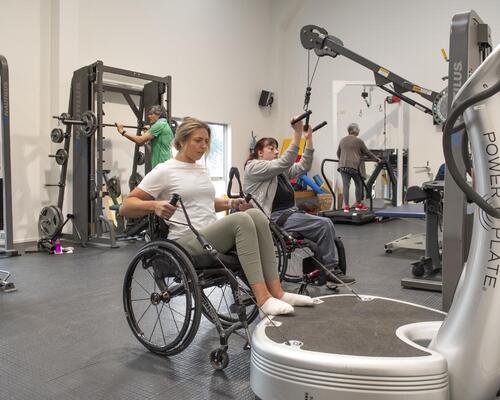
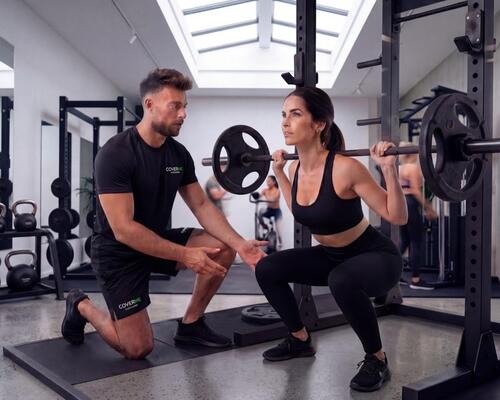
While the low-cost segment continues to grow in most markets, there’s also an increasing number of boutiques and growth in offerings such as functional fitness, personal training and small group training. Digitalisation and fitness intermediaries are increasingly shaping the fitness landscape.
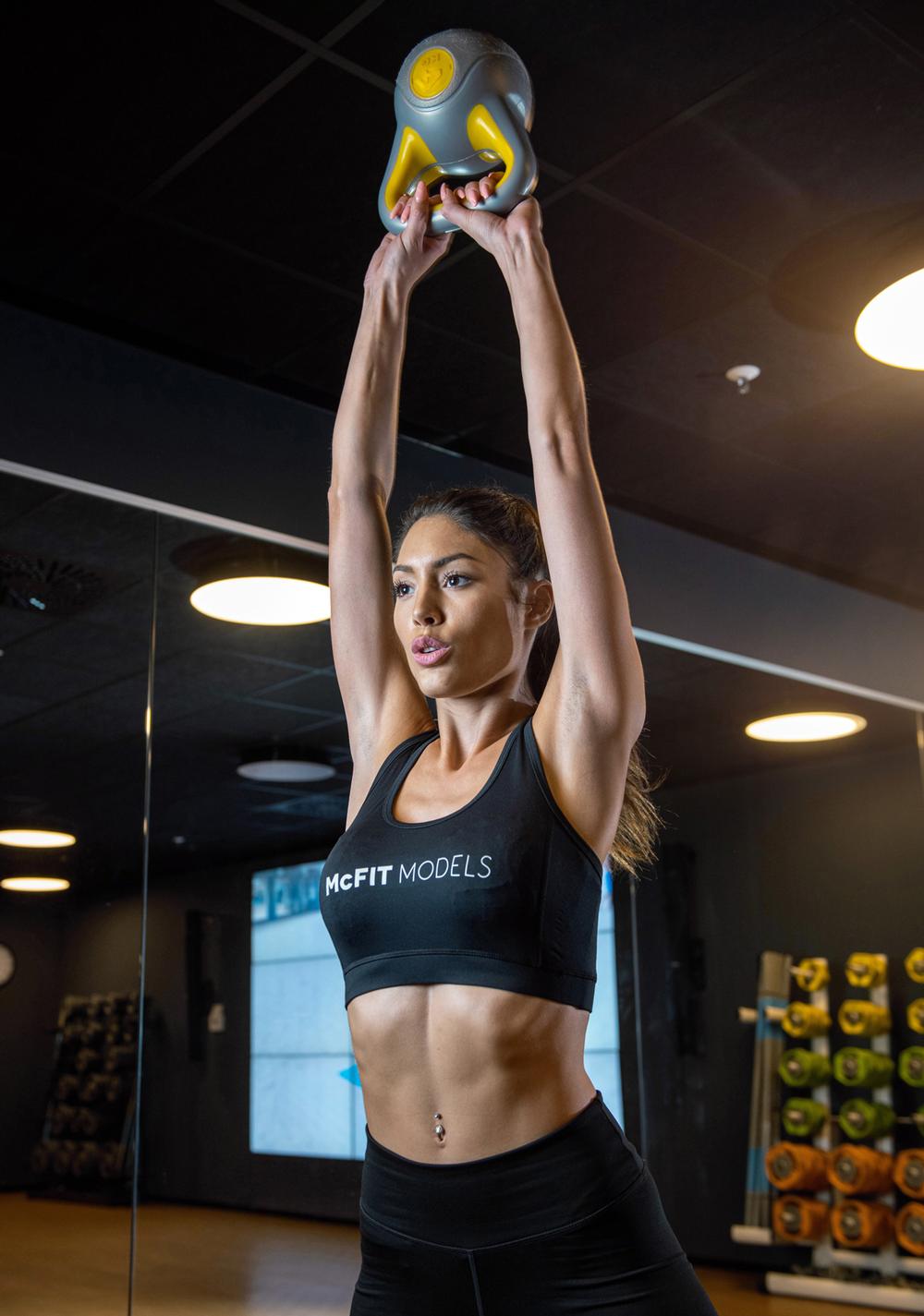
Highest rankings Among leading operators, German discount chain McFit Global Group – recently rebranded as RSG – retained its top position in terms of membership, with 1.95 million members across 288 clubs.
These operate under brands McFit (253 clubs), John Reed (20 clubs) and High5 (15 clubs). The company attributes the increase of 220,000 members over the previous year to strong campaigns, the introduction of live classes and expansion of its product offering and target audience.
Ranking second is Netherlands-based low-cost chain Basic-Fit (1.84 million members), which generated by far the highest organic membership growth of all operators, with 316,000 additional members. This was largely due to the opening of 92 new clubs in France.
British low-cost operator PureGym ranks third, after increasing its membership by 85,000 to 1.01 million in 2018, becoming the third European fitness operator to reach 1 million members.
After these three market leaders come UK-based The Gym Group in fourth, German operators Clever Fit in fifth and FitX in sixth place.
Seven of the top 10 operators by membership can be considered low-cost operators. In addition, two others in the top 10 – SATS Group and Migros Group – have a low-cost brand in their portfolios, while five low-cost operators (McFit Group, Basic-Fit, PureGym, Fitness World and Clever Fit) also rank among the top 10 in terms of revenue.
UK-based premium operator, David Lloyd Leisure (DLL), again tops the ranking in Europe, with revenues of €545m – an increase of €62m over the previous year.
DLL further expanded its international presence in 2018 through the acquisition of the City Green Sports and Health Club in France near Lake Geneva, as well as the acquisition of Health City’s Bad Homburg Club in Germany.
At year-end 2018, DLL operated 114 clubs in eight countries – including 99 clubs in the UK – with a total of 609,000 members, placing the company seventh in the European membership ranking.
Low-cost drive high However, revenue growth was primarily driven by the low-cost businesses. Dutch operator Basic-Fit had the highest revenue growth, both in absolute terms with an increase of €76m and in relative terms, with 23.3 per cent growth and a move from sixth to second place in the European revenue ranking. Basic-Fit had total revenues of €402m.
McFit/RSG moved from fifth to fourth place in the ranking, following a 7.6 per cent increase in revenues, while fellow low-cost operators PureGym increased revenues by 12.8 per cent, Fitness World by 19.2 per cent and Clever Fit by 22.0 per cent, solidifying their top 10 rankings with double-digit growth.
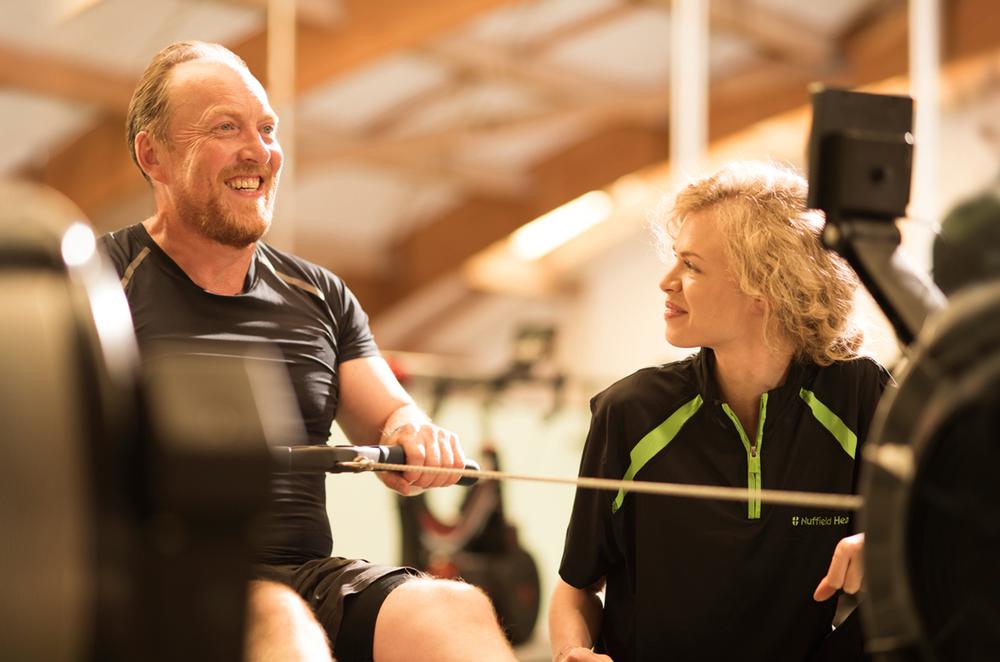
By comparison, premium operators such as the Switzerland-based Migros Group, with minus 1.2 per cent, Nordic market leader SATS Group at plus 0.3 per cent, and UK-based companies Nuffield Health with plus 2.9 per cent and Virgin Active with minus 4.9 per cent, displayed only slight increases or even slight decreases in revenue. This was also affected by negative exchange rate effects in Switzerland, Sweden and the United Kingdom.
Merge and acquire SATS Group, L’Appart Fitness, Keep Cool and SportCity/Fit For Free are just some fitness club operators involved in mergers and acquisitions in the European health and fitness market over the 2018 calendar year.
In fact, 24 major M&A deals were recorded in 2018, the highest number since the European Health and Fitness Market Report has been published and an increase of four transactions compared with 2017.
“The consistently high number of mergers and acquisitions underlines the notion that health and fitness remains a highly attractive sector for strategic and financial investors alike,” says Hollasch.
“By supporting the innovation and expansion of fitness operators, these investors help the health and fitness industry to achieve further growth.”
Regarding investor types, 18 of the 24 M&A transactions represented a sale to a strategic investor, i.e. another market participant. In addition to this, five businesses were sold to financial investors, indicating the interest of investors in the fitness industry, while one company was sold to a private investor.
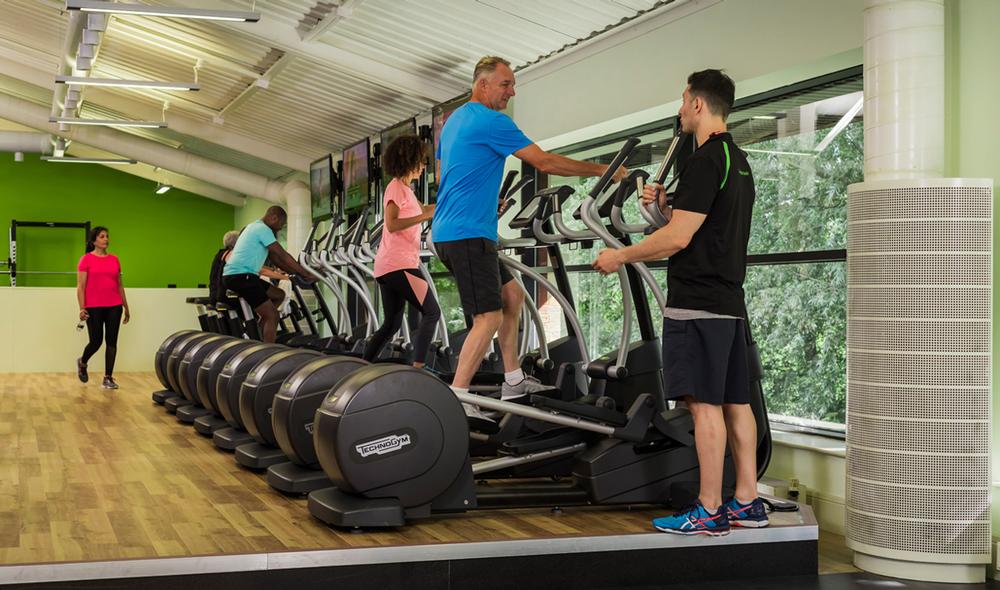
The large number of transactions from founders to strategic investors indicates an increasing market consolidation. However, consolidation in the operator market remains low compared to the commercial fitness equipment market, where the four leading companies – Life Fitness, Technogym, Johnson Health Tech and Precor – account for an estimated 75 per cent of the global and 86 per cent of the European commercial equipment market.
Germany takes to spot With a membership growth of 4.5 per cent to 11.1 million members, Germany strengthened its position as the country with the highest membership, ahead of the UK (9.9 million), France (6.0 million), Italy (5.5 million) and Spain (5.3 million).
At the same time, Germany ranked first in terms of market size, with total revenues of €5.3bn, according to research conducted by DSSV, DHfPG and Deloitte.
However, this was partly due to negative exchange rate effects in the United Kingdom, as the UK market grew by 4.3 per cent at constant currency compared to a 2.5 per cent growth in Germany.
Together, the top five countries represent nearly two thirds of the entire European market in terms of memberships and revenues. With penetration rates of about 9-15 per cent, these countries generally offer further market growth potential and are expected to be major drivers towards the set goal of 80 million total members in Europe by 2025.
While Sweden (21.6 per cent) and Norway (21.4 per cent) have the highest ratios of fitness club members relative to the total population, Ukraine (2.9 per cent) and Turkey (2.6 per cent) have relatively low penetration rates, which could – in combination with their large populations – indicate potential for growth.
Macro trendsetting “Further growth in the fitness market will be driven by favourable macro-trends, such as increasing health awareness, but more importantly by innovative fitness concepts and business models that meet customer needs,” explains Hollasch.
“The definition of the industry as a purely stationary fitness market is over: existing fitness concepts are being augmented by digital offerings and new market participants are developing entirely new purely digital concepts.”
Thus, technological innovations such as mobile fitness apps, wearables and online fitness as well as offline activities like outdoor group workouts, provide opportunities to be physically active outside a brick-and-mortar gym and continue to gain popularity in many European markets.
While these offerings might be considered a threat by some operators, many fitness providers also see opportunities and have started to incorporate these concepts into their business models.
With regard to EuropeActive’s goal of 80 million members by 2025, Herman Rutgers, board member at EuropeActive and co-author of the report, remains optimistic, saying: “2018 was another year of growth. It was interesting to see positive developments across all market segments; value, premium as well as mid-market.
“Additionally, we saw more small- and medium-sized facilities opening closer to where people live and work, making fitness more accessible. We remain confident we’ll reach the goal.”
Most improved
Basic-Fit
Highest revenue growth in 2018 from €76m to €402m
23.3% rise from 6th to 2nd place in European revenue ranking
Number crunching
Europe
– total members
62.2m
No 1 country
Germany 11.1m members
Europe – total revenues €27.2bn
No 1 country
Germany €5.3bn
total revenues
No 1 company
McFit/RSG
1.95m members
No 1 company
DLL
€545m revenue
Percentage of European population with membership
7.8%
As healthcare continues to shift towards prevention, there’s a growing focus on helping
people stay active, independent and feeling good for longer. [more...]
CoverMe, the global leader in fitness workforce management, today launches CoverMe PT, an
on-demand personal training platform that connects the right personal trainer to the right
client in under 10 seconds. [more...]
+ More featured suppliers
COMPANY PROFILES
PSLT Ltd
PSLT Fitness Solutions manufacture, remanufacture and buy back commercial gym equipment. [more...]
Everyone Active
Everyone Active operates leisure centres in partnership with local councils across the UK. Today, Ev [more...]
Functional fitness, personal training and small group training are showing growth
Five years ago, EuropeActive adopted its goal of the industry achieving 80 million members by 2025 – with about 46 million members reported at the time.
The sector is still on track to reach this target, as total membership within the European Union, Norway, Russia, Switzerland, Turkey and Ukraine increased by 3.5 per cent in 2018 to hit 62.2 million members at the end of that year.
As Karsten Hollasch, head of consumer business at Deloitte Germany and co-author of the report, says: “The European fitness club market continued its growth trend in 2018, but significant potential remains, as only 7.8 per cent of Europeans have a fitness club membership.
“With the development and roll out of innovative fitness concepts and the integration of new technologies, we expect membership to increase over the next years – towards EuropeActive’s goal of 80 million members by 2025.”
Depending on the development of the US market, which reported revenues of €26.6bn in 2017, according to the 2018 IHRSA Global Report, the European fitness market (€27.2bn) could again be the largest fitness market worldwide. At constant foreign exchange rates, the European market size rose by 3.4 per cent compared to 2017. At actual foreign exchange rates, year-on-year growth amounted to 1.2 per cent, driven by negative exchange rate effects from some countries.
While the low-cost segment continues to grow in most markets, there’s also an increasing number of boutiques and growth in offerings such as functional fitness, personal training and small group training. Digitalisation and fitness intermediaries are increasingly shaping the fitness landscape.
Highest rankings Among leading operators, German discount chain McFit Global Group – recently rebranded as RSG – retained its top position in terms of membership, with 1.95 million members across 288 clubs.
These operate under brands McFit (253 clubs), John Reed (20 clubs) and High5 (15 clubs). The company attributes the increase of 220,000 members over the previous year to strong campaigns, the introduction of live classes and expansion of its product offering and target audience.
Ranking second is Netherlands-based low-cost chain Basic-Fit (1.84 million members), which generated by far the highest organic membership growth of all operators, with 316,000 additional members. This was largely due to the opening of 92 new clubs in France.
British low-cost operator PureGym ranks third, after increasing its membership by 85,000 to 1.01 million in 2018, becoming the third European fitness operator to reach 1 million members.
After these three market leaders come UK-based The Gym Group in fourth, German operators Clever Fit in fifth and FitX in sixth place.
Seven of the top 10 operators by membership can be considered low-cost operators. In addition, two others in the top 10 – SATS Group and Migros Group – have a low-cost brand in their portfolios, while five low-cost operators (McFit Group, Basic-Fit, PureGym, Fitness World and Clever Fit) also rank among the top 10 in terms of revenue.
UK-based premium operator, David Lloyd Leisure (DLL), again tops the ranking in Europe, with revenues of €545m – an increase of €62m over the previous year.
DLL further expanded its international presence in 2018 through the acquisition of the City Green Sports and Health Club in France near Lake Geneva, as well as the acquisition of Health City’s Bad Homburg Club in Germany.
At year-end 2018, DLL operated 114 clubs in eight countries – including 99 clubs in the UK – with a total of 609,000 members, placing the company seventh in the European membership ranking.
Low-cost drive high However, revenue growth was primarily driven by the low-cost businesses. Dutch operator Basic-Fit had the highest revenue growth, both in absolute terms with an increase of €76m and in relative terms, with 23.3 per cent growth and a move from sixth to second place in the European revenue ranking. Basic-Fit had total revenues of €402m.
McFit/RSG moved from fifth to fourth place in the ranking, following a 7.6 per cent increase in revenues, while fellow low-cost operators PureGym increased revenues by 12.8 per cent, Fitness World by 19.2 per cent and Clever Fit by 22.0 per cent, solidifying their top 10 rankings with double-digit growth.
By comparison, premium operators such as the Switzerland-based Migros Group, with minus 1.2 per cent, Nordic market leader SATS Group at plus 0.3 per cent, and UK-based companies Nuffield Health with plus 2.9 per cent and Virgin Active with minus 4.9 per cent, displayed only slight increases or even slight decreases in revenue. This was also affected by negative exchange rate effects in Switzerland, Sweden and the United Kingdom.
Merge and acquire SATS Group, L’Appart Fitness, Keep Cool and SportCity/Fit For Free are just some fitness club operators involved in mergers and acquisitions in the European health and fitness market over the 2018 calendar year.
In fact, 24 major M&A deals were recorded in 2018, the highest number since the European Health and Fitness Market Report has been published and an increase of four transactions compared with 2017.
“The consistently high number of mergers and acquisitions underlines the notion that health and fitness remains a highly attractive sector for strategic and financial investors alike,” says Hollasch.
“By supporting the innovation and expansion of fitness operators, these investors help the health and fitness industry to achieve further growth.”
Regarding investor types, 18 of the 24 M&A transactions represented a sale to a strategic investor, i.e. another market participant. In addition to this, five businesses were sold to financial investors, indicating the interest of investors in the fitness industry, while one company was sold to a private investor.
The large number of transactions from founders to strategic investors indicates an increasing market consolidation. However, consolidation in the operator market remains low compared to the commercial fitness equipment market, where the four leading companies – Life Fitness, Technogym, Johnson Health Tech and Precor – account for an estimated 75 per cent of the global and 86 per cent of the European commercial equipment market.
Germany takes to spot With a membership growth of 4.5 per cent to 11.1 million members, Germany strengthened its position as the country with the highest membership, ahead of the UK (9.9 million), France (6.0 million), Italy (5.5 million) and Spain (5.3 million).
At the same time, Germany ranked first in terms of market size, with total revenues of €5.3bn, according to research conducted by DSSV, DHfPG and Deloitte.
However, this was partly due to negative exchange rate effects in the United Kingdom, as the UK market grew by 4.3 per cent at constant currency compared to a 2.5 per cent growth in Germany.
Together, the top five countries represent nearly two thirds of the entire European market in terms of memberships and revenues. With penetration rates of about 9-15 per cent, these countries generally offer further market growth potential and are expected to be major drivers towards the set goal of 80 million total members in Europe by 2025.
While Sweden (21.6 per cent) and Norway (21.4 per cent) have the highest ratios of fitness club members relative to the total population, Ukraine (2.9 per cent) and Turkey (2.6 per cent) have relatively low penetration rates, which could – in combination with their large populations – indicate potential for growth.
Macro trendsetting “Further growth in the fitness market will be driven by favourable macro-trends, such as increasing health awareness, but more importantly by innovative fitness concepts and business models that meet customer needs,” explains Hollasch.
“The definition of the industry as a purely stationary fitness market is over: existing fitness concepts are being augmented by digital offerings and new market participants are developing entirely new purely digital concepts.”
Thus, technological innovations such as mobile fitness apps, wearables and online fitness as well as offline activities like outdoor group workouts, provide opportunities to be physically active outside a brick-and-mortar gym and continue to gain popularity in many European markets.
While these offerings might be considered a threat by some operators, many fitness providers also see opportunities and have started to incorporate these concepts into their business models.
With regard to EuropeActive’s goal of 80 million members by 2025, Herman Rutgers, board member at EuropeActive and co-author of the report, remains optimistic, saying: “2018 was another year of growth. It was interesting to see positive developments across all market segments; value, premium as well as mid-market.
“Additionally, we saw more small- and medium-sized facilities opening closer to where people live and work, making fitness more accessible. We remain confident we’ll reach the goal.”
Most improved
Basic-Fit
Highest revenue growth in 2018 from €76m to €402m
23.3% rise from 6th to 2nd place in European revenue ranking
Number crunching
Europe
– total members
62.2m
No 1 country
Germany 11.1m members
Europe – total revenues €27.2bn
No 1 country
Germany €5.3bn
total revenues
No 1 company
McFit/RSG
1.95m members
No 1 company
DLL
€545m revenue
Percentage of European population with membership
7.8%
Global luxury hospitality brand, Six Senses, has partnered with longevity healthcare provider,
HUM2N, to launch a clinic at Six Senses London, at The Whiteley.
Premium London health club, KX Chelsea, will imminently unveil its most significant
redevelopment since its launch in 2002 to create an integrated wellness model combining
training, recovery and relaxation.
Researchers in the US have identified an antibody which could greatly reduce the loss of lean
muscle mass in people who are taking weight-loss medications.
Crunch Fitness has announced the launch of Crunch Reform Pilates – its own reformer concept
designed to bring this fast growing, but rather expensive, modality into the mainstream.
The 20th State of the Industry Report reveals a resilient, expanding and competitive
sector, the
importance of differentiation and the ongoing challenge of tackling inequalities.
Nuffield Health has told HCM that it takes its responsibilities towards its colleagues seriously
and is committed to meeting all legal obligations after news of a tribunal has made national
headlines.
Technogym has announced the launch of the Run X World Treadmill Championship, the first
world championship for running on connected treadmills over five kilometres.
As healthcare continues to shift towards prevention, there’s a growing focus on helping
people stay active, independent and feeling good for longer. [more...]
CoverMe, the global leader in fitness workforce management, today launches CoverMe PT, an
on-demand personal training platform that connects the right personal trainer to the right
client in under 10 seconds. [more...]
+ More featured suppliers
COMPANY PROFILES
PSLT Ltd PSLT Fitness Solutions manufacture, remanufacture and buy back commercial gym equipment. [more...]