Researchers say obesity ‘should be considered as premature ageing’, with some negative effects on the immune system being permanent and not reversible by weight loss
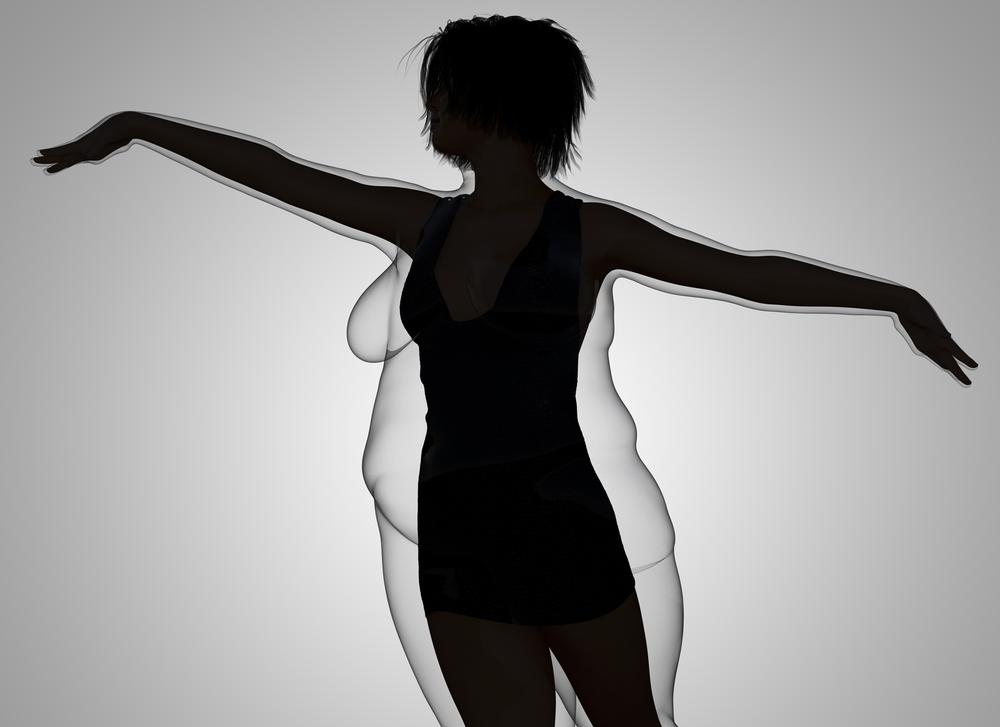
Obesity damages the immune system and changes tissue and body composition / photo: shutterstock.com
Obesity should be classed as a form of premature ageing, due to it predisposing people to acquiring life-altering diseases normally seen in older individuals.
Authors of a study called Obesity and ageing: Two sides of the same coin – by the Concordia University in Canada, reviewed more than 200 papers relating to obesity’s effects on human health.
Using the data from the papers, they looked at the ways obesity ages the body from a number of different perspectives – from the immune system to shifts in tissue and body composition.
The study was led by Sylvia Santosa, associate professor of health, kinesiology and applied physiology in the Concordia University’s Faculty of Arts and Science.
Santosa and her colleagues looked at the processes of cell death and the maintenance of healthy cells – apoptosis and autophagy, respectively – that are usually associated with ageing.
At the genetic level, the researchers found that obesity influences a number of alterations associated with ageing. These include the shortening of telomeres – the protective caps found on the ends of chromosomes.
The effect of obesity Telomeres in patients with obesity can be more than 25 per cent shorter than those seen in control patients.
The study also suggests that obesity’s effects on cognitive decline, mobility, hypertension and stress are all similar to those of ageing.
“The mechanisms by which the comorbidities of obesity and ageing develop are very similar,” Santosa said.
Researchers concluded that obesity speeds up the ageing of the immune system by targeting different immune cells, and that later weight reduction will not always reverse the process. The effects of obesity on the immune system, in turn, affect susceptibility to diseases like influenza, which can affect patients with obesity at a higher rate than normal-weight individuals.
Obese people are also at higher risk of sarcopenia, a disease associated with ageing, which features a progressive decline in muscle mass and strength.
Individuals with obesity are also more susceptible to diseases associated with later-life onset, such as type 2 diabetes, Alzheimer’s and various forms of cancer.
Santosa urges health authorities to rethink their approach to obesity, saying: “I’m hoping these observations will focus our approach to understanding obesity better, and allow us to think of it in different ways,” she added.
“We’re asking different types of questions than those which have traditionally been asked,” she concluded.
Obesity and ageing: two sides of the same coin was published in the Obesity Review
Elevate is set to celebrate its 10th anniversary in style this June, with organisers
confirming the event’s largest-ever drinks reception as registrations continue to run more
than 10% ahead of last year. [more...]
One of the biggest mistakes the fitness industry still makes is advertising almost
exclusively to people who already look and live like gym members. [more...]
+ More featured suppliers
COMPANY PROFILES
Precor
Precor promises precision-quality products with steadfast reliability that are inspired by exerciser [more...]
Researchers say obesity ‘should be considered as premature ageing’, with some negative effects on the immune system being permanent and not reversible by weight loss
Obesity damages the immune system and changes tissue and body composition / photo: shutterstock.com
Obesity should be classed as a form of premature ageing, due to it predisposing people to acquiring life-altering diseases normally seen in older individuals.
Authors of a study called Obesity and ageing: Two sides of the same coin – by the Concordia University in Canada, reviewed more than 200 papers relating to obesity’s effects on human health.
Using the data from the papers, they looked at the ways obesity ages the body from a number of different perspectives – from the immune system to shifts in tissue and body composition.
The study was led by Sylvia Santosa, associate professor of health, kinesiology and applied physiology in the Concordia University’s Faculty of Arts and Science.
Santosa and her colleagues looked at the processes of cell death and the maintenance of healthy cells – apoptosis and autophagy, respectively – that are usually associated with ageing.
At the genetic level, the researchers found that obesity influences a number of alterations associated with ageing. These include the shortening of telomeres – the protective caps found on the ends of chromosomes.
The effect of obesity Telomeres in patients with obesity can be more than 25 per cent shorter than those seen in control patients.
The study also suggests that obesity’s effects on cognitive decline, mobility, hypertension and stress are all similar to those of ageing.
“The mechanisms by which the comorbidities of obesity and ageing develop are very similar,” Santosa said.
Researchers concluded that obesity speeds up the ageing of the immune system by targeting different immune cells, and that later weight reduction will not always reverse the process. The effects of obesity on the immune system, in turn, affect susceptibility to diseases like influenza, which can affect patients with obesity at a higher rate than normal-weight individuals.
Obese people are also at higher risk of sarcopenia, a disease associated with ageing, which features a progressive decline in muscle mass and strength.
Individuals with obesity are also more susceptible to diseases associated with later-life onset, such as type 2 diabetes, Alzheimer’s and various forms of cancer.
Santosa urges health authorities to rethink their approach to obesity, saying: “I’m hoping these observations will focus our approach to understanding obesity better, and allow us to think of it in different ways,” she added.
“We’re asking different types of questions than those which have traditionally been asked,” she concluded.
Obesity and ageing: two sides of the same coin was published in the Obesity Review
Global luxury hospitality brand, Six Senses, has partnered with longevity healthcare provider,
HUM2N, to launch a clinic at Six Senses London, at The Whiteley.
Premium London health club, KX Chelsea, will imminently unveil its most significant
redevelopment since its launch in 2002 to create an integrated wellness model combining
training, recovery and relaxation.
Researchers in the US have identified an antibody which could greatly reduce the loss of lean
muscle mass in people who are taking weight-loss medications.
Crunch Fitness has announced the launch of Crunch Reform Pilates – its own reformer concept
designed to bring this fast growing, but rather expensive, modality into the mainstream.
The 20th State of the Industry Report reveals a resilient, expanding and competitive
sector, the
importance of differentiation and the ongoing challenge of tackling inequalities.
Nuffield Health has told HCM that it takes its responsibilities towards its colleagues seriously
and is committed to meeting all legal obligations after news of a tribunal has made national
headlines.
Technogym has announced the launch of the Run X World Treadmill Championship, the first
world championship for running on connected treadmills over five kilometres.
Elevate is set to celebrate its 10th anniversary in style this June, with organisers
confirming the event’s largest-ever drinks reception as registrations continue to run more
than 10% ahead of last year. [more...]
One of the biggest mistakes the fitness industry still makes is advertising almost
exclusively to people who already look and live like gym members. [more...]
+ More featured suppliers
COMPANY PROFILES
Precor Precor promises precision-quality products with steadfast reliability that are inspired by exerciser [more...]