Get HCM digital magazine and ezines FREE
Sign up here ▸
Jobs   News   Features   Products   Magazine      Advertise  
NEWS
CMO report: 10 recommendations to end childhood obesity
POSTED 10 Oct 2019 . BY Tom Walker
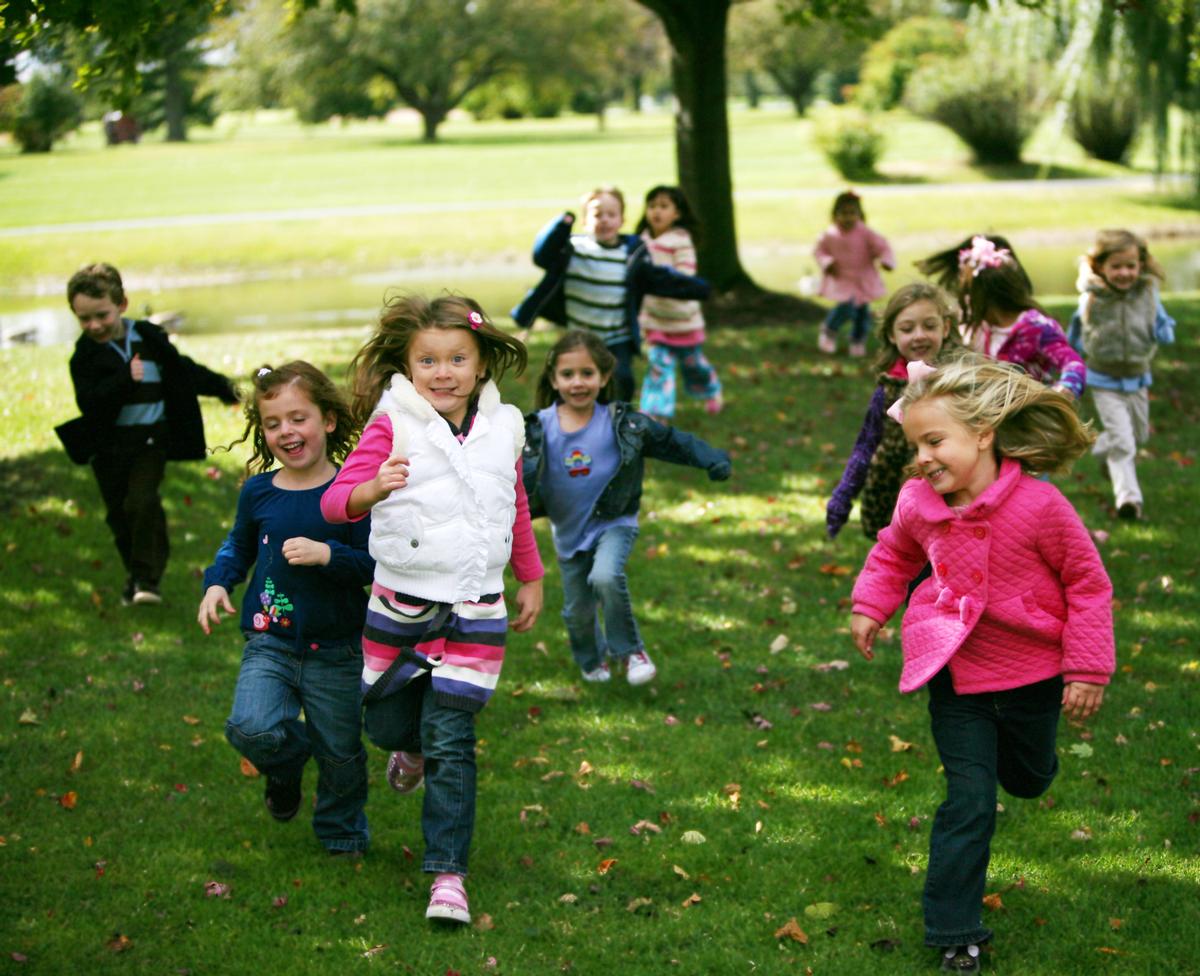
Among the report's recommendations is a call to ensure that children's environments encourage play and physical activity

Children's health and a healthy environment must come above company profits
– Dame Sally Davies
The outgoing chief medical officer, professor Dame Sally Davies, has called for urgent action across the industry – and the public sector – to help the government reach its target of halving childhood obesity by 2030.

In a hard-hitting report, entitled Time to Solve Childhood Obesity, professor Davies sets out 10 recommendations, each of which are supported by a wide range of detailed actions.

Aiming the report at politicians and policymakers "now and in the future”, Davies writes: "Politicians, I call on all of you across the political spectrum to come together and take action.

"The health of our children is in your hands. You can take action because you, on behalf of our society shape our environment.

"You can – and must – take action now to ensure that our children have the opportunity to run, bike and play safely; have access to healthy and affordable food; and are protected from the marketing of unhealthy foods."

Among the recommendations is a call to ensure that the built environment encourages physical activity.

She also proposes a ban on promoting and advertising junk food – which would prevent deals such as the controversial sponsorship deal agreed this month by the England and Wales Cricket Board (ECB) and KP Snacks for the "Hundred" competition next year.

"Children are constantly exposed to advertising for unhealthy food and drink," Davies said. "Companies often use children’s cartoon characters and sponsorship of major sporting events to market these items, casting them as the shining star in children’s minds."

The 10 recommendations, in full, are:

• Rebalance the food and drinks sold to favour healthy options, through regulation.

• Allow children to grow up free from marketing, signals and incentives to consume unhealthy food and drinks.

• Introduce innovative policies that find the win-wins for children’s health and the private sector: E.g. continue private sector sponsorship of major sporting events, facilities and stars, but only allow advertising and sales of their most healthy products on site.

• Invest in and design the built environment to create opportunities for children to be active and healthy.

• Take action to improve: exercise and healthy weight in pregnancy, breastfeeding rates, and infant feeding.

• Ensure schools and nurseries play a central role, supported by Ofsted monitoring. Teachers know that being overweight impacts on children’s lives and they need support to do the right things. Food, drink and physical activity standards should be set and adhered to in all schools and nurseries.

• Ensure our NHS and health sector workforce can deliver what our children and families need to prevent, manage and treat obesity, including having conversations about weight and tackling weight-related stigma.

• Make better use of data to guide practice: e.g. systematically link and share data on children’s weight to intervene early; share private sector data, such as supermarket sales data, with policymakers and researchers

• Protect and prioritise our children’s health and rights while making trade deals. Their health and a healthy environment must come above company profits.

• Develop the evidence base to inform practice and policy

The report also details a number of actions for each recommendation.

The physical activity sector has welcomed the report and the emphasis it places on measures to get children more active.

Responding to the report, Jack Shakespeare, ukactive director of children, young people, families and research, said: "We are pleased to see a firm focus in this report on children and their families, as well as expectant and new mothers, being more physically active.

“Obesity is a complex issue and there is no silver bullet, but physical activity is a major part of the solution. Children who are obese often become obese adults, and are likely to develop serious health problems that will shorten their lives, such as heart disease and type 2 diabetes.

“Now is the time for government to commit to investing in active travel infrastructure and ‘active networks’ within communities – utilising all local facilities to help make being physically active a positive and meaningful part of everyday life.

“We urge the government to help scale our ‘Schools as Community Hubs’ model across the country, providing subsidised clubs with nutritious food and physical activities led by experts from across the sector, to help improve the health and wellbeing of our children and young people, both in and out of school."

• To download and read the full report, click here.

RELATED STORIES
  Obesity 'should be considered as premature ageing' – research


Obesity should be classed as a form of premature ageing, due to it predisposing people to acquiring potentially life-altering diseases normally seen in older individuals.
  CMO guidelines: fitness sector must highlight importance of strength training


The UK fitness industry should make a concerted effort to highlight the importance of strength training, following the publication of the Chief Medical Officer's (CMO) guidelines for physical activity.
MORE NEWS
Les Mills calls on the industry to support UNICEF
Global group exercise specialist, Les Mills, is inviting operators to sign up to its Workout for the World event on 20 June, in support of UNICEF.
HUM2N opens longevity clinic at Six Senses London
Global luxury hospitality brand, Six Senses, has partnered with longevity healthcare provider, HUM2N, to launch a clinic at Six Senses London, at The Whiteley.
KX Chelsea invests £15 million to upgrade its wellness offering
Premium London health club, KX Chelsea, will imminently unveil its most significant redevelopment since its launch in 2002 to create an integrated wellness model combining training, recovery and relaxation.
Researchers identify a drug which reduces muscle loss when using GLP-1 medications
Researchers in the US have identified an antibody which could greatly reduce the loss of lean muscle mass in people who are taking weight-loss medications.
+ More news   
LATEST JOBS
GP Exercise Referral Instructor
Everyone Active
Salary: £33,000pa + benefits
Job location: Harrow, Middlesex , United Kingdom
Self Employed Personal Trainer
Everyone Active
Salary: Competitive
Job location: Enderby
+ More jobs  

FEATURED SUPPLIERS

Elevate 2026 to mark 10-year anniversary with biggest ever waterfront drinks reception
Elevate is set to celebrate its 10th anniversary in style this June, with organisers confirming the event’s largest-ever drinks reception as registrations continue to run more than 10% ahead of last year. [more...]

Supporting long-term health: why whole body vibration belongs in clinical settings
As healthcare continues to shift towards prevention, there’s a growing focus on helping people stay active, independent and feeling good for longer. [more...]
+ More featured suppliers  
COMPANY PROFILES
Life Fitness/Hammer Strength

Life Fitness / Hammer Strength works with some of the world’s most recognised hospitality brands, su [more...]
Safe Space Lockers

We provide a full turn-key solution for clients from design and consultation, through to bespoke man [more...]
+ More profiles  
CATALOGUE GALLERY
 
+ More catalogues  

DIRECTORY
+ More directory  
DIARY


09-12 Jun 2026

W3Spa EMEA

Hotel Cascais Miragem Health & Spa, Portugal
13-13 Jun 2026

Global Wellness Day

Worldwide, Various,
+ More diary  
 
ABOUT LEISURE MEDIA
LEISURE MEDIA MAGAZINES
LEISURE MEDIA HANDBOOKS
LEISURE MEDIA WEBSITES
LEISURE MEDIA PRODUCT SEARCH
 
HCM
LEISURE OPPORTUNITIES
HEALTH CLUB HANDBOOK
PRINT SUBSCRIPTIONS
FREE DIGITAL SUBSCRIPTIONS
ADVERTISE . CONTACT US

Leisure Media
Tel: +44 (0)1462 431385

©Cybertrek 2026
Get HCM digital magazine and ezines FREE
Sign up here ▸
Jobs    News   Products   Magazine
NEWS
CMO report: 10 recommendations to end childhood obesity
POSTED 10 Oct 2019 . BY Tom Walker
Among the report's recommendations is a call to ensure that children's environments encourage play and physical activity
Children's health and a healthy environment must come above company profits
– Dame Sally Davies
The outgoing chief medical officer, professor Dame Sally Davies, has called for urgent action across the industry – and the public sector – to help the government reach its target of halving childhood obesity by 2030.

In a hard-hitting report, entitled Time to Solve Childhood Obesity, professor Davies sets out 10 recommendations, each of which are supported by a wide range of detailed actions.

Aiming the report at politicians and policymakers "now and in the future”, Davies writes: "Politicians, I call on all of you across the political spectrum to come together and take action.

"The health of our children is in your hands. You can take action because you, on behalf of our society shape our environment.

"You can – and must – take action now to ensure that our children have the opportunity to run, bike and play safely; have access to healthy and affordable food; and are protected from the marketing of unhealthy foods."

Among the recommendations is a call to ensure that the built environment encourages physical activity.

She also proposes a ban on promoting and advertising junk food – which would prevent deals such as the controversial sponsorship deal agreed this month by the England and Wales Cricket Board (ECB) and KP Snacks for the "Hundred" competition next year.

"Children are constantly exposed to advertising for unhealthy food and drink," Davies said. "Companies often use children’s cartoon characters and sponsorship of major sporting events to market these items, casting them as the shining star in children’s minds."

The 10 recommendations, in full, are:

• Rebalance the food and drinks sold to favour healthy options, through regulation.

• Allow children to grow up free from marketing, signals and incentives to consume unhealthy food and drinks.

• Introduce innovative policies that find the win-wins for children’s health and the private sector: E.g. continue private sector sponsorship of major sporting events, facilities and stars, but only allow advertising and sales of their most healthy products on site.

• Invest in and design the built environment to create opportunities for children to be active and healthy.

• Take action to improve: exercise and healthy weight in pregnancy, breastfeeding rates, and infant feeding.

• Ensure schools and nurseries play a central role, supported by Ofsted monitoring. Teachers know that being overweight impacts on children’s lives and they need support to do the right things. Food, drink and physical activity standards should be set and adhered to in all schools and nurseries.

• Ensure our NHS and health sector workforce can deliver what our children and families need to prevent, manage and treat obesity, including having conversations about weight and tackling weight-related stigma.

• Make better use of data to guide practice: e.g. systematically link and share data on children’s weight to intervene early; share private sector data, such as supermarket sales data, with policymakers and researchers

• Protect and prioritise our children’s health and rights while making trade deals. Their health and a healthy environment must come above company profits.

• Develop the evidence base to inform practice and policy

The report also details a number of actions for each recommendation.

The physical activity sector has welcomed the report and the emphasis it places on measures to get children more active.

Responding to the report, Jack Shakespeare, ukactive director of children, young people, families and research, said: "We are pleased to see a firm focus in this report on children and their families, as well as expectant and new mothers, being more physically active.

“Obesity is a complex issue and there is no silver bullet, but physical activity is a major part of the solution. Children who are obese often become obese adults, and are likely to develop serious health problems that will shorten their lives, such as heart disease and type 2 diabetes.

“Now is the time for government to commit to investing in active travel infrastructure and ‘active networks’ within communities – utilising all local facilities to help make being physically active a positive and meaningful part of everyday life.

“We urge the government to help scale our ‘Schools as Community Hubs’ model across the country, providing subsidised clubs with nutritious food and physical activities led by experts from across the sector, to help improve the health and wellbeing of our children and young people, both in and out of school."

• To download and read the full report, click here.
RELATED STORIES
Obesity 'should be considered as premature ageing' – research


Obesity should be classed as a form of premature ageing, due to it predisposing people to acquiring potentially life-altering diseases normally seen in older individuals.
CMO guidelines: fitness sector must highlight importance of strength training


The UK fitness industry should make a concerted effort to highlight the importance of strength training, following the publication of the Chief Medical Officer's (CMO) guidelines for physical activity.
MORE NEWS
Les Mills calls on the industry to support UNICEF
Global group exercise specialist, Les Mills, is inviting operators to sign up to its Workout for the World event on 20 June, in support of UNICEF.
HUM2N opens longevity clinic at Six Senses London
Global luxury hospitality brand, Six Senses, has partnered with longevity healthcare provider, HUM2N, to launch a clinic at Six Senses London, at The Whiteley.
KX Chelsea invests £15 million to upgrade its wellness offering
Premium London health club, KX Chelsea, will imminently unveil its most significant redevelopment since its launch in 2002 to create an integrated wellness model combining training, recovery and relaxation.
Researchers identify a drug which reduces muscle loss when using GLP-1 medications
Researchers in the US have identified an antibody which could greatly reduce the loss of lean muscle mass in people who are taking weight-loss medications.
Peloton signals potential move into reformer Pilates with Skop acquisition
Peloton has made the strategic acquisition of the Pilates start-up, Skōp, to support the expansion of its strength ecosystem.
Crunch Fitness creates more affordable reformer Pilates concept
Crunch Fitness has announced the launch of Crunch Reform Pilates – its own reformer concept designed to bring this fast growing, but rather expensive, modality into the mainstream.
+ More news   
 
FEATURED SUPPLIERS

Elevate 2026 to mark 10-year anniversary with biggest ever waterfront drinks reception
Elevate is set to celebrate its 10th anniversary in style this June, with organisers confirming the event’s largest-ever drinks reception as registrations continue to run more than 10% ahead of last year. [more...]

Supporting long-term health: why whole body vibration belongs in clinical settings
As healthcare continues to shift towards prevention, there’s a growing focus on helping people stay active, independent and feeling good for longer. [more...]
+ More featured suppliers  
COMPANY PROFILES
Life Fitness/Hammer Strength

Life Fitness / Hammer Strength works with some of the world’s most recognised hospitality brands, su [more...]
+ More profiles  
CATALOGUE GALLERY
+ More catalogues  

DIRECTORY
+ More directory  
DIARY


09-12 Jun 2026

W3Spa EMEA

Hotel Cascais Miragem Health & Spa, Portugal
13-13 Jun 2026

Global Wellness Day

Worldwide, Various,
+ More diary  


ADVERTISE . CONTACT US

Leisure Media
Tel: +44 (0)1462 431385

©Cybertrek 2026

ABOUT LEISURE MEDIA
LEISURE MEDIA MAGAZINES
LEISURE MEDIA HANDBOOKS
LEISURE MEDIA WEBSITES
LEISURE MEDIA PRODUCT SEARCH
PRINT SUBSCRIPTIONS
FREE DIGITAL SUBSCRIPTIONS