NEWS
 |
| Youth Sport Trust pilot: active play is 'crucial' to children preparing for school |
|
| POSTED 13 Sep 2019 . BY Tom Walker |
|
|
|
|
|
|
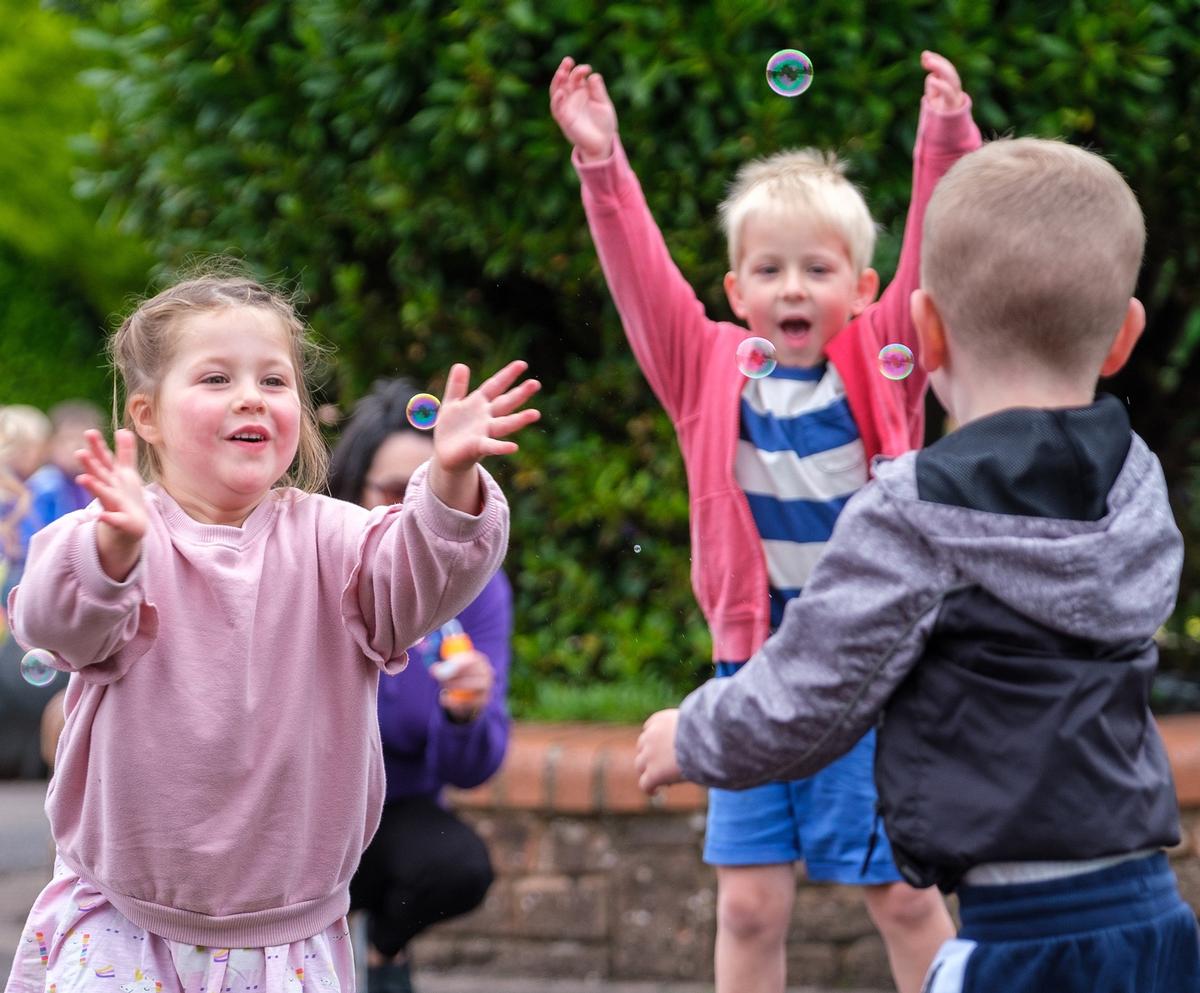
The physical literacy and social mobility project was designed for children aged between two and four
|
|
|
|
|
A regional active play scheme targeting two to four-year-olds has been credited with providing a "wholly positive impact" on children’s attitude to learning – and their ability to follow instructions.
The results achieved by the West Somerset Physical Literacy programme, created by the Youth Sport Trust (YST), has led to plans to roll the programme out across the rest of the UK.
The early years physical literacy and social mobility project was designed to ensure every child in West Somerset received the opportunity to achieve a good level of physical development linked to their language and literacy skills.
Based on a programme of structured play, the pilot scheme was launched in October 2018 and aimed to increase self-esteem and wellbeing – as well as developing agility, balance and coordination.
Interim findings of the programme found that children as young as two were demonstrating improvements in speaking, along with managing relationships (55 per cent of the children taking part), understanding (64 per cent), and improvements in listening and attention (57 per cent).
Activities included chasing bubbles, balancing bean bags while moving, acting out stories in books and making children think how they can travel differently from one task to the next.
By also involving parents in stay and play clubs, 95 per cent of parents said they had been given ideas to help their child to be active and 90 per cent felt more confident in helping their child to be active at home.
“Movement in the early years is critical to a child’s development, and particularly for the children in nurseries and pre-school settings," said Chris Wright, head of health and wellbeing at YST.
“We have placed a huge amount of resource and research into training and mentoring parents, nursery and pre-school leaders to give them confidence and ideas around how to be active with their children and structure play in a way that supports their development.
“Not only are children developing the ability to sit for longer and have better object control to help them write and give them the skills they need to start school, but parents feel more confident to play with their children, they understand why it’s good to be active, and children are enjoying being more active which will mean they can develop healthy, active habits for good future physical and mental health.
"West Somerset is setting a great example of what could be achieved for young children all over the UK by getting them physically literate in their early years.”
|
|
|
|
|
|
|
|
|
|
|
|
Youth sports and culture projects receive £7m government investment
POSTED 05 Feb 2020. BY Tom Walker
Sports, arts and heritage-based youth projects across the UK are set to receive a share of a £7m
investment from the central government.
The Youth Accelerator Fund has been set up to address urgent needs in the youth sector and expand
existing successful projects run by Sport England, National Lottery Heritage Fund, Arts Council
England and British Film Institute.
Sport England will receive £1.32m to expand its grassroots programmes and offer extra-curricular
sport to young people in deprived areas.
|
|
|
|
Youth Sport Trust lays out vision for PE
POSTED 02 Mar 2017. BY Matthew Campelli
The Youth Sport Trust has laid out its vision for PE and school sport during its annual
conference in Coventry. According to chief executive Alison Oliver, physical literacy and the love of
movement should be at the heart of primary school PE, with leadership skills and health and
wellbeing the focus on secondary school sport. Delivering a keynote speech at the conference, Oliver
told delegates: “This would put physical education at the heart of the educational agenda for schools
– ensuring young people are well enough to learn and have developed a range of personal
competencies that will help them in the classroom.”
|
|
|
|
|
|
 |
|
|


 |
|
| DIARY |
15-18 Jun 2026
HLTH Europe
RAI Convention Centre,
Amsterdam,
Netherlands
|
|
|
|
|
|