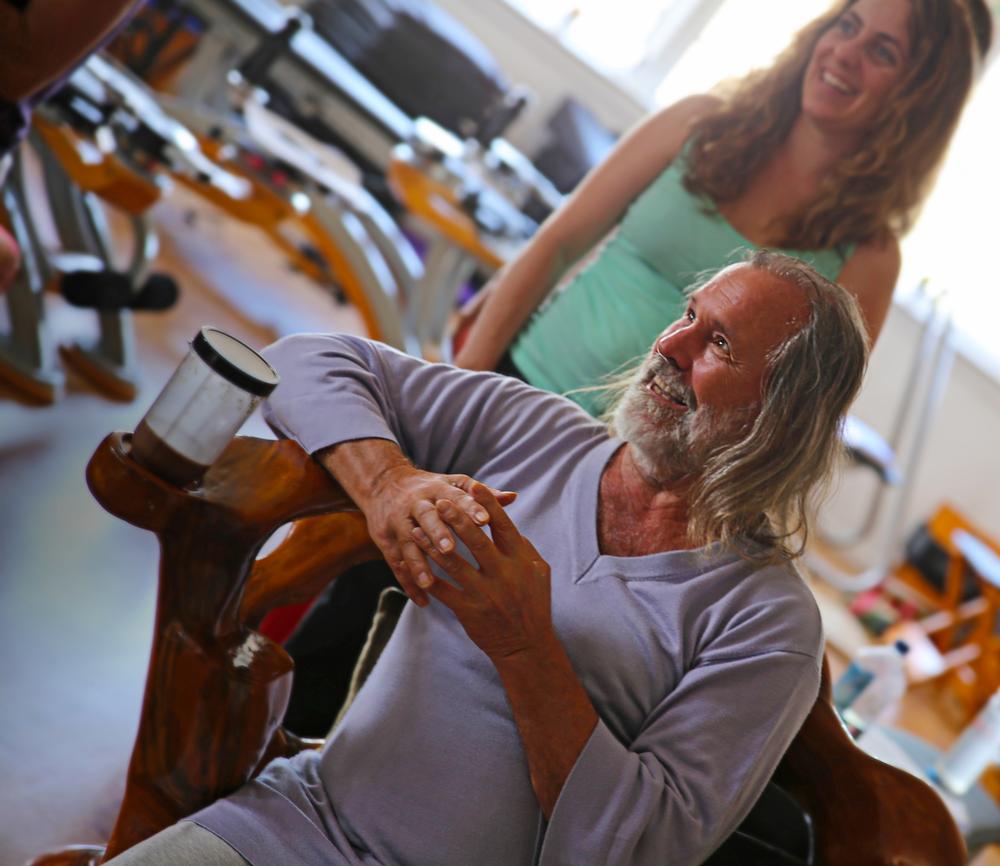
Before developing his Gyrotonic and Gyrokinesis methods, Horvath was a principal ballet dancer
Speaking to Juliu Horvath I had the sense of speaking to a legend along the lines of Joseph Pilates or Patabhi Jois. Now aged 77, Horvath has told his life story so many times that he sounds almost weary having to tell it again, but it’s an intriguing tale.
Born in Romania, Horvath became the principal dancer for the Romanian National Ballet Company, but defected while touring with them in Italy, in 1970. After a spell living in a refugee camp, he was given political asylum in the US. After moving to New York, he did whatever jobs he had to do to get by until, once again, he started performing with ballet companies, alongside international stars, such as Margot Fonteyn.
While he was dancing, Horvath sometimes experienced lower back pain – as a result of a slipped disc when he was a teenager. This occasionally became serious, but no one in the medical community was able to help him, so he started looking into other modalities which could support his body and allow him to continue dancing.
Horvath became the principal dancer with the Houston Ballet Company, but his dancing career was brought to a sudden halt when he ruptured his Achilles tendon in the late 70s. This was the catalyst for him to spend more time exploring his movement modality. Moving to a small hut in the Virgin Islands, he spent six years exploring yoga and meditation and gaining insights into movement and healing, which provided the foundations of the Gyrotonic and Gyrokinesis Method.
A new movement modality Horvath says his technique does to the body what opening the windows and spring cleaning does to a house. The movements look fluid, balletic and yogic. They open up and create space in the body, as well as serving to expand and elongate the joints.
Now there are some 16,000 trainers working in around 60 countries, but Horvath says this has all happened organically, via word of mouth. When he moved back to New York in the early 80s, he quickly gained a following in the dance community, as people wanted to know what he had been doing which allowed him to move so well.
“Initially my students were professional dancers who wanted to learn what I was doing and that was the beginning of my teaching,” he says. “It has continued to grow via word of mouth. I quickly had people from all sorts of backgrounds and all kinds of disabilities coming to me, who the medical community couldn’t help. As I came across different people with different problems and limitations, I started to adapt the technique.
“The exercises support the five basic movements of the spine: forward and backwards, side to side and spiralling. We combine these in any configuration, depending on the specific needs of the person and can adapt it to anyone’s limitation and also their goal. People have been coming back to me for more than 35 years – I take them to another dimension as they progress, because the dimensions are endless.”
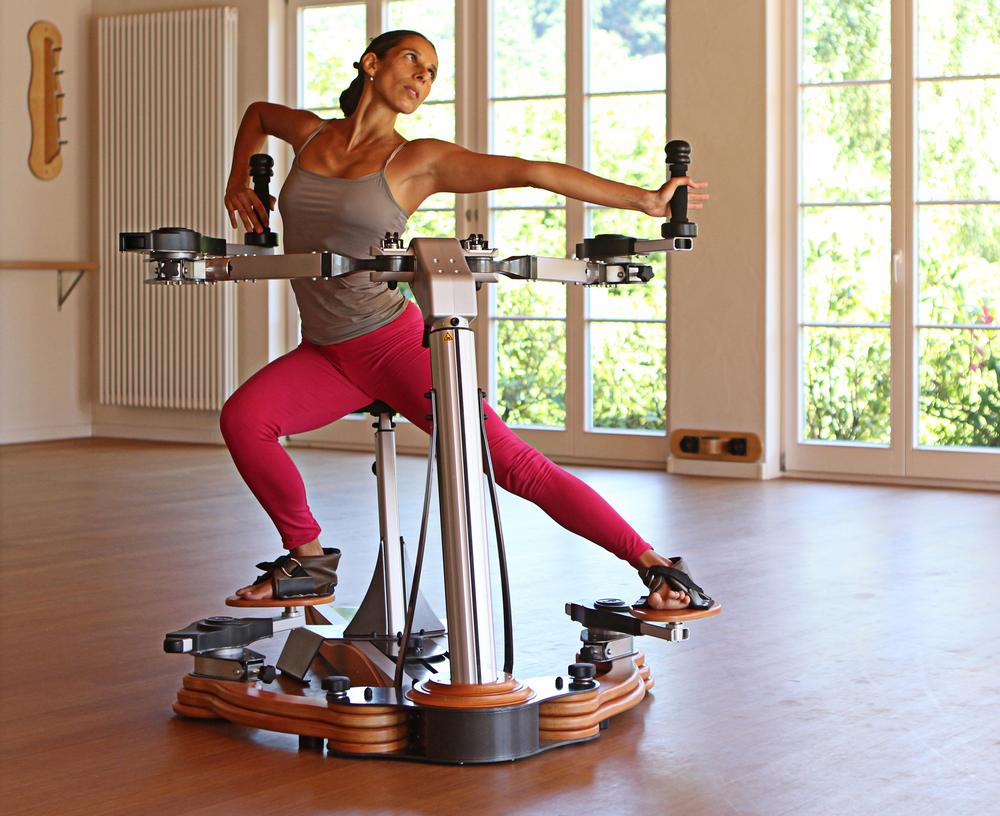
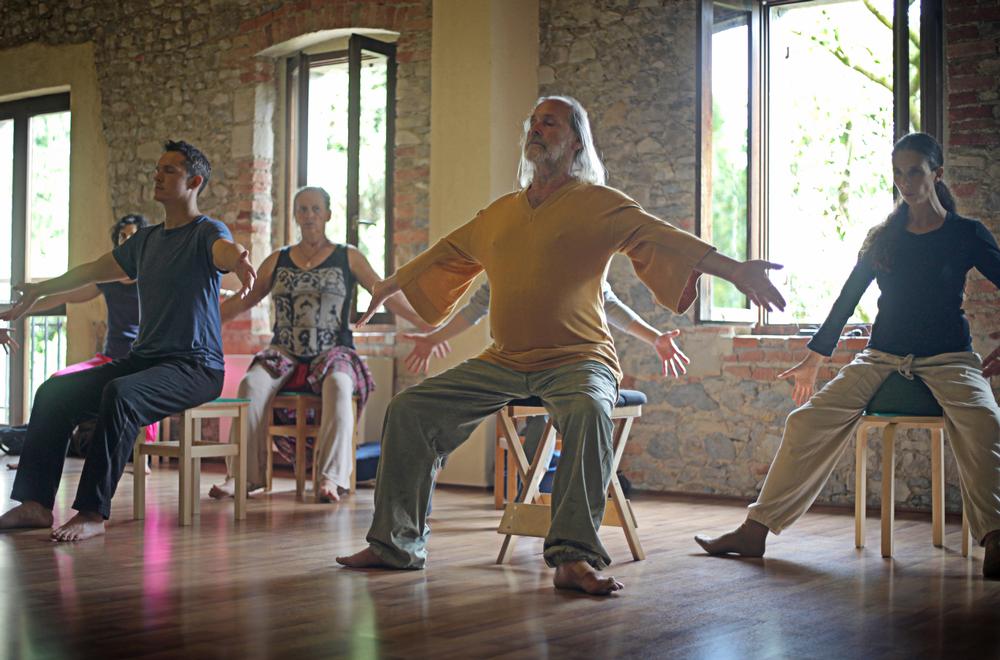
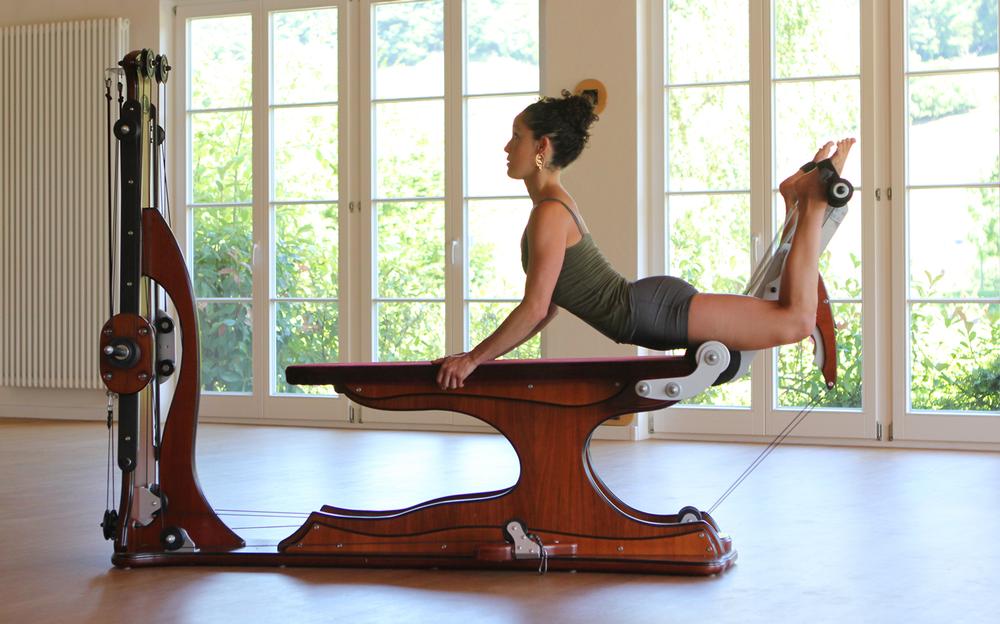
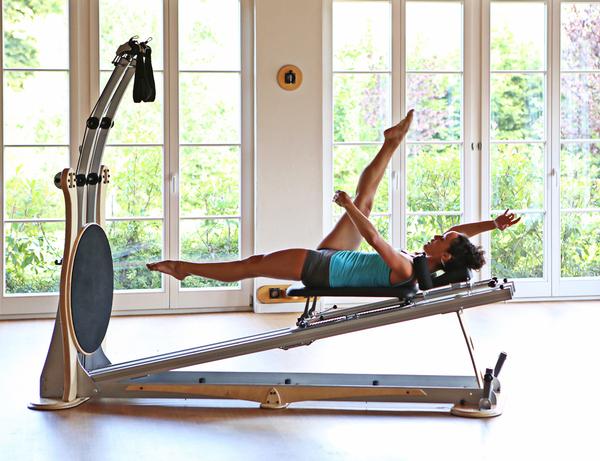
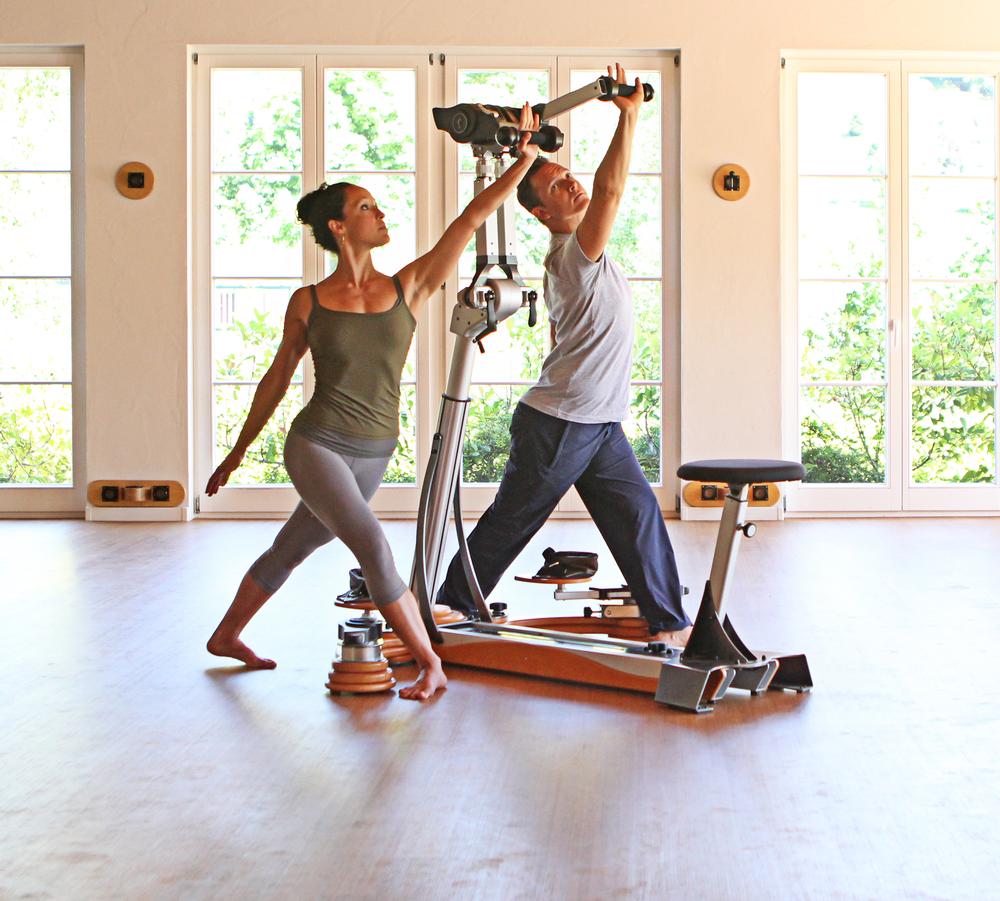
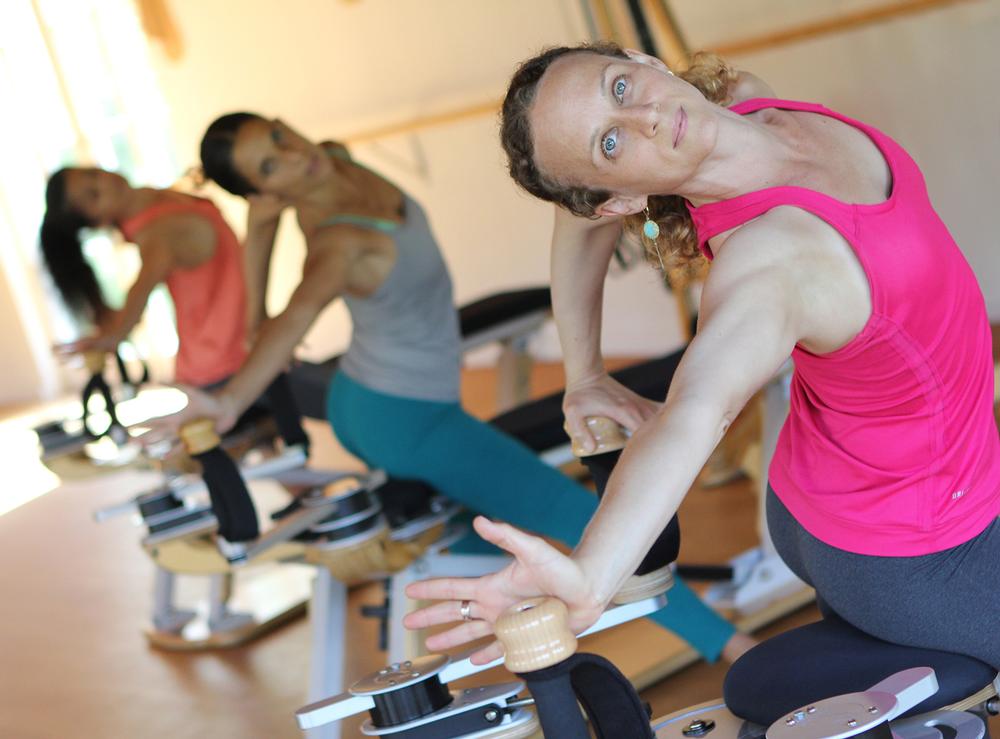
The introduction of equipment After a few years, Horvath started devising equipment to support the movements. Now there are two strands: Gyrotonic classes use a range of specially designed equipment, which incorporate pulleys and sliding and rotating parts, which all support the body in opening up. Gyrokinesis classes are performed on chairs or mats, without equipment but to the same end.
“The body is like a musical instrument,” says Horvath. “With a violin if you over pull the cord then it won’t play the right note, but if you don’t pull the cord enough it also won’t play the note. You have to find the exact pull in each movement and each dimension so the music becomes possible.”
Over the past 35 years, Horvath has worked with many people and had countless success stories, including bringing prima ballerinas back from injury and prolonging their careers by another five or six years. He says one of his most interesting cases was in the early days, when he helped a man who was half paralysed from a stroke to walk again.
“I’m not stuffed with previous knowledge, I don’t have a book, I just experiment and find a way to work around it,” he says. “I don’t pre-meditate anything. I work with what is happening at the particular time. I didn’t dream how big this is going to get. I never imagined it would go to the dimension it is now. But it’s there, so we’re going with it.”
Certified trainers People from all walks of life are leaving their jobs to become trainers: doctors, bank workers, physiotherapists. Training for either of the disciplines has four stages: pre-training, foundation training, a six to 12 month supervised apprenticeship and, lastly, the final certificate course.
Once qualified, trainers are expected to do continuing education courses, as Horvath is constantly making new discoveries: there are around 25 different applications for different physical issues, ranging from dancers and elite athletes to medical conditions.
“I’m still learning – I’m learning with my own limitations and the problems which people come to me with,” he says. “Every new person presents a learning curve. I don’t have a preconceived idea about what I’m going to do, I just figure out each time how I’m going to resolve the problem. The system is the vocabulary and it is up to the trainer to formulate the sentences for each individual.”
For this reason, work experience and self practice is a fundamental part of the training. All of the training is undertaken by the team of master trainers, with Horvath working with them to pass on his latest teachings.
Gyrotonic classes or Gyrokinesis classes are now available at 5,000 studios worldwide. Going forward, Horvath wants to continuing expanding the reach and growing the community, while not letting it grow so fast that it loses its purity. His current focus is on teaching courses which focus on harnessing the power of the breath to expand the mind and improve movement quality.
After a few years of practicing his method, Horvath started devising equipment to support the movements
Gyrokinesis classes are performed on chairs or mats, while Gyrotonic classes utilise special equipment
Trainers of the methods are required to undertake continuing education, so Horvath can pass on his latest teachings
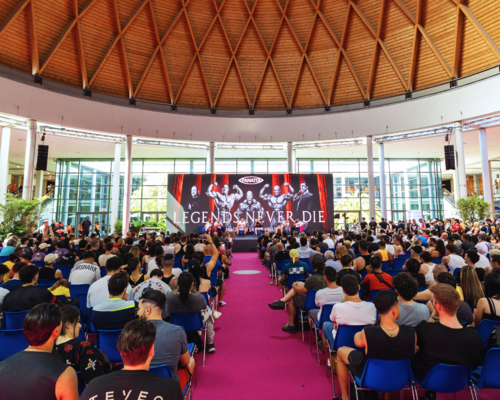
Panatta brought together four of the most influential figures in bodybuilding history on the
stage of RiminiWellness 2026: Phil Heath, Lee Haney, Ronnie Coleman and Hany Rambod. [more...]
Before developing his Gyrotonic and Gyrokinesis methods, Horvath was a principal ballet dancer
Speaking to Juliu Horvath I had the sense of speaking to a legend along the lines of Joseph Pilates or Patabhi Jois. Now aged 77, Horvath has told his life story so many times that he sounds almost weary having to tell it again, but it’s an intriguing tale.
Born in Romania, Horvath became the principal dancer for the Romanian National Ballet Company, but defected while touring with them in Italy, in 1970. After a spell living in a refugee camp, he was given political asylum in the US. After moving to New York, he did whatever jobs he had to do to get by until, once again, he started performing with ballet companies, alongside international stars, such as Margot Fonteyn.
While he was dancing, Horvath sometimes experienced lower back pain – as a result of a slipped disc when he was a teenager. This occasionally became serious, but no one in the medical community was able to help him, so he started looking into other modalities which could support his body and allow him to continue dancing.
Horvath became the principal dancer with the Houston Ballet Company, but his dancing career was brought to a sudden halt when he ruptured his Achilles tendon in the late 70s. This was the catalyst for him to spend more time exploring his movement modality. Moving to a small hut in the Virgin Islands, he spent six years exploring yoga and meditation and gaining insights into movement and healing, which provided the foundations of the Gyrotonic and Gyrokinesis Method.
A new movement modality Horvath says his technique does to the body what opening the windows and spring cleaning does to a house. The movements look fluid, balletic and yogic. They open up and create space in the body, as well as serving to expand and elongate the joints.
Now there are some 16,000 trainers working in around 60 countries, but Horvath says this has all happened organically, via word of mouth. When he moved back to New York in the early 80s, he quickly gained a following in the dance community, as people wanted to know what he had been doing which allowed him to move so well.
“Initially my students were professional dancers who wanted to learn what I was doing and that was the beginning of my teaching,” he says. “It has continued to grow via word of mouth. I quickly had people from all sorts of backgrounds and all kinds of disabilities coming to me, who the medical community couldn’t help. As I came across different people with different problems and limitations, I started to adapt the technique.
“The exercises support the five basic movements of the spine: forward and backwards, side to side and spiralling. We combine these in any configuration, depending on the specific needs of the person and can adapt it to anyone’s limitation and also their goal. People have been coming back to me for more than 35 years – I take them to another dimension as they progress, because the dimensions are endless.”
The introduction of equipment After a few years, Horvath started devising equipment to support the movements. Now there are two strands: Gyrotonic classes use a range of specially designed equipment, which incorporate pulleys and sliding and rotating parts, which all support the body in opening up. Gyrokinesis classes are performed on chairs or mats, without equipment but to the same end.
“The body is like a musical instrument,” says Horvath. “With a violin if you over pull the cord then it won’t play the right note, but if you don’t pull the cord enough it also won’t play the note. You have to find the exact pull in each movement and each dimension so the music becomes possible.”
Over the past 35 years, Horvath has worked with many people and had countless success stories, including bringing prima ballerinas back from injury and prolonging their careers by another five or six years. He says one of his most interesting cases was in the early days, when he helped a man who was half paralysed from a stroke to walk again.
“I’m not stuffed with previous knowledge, I don’t have a book, I just experiment and find a way to work around it,” he says. “I don’t pre-meditate anything. I work with what is happening at the particular time. I didn’t dream how big this is going to get. I never imagined it would go to the dimension it is now. But it’s there, so we’re going with it.”
Certified trainers People from all walks of life are leaving their jobs to become trainers: doctors, bank workers, physiotherapists. Training for either of the disciplines has four stages: pre-training, foundation training, a six to 12 month supervised apprenticeship and, lastly, the final certificate course.
Once qualified, trainers are expected to do continuing education courses, as Horvath is constantly making new discoveries: there are around 25 different applications for different physical issues, ranging from dancers and elite athletes to medical conditions.
“I’m still learning – I’m learning with my own limitations and the problems which people come to me with,” he says. “Every new person presents a learning curve. I don’t have a preconceived idea about what I’m going to do, I just figure out each time how I’m going to resolve the problem. The system is the vocabulary and it is up to the trainer to formulate the sentences for each individual.”
For this reason, work experience and self practice is a fundamental part of the training. All of the training is undertaken by the team of master trainers, with Horvath working with them to pass on his latest teachings.
Gyrotonic classes or Gyrokinesis classes are now available at 5,000 studios worldwide. Going forward, Horvath wants to continuing expanding the reach and growing the community, while not letting it grow so fast that it loses its purity. His current focus is on teaching courses which focus on harnessing the power of the breath to expand the mind and improve movement quality.
After a few years of practicing his method, Horvath started devising equipment to support the movements
Gyrokinesis classes are performed on chairs or mats, while Gyrotonic classes utilise special equipment
Trainers of the methods are required to undertake continuing education, so Horvath can pass on his latest teachings
Les Mills has launched a reformer Pilates workout. The 45-minute workout blends traditional
reformer movements and more contemporary exercises, choreographed to music.
According to research which tracked more than 147,000 people for 30 years, 90-120 minutes
of strength training a week may deliver some of the biggest long-term health rewards.
The UK's four Chief Medical Officers have published a refreshed edition of Physical activity
guidelines: UK Chief Medical Officers' report, updating the evidence that underpins the nation's
physical activity recommendations and placing greater emphasis on strength, balance, reducing
sedentary behaviour and, for the first time, supporting people taking weight loss medications.
Places Leisure has exchanged contracts to build and operate a flagship £60m water and leisure
destination on behalf of Basingstoke and Deane Borough Council.
The Republic of Ireland will become the latest market in PureGym’s expanding international
portfolio, with the first launch planned for Dublin in 2027.
Anytime Fitness opened more than one club a day in 2025 and is on track to maintain this rate
of growth this year, as parent company Purpose Brands targets further international expansion.
The £33.9 million Leighton Leisure and Community Centre has opened in Leighton Buzzard, UK,
creating a next-generation public leisure, health and wellbeing hub for the local community.
Walnuts Leisure Centre in Orpington, in the London Borough of Bromley, has reopened following
a £17m transformation designed to secure the long-term future of the public leisure asset and
reposition it as a community wellbeing hub.
Panatta brought together four of the most influential figures in bodybuilding history on the
stage of RiminiWellness 2026: Phil Heath, Lee Haney, Ronnie Coleman and Hany Rambod. [more...]