“PACE labelling would be a simple, user-friendly way of informing people, at a glance, of the amount of physical activity required
for the food they are considering eating ”
Your research recommends a new type of labelling for food, how would this work? Physical activity calorie equivalent (PACE) labelling would use a small symbol to show people how long they would need to walk or run in order to burn off the calories in the food they eat. For example, a 400-calorie chocolate muffin would take 70 minutes of walking or 40 of running to burn off.
How do you know PACE labelling would be more effective than the current approach? We’re not advocating that current food labelling is abandoned, we’re suggesting that PACE labelling is added to the current labels. There’s only limited evidence to show that nutritional information, such as calorie content, works. Most people find it too confusing as it doesn’t provide any context.
PACE labelling would be a simple, user-friendly way of informing people, at a glance, of the amount of physical activity required to burn off the food they are considering eating.
As people only spend a few seconds looking at food and deciding whether to buy it, a simple, easily understandable approach is needed.
We’re interested in saving lives and finding ways to reduce obesity and cardiovascular disease and are always looking for ways to educate the public to choose more healthy ways to eat, as well as getting people more physically active.
This recommendation is one way of targeting both behaviours in the whole population. Other research we’ve done has shown that PACE label information can prevent people from gaining weight, so we know it has the potential to positively impact the health of the public.
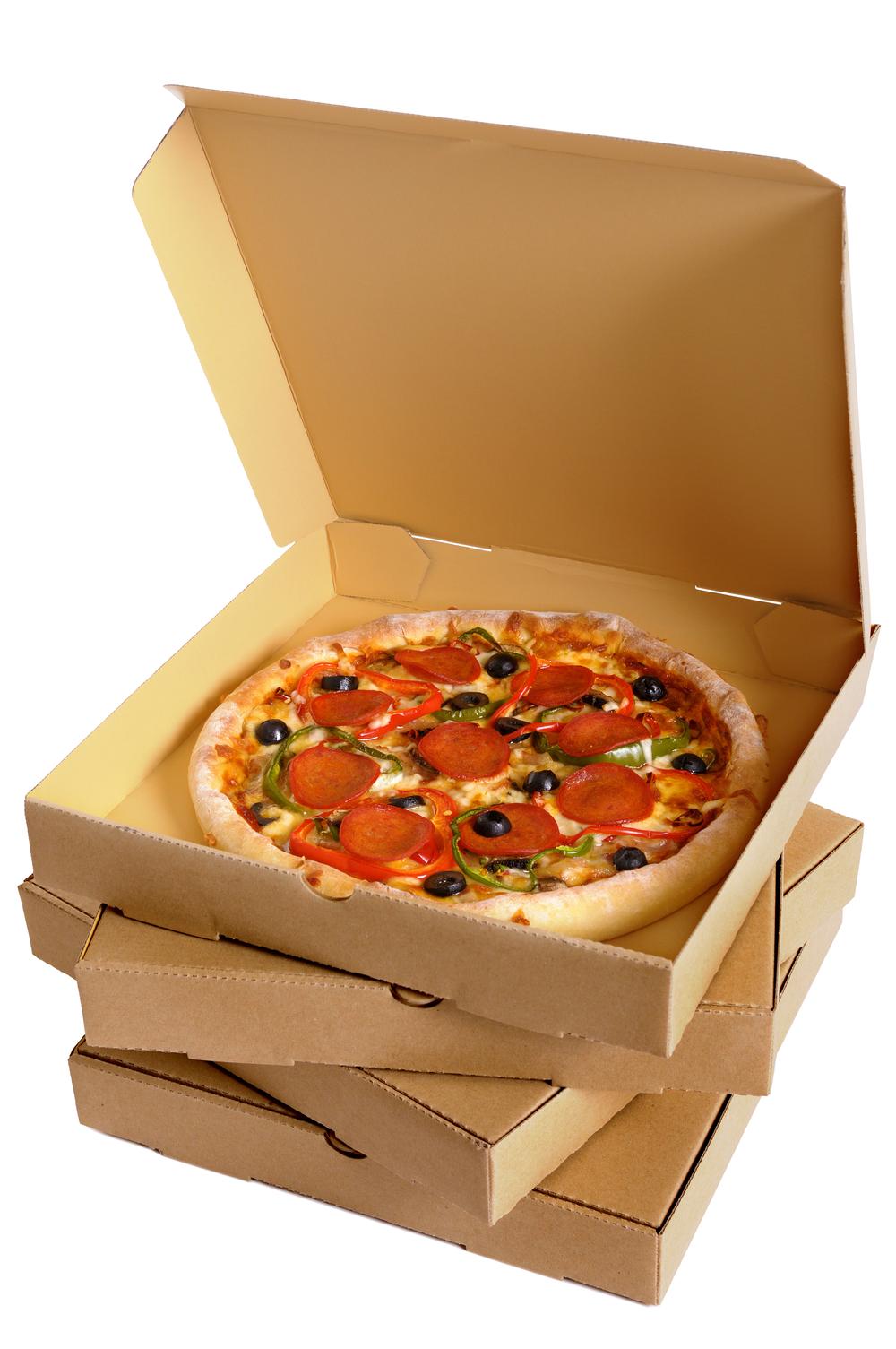
What activities would you like to see on labels? Walking – because it’s an activity everyone can relate to – and running. Most people wouldn’t consider running, so if they know they have to do a 95 minute run to work off a medium sized pizza, they’ll probably decide to go without it!
How did you go about proving PACE labelling could work? We analysed data from 14 previous studies from around the world, which explored the impact of an exercise-based labelling system.
After collating the studies, we did a meta analysis and concluded that PACE labelling leads to people eating 63 calories fewer on each eating occasion. As most people have three daily meals and two snacks, this is a significant reduction in calories during a day.
Additionally, in 2016-17, we also did a two-group, double-blind, randomised controlled trial, published in the BMJ, to test the effectiveness of PACE label information over the Christmas holidays, a time when many people gain weight which they don’t shift.
The study involved 272 adults; one group was encouraged to restrain behaviours, via regular self weighing and reflection on their weight trajectory, and received weight management strategies including PACE information about regularly consumed Christmas foods and drinks. The comparator group only received a leaflet on healthy living.
Our study found that the group that had the benefit of the PACE labelling didn’t gain any weight during the festive season, while the comparator group gained an average of 0.37kg. People said they were shocked about how much activity would be required to burn off many Christmas calories and so simply decided not to eat them.
People assume obesity comes about through gluttony, but from a whole population perspective, it actually occurs by just eating a bit too much at each meal, every day. So we need some interventions to nudge people into good behaviours every time they eat.
Most of the population are not doing enough physical activity every day either, so we need strategies to promote and remind the public of participating in regular physical activity every day: PACE labelling has the potential to do this.
How easy would this be to implement? Is there opposition from the food industry? Like with the sugar tax, there has been some criticism from the food industry, that doesn’t want people to be armed with these facts. It’s so easy to go into a coffee chain and consume 2,000 to 3,000 calories – a day’s calorie allowance - just by having a cake and a frappucino.
There’s been criticism that PACE labelling is misleading, because men and women burn off calories at a different rate, but actually there is less than 15 calories difference between an average man and an average woman running for 10 minutes.
Other critics have said that it might prompt eating disorders. Of course we always have to be mindful of any unintended effects from any new strategy and consider any unwanted consequences, but there’s no evidence that physical activity campaigns lead to eating disorders. Information on calories is already available on food labels and PACE labelling is a way of translating existing information.
Most of the population are overweight and thousands of people die every year from diseases related to being overweight, including cancer, cardiovascular diseases and diabetes. We want to try and prevent these deaths in the population and help the public lead long healthy lives by maintaining good energy balance.
What are the next steps for your team? We’ll complete some more real life studies and once we have enough evidence, we’d like to go to the government and ask them to consider the results and, if appropriate, to legislate. It won’t be a fast turnaround, we’re expecting it to take up to five years.
Is there anything the health and fitness industry could be doing to support this in the meantime? Anything the industry can do to educate people about maintaining good energy balance through healthy eating and participation in regular physical activity would be great. There’s often the tendency after exercise for people to treat themselves with food and end up consuming more calories than they expended in their workout, so only selling healthy choices in cafés and vending machines and placing PACE labelling on food and drinks sold in clubs would be extremely helpful in supporting members to maintain their weight.
• In 2015, 603.7m adults globally were estimated to be obese, with more than 70 countries showing a doubling in the prevalence of obesity since 1980.
• Reports from longitudinal weight tracking studies show that each year on average the population gains a small amount of weight (0.4-1kg) but that weight is gained more rapidly during particular periods, such as the Christmas holiday season, because of prolonged over-consumption and sedentary behaviour. These weight gains were not fully lost afterwards, so over 10 years would lead to a 5-10kg increase in body weight which is enough to drive the obesity epidemic.
• On Christmas Day alone an individual might consume 6,000 calories – three times the recommended daily allowance.
• People have reported that family celebrations provide the greatest challenge for eating restraint.
Daley says PACE labelling is proven to inspire people to improve their lifestyle / SHUTTERSTOCK/ EpicStockMedia.
A 400-calorie chocolate muffin would take
70 minutes of walking
or 40 minutes of running to burn off / STILL LIFE: SHUTTERSTOCK/MOVING MOMENT
Changes to packaging could take up to five years to implement if approved by government / SHUTTERSTOCK/ LADO.
If people know they have to do a 95 minute run to work off a medium sized pizza, they’ll probably decide to go without it! / STILL LIFE: SHUTTERSTOCK/DAVID FRANKLIN
Elevate is set to celebrate its 10th anniversary in style this June, with organisers
confirming the event’s largest-ever drinks reception as registrations continue to run more
than 10% ahead of last year. [more...]
One of the biggest mistakes the fitness industry still makes is advertising almost
exclusively to people who already look and live like gym members. [more...]
“PACE labelling would be a simple, user-friendly way of informing people, at a glance, of the amount of physical activity required
for the food they are considering eating ”
Your research recommends a new type of labelling for food, how would this work? Physical activity calorie equivalent (PACE) labelling would use a small symbol to show people how long they would need to walk or run in order to burn off the calories in the food they eat. For example, a 400-calorie chocolate muffin would take 70 minutes of walking or 40 of running to burn off.
How do you know PACE labelling would be more effective than the current approach? We’re not advocating that current food labelling is abandoned, we’re suggesting that PACE labelling is added to the current labels. There’s only limited evidence to show that nutritional information, such as calorie content, works. Most people find it too confusing as it doesn’t provide any context.
PACE labelling would be a simple, user-friendly way of informing people, at a glance, of the amount of physical activity required to burn off the food they are considering eating.
As people only spend a few seconds looking at food and deciding whether to buy it, a simple, easily understandable approach is needed.
We’re interested in saving lives and finding ways to reduce obesity and cardiovascular disease and are always looking for ways to educate the public to choose more healthy ways to eat, as well as getting people more physically active.
This recommendation is one way of targeting both behaviours in the whole population. Other research we’ve done has shown that PACE label information can prevent people from gaining weight, so we know it has the potential to positively impact the health of the public.
What activities would you like to see on labels? Walking – because it’s an activity everyone can relate to – and running. Most people wouldn’t consider running, so if they know they have to do a 95 minute run to work off a medium sized pizza, they’ll probably decide to go without it!
How did you go about proving PACE labelling could work? We analysed data from 14 previous studies from around the world, which explored the impact of an exercise-based labelling system.
After collating the studies, we did a meta analysis and concluded that PACE labelling leads to people eating 63 calories fewer on each eating occasion. As most people have three daily meals and two snacks, this is a significant reduction in calories during a day.
Additionally, in 2016-17, we also did a two-group, double-blind, randomised controlled trial, published in the BMJ, to test the effectiveness of PACE label information over the Christmas holidays, a time when many people gain weight which they don’t shift.
The study involved 272 adults; one group was encouraged to restrain behaviours, via regular self weighing and reflection on their weight trajectory, and received weight management strategies including PACE information about regularly consumed Christmas foods and drinks. The comparator group only received a leaflet on healthy living.
Our study found that the group that had the benefit of the PACE labelling didn’t gain any weight during the festive season, while the comparator group gained an average of 0.37kg. People said they were shocked about how much activity would be required to burn off many Christmas calories and so simply decided not to eat them.
People assume obesity comes about through gluttony, but from a whole population perspective, it actually occurs by just eating a bit too much at each meal, every day. So we need some interventions to nudge people into good behaviours every time they eat.
Most of the population are not doing enough physical activity every day either, so we need strategies to promote and remind the public of participating in regular physical activity every day: PACE labelling has the potential to do this.
How easy would this be to implement? Is there opposition from the food industry? Like with the sugar tax, there has been some criticism from the food industry, that doesn’t want people to be armed with these facts. It’s so easy to go into a coffee chain and consume 2,000 to 3,000 calories – a day’s calorie allowance - just by having a cake and a frappucino.
There’s been criticism that PACE labelling is misleading, because men and women burn off calories at a different rate, but actually there is less than 15 calories difference between an average man and an average woman running for 10 minutes.
Other critics have said that it might prompt eating disorders. Of course we always have to be mindful of any unintended effects from any new strategy and consider any unwanted consequences, but there’s no evidence that physical activity campaigns lead to eating disorders. Information on calories is already available on food labels and PACE labelling is a way of translating existing information.
Most of the population are overweight and thousands of people die every year from diseases related to being overweight, including cancer, cardiovascular diseases and diabetes. We want to try and prevent these deaths in the population and help the public lead long healthy lives by maintaining good energy balance.
What are the next steps for your team? We’ll complete some more real life studies and once we have enough evidence, we’d like to go to the government and ask them to consider the results and, if appropriate, to legislate. It won’t be a fast turnaround, we’re expecting it to take up to five years.
Is there anything the health and fitness industry could be doing to support this in the meantime? Anything the industry can do to educate people about maintaining good energy balance through healthy eating and participation in regular physical activity would be great. There’s often the tendency after exercise for people to treat themselves with food and end up consuming more calories than they expended in their workout, so only selling healthy choices in cafés and vending machines and placing PACE labelling on food and drinks sold in clubs would be extremely helpful in supporting members to maintain their weight.
• In 2015, 603.7m adults globally were estimated to be obese, with more than 70 countries showing a doubling in the prevalence of obesity since 1980.
• Reports from longitudinal weight tracking studies show that each year on average the population gains a small amount of weight (0.4-1kg) but that weight is gained more rapidly during particular periods, such as the Christmas holiday season, because of prolonged over-consumption and sedentary behaviour. These weight gains were not fully lost afterwards, so over 10 years would lead to a 5-10kg increase in body weight which is enough to drive the obesity epidemic.
• On Christmas Day alone an individual might consume 6,000 calories – three times the recommended daily allowance.
• People have reported that family celebrations provide the greatest challenge for eating restraint.
Daley says PACE labelling is proven to inspire people to improve their lifestyle / SHUTTERSTOCK/ EpicStockMedia.
A 400-calorie chocolate muffin would take
70 minutes of walking
or 40 minutes of running to burn off / STILL LIFE: SHUTTERSTOCK/MOVING MOMENT
Changes to packaging could take up to five years to implement if approved by government / SHUTTERSTOCK/ LADO.
If people know they have to do a 95 minute run to work off a medium sized pizza, they’ll probably decide to go without it! / STILL LIFE: SHUTTERSTOCK/DAVID FRANKLIN
Global luxury hospitality brand, Six Senses, has partnered with longevity healthcare provider,
HUM2N, to launch a clinic at Six Senses London, at The Whiteley.
Premium London health club, KX Chelsea, will imminently unveil its most significant
redevelopment since its launch in 2002 to create an integrated wellness model combining
training, recovery and relaxation.
Researchers in the US have identified an antibody which could greatly reduce the loss of lean
muscle mass in people who are taking weight-loss medications.
Crunch Fitness has announced the launch of Crunch Reform Pilates – its own reformer concept
designed to bring this fast growing, but rather expensive, modality into the mainstream.
The 20th State of the Industry Report reveals a resilient, expanding and competitive
sector, the
importance of differentiation and the ongoing challenge of tackling inequalities.
Nuffield Health has told HCM that it takes its responsibilities towards its colleagues seriously
and is committed to meeting all legal obligations after news of a tribunal has made national
headlines.
Technogym has announced the launch of the Run X World Treadmill Championship, the first
world championship for running on connected treadmills over five kilometres.
Elevate is set to celebrate its 10th anniversary in style this June, with organisers
confirming the event’s largest-ever drinks reception as registrations continue to run more
than 10% ahead of last year. [more...]
One of the biggest mistakes the fitness industry still makes is advertising almost
exclusively to people who already look and live like gym members. [more...]