Get HCM digital magazine and ezines FREE
Sign up here ▸
Jobs   News   Features   Products   Magazine      Advertise  
Letters
Write to reply

Fuel the debate about issues and opportunities across the industry. We’d love to hear from you – email: [email protected]


A sober reminder of how far this industry has to go
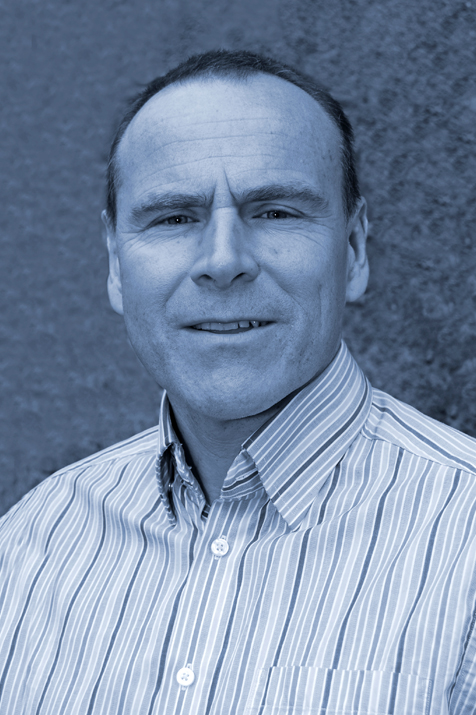
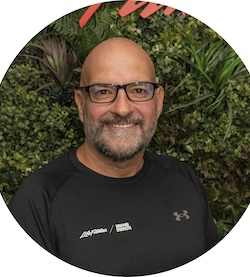
Mike Hill, Director, Leisure-net Solutions
Mike Hill

Fresh from the ukactive National Summit and enthused by keynote speeches about the role that physical activity can and needs to play in the nation’s wellbeing, I headed to a town west of London to do a focus group for a client, who wanted to understand the barriers to getting people more active in their community.

We’d recruited 13 people, of varying ages and gender, who had two things in common: they were totally inactive, and they had other challenges, many income- or disability-related, facing them.

The next hour put into context the challenges we still face as an industry in encouraging the percentage of the population who are totally sedentary to even consider the smallest steps to get out of their chairs.

Of the 13 people I engaged with, only two were interested in doing any more physical activity, and several were not even convinced of the benefits of being active. The barriers they spoke of were multi-faceted and complex; a combination of lack of time, child care issues, disability and zero motivation. One 48-year-old woman asked: “What’s the point of going for a walk if I haven’t got anywhere to go?”

"Of the 13 people I engaged with, only two were interested in doing any more physical activity, and several were not even convinced of the benefits of being more active"

Many of them cited the cost of going to a leisure centre or joining a gym, but few knew what the costs actually were, or what help the council offered to “people like them” to get them going. Almost all of the group did not feel they would be at home in a gym, let alone in a swimming pool – several quoted bad experiences of poor changing rooms, grubby poolsides and “staring lifeguards”.

The only spark of encouragement came towards the end of the session, when the participants started talking about how certain activities could bring together communities and help battle loneliness. They felt that neighbours just didn’t know each other anymore and perhaps, for them, focusing on the social side of an activity would be the starting point and might lead to them being more physically active.

After 35 years in this great industry, and truly believing that getting people more active and living healthier lives is one of the most important goals of our society, this evening reminded me how little we have reached into some people’s lives and how far we still have to go. It couldn’t have been more grounding after the heady heights of the Summit.

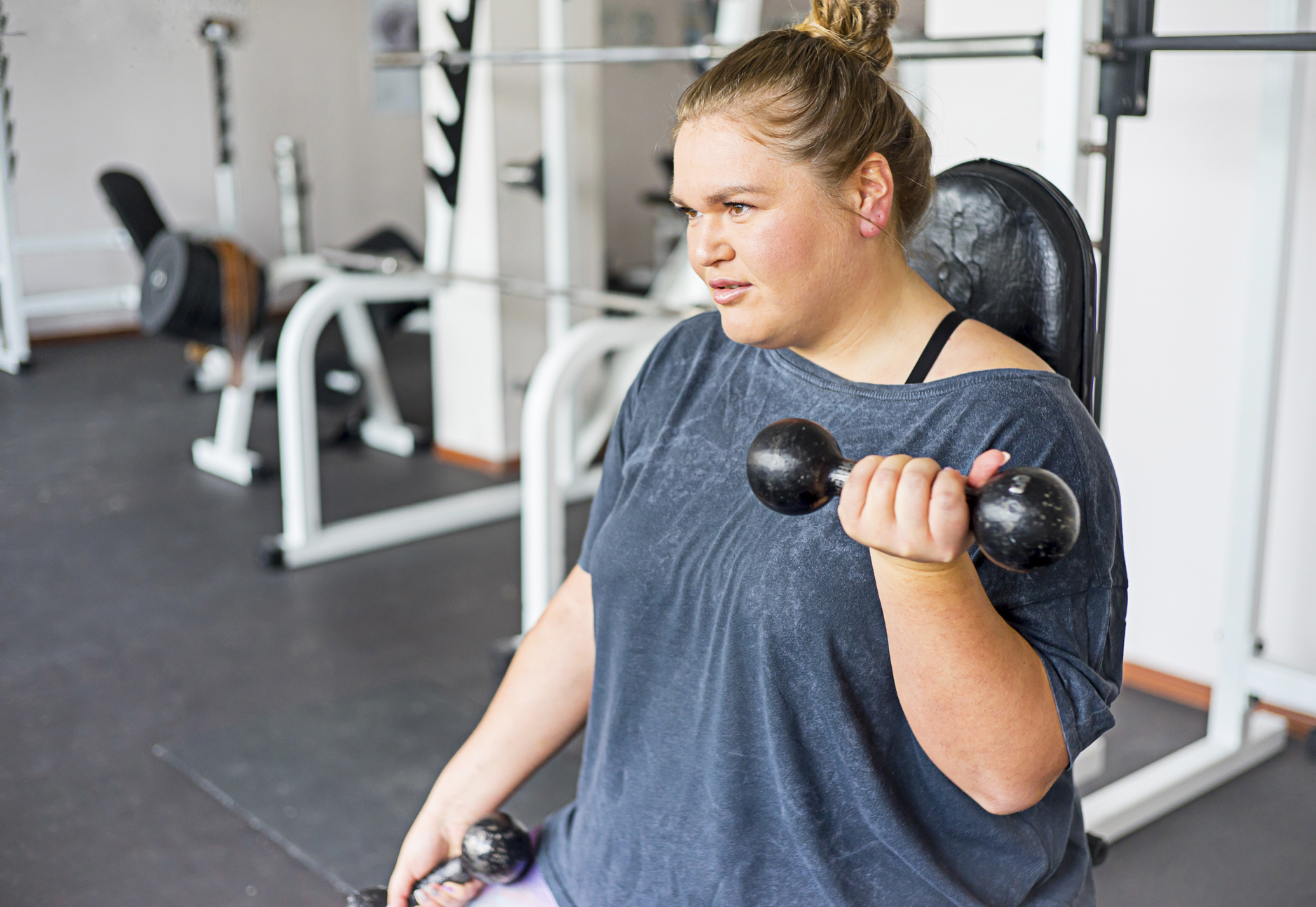
Many sedentary people have no interest in becoming more physically active, says Hill
Removing barriers to exercise for over 60s
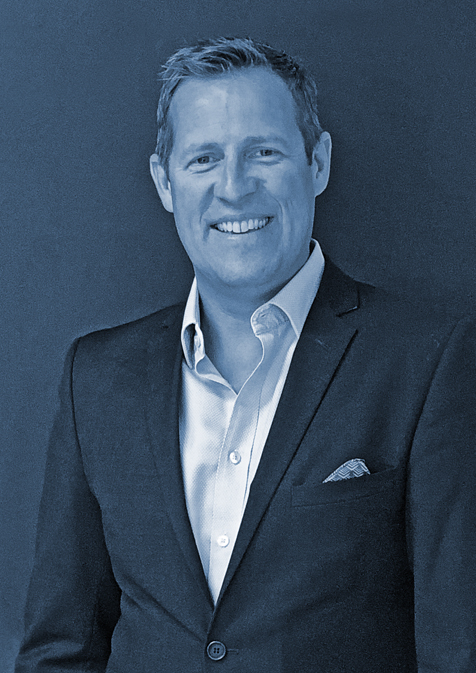
Phil Horton, Country Director, miha bodytec UK
Mike Hill

The recent article about older people’s ability to build muscle was an encouraging read. The study by the University of Birmingham showed that older people who have never taken part in sustained exercise programmes have the same ability to build muscle as highly trained master athletes of a similar age – further proof that it really is never too late to get into fitness.

The challenge is getting older people into the gym. The desire is there, but the barriers sometimes prove too much. Despite the well-established advantages of physical activity, people over 60 often neglect their fitness. And for those that do maintain a regular exercise routine, they often forget about any form of strength training. Even in situations where over-60s are exercising, they often prioritise cardiovascular training.

Some older adults are reluctant to participate in traditional forms of fitness due to physical limitations, the intimidating atmosphere created by younger, fitter people, noise levels and the lack of affordable supervision.

Electro-Muscle-Stimulation (EMS) Training has the potential to remove these barriers, providing an efficient alternative training method to increase or maintain muscle mass and function.

Requiring just 20 minutes to do, the low-impact EMS workout is accessible, effective and scientifically proven to reduce sarcopenia.

Studies show regular EMS sessions with both males and females aged 60 and over, who are considered untrained but otherwise healthy, experienced improved joint functionality and movement, such as knee extension and flexion and motor function.

"While the notion of EMS may be unusual to some, the ease with which a session can be delivered could be just the motivation older people need"

Whole-body EMS also demonstrated positive changes in muscle mass, power and abdominal fat accumulation in untrained females over 60 to the same extent as conventional resistance training.

While the notion of EMS may be unusual to some people, the ease with which a session can be delivered could be just the motivation older people need. There’s no special equipment required, sessions are short, low-impact, and comprised of bodyweight movements most people can do.

EMS trainers are also mobile, so they can travel to clients for bespoke, one-on-one sessions in the comfort of their own home. Sessions are delivered by a qualified trainer, so their full attention is always on the client. The same cannot be said for someone new to exercise who’s hidden at the back of a studio, or trying to blend in on the gym floor.

EMS helps build strength and strength training is preventative medicine for your body. It has the potential to decrease the risk of injury, increase bone density and prevent back pain and loss of muscle mass, all of which is important as we age.

For these reasons, EMS can be a useful alternative to traditional exercise methods for an older population. It may be just the start they need for more regular activity, or simply the thing that allows them to play with their grandchildren without pain or worry.
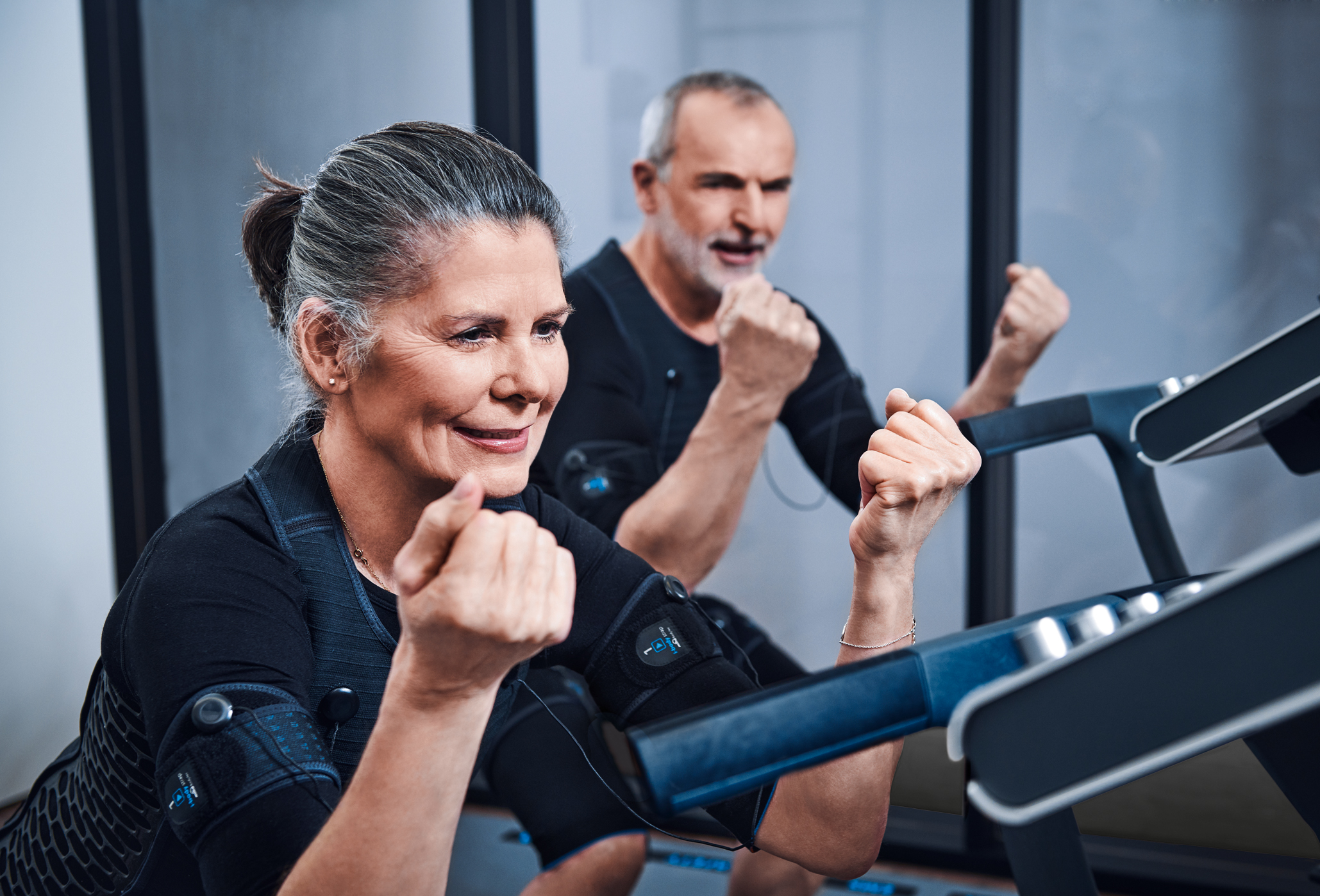
With its short, low impact and one-to-one sessions, EMS is suitable for older people, says Horton

FEATURED SUPPLIERS

Introducing a new era of Nautilus Leverage
Strength training has never been more important for member retention, facility differentiation and long-term commercial success. [more...]

Legends never die: four legends, four philosophies of life
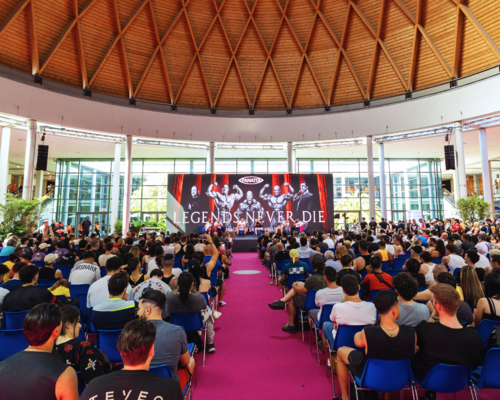
Panatta brought together four of the most influential figures in bodybuilding history on the stage of RiminiWellness 2026: Phil Heath, Lee Haney, Ronnie Coleman and Hany Rambod. [more...]
+ More featured suppliers  
COMPANY PROFILES
Life Fitness/Hammer Strength

Life Fitness / Hammer Strength works with some of the world’s most recognised hospitality brands, su [more...]
Perfect Gym Solutions S.A.

Perfect Gym, part of the Sport Alliance group, is a global software provider specialising in fitness [more...]
+ More profiles  
CATALOGUE GALLERY
 
+ More catalogues  

DIRECTORY
+ More directory  
DIARY


23-26 Aug 2026

Elevate Spa Riviera Maya Edition

The Riviera Maya Edition Kanai, Playa del Carmen, Mexico
10-12 Sep 2026

ASEAN Patio Pool Spa Expo 2026

MITEC Kuala Lumpur,Malaysia, Malaysia
+ More diary  
 
ABOUT LEISURE MEDIA
LEISURE MEDIA MAGAZINES
LEISURE MEDIA HANDBOOKS
LEISURE MEDIA WEBSITES
LEISURE MEDIA PRODUCT SEARCH
 
HCM
LEISURE OPPORTUNITIES
HEALTH CLUB HANDBOOK
PRINT SUBSCRIPTIONS
FREE DIGITAL SUBSCRIPTIONS
ADVERTISE . CONTACT US

Leisure Media
Tel: +44 (0)1462 431385

©Cybertrek 2026
Get HCM digital magazine and ezines FREE
Sign up here ▸
Jobs    News   Products   Magazine
Letters
Write to reply

Fuel the debate about issues and opportunities across the industry. We’d love to hear from you – email: [email protected]


A sober reminder of how far this industry has to go
Mike Hill, Director, Leisure-net Solutions
Mike Hill

Fresh from the ukactive National Summit and enthused by keynote speeches about the role that physical activity can and needs to play in the nation’s wellbeing, I headed to a town west of London to do a focus group for a client, who wanted to understand the barriers to getting people more active in their community.

We’d recruited 13 people, of varying ages and gender, who had two things in common: they were totally inactive, and they had other challenges, many income- or disability-related, facing them.

The next hour put into context the challenges we still face as an industry in encouraging the percentage of the population who are totally sedentary to even consider the smallest steps to get out of their chairs.

Of the 13 people I engaged with, only two were interested in doing any more physical activity, and several were not even convinced of the benefits of being active. The barriers they spoke of were multi-faceted and complex; a combination of lack of time, child care issues, disability and zero motivation. One 48-year-old woman asked: “What’s the point of going for a walk if I haven’t got anywhere to go?”

"Of the 13 people I engaged with, only two were interested in doing any more physical activity, and several were not even convinced of the benefits of being more active"

Many of them cited the cost of going to a leisure centre or joining a gym, but few knew what the costs actually were, or what help the council offered to “people like them” to get them going. Almost all of the group did not feel they would be at home in a gym, let alone in a swimming pool – several quoted bad experiences of poor changing rooms, grubby poolsides and “staring lifeguards”.

The only spark of encouragement came towards the end of the session, when the participants started talking about how certain activities could bring together communities and help battle loneliness. They felt that neighbours just didn’t know each other anymore and perhaps, for them, focusing on the social side of an activity would be the starting point and might lead to them being more physically active.

After 35 years in this great industry, and truly believing that getting people more active and living healthier lives is one of the most important goals of our society, this evening reminded me how little we have reached into some people’s lives and how far we still have to go. It couldn’t have been more grounding after the heady heights of the Summit.

Many sedentary people have no interest in becoming more physically active, says Hill
Removing barriers to exercise for over 60s
Phil Horton, Country Director, miha bodytec UK
Mike Hill

The recent article about older people’s ability to build muscle was an encouraging read. The study by the University of Birmingham showed that older people who have never taken part in sustained exercise programmes have the same ability to build muscle as highly trained master athletes of a similar age – further proof that it really is never too late to get into fitness.

The challenge is getting older people into the gym. The desire is there, but the barriers sometimes prove too much. Despite the well-established advantages of physical activity, people over 60 often neglect their fitness. And for those that do maintain a regular exercise routine, they often forget about any form of strength training. Even in situations where over-60s are exercising, they often prioritise cardiovascular training.

Some older adults are reluctant to participate in traditional forms of fitness due to physical limitations, the intimidating atmosphere created by younger, fitter people, noise levels and the lack of affordable supervision.

Electro-Muscle-Stimulation (EMS) Training has the potential to remove these barriers, providing an efficient alternative training method to increase or maintain muscle mass and function.

Requiring just 20 minutes to do, the low-impact EMS workout is accessible, effective and scientifically proven to reduce sarcopenia.

Studies show regular EMS sessions with both males and females aged 60 and over, who are considered untrained but otherwise healthy, experienced improved joint functionality and movement, such as knee extension and flexion and motor function.

"While the notion of EMS may be unusual to some, the ease with which a session can be delivered could be just the motivation older people need"

Whole-body EMS also demonstrated positive changes in muscle mass, power and abdominal fat accumulation in untrained females over 60 to the same extent as conventional resistance training.

While the notion of EMS may be unusual to some people, the ease with which a session can be delivered could be just the motivation older people need. There’s no special equipment required, sessions are short, low-impact, and comprised of bodyweight movements most people can do.

EMS trainers are also mobile, so they can travel to clients for bespoke, one-on-one sessions in the comfort of their own home. Sessions are delivered by a qualified trainer, so their full attention is always on the client. The same cannot be said for someone new to exercise who’s hidden at the back of a studio, or trying to blend in on the gym floor.

EMS helps build strength and strength training is preventative medicine for your body. It has the potential to decrease the risk of injury, increase bone density and prevent back pain and loss of muscle mass, all of which is important as we age.

For these reasons, EMS can be a useful alternative to traditional exercise methods for an older population. It may be just the start they need for more regular activity, or simply the thing that allows them to play with their grandchildren without pain or worry.

With its short, low impact and one-to-one sessions, EMS is suitable for older people, says Horton
LATEST NEWS
HCM Invest opens applications for pitching slots
The inaugural HCM Invest event has opened applications for pitching slots ahead of its launch in London on 21 October 2026.
Researchers find that 90-120 minutes of strength training a week has longevity benefits
According to research which tracked more than 147,000 people for 30 years, 90-120 minutes of strength training a week may deliver some of the biggest long-term health rewards.
Everlast pushes internationally with Dublin site
Everlast Gyms expands its footprint outside of the UK this month with the imminent launch of a club in Dublin.
UK updates physical activity guidelines with focus on daily movement
The UK's four Chief Medical Officers have published a refreshed edition of Physical activity guidelines: UK Chief Medical Officers' report, updating the evidence that underpins the nation's physical activity recommendations and placing greater emphasis on strength, balance, reducing sedentary behaviour and, for the first time, supporting people taking weight loss medications.
Places Leisure is working with Roberts Limbrick to build £60m wellness flagship in Basingstoke
Places Leisure has exchanged contracts to build and operate a flagship £60m water and leisure destination on behalf of Basingstoke and Deane Borough Council.
PureGym announces expansion into Ireland
The Republic of Ireland will become the latest market in PureGym’s expanding international portfolio, with the first launch planned for Dublin in 2027.
Total Fitness CEO Sophie Lawler launches leadership coaching venture
Sophie Lawler, CEO of Total Fitness, has launched a leadership coaching business aimed at helping women realise their professional potential.
Anytime Fitness reaches milestone moment and targets Europe for growth
Anytime Fitness opened more than one club a day in 2025 and is on track to maintain this rate of growth this year, as parent company Purpose Brands targets further international expansion.
Everyone Active opens £33.9 million next-generation leisure and wellbeing hub
The £33.9 million Leighton Leisure and Community Centre has opened in Leighton Buzzard, UK, creating a next-generation public leisure, health and wellbeing hub for the local community.
YogaSix responds to Pilates boom with launch of strength-focused Y6 Core class
YogaSix, the yoga brand of Xponential Fitness, has launched a heated, Pilates-inspired class called Y6 Core.
Bromley’s £17m Walnuts revamp adds EGYM, rehab and recovery
Walnuts Leisure Centre in Orpington, in the London Borough of Bromley, has reopened following a £17m transformation designed to secure the long-term future of the public leisure asset and reposition it as a community wellbeing hub.
The Gym Group breaks the million members mark for the first time
The Gym Group, has announced that it's sustained positive trading momentum has continued through the first half of 2026 and the company remains confident about the outlook.
+ More news   
 
FEATURED SUPPLIERS

Introducing a new era of Nautilus Leverage
Strength training has never been more important for member retention, facility differentiation and long-term commercial success. [more...]

Legends never die: four legends, four philosophies of life
Panatta brought together four of the most influential figures in bodybuilding history on the stage of RiminiWellness 2026: Phil Heath, Lee Haney, Ronnie Coleman and Hany Rambod. [more...]
+ More featured suppliers  
COMPANY PROFILES
Life Fitness/Hammer Strength

Life Fitness / Hammer Strength works with some of the world’s most recognised hospitality brands, su [more...]
+ More profiles  
CATALOGUE GALLERY
+ More catalogues  

DIRECTORY
+ More directory  
DIARY


23-26 Aug 2026

Elevate Spa Riviera Maya Edition

The Riviera Maya Edition Kanai, Playa del Carmen, Mexico
10-12 Sep 2026

ASEAN Patio Pool Spa Expo 2026

MITEC Kuala Lumpur,Malaysia, Malaysia
+ More diary  


ADVERTISE . CONTACT US

Leisure Media
Tel: +44 (0)1462 431385

©Cybertrek 2026

ABOUT LEISURE MEDIA
LEISURE MEDIA MAGAZINES
LEISURE MEDIA HANDBOOKS
LEISURE MEDIA WEBSITES
LEISURE MEDIA PRODUCT SEARCH
PRINT SUBSCRIPTIONS
FREE DIGITAL SUBSCRIPTIONS