Sweatcoin users experience 20 per cent increase in physical activity study finds
POSTED 25 Jan 2019 . BY Lauren Heath-Jones
The results of this study reach far beyond individual benefits; the improved movement of those individuals can collectively and measurably relieve pressure on our strained healthcare systems and improve the overall wellbeing of the nation – Anton Derlyatka, co-founder of Sweatcoin
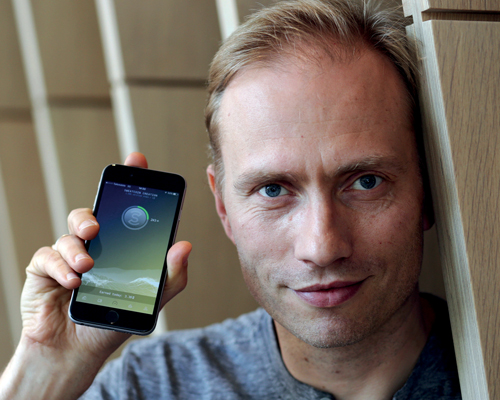
A study carried out by the University of Warwick has found that Sweatcoin, an app which incentivises users to exercise by offering cash rewards, can result in users increasing physical activity by up to 20 per cent.
Researchers from the university's Warwick Manufacturing Group (WMG) department monitored the daily step counts of 6,000 Sweatcoin users for six months after they downloaded the app. This data was then compared to users average physical activity three months prior to the study, with results showing that physical activity increased by an average of 19.5 per cent.
Furthermore, the study found that those typically lacking motivation to exercise, particularly participants with higher BMIs or sedentary lifestyles, were more likely to increase their step count. This suggests that instant reward programmes, such as Sweatcoin, could be key to tackling a number of societal health issues.
Dr Mark Elliott, assistant professor at the Institute of Digital Healthcare at WMG, University of Warwick, said: "By analysing the anonymised daily step count data from a sample of 6000 Sweatcoin users and combining this with data from the surveys and focus groups facilitated by our researchers, we were able to identify which types of user had the biggest impact in terms of increased physical activity from using the app - and these are the groups who traditionally struggle the most with self-motivation."
Oleg Fomenko, co-founder of Sweatcoin, says: "Incentivising people to walk more is key to providing levels of sustained physical activity. Yet traditional ideas such as providing educational seminars and
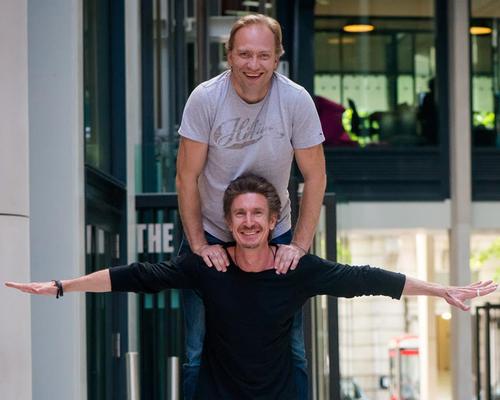
Sweatcoin co-founder Anton Derlyatka said: "This study suggests we have a tool to reduce the burden on health and community services, saving billions in taxpayer money."
"The results of this study reach far beyond individual benefits; the improved movement of those individuals can collectively and measurably relieve pressure on our strained healthcare systems and improve the overall wellbeing of the nation. We have ambitious plans for Sweatcoin, in collaboration with the private and public sector, to truly bring an end to our deadly sedentary lifestyles."
RELATED STORIES
Latest Leisure Opportunities news round-up is now live! POSTED 06 Feb 2019. BY Tom Walker David Beckham becomes final member of "Class of ’92" to take stake in Salford City, cash incentives
from fitness apps get people more active, Anytime Fitness begins roll-out of new interior design and
details have been released for a £36m redevelopment of the National Portrait Gallery in London.
Fitness app Sweatcoin receives US$5.7m backing POSTED 18 Jan 2018. BY Deven Pamben A fitness app that rewards people who are physically active has secured financial backing
of US$5.7m (£4.1m, €4.7m) to help boost its presence globally.
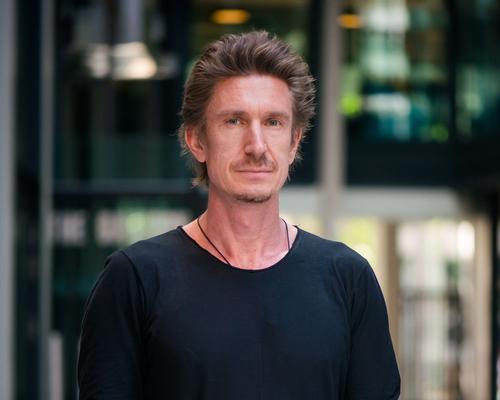
FEATURE: People profiles: Oleg Fomenko POSTED 28 Jul 2016. The co-founder of Sweatcoin wants to turn movement into money
In response to customer demand, Gymnation has unveiled a muscle thobe and ghutra range
for Saudi men that celebrates Saudi culture as well as the region’s growing interest in fitness.
Italian Exhibition Group – the organiser behind industry events Dubai Active and Dubai Muscle
Show – has been appointed to deliver the Health and Wellness Expo and Fire and Safety Expo at
the 16th World Firefighters Games.
Panatta brought together four of the most influential figures in bodybuilding history on the
stage of RiminiWellness 2026: Phil Heath, Lee Haney, Ronnie Coleman and Hany Rambod. [more...]
Sweatcoin users experience 20 per cent increase in physical activity study finds
POSTED 25 Jan 2019 . BY Lauren Heath-Jones
The results of this study reach far beyond individual benefits; the improved movement of those individuals can collectively and measurably relieve pressure on our strained healthcare systems and improve the overall wellbeing of the nation – Anton Derlyatka, co-founder of Sweatcoin
A study carried out by the University of Warwick has found that Sweatcoin, an app which incentivises users to exercise by offering cash rewards, can result in users increasing physical activity by up to 20 per cent.
Researchers from the university's Warwick Manufacturing Group (WMG) department monitored the daily step counts of 6,000 Sweatcoin users for six months after they downloaded the app. This data was then compared to users average physical activity three months prior to the study, with results showing that physical activity increased by an average of 19.5 per cent.
Furthermore, the study found that those typically lacking motivation to exercise, particularly participants with higher BMIs or sedentary lifestyles, were more likely to increase their step count. This suggests that instant reward programmes, such as Sweatcoin, could be key to tackling a number of societal health issues.
Dr Mark Elliott, assistant professor at the Institute of Digital Healthcare at WMG, University of Warwick, said: "By analysing the anonymised daily step count data from a sample of 6000 Sweatcoin users and combining this with data from the surveys and focus groups facilitated by our researchers, we were able to identify which types of user had the biggest impact in terms of increased physical activity from using the app - and these are the groups who traditionally struggle the most with self-motivation."
Oleg Fomenko, co-founder of Sweatcoin, says: "Incentivising people to walk more is key to providing levels of sustained physical activity. Yet traditional ideas such as providing educational seminars and
Sweatcoin co-founder Anton Derlyatka said: "This study suggests we have a tool to reduce the burden on health and community services, saving billions in taxpayer money."
"The results of this study reach far beyond individual benefits; the improved movement of those individuals can collectively and measurably relieve pressure on our strained healthcare systems and improve the overall wellbeing of the nation. We have ambitious plans for Sweatcoin, in collaboration with the private and public sector, to truly bring an end to our deadly sedentary lifestyles."
RELATED STORIES
Latest Leisure Opportunities news round-up is now live! POSTED 06 Feb 2019. BY Tom Walker David Beckham becomes final member of "Class of ’92" to take stake in Salford City, cash incentives
from fitness apps get people more active, Anytime Fitness begins roll-out of new interior design and
details have been released for a £36m redevelopment of the National Portrait Gallery in London.
Fitness app Sweatcoin receives US$5.7m backing POSTED 18 Jan 2018. BY Deven Pamben A fitness app that rewards people who are physically active has secured financial backing
of US$5.7m (£4.1m, €4.7m) to help boost its presence globally.
FEATURE: People profiles: Oleg Fomenko POSTED 28 Jul 2016. The co-founder of Sweatcoin wants to turn movement into money
In response to customer demand, Gymnation has unveiled a muscle thobe and ghutra range
for Saudi men that celebrates Saudi culture as well as the region’s growing interest in fitness.
Italian Exhibition Group – the organiser behind industry events Dubai Active and Dubai Muscle
Show – has been appointed to deliver the Health and Wellness Expo and Fire and Safety Expo at
the 16th World Firefighters Games.
It’s been five years since the fitness industry reopened after the last lockdown – long enough
to look back on the impact the pandemic had on the sector and what might come next.
Wattbike has announced a new integration with EGYM, which enables the bikes to contribute to
the Cardio BioAge score of individuals via a VO2 max result.
Panatta brought together four of the most influential figures in bodybuilding history on the
stage of RiminiWellness 2026: Phil Heath, Lee Haney, Ronnie Coleman and Hany Rambod. [more...]