Larissa Davies and Themis Kokolakakis take a look at the winning relationship of sports participation and mental wellbeing with individual and community development
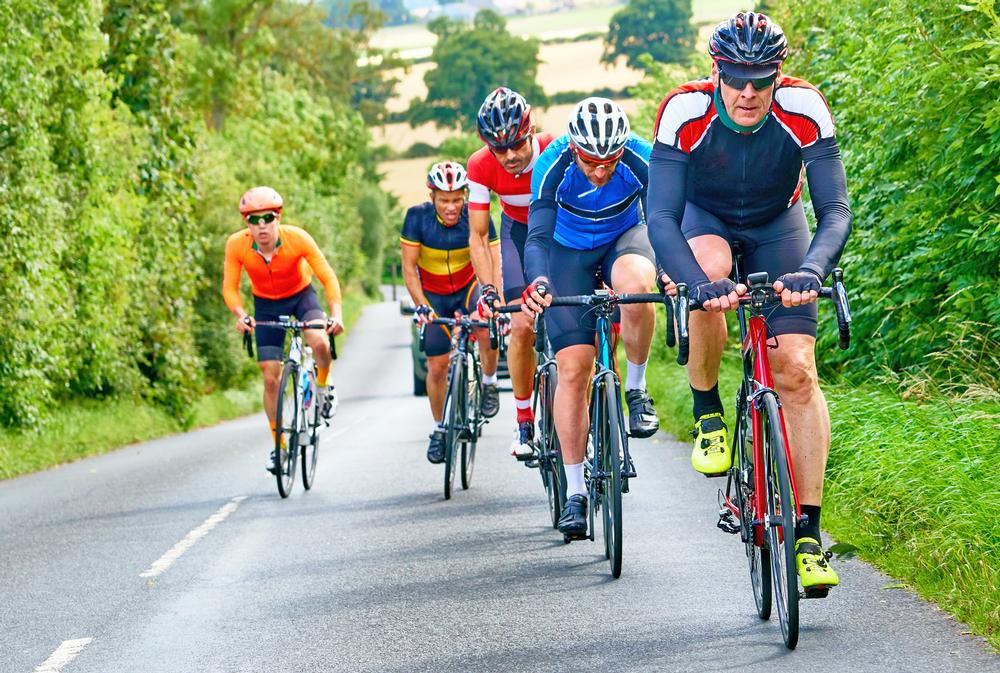
Cycling for leisure increases the likelihood of achieving a high level
of social trust by 25 per cent / shutterstock/Duncan Andison
The relationship between sports participation and wellbeing outcomes has become one of the most widely researched areas in sport research over the last decade.
The Sport Industry Research Centre (SIRC) has investigated, for the first time, the relationship between engagement in sport and physical activity and the strategy outcomes of three key areas: mental wellbeing, individual development, and social and community development. Based on Sport England’s Active Lives Adult Survey (2018), the analysis is set out in the government’s Sporting Future strategy.
Although we know that sport and physical activity can have a positive impact beyond the physical health benefits derived from increased participation, it’s challenging to measure and quantify the wider impact on society. Much current evidence relating to outcomes is qualitative or case-study based. In the Active Lives Adult Survey, the outcomes are classified as:
• mental wellbeing: life satisfaction, feeling worthwhile, happiness and anxiety
• individual development: self-efficacy
• social and community development: social trust
It’s all positive According to the Active Lives Adult Survey, participating in sport and physical activity has a positive impact on mental wellbeing, individual development, and social and community development – and the more intense the activity, the stronger the effect. The survey shows that participants in any sport or physical activity are 57 per cent more likely to experience higher levels of perceived self-efficacy.
Volunteering in sport also has a positive effect on mental wellbeing, individual development, and social and community development – and its effect is more pronounced in the latter. The survey shows that people who volunteer are also 29 per cent more likely to report social trust than those who do not volunteer.
People who both participated in sport or physical activity and volunteered achieved even better outcomes than those who either took part in sport/physical activity or volunteered (without combining).
Sports club membership on its own has a statistically significant effect on mental wellbeing. The research found that sport club members are 35 per cent more likely to achieve very high life satisfaction than those who are not members of a club.
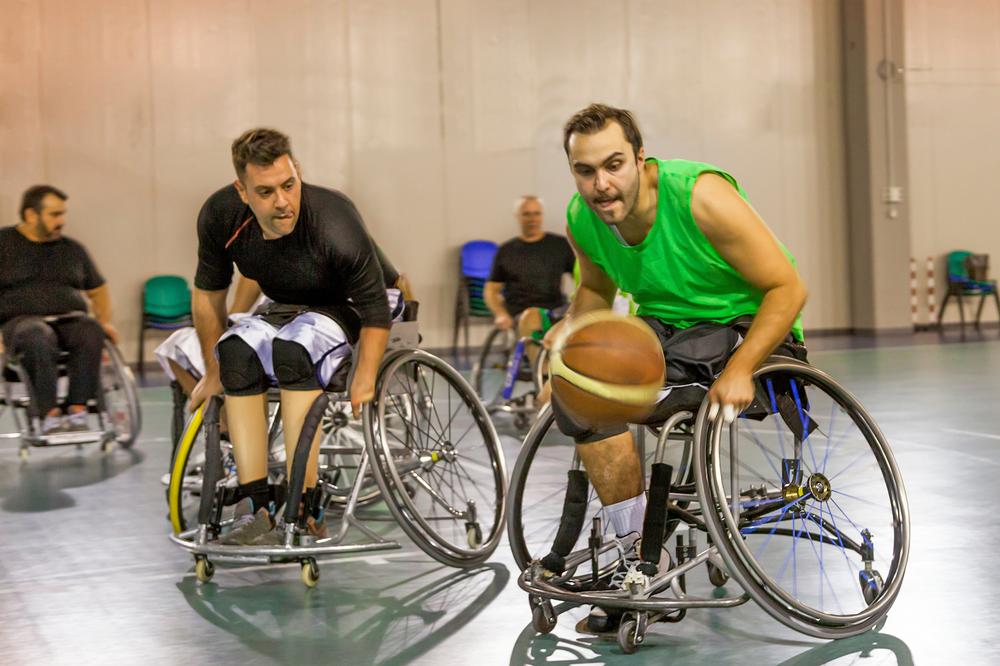
Get more active As activity levels increase from inactive to fairly active and then active, all four outcomes of mental wellbeing (life satisfaction, happiness, worthwhileness and anxiety) achieve progressively better results. The same pattern can be shown to be true in the case of the other three outcomes: anxiety, self-efficacy and social trust. In addition, these relationships were found to be stronger in the case of people with disabilities, illustrating the role that sport and physical activity can play in achieving better wellbeing outcomes for the population as a whole.
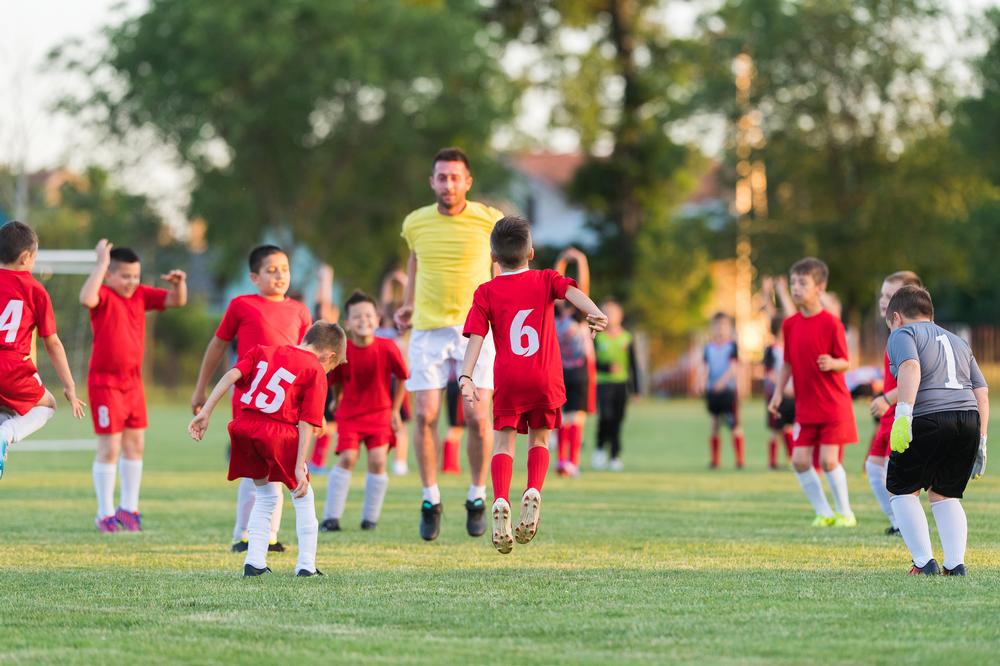
Volunteer your time Of those surveyed, people who volunteered reported higher levels of self-efficacy and social trust compared with those who did not. Volunteers are more likely to feel good about their community and, compared with those who have never volunteered in sport, are more likely to report that they trust others in their community. This makes volunteering a particularly effective tool in community development and social integration. Similar associations can be found between volunteering and all four mental wellbeing outcomes (life satisfaction, happiness, worthwhileness and anxiety).
Winning combination Furthermore, the Active Lives research shows that all these positive outcomes are stronger when people volunteer (at least twice a year) and participate in sport and physical activity (at least 150 minutes per week). In terms of policy, it makes sense to motivate those who already participate in sport and physical activity to volunteer twice a year, thereby achieving even higher wellbeing outcomes.
Key drivers Life satisfaction Sport-related drivers of life satisfaction that emerged from the results of Active Lives showed that people who are moderately active (30-149 minutes per week) are 13 per cent more likely to achieve ‘very high’ life satisfaction. This probability increases to 32 per cent in the case of walking for leisure and to 35 per cent (maximum) on joining a sports club. The combination of sports activity and social interaction that can be easily achieved within a sports club environment is particularly useful in this regard.
Self-efficacy Allowing for demographic differences, doing sport or other physical activity twice a month improves the likelihood of achieving a higher level of self-efficacy by 10 per cent (compared with those who do less than 30 minutes a week).
This likelihood increases by 32 per cent among fairy active participants, 39 per cent among volunteers, and by a maximum of 57 per cent in the case of active people (those who undertake at least 150 minutes of exercise per week).
Social trust Being active for at least 150 minutes a week, although very effective in terms of self-efficacy, links to only an 11 per cent increase in the likelihood of achieving a high level of social trust; its highest values are found in cases of volunteering (29 per cent), cycling for leisure (25 per cent) and sporting activities (25 per cent).
Conclusion While modest, the contribution of this research should not be understated. The survey adds credible cross-sectional data analysis and provides a baseline against which to measure progress in relation to the government’s strategy outcomes.
In the context of mental wellbeing, traditional tools like sports club membership and sports volunteering are particularly relevant driving outcomes in life satisfaction and social trust correspondingly. Being active is particularly important for achieving high levels of self-efficacy and also improves the results across the whole set of wellbeing outcomes.
About the authors
Larissa Davies is a Reader (Associate Professor) in Sport Management and Themis Kokolakakis is a Reader (Associate Professor) in Sport Economics at Sheffield Hallam University.
Volunteers in sport are more likely to feel good about their community / shutterstock/Fotokostic
As activity levels increase from inactive to active, all outcomes of mental wellbeing satisfaction achieve better results / shutterstock/ marino bocelli
Physical activity twice a month boosts self-efficacy by 10 per cent / shutterstock/4 PM production
CoverMe, the global leader in fitness workforce management, today launches CoverMe PT, an
on-demand personal training platform that connects the right personal trainer to the right
client in under 10 seconds. [more...]
Celebrating its milestone 5th anniversary, W3Fit EMEA returns in 2026 with an unmissable
gathering of the Health & Fitness industry’s most influential leaders. [more...]
+ More featured suppliers
COMPANY PROFILES
Safe Space Lockers
We provide a full turn-key solution for clients from design and consultation, through to bespoke man [more...]
PSLT Ltd
PSLT Fitness Solutions manufacture, remanufacture and buy back commercial gym equipment. [more...]
Larissa Davies and Themis Kokolakakis take a look at the winning relationship of sports participation and mental wellbeing with individual and community development
Cycling for leisure increases the likelihood of achieving a high level
of social trust by 25 per cent / shutterstock/Duncan Andison
The relationship between sports participation and wellbeing outcomes has become one of the most widely researched areas in sport research over the last decade.
The Sport Industry Research Centre (SIRC) has investigated, for the first time, the relationship between engagement in sport and physical activity and the strategy outcomes of three key areas: mental wellbeing, individual development, and social and community development. Based on Sport England’s Active Lives Adult Survey (2018), the analysis is set out in the government’s Sporting Future strategy.
Although we know that sport and physical activity can have a positive impact beyond the physical health benefits derived from increased participation, it’s challenging to measure and quantify the wider impact on society. Much current evidence relating to outcomes is qualitative or case-study based. In the Active Lives Adult Survey, the outcomes are classified as:
• mental wellbeing: life satisfaction, feeling worthwhile, happiness and anxiety
• individual development: self-efficacy
• social and community development: social trust
It’s all positive According to the Active Lives Adult Survey, participating in sport and physical activity has a positive impact on mental wellbeing, individual development, and social and community development – and the more intense the activity, the stronger the effect. The survey shows that participants in any sport or physical activity are 57 per cent more likely to experience higher levels of perceived self-efficacy.
Volunteering in sport also has a positive effect on mental wellbeing, individual development, and social and community development – and its effect is more pronounced in the latter. The survey shows that people who volunteer are also 29 per cent more likely to report social trust than those who do not volunteer.
People who both participated in sport or physical activity and volunteered achieved even better outcomes than those who either took part in sport/physical activity or volunteered (without combining).
Sports club membership on its own has a statistically significant effect on mental wellbeing. The research found that sport club members are 35 per cent more likely to achieve very high life satisfaction than those who are not members of a club.
Get more active As activity levels increase from inactive to fairly active and then active, all four outcomes of mental wellbeing (life satisfaction, happiness, worthwhileness and anxiety) achieve progressively better results. The same pattern can be shown to be true in the case of the other three outcomes: anxiety, self-efficacy and social trust. In addition, these relationships were found to be stronger in the case of people with disabilities, illustrating the role that sport and physical activity can play in achieving better wellbeing outcomes for the population as a whole.
Volunteer your time Of those surveyed, people who volunteered reported higher levels of self-efficacy and social trust compared with those who did not. Volunteers are more likely to feel good about their community and, compared with those who have never volunteered in sport, are more likely to report that they trust others in their community. This makes volunteering a particularly effective tool in community development and social integration. Similar associations can be found between volunteering and all four mental wellbeing outcomes (life satisfaction, happiness, worthwhileness and anxiety).
Winning combination Furthermore, the Active Lives research shows that all these positive outcomes are stronger when people volunteer (at least twice a year) and participate in sport and physical activity (at least 150 minutes per week). In terms of policy, it makes sense to motivate those who already participate in sport and physical activity to volunteer twice a year, thereby achieving even higher wellbeing outcomes.
Key drivers Life satisfaction Sport-related drivers of life satisfaction that emerged from the results of Active Lives showed that people who are moderately active (30-149 minutes per week) are 13 per cent more likely to achieve ‘very high’ life satisfaction. This probability increases to 32 per cent in the case of walking for leisure and to 35 per cent (maximum) on joining a sports club. The combination of sports activity and social interaction that can be easily achieved within a sports club environment is particularly useful in this regard.
Self-efficacy Allowing for demographic differences, doing sport or other physical activity twice a month improves the likelihood of achieving a higher level of self-efficacy by 10 per cent (compared with those who do less than 30 minutes a week).
This likelihood increases by 32 per cent among fairy active participants, 39 per cent among volunteers, and by a maximum of 57 per cent in the case of active people (those who undertake at least 150 minutes of exercise per week).
Social trust Being active for at least 150 minutes a week, although very effective in terms of self-efficacy, links to only an 11 per cent increase in the likelihood of achieving a high level of social trust; its highest values are found in cases of volunteering (29 per cent), cycling for leisure (25 per cent) and sporting activities (25 per cent).
Conclusion While modest, the contribution of this research should not be understated. The survey adds credible cross-sectional data analysis and provides a baseline against which to measure progress in relation to the government’s strategy outcomes.
In the context of mental wellbeing, traditional tools like sports club membership and sports volunteering are particularly relevant driving outcomes in life satisfaction and social trust correspondingly. Being active is particularly important for achieving high levels of self-efficacy and also improves the results across the whole set of wellbeing outcomes.
About the authors
Larissa Davies is a Reader (Associate Professor) in Sport Management and Themis Kokolakakis is a Reader (Associate Professor) in Sport Economics at Sheffield Hallam University.
Volunteers in sport are more likely to feel good about their community / shutterstock/Fotokostic
As activity levels increase from inactive to active, all outcomes of mental wellbeing satisfaction achieve better results / shutterstock/ marino bocelli
Physical activity twice a month boosts self-efficacy by 10 per cent / shutterstock/4 PM production
Global luxury hospitality brand, Six Senses, has partnered with longevity healthcare provider,
HUM2N, to launch a clinic at Six Senses London, at The Whiteley.
Premium London health club, KX Chelsea, will imminently unveil its most significant
redevelopment since its launch in 2002 to create an integrated wellness model combining
training, recovery and relaxation.
Researchers in the US have identified an antibody which could greatly reduce the loss of lean
muscle mass in people who are taking weight-loss medications.
Crunch Fitness has announced the launch of Crunch Reform Pilates – its own reformer concept
designed to bring this fast growing, but rather expensive, modality into the mainstream.
The 20th State of the Industry Report reveals a resilient, expanding and competitive
sector, the
importance of differentiation and the ongoing challenge of tackling inequalities.
Nuffield Health has told HCM that it takes its responsibilities towards its colleagues seriously
and is committed to meeting all legal obligations after news of a tribunal has made national
headlines.
Technogym has announced the launch of the Run X World Treadmill Championship, the first
world championship for running on connected treadmills over five kilometres.
CoverMe, the global leader in fitness workforce management, today launches CoverMe PT, an
on-demand personal training platform that connects the right personal trainer to the right
client in under 10 seconds. [more...]
Celebrating its milestone 5th anniversary, W3Fit EMEA returns in 2026 with an unmissable
gathering of the Health & Fitness industry’s most influential leaders. [more...]
+ More featured suppliers
COMPANY PROFILES
Safe Space Lockers We provide a full turn-key solution for clients from design and consultation, through to bespoke man [more...]