Sporta, the membership association representing charitable leisure trusts in the UK, has rebranded as Community Leisure UK. CEO Cate Atwater spoke to Tom Walker about the reasons behind the new name and identity
By Tom Walker | Published in Sports Management 2019 issue 1
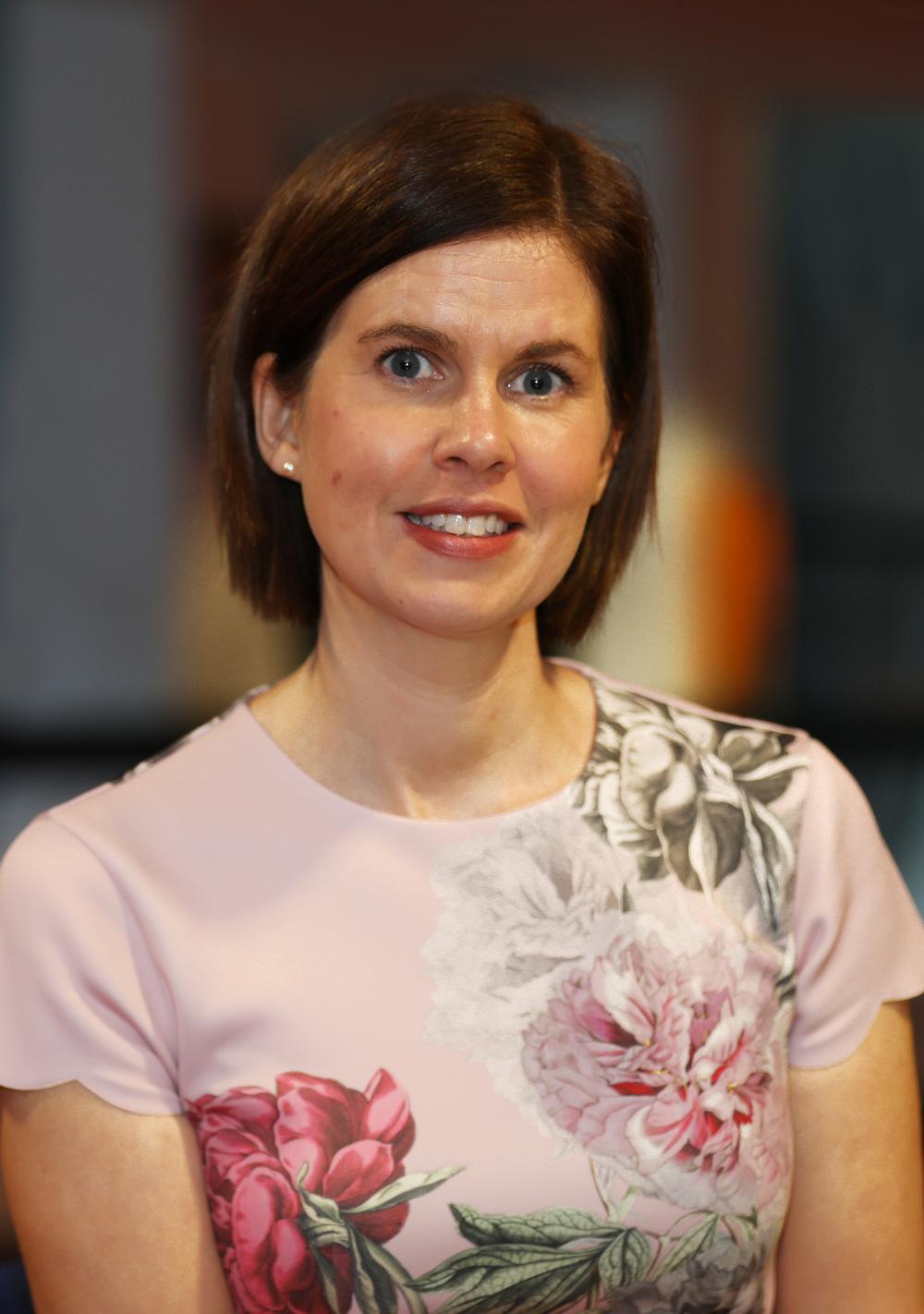
Atwater says the name ‘Sporta’ misrepresented the organisation’s scope
What were the motivations for rebranding Sporta as Community Leisure UK? The main motivations were to reduce confusion, as people often mistake us for a mainly sport focused body, and to better reflect our members. The rebrand will act as a building block for our change of position and approach as an organisation.
Sporta has been on a journey of change throughout 2018. The focus of the change has been to really crystallise our position and our services to members. Within this we have adjusted our purpose and how we engage with organisations, form strategic partnerships and ultimately deliver greater impact for our members.
What were the driving forces for the rebrand? As a members’ association we are always driven by member need. Our executive (made up of members) and membership had been discussing a need to change the name for about two years. However, for me, the name had to change sooner rather than later, so we drove energy and resources into the change.
The change had to be evidence-based, so we invested into external, independent research and marketing support. Working with Phil Anderton of Fireworks Consultancy and Netfluential, they carried out in-depth research through members’ customers and non-customers, and our stakeholders.
The research provided unequivocal conclusions and recommendations, which formed the proposal back to the executive and membership of Community Leisure UK.
You said one reason for the name change was a need to tackle “false perceptions” of being a solely sport-focused body? Yes, we wanted the identity to better reflect our members. More than 30 per cent of our members manage cultural services and facilities. Our members work in public leisure, focus on communities and – as independent charities or social enterprises – every penny of surplus is reinvested into the communities.
Therefore, to ensure that we deliver the greatest impact for members, as an organisation we needed to be able to develop strategic alliances with a number of key stakeholders. As Sporta’s first five letters spelt sport, it often meant we were ring-fenced as sport-focused and not as key deliverers of public services across leisure and culture.
What would you identify as the biggest advantages of the new name? Clarity of what we care about and stand for. It is representative of our membership, which is vitally important. And initial responses from key stakeholders have been positive about the change, noting that it makes clear our purpose.
Could you give a bit of insight into what the future has in store for Community Leisure UK? Our core purpose will remain to drive impact for members through enabling peer support within the membership and engagement with key stakeholders.
We have six key objectives that will lead our work throughout 2019, while we finalise a three-year strategy and financial plan for the organisation.
The big ticket items for us include engaging in the public health reform in Scotland – this is a significant opportunity for members to engage in the new public health landscape.
Then there’s developing and expanding our partnership with Charity Finance Group, which provides expert financial insight for members.
Leisure procurement practice and championing a commissioning approach remains critical too, until a level playing field is formed.
We are also focusing on driving energy and time into partners across the UK who care about public services. This includes a collective group of organisations which focus on public services. It’s an exciting group involving CLOA, APSE, LGA and the CSPN.
There will also be a continued focus on direct support to trusts on contracts, arrangements, articulating social impact, building resilience and identifying future models of working.
What about strategic objectives? Our focus is on driving greater impact for member leisure and culture trusts. I do believe that our core objectives and areas of work can support a wider group of non-profit-distributing organisations, and we are scoping potential engagement with such organisations, e.g. independent libraries or theatres.
Do you have a target for members you’d like to have? We do not have any growth targets – we don’t want to be member chasing, but rather, scope where we can genuinely offer bespoke support to organisations within our areas of knowledge and resources. I believe if we really develop those areas and marry that with communications and increased awareness, then potential members would decide to join us.
You recently expressed concerns on pressures put on the delivery of public leisure services. How bad is it out there? In my view, it is bad – it worries me greatly. However, I think there are two considerations.
The first is that public services right across the board are under significant strain to achieve the same or even more, with less financial investment. The challenges are significant, while the need for services is increasing right across the life course. Every public service is under pressure, and in leisure we’re in a race to the bottom driven by procurement practice.
The second consideration is that public services, including leisure trusts, are always solution-focused in my experience. How can we continue to deliver our best for communities? How can we navigate through this together?
For me, this is because trusts and in-house delivery models focus on the communities, neighbourhoods and people, and finding solutions is their natural ‘default’ position. But there is a point which, if practice doesn’t change, I don’t think is far off, where public leisure services will be reduced, cut or pressed too far to breaking point.
This is why we so strongly believe in supporting local authorities to make longer-term, insight driven and outcomes-based decisions. Focusing on partnership, collaboration and building trust and co-ownership, etc.
We believe that if we can all support local authorities to make those kinds of decisions that include cost effectiveness – then the required outcomes for communities will be achieved.
If you could introduce one policy that would make the biggest positive difference to the public leisure sector, what would that be? We need central leisure policy ‘ownership’ and long-term strategising for the services to develop and to support them in the future. Therefore my one government policy would be for public leisure services to be a statutory service.
This would not be the solution to everything, but with the current threats to public leisure services, the marketplace and its future existence, it would mean we have central government oversight, care and ownership, and would drive a need for collaboration.
What’s in a brand?
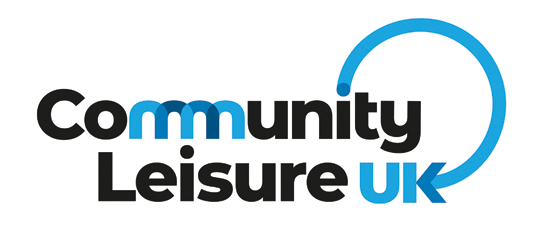
The new brand has been designed to help people to visualise what Community Leisure UK stands for. The two ‘M’s in changing shades of blue signify coming and joining together. The word ‘unity’ is then more apparent, and as a members’ association unity is important. The UK is highlighted to demonstrate that we are a truly UK-wide association, and finally the circular arrow depicts togetherness, inclusion and welcoming, etc. These were all terms from Netfluential’s research and conclusions.
Cate Atwater’s career journey
I’ve been fortunate in having a varied career. I first discovered the positive effect sport can have on people while volunteering with the RFU regional office in Hull. I then spent seven years at East Riding of Yorkshire Council – in various community development roles – and three years as a regional development manager for Age UK.
I first joined Sporta in 2013, tasked with setting up and managing a grant funding programme with Sport England called ‘Make Your Move’, which supported and developed the capabilities of the member trusts to recruit and retain inactive people. I was then named Sporta’s lead for programmes and operations.
Looking back, all of those different roles have been the perfect building blocks to my current role as CEO.
Where are we now?
Cate Atwater gives the public leisure sector a SWOT analysis
Strengths:
passionate people who care
solution-focused mindsets
ability to integrate services across leisure, culture and health
strength and voice of industry organisations – such as CLOA, Community Leisure UK, ukactive, LGA and APSE – which all care about the health and wellbeing of communities
Weaknesses:
costs of maintenance of the assets and facilities
recruiting and retaining staff – such as swimming teachers and lifeguards
limited resources to invest in capital expenditure
Opportunities:
strengthening of social value within contracts for leisure services and moving to outcomes-based commissioning
to build greater transparency of operator models within public leisure
amount of innovation in the sector – from architects to data programming and drowning detection
commissioning of leisure services for the health and wellbeing of people
strengthening of cross-strategy recognition of the impact of leisure within local authorities
Threats:
uncertainty caused by EU exit – including increasing pressures leading to increased short-term decision making
aging facility stock
a loss of strategic and policy-focused leisure expertise within local authorities
rising costs, including energy and utilities bills
decisions being made on outputs and cheapest price – rather than outcomes and community needs
some messaging to local authorities that all leisure contracts should make profits for the local authority
The high costs associated with maintaining facilities is a weakness of the sector, says Atwater
Community Leisure UK has members across the leisure industry
Community Leisure UK’s focus is on driving greater impact for its member leisure and culture trusts
People are at the heart of Community Leisure UK’s work
Atwater worries that public leisure services will be reduced, cut or pushed to breaking point
As healthcare continues to shift towards prevention, there’s a growing focus on helping
people stay active, independent and feeling good for longer. [more...]
One of the biggest mistakes the fitness industry still makes is advertising almost
exclusively to people who already look and live like gym members. [more...]
+ More featured suppliers
COMPANY PROFILES
Alliance Leisure
Alliance Leisure Services was specifically
established to respond to the changing
development need [more...]
Sporta, the membership association representing charitable leisure trusts in the UK, has rebranded as Community Leisure UK. CEO Cate Atwater spoke to Tom Walker about the reasons behind the new name and identity
By Tom Walker | Published in Sports Management 2019 issue 1
Atwater says the name ‘Sporta’ misrepresented the organisation’s scope
What were the motivations for rebranding Sporta as Community Leisure UK? The main motivations were to reduce confusion, as people often mistake us for a mainly sport focused body, and to better reflect our members. The rebrand will act as a building block for our change of position and approach as an organisation.
Sporta has been on a journey of change throughout 2018. The focus of the change has been to really crystallise our position and our services to members. Within this we have adjusted our purpose and how we engage with organisations, form strategic partnerships and ultimately deliver greater impact for our members.
What were the driving forces for the rebrand? As a members’ association we are always driven by member need. Our executive (made up of members) and membership had been discussing a need to change the name for about two years. However, for me, the name had to change sooner rather than later, so we drove energy and resources into the change.
The change had to be evidence-based, so we invested into external, independent research and marketing support. Working with Phil Anderton of Fireworks Consultancy and Netfluential, they carried out in-depth research through members’ customers and non-customers, and our stakeholders.
The research provided unequivocal conclusions and recommendations, which formed the proposal back to the executive and membership of Community Leisure UK.
You said one reason for the name change was a need to tackle “false perceptions” of being a solely sport-focused body? Yes, we wanted the identity to better reflect our members. More than 30 per cent of our members manage cultural services and facilities. Our members work in public leisure, focus on communities and – as independent charities or social enterprises – every penny of surplus is reinvested into the communities.
Therefore, to ensure that we deliver the greatest impact for members, as an organisation we needed to be able to develop strategic alliances with a number of key stakeholders. As Sporta’s first five letters spelt sport, it often meant we were ring-fenced as sport-focused and not as key deliverers of public services across leisure and culture.
What would you identify as the biggest advantages of the new name? Clarity of what we care about and stand for. It is representative of our membership, which is vitally important. And initial responses from key stakeholders have been positive about the change, noting that it makes clear our purpose.
Could you give a bit of insight into what the future has in store for Community Leisure UK? Our core purpose will remain to drive impact for members through enabling peer support within the membership and engagement with key stakeholders.
We have six key objectives that will lead our work throughout 2019, while we finalise a three-year strategy and financial plan for the organisation.
The big ticket items for us include engaging in the public health reform in Scotland – this is a significant opportunity for members to engage in the new public health landscape.
Then there’s developing and expanding our partnership with Charity Finance Group, which provides expert financial insight for members.
Leisure procurement practice and championing a commissioning approach remains critical too, until a level playing field is formed.
We are also focusing on driving energy and time into partners across the UK who care about public services. This includes a collective group of organisations which focus on public services. It’s an exciting group involving CLOA, APSE, LGA and the CSPN.
There will also be a continued focus on direct support to trusts on contracts, arrangements, articulating social impact, building resilience and identifying future models of working.
What about strategic objectives? Our focus is on driving greater impact for member leisure and culture trusts. I do believe that our core objectives and areas of work can support a wider group of non-profit-distributing organisations, and we are scoping potential engagement with such organisations, e.g. independent libraries or theatres.
Do you have a target for members you’d like to have? We do not have any growth targets – we don’t want to be member chasing, but rather, scope where we can genuinely offer bespoke support to organisations within our areas of knowledge and resources. I believe if we really develop those areas and marry that with communications and increased awareness, then potential members would decide to join us.
You recently expressed concerns on pressures put on the delivery of public leisure services. How bad is it out there? In my view, it is bad – it worries me greatly. However, I think there are two considerations.
The first is that public services right across the board are under significant strain to achieve the same or even more, with less financial investment. The challenges are significant, while the need for services is increasing right across the life course. Every public service is under pressure, and in leisure we’re in a race to the bottom driven by procurement practice.
The second consideration is that public services, including leisure trusts, are always solution-focused in my experience. How can we continue to deliver our best for communities? How can we navigate through this together?
For me, this is because trusts and in-house delivery models focus on the communities, neighbourhoods and people, and finding solutions is their natural ‘default’ position. But there is a point which, if practice doesn’t change, I don’t think is far off, where public leisure services will be reduced, cut or pressed too far to breaking point.
This is why we so strongly believe in supporting local authorities to make longer-term, insight driven and outcomes-based decisions. Focusing on partnership, collaboration and building trust and co-ownership, etc.
We believe that if we can all support local authorities to make those kinds of decisions that include cost effectiveness – then the required outcomes for communities will be achieved.
If you could introduce one policy that would make the biggest positive difference to the public leisure sector, what would that be? We need central leisure policy ‘ownership’ and long-term strategising for the services to develop and to support them in the future. Therefore my one government policy would be for public leisure services to be a statutory service.
This would not be the solution to everything, but with the current threats to public leisure services, the marketplace and its future existence, it would mean we have central government oversight, care and ownership, and would drive a need for collaboration.
What’s in a brand?
The new brand has been designed to help people to visualise what Community Leisure UK stands for. The two ‘M’s in changing shades of blue signify coming and joining together. The word ‘unity’ is then more apparent, and as a members’ association unity is important. The UK is highlighted to demonstrate that we are a truly UK-wide association, and finally the circular arrow depicts togetherness, inclusion and welcoming, etc. These were all terms from Netfluential’s research and conclusions.
Cate Atwater’s career journey
I’ve been fortunate in having a varied career. I first discovered the positive effect sport can have on people while volunteering with the RFU regional office in Hull. I then spent seven years at East Riding of Yorkshire Council – in various community development roles – and three years as a regional development manager for Age UK.
I first joined Sporta in 2013, tasked with setting up and managing a grant funding programme with Sport England called ‘Make Your Move’, which supported and developed the capabilities of the member trusts to recruit and retain inactive people. I was then named Sporta’s lead for programmes and operations.
Looking back, all of those different roles have been the perfect building blocks to my current role as CEO.
Where are we now?
Cate Atwater gives the public leisure sector a SWOT analysis
Strengths:
passionate people who care
solution-focused mindsets
ability to integrate services across leisure, culture and health
strength and voice of industry organisations – such as CLOA, Community Leisure UK, ukactive, LGA and APSE – which all care about the health and wellbeing of communities
Weaknesses:
costs of maintenance of the assets and facilities
recruiting and retaining staff – such as swimming teachers and lifeguards
limited resources to invest in capital expenditure
Opportunities:
strengthening of social value within contracts for leisure services and moving to outcomes-based commissioning
to build greater transparency of operator models within public leisure
amount of innovation in the sector – from architects to data programming and drowning detection
commissioning of leisure services for the health and wellbeing of people
strengthening of cross-strategy recognition of the impact of leisure within local authorities
Threats:
uncertainty caused by EU exit – including increasing pressures leading to increased short-term decision making
aging facility stock
a loss of strategic and policy-focused leisure expertise within local authorities
rising costs, including energy and utilities bills
decisions being made on outputs and cheapest price – rather than outcomes and community needs
some messaging to local authorities that all leisure contracts should make profits for the local authority
The high costs associated with maintaining facilities is a weakness of the sector, says Atwater
Community Leisure UK has members across the leisure industry
Community Leisure UK’s focus is on driving greater impact for its member leisure and culture trusts
People are at the heart of Community Leisure UK’s work
Atwater worries that public leisure services will be reduced, cut or pushed to breaking point
Global luxury hospitality brand, Six Senses, has partnered with longevity healthcare provider,
HUM2N, to launch a clinic at Six Senses London, at The Whiteley.
Premium London health club, KX Chelsea, will imminently unveil its most significant
redevelopment since its launch in 2002 to create an integrated wellness model combining
training, recovery and relaxation.
Researchers in the US have identified an antibody which could greatly reduce the loss of lean
muscle mass in people who are taking weight-loss medications.
Crunch Fitness has announced the launch of Crunch Reform Pilates – its own reformer concept
designed to bring this fast growing, but rather expensive, modality into the mainstream.
The 20th State of the Industry Report reveals a resilient, expanding and competitive
sector, the
importance of differentiation and the ongoing challenge of tackling inequalities.
Nuffield Health has told HCM that it takes its responsibilities towards its colleagues seriously
and is committed to meeting all legal obligations after news of a tribunal has made national
headlines.
Technogym has announced the launch of the Run X World Treadmill Championship, the first
world championship for running on connected treadmills over five kilometres.
As healthcare continues to shift towards prevention, there’s a growing focus on helping
people stay active, independent and feeling good for longer. [more...]
One of the biggest mistakes the fitness industry still makes is advertising almost
exclusively to people who already look and live like gym members. [more...]
+ More featured suppliers
COMPANY PROFILES
Alliance Leisure Alliance Leisure Services was specifically
established to respond to the changing
development need [more...]