“It’s our goal to launch two more self-funded clubs in the next three years. After that we’re open to anything: mergers or a private equity acquisition”
What is your backstory? I’m an ex-professional MMA fighter and have been in the industry since I was a teenager, first with a gym in Brighton, then Courtney’s in London and Dragons back in Brighton. After that, I went on to launch my own martial arts school.
In 2014, I teamed up with my business partner, Alan McGuinness and we expanded my gym, so members could do their strength and conditioning work with us. At the same time we rebranded to Underground Gym, so we would be perceived as less of a fight school – which was intimidating to some people – and attract a more diverse crowd.
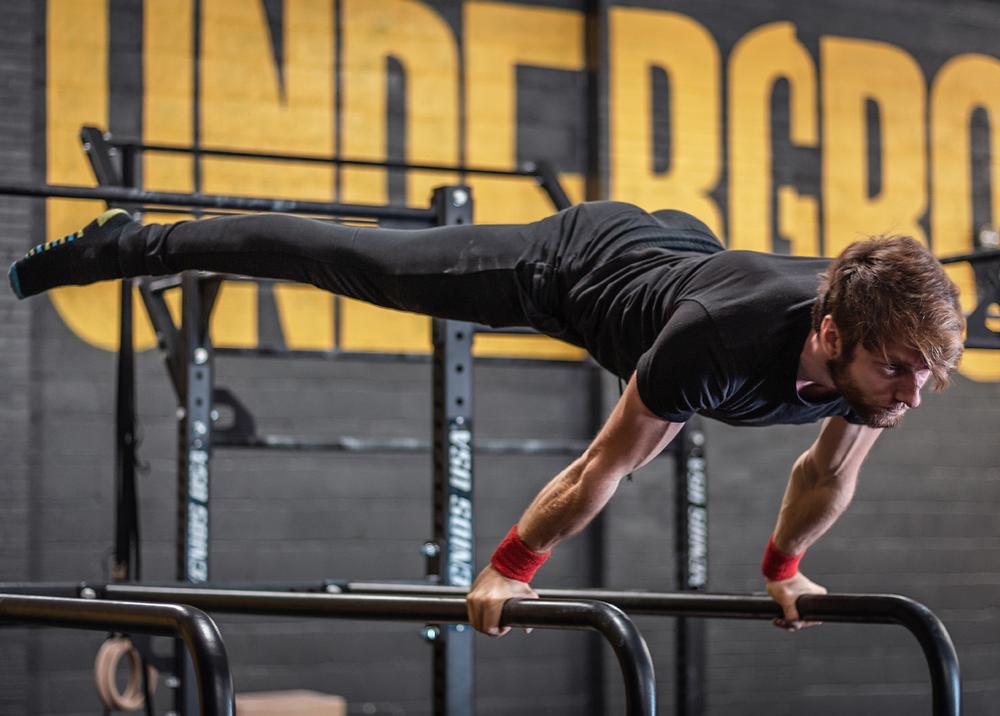
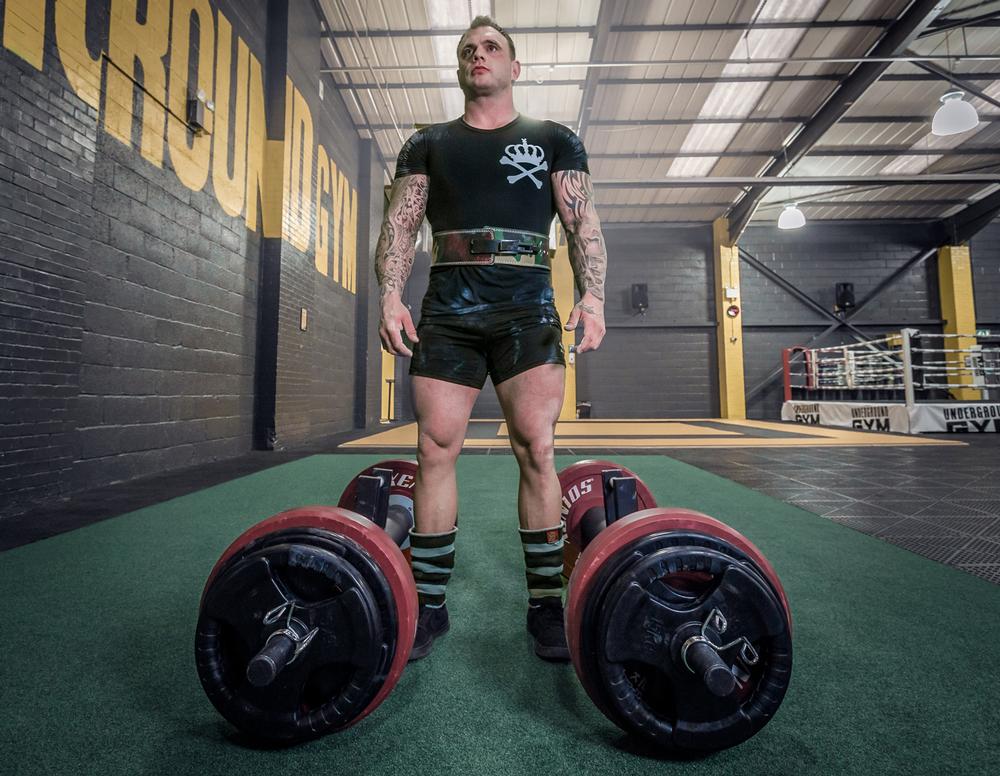
What’s the Underground Gym brand all about? We have three equal parts. Combat, comprising MMA, boxing, Brazilian Ju Jitsu and Muay Thai. Strength training with free weights and plate loaded equipment and power and Olympic lifting. Finally, we offer conditioning with disciplines like Parkour and calisthenics.
The mix of these three aspects means the gym floor is not as ‘alpha’ as bodybuilding gyms and our members train across a number of disciplines. Our USP is the community we create at each club, which is largely down to our staff, who are all former professional athletes – their personalities create the atmosphere and DNA of the brand.
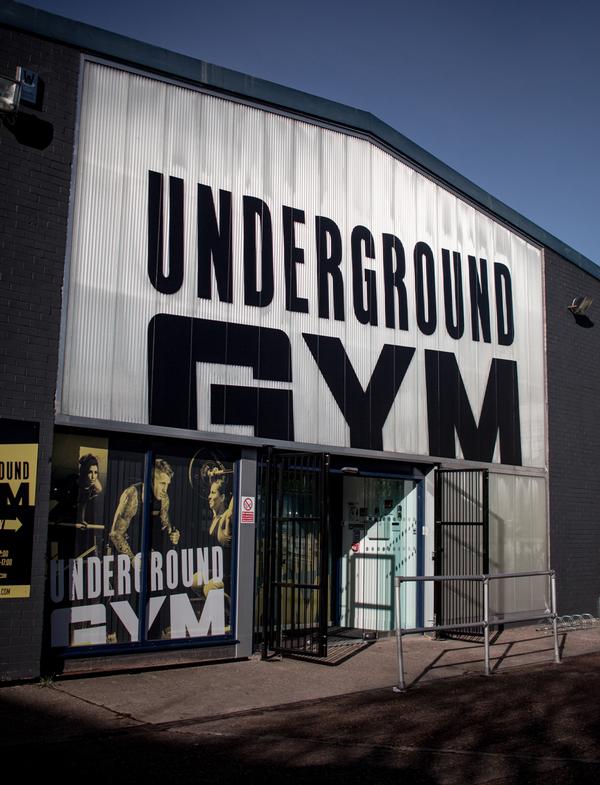
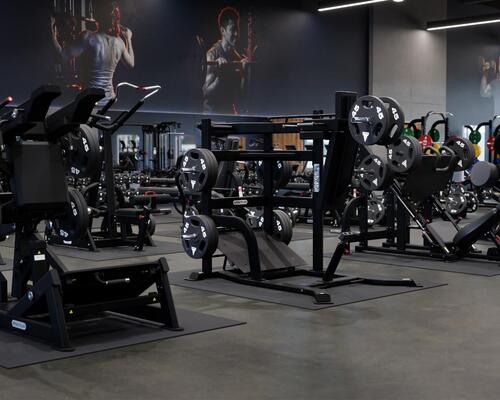
Do all three sites offer the same? Each site has been slightly bigger and more costly! Brighton, the original flagship site, offers the core facilities. Newhaven was the second site and is slightly larger, with a sauna and a group exercise studio. Tunbridge Wells is the largest site and has a Fit 3D body scanner, MMA Octagon, a Parkour area and Eat Naked restaurant.
What’s the membership model? Gym membership is £39 a month, with a £20 joining fee which gets waived for certain groups, such as single parents or service personnel. Gym and fitness classes are £49 a month and gym and the more specific classes, such as Olympic lifting or Parkour, are £59 a month.
There’s also a pay-as-you-go option which costs £9.99. We’ve just developed a small group training package to help people to get better results without the expense of PT. This starts at £12.
Who are your members? A large proportion are millennials who come before and after work. But we do have more 40-50-year-olds coming mid-morning and there’s about a 60/40 split between males and females.
What have been the main challenges with getting the brand up and running? We’ve self-funded, so sometimes that’s been stressful. Finding the right sites and the right staff is a challenge.
As we now have multiple locations, the main goal has been to ensure we offer the same experience across all three and that they run efficiently, offering the same quality experience – even if Alan and I are only in the club once a week.
To do this, we’ve created a more formal staff structure, with managers and supervisors, to make sure everyone is singing from the same hymn sheet.
What do you look for in a site? We look for industrial units in residential areas, with ample parking and supportive councils. Our aim is to own the south coast of the UK, so Tunbridge Wells was further north than we’d originally planned, but it was such a good location that we had to go for it.
Retailers like John Lewis and Marks & Spencer and showrooms for Bentley and BMW are within a kilometre of the club in Tunbridge Wells – it’s such an affluent area, we thought if we can’t make a gym work here, we might as well give up!
It’s an old gymnastics facility, so loads of the infrastructure was already in place, including a foam pit, which has allowed us to create a Parkour, street-running park.
We opened on 23rd November after a 30-day turnaround, adding a restaurant, widening the reception area and bringing in new kit from Core Health and Fitness, Carbon Claw and Xenios.
What are your future plans? It’s our goal to launch two more self-funded clubs within the next three years and we’re looking for sites in Worthing and Eastbourne. After that, we’re open to anything: mergers with other chains or a private equity acquisition.
What are your predictions for the health and fitness industry? More focus on boutiques and small group training. I also think people will get fed up of data and technology and want workouts to be more simple. There will be more cross training, but less club hopping – people will get bored of going to different places because they won’t build a community. So, I think we’ll see more ‘clubs within a club’, offering an interesting mix of facilities.
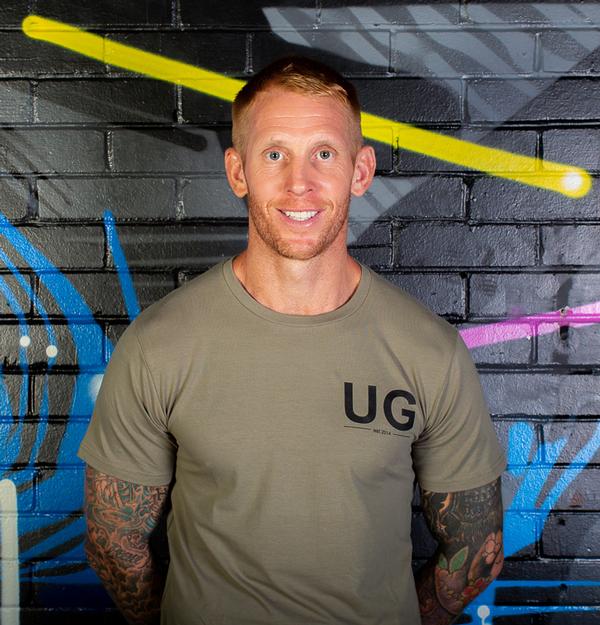
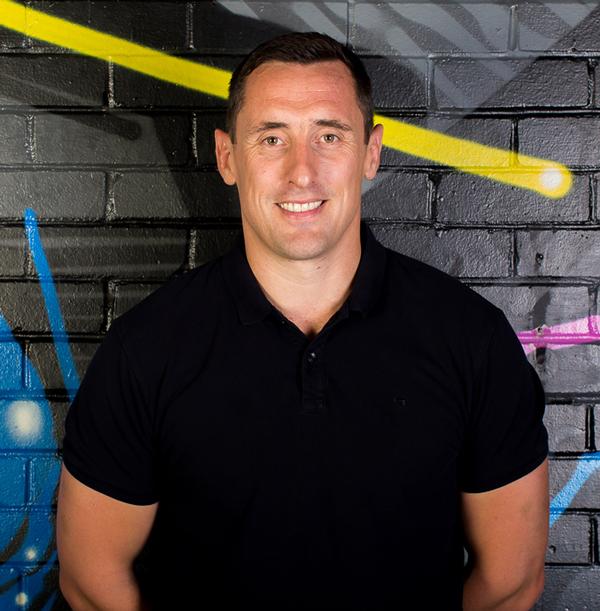
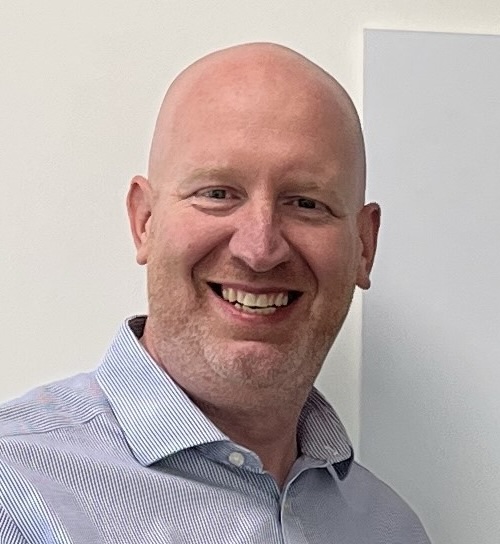
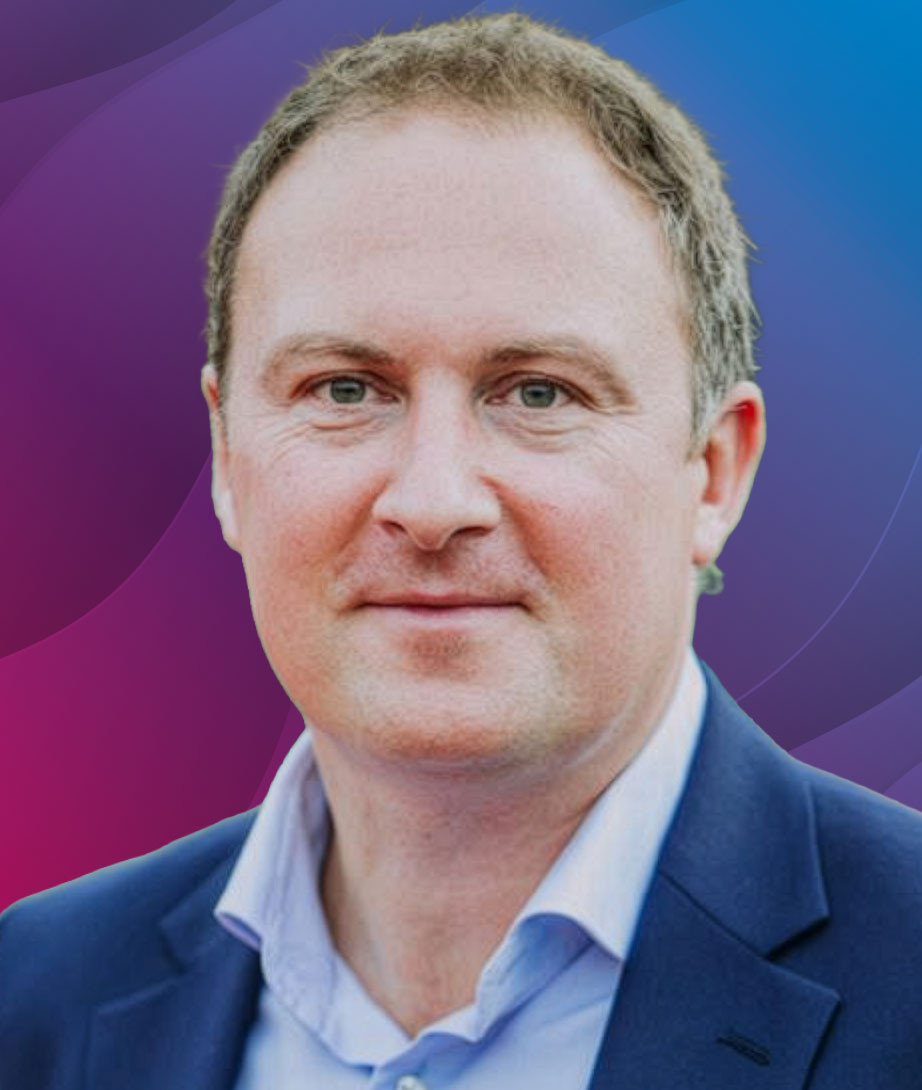
Alan McGuinness
Gilbert and McGuinness look for industrial units in residential areas
The Underground Gym offers a combination of combat, strength and Parkour/calisthenics
Panatta brought together four of the most influential figures in bodybuilding history on the
stage of RiminiWellness 2026: Phil Heath, Lee Haney, Ronnie Coleman and Hany Rambod. [more...]
+ More featured suppliers
COMPANY PROFILES
Serco Leisure
Serco Leisure Operating Limited is one of the UK’s leading national operators of leisure centres, de [more...]
Everyone Active
Everyone Active operates leisure centres in partnership with local councils across the UK. Today, Ev [more...]
“It’s our goal to launch two more self-funded clubs in the next three years. After that we’re open to anything: mergers or a private equity acquisition”
What is your backstory? I’m an ex-professional MMA fighter and have been in the industry since I was a teenager, first with a gym in Brighton, then Courtney’s in London and Dragons back in Brighton. After that, I went on to launch my own martial arts school.
In 2014, I teamed up with my business partner, Alan McGuinness and we expanded my gym, so members could do their strength and conditioning work with us. At the same time we rebranded to Underground Gym, so we would be perceived as less of a fight school – which was intimidating to some people – and attract a more diverse crowd.
What’s the Underground Gym brand all about? We have three equal parts. Combat, comprising MMA, boxing, Brazilian Ju Jitsu and Muay Thai. Strength training with free weights and plate loaded equipment and power and Olympic lifting. Finally, we offer conditioning with disciplines like Parkour and calisthenics.
The mix of these three aspects means the gym floor is not as ‘alpha’ as bodybuilding gyms and our members train across a number of disciplines. Our USP is the community we create at each club, which is largely down to our staff, who are all former professional athletes – their personalities create the atmosphere and DNA of the brand.
Do all three sites offer the same? Each site has been slightly bigger and more costly! Brighton, the original flagship site, offers the core facilities. Newhaven was the second site and is slightly larger, with a sauna and a group exercise studio. Tunbridge Wells is the largest site and has a Fit 3D body scanner, MMA Octagon, a Parkour area and Eat Naked restaurant.
What’s the membership model? Gym membership is £39 a month, with a £20 joining fee which gets waived for certain groups, such as single parents or service personnel. Gym and fitness classes are £49 a month and gym and the more specific classes, such as Olympic lifting or Parkour, are £59 a month.
There’s also a pay-as-you-go option which costs £9.99. We’ve just developed a small group training package to help people to get better results without the expense of PT. This starts at £12.
Who are your members? A large proportion are millennials who come before and after work. But we do have more 40-50-year-olds coming mid-morning and there’s about a 60/40 split between males and females.
What have been the main challenges with getting the brand up and running? We’ve self-funded, so sometimes that’s been stressful. Finding the right sites and the right staff is a challenge.
As we now have multiple locations, the main goal has been to ensure we offer the same experience across all three and that they run efficiently, offering the same quality experience – even if Alan and I are only in the club once a week.
To do this, we’ve created a more formal staff structure, with managers and supervisors, to make sure everyone is singing from the same hymn sheet.
What do you look for in a site? We look for industrial units in residential areas, with ample parking and supportive councils. Our aim is to own the south coast of the UK, so Tunbridge Wells was further north than we’d originally planned, but it was such a good location that we had to go for it.
Retailers like John Lewis and Marks & Spencer and showrooms for Bentley and BMW are within a kilometre of the club in Tunbridge Wells – it’s such an affluent area, we thought if we can’t make a gym work here, we might as well give up!
It’s an old gymnastics facility, so loads of the infrastructure was already in place, including a foam pit, which has allowed us to create a Parkour, street-running park.
We opened on 23rd November after a 30-day turnaround, adding a restaurant, widening the reception area and bringing in new kit from Core Health and Fitness, Carbon Claw and Xenios.
What are your future plans? It’s our goal to launch two more self-funded clubs within the next three years and we’re looking for sites in Worthing and Eastbourne. After that, we’re open to anything: mergers with other chains or a private equity acquisition.
What are your predictions for the health and fitness industry? More focus on boutiques and small group training. I also think people will get fed up of data and technology and want workouts to be more simple. There will be more cross training, but less club hopping – people will get bored of going to different places because they won’t build a community. So, I think we’ll see more ‘clubs within a club’, offering an interesting mix of facilities.
Alan McGuinness
Gilbert and McGuinness look for industrial units in residential areas
The Underground Gym offers a combination of combat, strength and Parkour/calisthenics
According to research which tracked more than 147,000 people for 30 years, 90-120 minutes
of strength training a week may deliver some of the biggest long-term health rewards.
The UK's four Chief Medical Officers have published a refreshed edition of Physical activity
guidelines: UK Chief Medical Officers' report, updating the evidence that underpins the nation's
physical activity recommendations and placing greater emphasis on strength, balance, reducing
sedentary behaviour and, for the first time, supporting people taking weight loss medications.
Places Leisure has exchanged contracts to build and operate a flagship £60m water and leisure
destination on behalf of Basingstoke and Deane Borough Council.
The Republic of Ireland will become the latest market in PureGym’s expanding international
portfolio, with the first launch planned for Dublin in 2027.
Anytime Fitness opened more than one club a day in 2025 and is on track to maintain this rate
of growth this year, as parent company Purpose Brands targets further international expansion.
The £33.9 million Leighton Leisure and Community Centre has opened in Leighton Buzzard, UK,
creating a next-generation public leisure, health and wellbeing hub for the local community.
Walnuts Leisure Centre in Orpington, in the London Borough of Bromley, has reopened following
a £17m transformation designed to secure the long-term future of the public leisure asset and
reposition it as a community wellbeing hub.
The Gym Group, has announced that it's sustained positive trading momentum has continued
through the first half of 2026 and the company remains confident about the outlook.
Panatta brought together four of the most influential figures in bodybuilding history on the
stage of RiminiWellness 2026: Phil Heath, Lee Haney, Ronnie Coleman and Hany Rambod. [more...]
+ More featured suppliers
COMPANY PROFILES
Serco Leisure Serco Leisure Operating Limited is one of the UK’s leading national operators of leisure centres, de [more...]