The UK’s first hotel with high altitude rooms has opened its doors, hot on the
heels of the launch of a hypoxic chamber at the new Third Space in London.
Is altitude training heading for the mainstream? Kath Hudson reports
By Kath Hudson | Published in Health Club Management 2019 issue 1
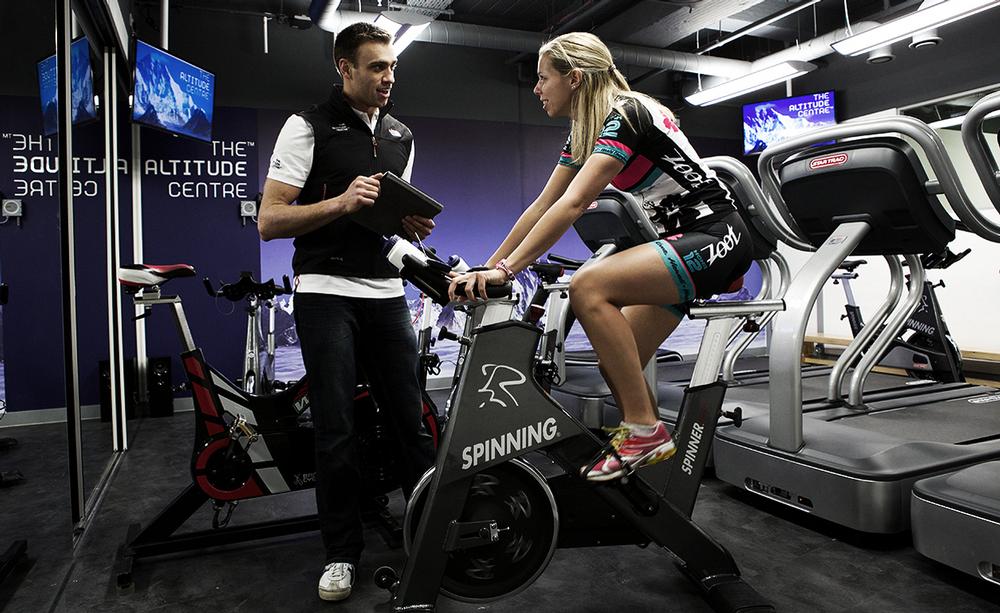
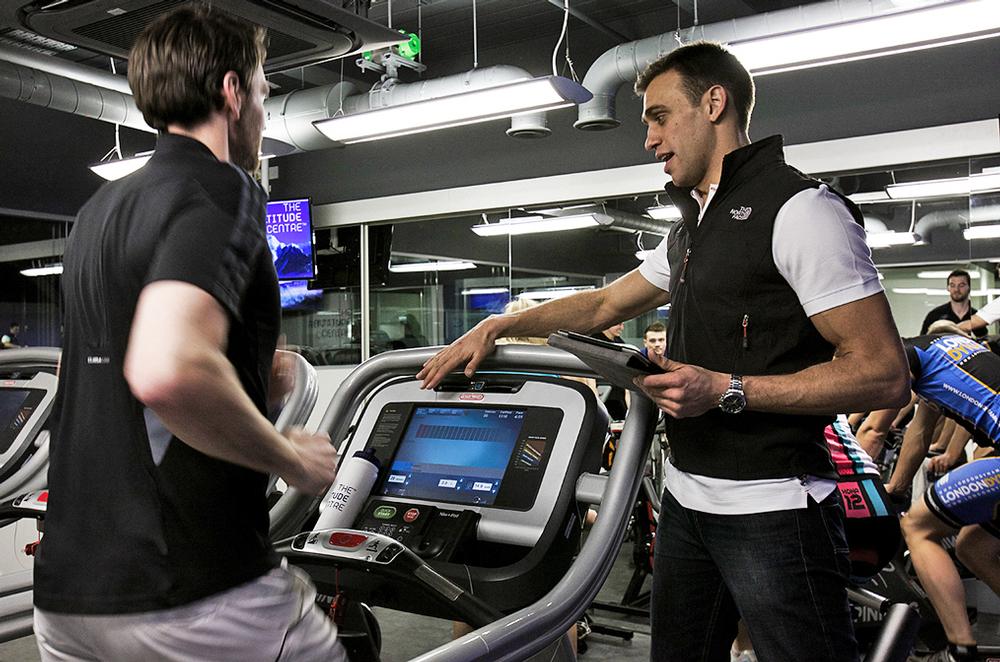
The Altitude Centre has seen a growing interest in altitude training
Endurance athletes like Mo Farah have been using altitude training for decades, spending weeks at a time training at 2,400m, before heading off to compete, pumped up with a heap of extra red blood cells.
Now fitness enthusiasts with a decent amount of disposable income have the opportunity to train like a professional, as the options for getting an altitude hit have increased.
The body adapts to there being less oxygen in the air in a number of ways: increasing the number of red blood cells and levels of haemoglobin and altering muscle metabolism. This forces the body to work harder, meaning users get the benefits of a 45-minute workout in around 15 minutes.
With reduced oxygen, the body becomes much more effective at using what oxygen it has available, and so on returning to normal altitude levels the body is able to access to higher levels of oxygen.
“The benefits of training at altitude are beyond doubt – performance athletes have been doing it for years,” says Colin Waggett, CEO of Third Space. “It increases the number of red blood cells and the number of small blood vessels, making the body more efficient at delivering oxygen to the muscles, and improving the body’s ability to buffer lactic acid.”
Delivering results in less time is one of the benefits of altitude training, which made the hypoxic chamber an ideal fit for Third Space’s city-based club, where it joined a line-up of cutting edge features, including a sprint track and hot yoga studio.
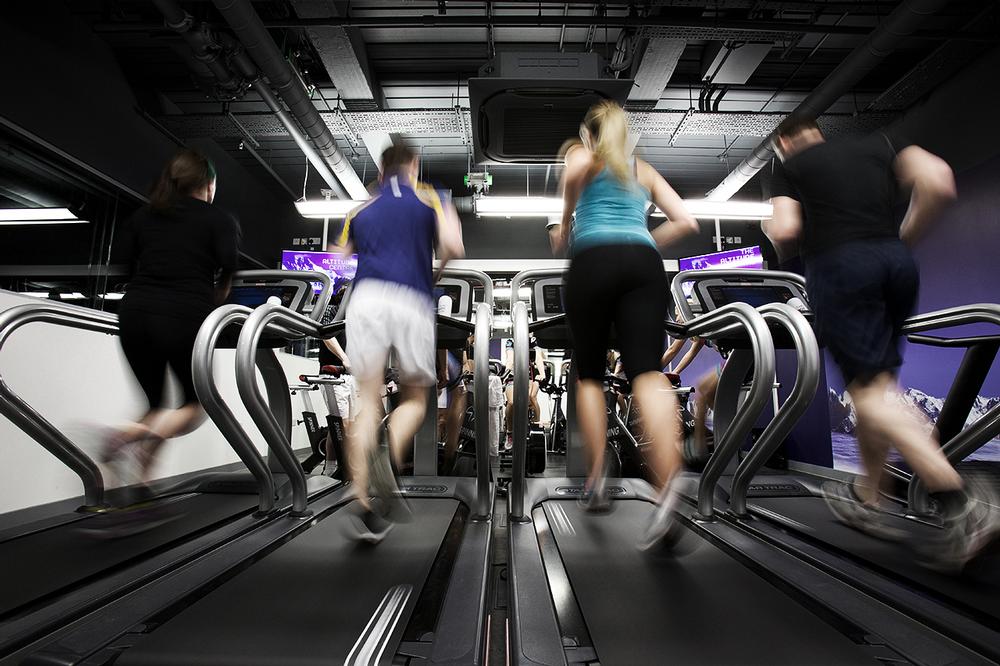
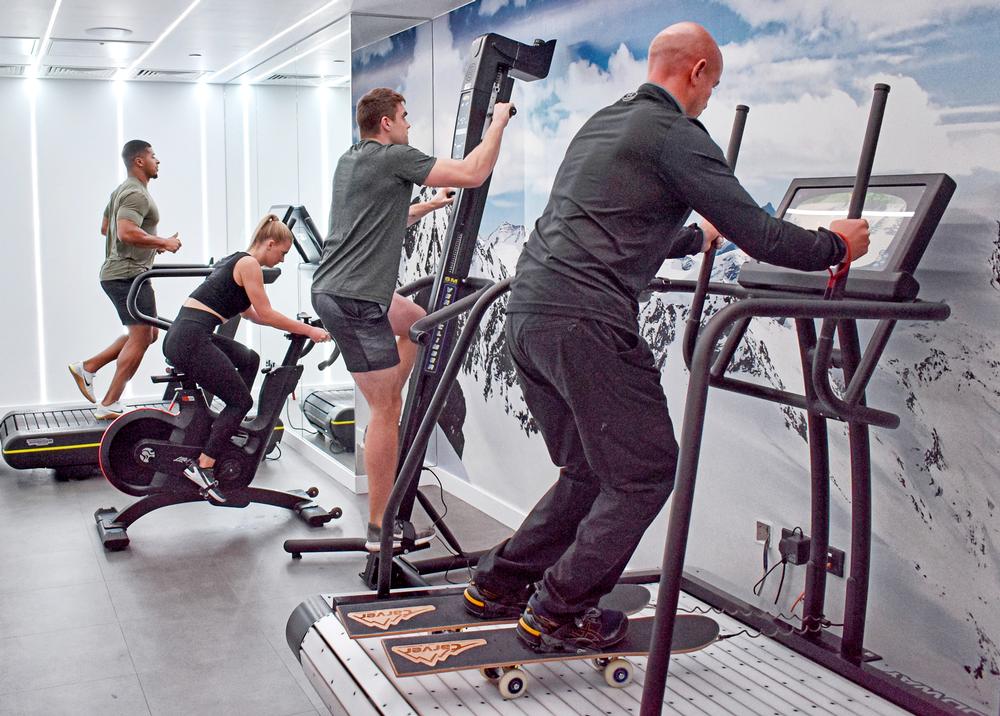
Oxygen levels in the chamber are 15 per cent lower than outside, and members have the option to exercise in the chamber on a ski simulator, treadmills, bikes, a rower or a Woodway treadmill.
Waggett says take-up has been high among the club’s time-pressured, fitness-savvy members and that hypoxic chambers will be considered at future sites. This is the second Third Space club to offer one, the first being in Soho. “We like to include features which people don’t necessarily find elsewhere, but which have real practical use, and are founded in robust sports science or consumer insight,” he says.
Turnkey solution Third Space is not the only health and fitness operator to be offering altitude training. Virgin Active has two chambers at its Walbrook Collection Club in Cannon Street, which were installed by hypoxic specialists, The Altitude Centre. The company runs a facility in central London, as well as offering an installation and set-up service, an accredited course for coaches and the rental of portable oxygen chambers to the home market.
According to Sam Rees, manager at The Altitude Centre, interest and participation is growing year on year, as more people want to train like sport and fitness professionals.
The facility was opened in 2012, by Richard Pullan, who experienced altitude training in New Zealand. Initially aimed at elite athletes, the centre has worked with many big name clients, including Alistair Brownlee, England Football, UK Athletics and England Rugby, however, now it’s broadening its reach.
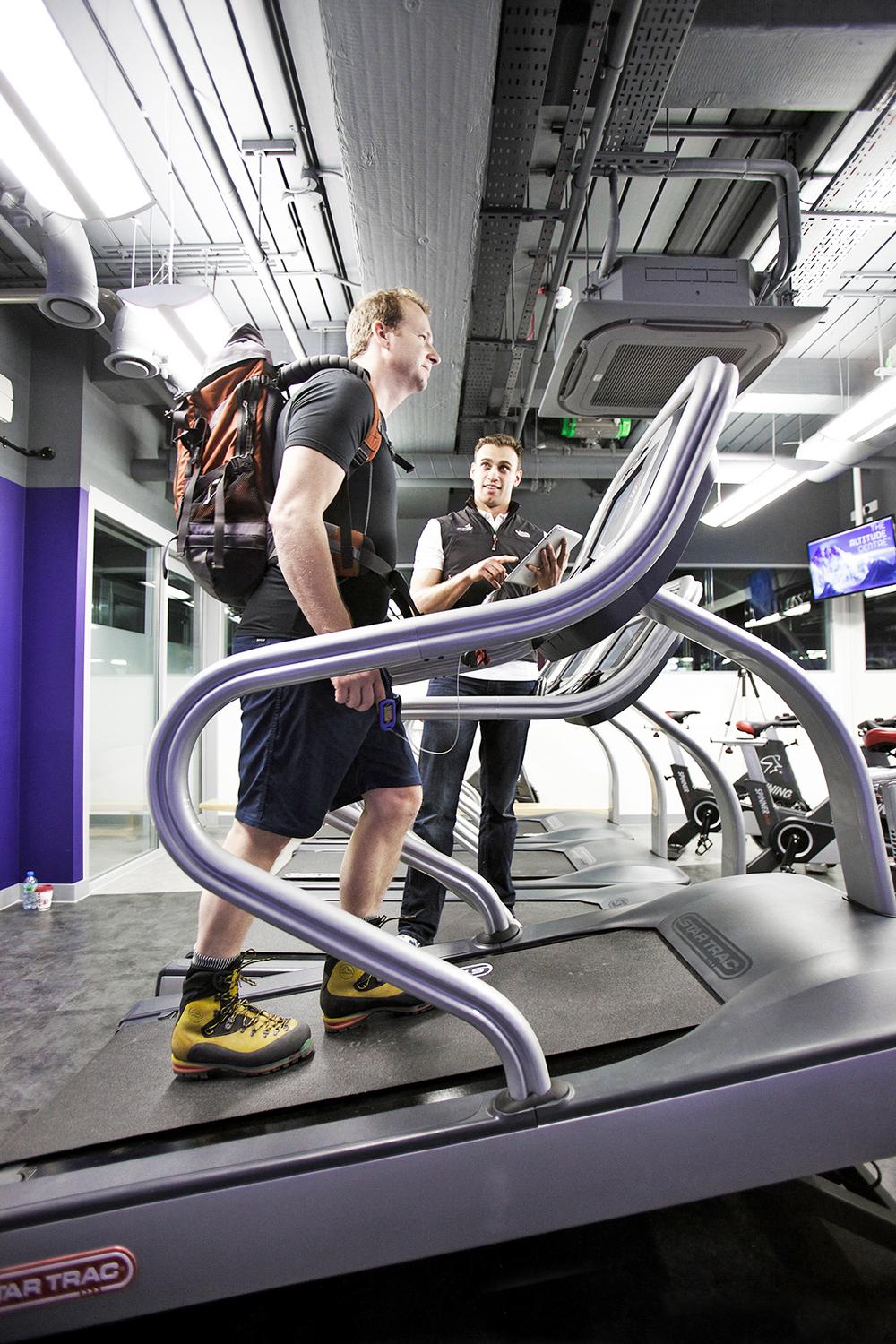
According to Rees, there are now three clear markets beyond elite athletes. “Ambitious amateur athletes, such as runners, cyclists and triathletes, who want to improve their times and are happy to invest in this. Then, people who are planning mountain expeditions to the likes of Mount Kilimanjaro or Everest base camp. And, thirdly, those with no particular sporting goal, but who want to stay fit and healthy and like the fact that you can get better results out of a 30-minute class.”
A single session in the pod costs £29, but most people buy in blocks, or take out an unlimited use membership. Rees says, in general, the best way to gain the full benefit is to have two HIIT sessions a week and one session in the altitude pod. To see if there’s potential to engage people who don’t like working out, they’re currently conducting research to see if people can lose weight simply by sitting in the centre and using the mask and also if there are variations in weight loss between training at altitude and sea level.
Sleep at altitude Research into altitude training is also high on the agenda at Loughborough University’s new Elite Athlete Centre and Hotel. Launched on 1 November, this is the first hotel in the UK to have 20 specially designed altitude bedrooms, featuring a unique system from Sporting Edge, which means that every room can be controlled independently to go from sea level up to 5,000m, which is the same altitude as Everest base camp.
“For altitude training to go mainstream will probably require a larger body of research into the exposure and potential performance gains,” says Emma Boynton, sales and marketing manager of Imago Venues. “But one of the great things about the hotel is the potential to conduct robust research and make altitude training a far more accessible and cost-effective tool for athletes to utilise as part of their training programme.”
Part of a new student village complex, Loughborough University believes the hotel will be a strong asset. “To have a hotel designed specifically for elite athletes that provides an optimum environment for their training, gives our offer something truly unique and cements our position as a world-leading sporting hub,” says Boynton.
Standard and accessible rooms start at £100 and altitude rooms from around £135. Interest has been keen from around the globe, including from national governing bodies, youth sport organisations, para-athlete teams, performance directors, strength and conditioning coaches and semi-professional sports teams all looking for a performance edge, as well as the corporate market for sporting events, the defence sector and weekend warriors preparing for charity runs, triathlons, mountain ascents or extreme heat conditions.
Working out return on investment for health clubs who are tempted to launch a hypoxic chamber is difficult because it varies depending on the size you want to go for, and there are still unknowns about the optimal way to use altitude training. However, as more operators start to take the plunge and more research becomes available, it will soon become apparent whether or not this is set to become a mainstream trend.
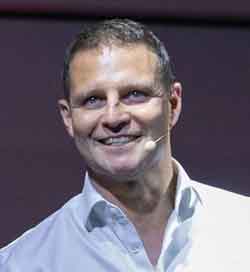
Colin Waggett, Third Space
"We like to include features in our clubs which people don’t necessarily find elsewhere, but which have real practical use, and are founded in robust sports science or consumer insight"
Sam Rees, The Altitude Centre
"There are clear markets for altitude training beyond elite athletes, such as ambitious amateur athletes and those planning mountain expeditions"
Emma Boynton,
Imago Venues
"For altitude training to go mainstream will probably require a larger body of research into the exposure and potential performance gain"
One of the groups showing an interest in altitude training is people who are planning mountain expeditions, for instance to Mount Kilimanjaro or Everest
Mo Farah has benefitted from altitude training / shutterstock
Alistair Brownlee has benefitted from altitude training / shutterstock
Third Space’s hypoxic chamber
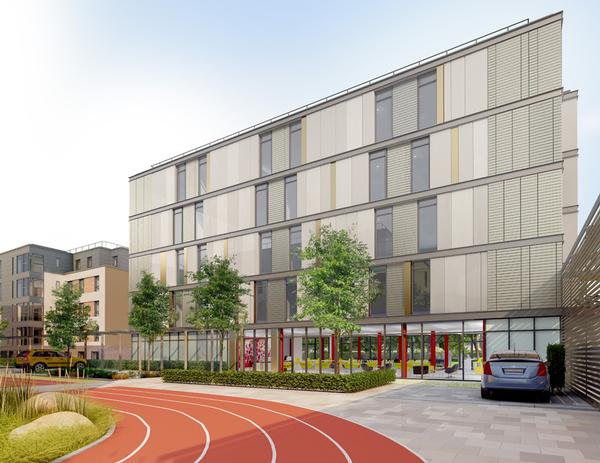
Loughborough University’s hotel featuring altitude bedrooms
Panatta brought together four of the most influential figures in bodybuilding history on the
stage of RiminiWellness 2026: Phil Heath, Lee Haney, Ronnie Coleman and Hany Rambod. [more...]
Active Blackpool is deploying Cornerstone Connect, a new digital interface allowing
disparate information from multiple systems to be aggregated into one dataset, to support
its focus on reducing health inequalities and improving healthy life expectancy. [more...]
+ More featured suppliers
COMPANY PROFILES
PSLT Ltd
PSLT Fitness Solutions manufacture, remanufacture and buy back commercial gym equipment. [more...]
The UK’s first hotel with high altitude rooms has opened its doors, hot on the
heels of the launch of a hypoxic chamber at the new Third Space in London.
Is altitude training heading for the mainstream? Kath Hudson reports
By Kath Hudson | Published in Health Club Management 2019 issue 1
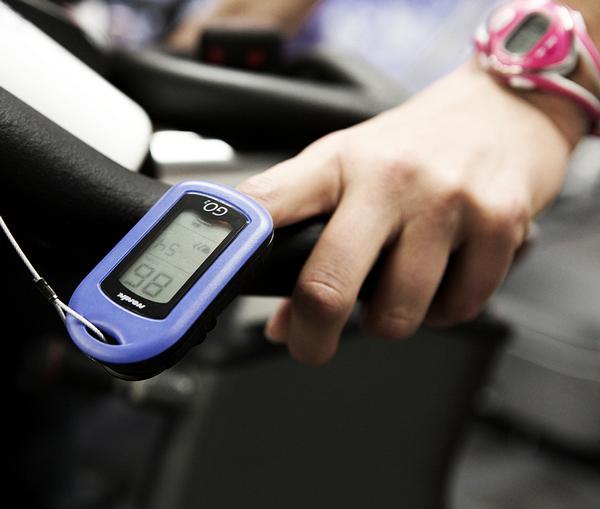
The Altitude Centre has seen a growing interest in altitude training
Endurance athletes like Mo Farah have been using altitude training for decades, spending weeks at a time training at 2,400m, before heading off to compete, pumped up with a heap of extra red blood cells.
Now fitness enthusiasts with a decent amount of disposable income have the opportunity to train like a professional, as the options for getting an altitude hit have increased.
The body adapts to there being less oxygen in the air in a number of ways: increasing the number of red blood cells and levels of haemoglobin and altering muscle metabolism. This forces the body to work harder, meaning users get the benefits of a 45-minute workout in around 15 minutes.
With reduced oxygen, the body becomes much more effective at using what oxygen it has available, and so on returning to normal altitude levels the body is able to access to higher levels of oxygen.
“The benefits of training at altitude are beyond doubt – performance athletes have been doing it for years,” says Colin Waggett, CEO of Third Space. “It increases the number of red blood cells and the number of small blood vessels, making the body more efficient at delivering oxygen to the muscles, and improving the body’s ability to buffer lactic acid.”
Delivering results in less time is one of the benefits of altitude training, which made the hypoxic chamber an ideal fit for Third Space’s city-based club, where it joined a line-up of cutting edge features, including a sprint track and hot yoga studio.
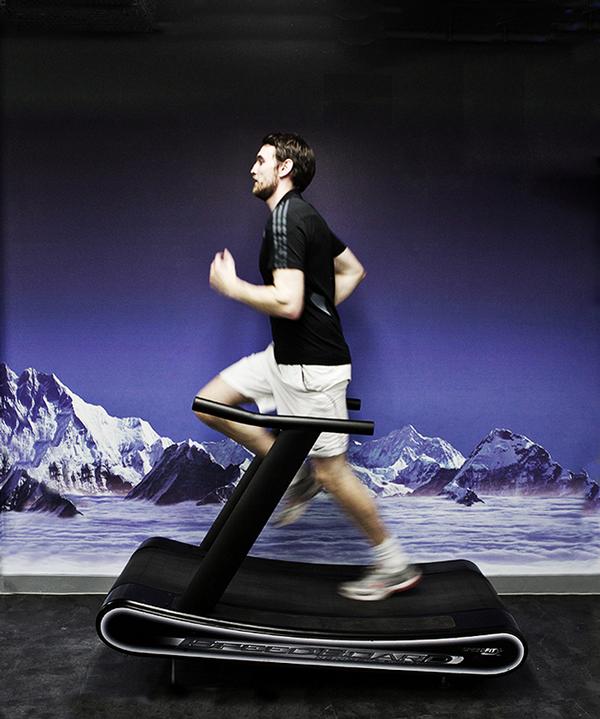
Oxygen levels in the chamber are 15 per cent lower than outside, and members have the option to exercise in the chamber on a ski simulator, treadmills, bikes, a rower or a Woodway treadmill.
Waggett says take-up has been high among the club’s time-pressured, fitness-savvy members and that hypoxic chambers will be considered at future sites. This is the second Third Space club to offer one, the first being in Soho. “We like to include features which people don’t necessarily find elsewhere, but which have real practical use, and are founded in robust sports science or consumer insight,” he says.
Turnkey solution Third Space is not the only health and fitness operator to be offering altitude training. Virgin Active has two chambers at its Walbrook Collection Club in Cannon Street, which were installed by hypoxic specialists, The Altitude Centre. The company runs a facility in central London, as well as offering an installation and set-up service, an accredited course for coaches and the rental of portable oxygen chambers to the home market.
According to Sam Rees, manager at The Altitude Centre, interest and participation is growing year on year, as more people want to train like sport and fitness professionals.
The facility was opened in 2012, by Richard Pullan, who experienced altitude training in New Zealand. Initially aimed at elite athletes, the centre has worked with many big name clients, including Alistair Brownlee, England Football, UK Athletics and England Rugby, however, now it’s broadening its reach.
According to Rees, there are now three clear markets beyond elite athletes. “Ambitious amateur athletes, such as runners, cyclists and triathletes, who want to improve their times and are happy to invest in this. Then, people who are planning mountain expeditions to the likes of Mount Kilimanjaro or Everest base camp. And, thirdly, those with no particular sporting goal, but who want to stay fit and healthy and like the fact that you can get better results out of a 30-minute class.”
A single session in the pod costs £29, but most people buy in blocks, or take out an unlimited use membership. Rees says, in general, the best way to gain the full benefit is to have two HIIT sessions a week and one session in the altitude pod. To see if there’s potential to engage people who don’t like working out, they’re currently conducting research to see if people can lose weight simply by sitting in the centre and using the mask and also if there are variations in weight loss between training at altitude and sea level.
Sleep at altitude Research into altitude training is also high on the agenda at Loughborough University’s new Elite Athlete Centre and Hotel. Launched on 1 November, this is the first hotel in the UK to have 20 specially designed altitude bedrooms, featuring a unique system from Sporting Edge, which means that every room can be controlled independently to go from sea level up to 5,000m, which is the same altitude as Everest base camp.
“For altitude training to go mainstream will probably require a larger body of research into the exposure and potential performance gains,” says Emma Boynton, sales and marketing manager of Imago Venues. “But one of the great things about the hotel is the potential to conduct robust research and make altitude training a far more accessible and cost-effective tool for athletes to utilise as part of their training programme.”
Part of a new student village complex, Loughborough University believes the hotel will be a strong asset. “To have a hotel designed specifically for elite athletes that provides an optimum environment for their training, gives our offer something truly unique and cements our position as a world-leading sporting hub,” says Boynton.
Standard and accessible rooms start at £100 and altitude rooms from around £135. Interest has been keen from around the globe, including from national governing bodies, youth sport organisations, para-athlete teams, performance directors, strength and conditioning coaches and semi-professional sports teams all looking for a performance edge, as well as the corporate market for sporting events, the defence sector and weekend warriors preparing for charity runs, triathlons, mountain ascents or extreme heat conditions.
Working out return on investment for health clubs who are tempted to launch a hypoxic chamber is difficult because it varies depending on the size you want to go for, and there are still unknowns about the optimal way to use altitude training. However, as more operators start to take the plunge and more research becomes available, it will soon become apparent whether or not this is set to become a mainstream trend.
Colin Waggett, Third Space
"We like to include features in our clubs which people don’t necessarily find elsewhere, but which have real practical use, and are founded in robust sports science or consumer insight"
Sam Rees, The Altitude Centre
"There are clear markets for altitude training beyond elite athletes, such as ambitious amateur athletes and those planning mountain expeditions"
Emma Boynton,
Imago Venues
"For altitude training to go mainstream will probably require a larger body of research into the exposure and potential performance gain"
One of the groups showing an interest in altitude training is people who are planning mountain expeditions, for instance to Mount Kilimanjaro or Everest
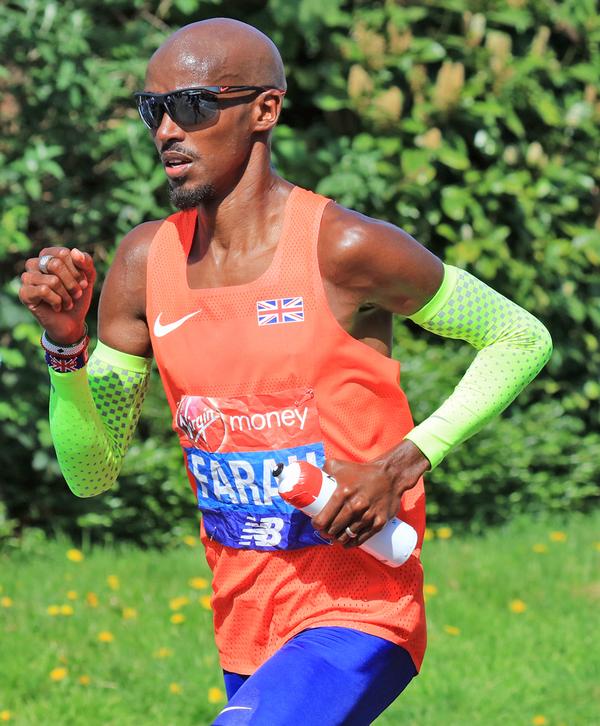
Mo Farah has benefitted from altitude training / shutterstock
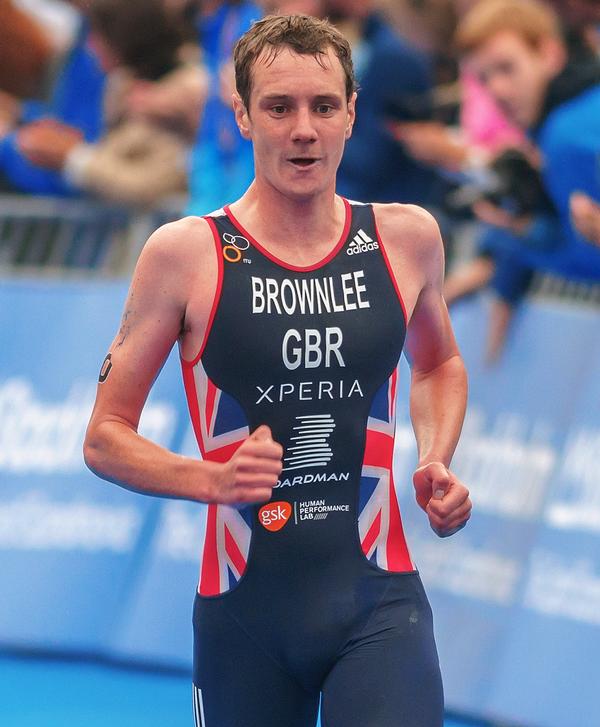
Alistair Brownlee has benefitted from altitude training / shutterstock
Third Space’s hypoxic chamber
Loughborough University’s hotel featuring altitude bedrooms
According to research which tracked more than 147,000 people for 30 years, 90-120 minutes
of strength training a week may deliver some of the biggest long-term health rewards.
The UK's four Chief Medical Officers have published a refreshed edition of Physical activity
guidelines: UK Chief Medical Officers' report, updating the evidence that underpins the nation's
physical activity recommendations and placing greater emphasis on strength, balance, reducing
sedentary behaviour and, for the first time, supporting people taking weight loss medications.
Places Leisure has exchanged contracts to build and operate a flagship £60m water and leisure
destination on behalf of Basingstoke and Deane Borough Council.
The Republic of Ireland will become the latest market in PureGym’s expanding international
portfolio, with the first launch planned for Dublin in 2027.
Anytime Fitness opened more than one club a day in 2025 and is on track to maintain this rate
of growth this year, as parent company Purpose Brands targets further international expansion.
The £33.9 million Leighton Leisure and Community Centre has opened in Leighton Buzzard, UK,
creating a next-generation public leisure, health and wellbeing hub for the local community.
Walnuts Leisure Centre in Orpington, in the London Borough of Bromley, has reopened following
a £17m transformation designed to secure the long-term future of the public leisure asset and
reposition it as a community wellbeing hub.
The Gym Group, has announced that it's sustained positive trading momentum has continued
through the first half of 2026 and the company remains confident about the outlook.
Panatta brought together four of the most influential figures in bodybuilding history on the
stage of RiminiWellness 2026: Phil Heath, Lee Haney, Ronnie Coleman and Hany Rambod. [more...]
Active Blackpool is deploying Cornerstone Connect, a new digital interface allowing
disparate information from multiple systems to be aggregated into one dataset, to support
its focus on reducing health inequalities and improving healthy life expectancy. [more...]
+ More featured suppliers
COMPANY PROFILES
PSLT Ltd PSLT Fitness Solutions manufacture, remanufacture and buy back commercial gym equipment. [more...]