Metro Blind Sport has been supporting Londoners with
vision impairment to play sport for 45 years. Newly appointed CEO Martin Symcox discusses the importance of such organisations to the lives of members, and how he plans to make even more of an impact
What does Metro Blind Sport do? Metro Blind Sport is a small but dynamic charity that opens up sporting opportunities to blind and partially sighted people of all ages and sporting abilities, primarily living within Greater London. Our core sports include archery, athletics, bowls, cricket, football and tennis.
Metro Blind Sport engages qualified coaches who make small adaptations to sports to allow visually impaired people to take part. In addition, through fundraising initiatives, we purchase specialised equipment such as sound balls for tennis, and tripod alignment aids for archery.
Metro can also offer financial support to members by way of subsidies.
Our sports are open to all ages and abilities, and participants can take part just for fun or to compete. Several of our members regularly take part in regional, national and international events.
How and when did the organisation start? And how has it evolved over the years? Metro Blind Sport was founded in 1973 by an inspirational group of young blind and partially sighted people who were not prepared to accept the expectations and restrictions of the day – chess and country walks were not enough for them! This group of people arranged to play cricket and football matches between themselves, before expanding it to playing in knockout competitions with other teams and taking part in league matches.
Over the years other sports teams were created under the Metro Blind Sport name. The first Metro annual athletics event took place in 1977 and has continued each year. The event was started – and continues to be organised – by Roy Smith MBE, a former Paralympian.
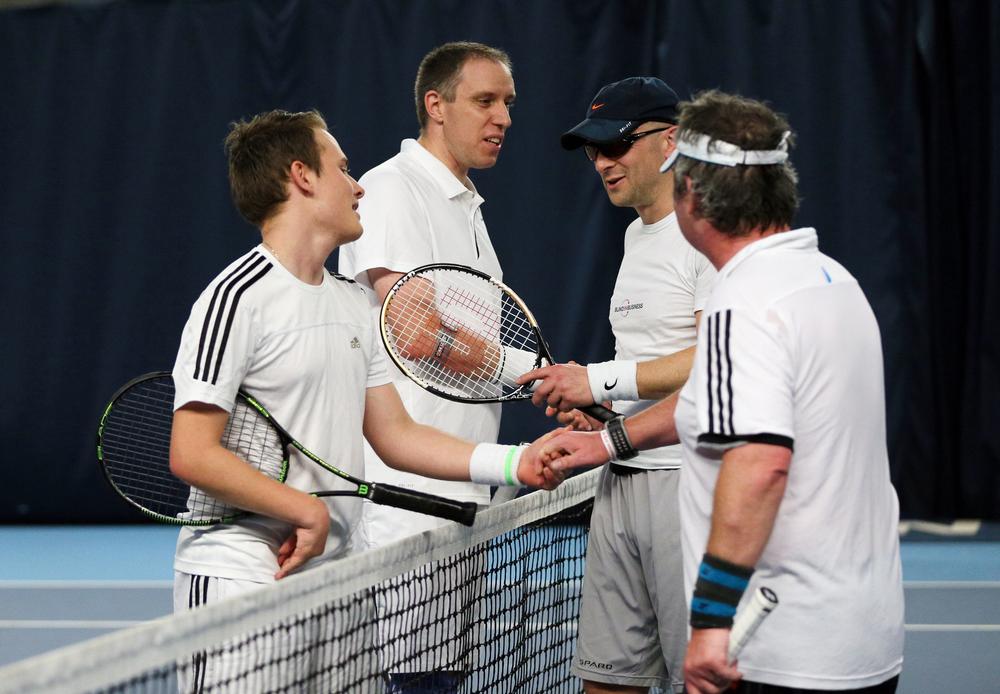
One of the greatest achievements was the influence Metro Blind Sport had in bringing VI Tennis to the UK. VI Tennis began in the UK in 2007 and was driven by volunteers from Metro. It started out with practice games between Metro members and soon became an event that was enjoyed up and down the country. Metro organised the regional and national tournaments before handing over the responsibilities to the Tennis Foundation a few years ago. The UK now boasts the largest number of players actively practising Blind Tennis and the largest number of tournaments.
You recently became CEO. What attracted you to the role? I was particularly attracted to the breadth of sports that Metro Blind Sport delivers and the variety of opportunities that are available to support individuals.
Having worked previously as a director for the Royal Life Saving Society UK, I’m passionate about effecting change that improves people’s lives. I feel I have an opportunity here to really benefit people with a visual impairment.
It’s an exciting time to be working in disability sport, with the government and Sport England supporting work that engages people from under-represented groups in sport and physical activity.
How do you attract members? We receive a lot of members through word of mouth. Metro Blind Sport has benefitted from strong connections – being established over the past 40 years. With little sporting provision available in the past, we have often been the starting point for participation. As those that have participated have seen the benefits, they have been our best advocates.
In more recent years we’ve attended a significant amount of networking events in the sight loss sector and the sport and leisure sector to share the work that we do. It is hoped we can continue to have an increased presence at these events to not only talk about Metro Blind Sport but also increase the awareness of the barriers that visually impaired people face in accessing physical activity opportunities.
How do you attract volunteers? Volunteers are key to our success and we couldn’t achieve as much if we didn’t have this loyal group of people supporting us.
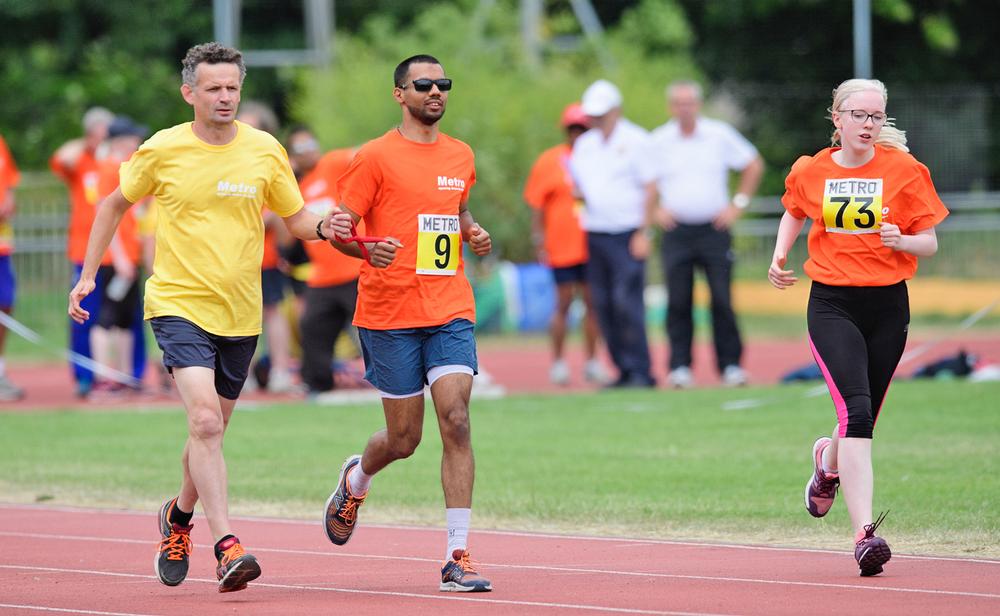
Volunteers are required to help in several areas and they don’t always need to be knowledgeable about the sports that we deliver. We need volunteers to act as pilots for our tandem cyclists, to identify where a bowler has landed their shot, to guide people to events and activities, to run alongside competitors at our annual athletics event and much more.
One great example of a partnership is through our tennis programme. One volunteer has linked directly with the local Duke of Edinburgh scheme. Each week we have student volunteers helping collect balls, set up and set down courts as part of their Duke of Edinburgh Award.
How does sport impact the lives of people with vision impairment? Royal National Institute of Blind People (RNIB) research has shown that 64 per cent of VI people would like to be more physically active and 57 per cent felt that their sight loss was a barrier to being physically active. Around two million people in the UK are living with sight loss that significantly impacts upon their lives, with the number of people potentially denied the ability to maintain or improve their health being substantial.
Many visually impaired people are constantly told they can’t do sport. Mainstream PE teachers can often be unsure how to integrate VI students into their sessions. Some VI people may not have tried sport since school.
Sport can have many benefits for people living with a visual impairment. Aside from the obvious health benefits that come with taking part in physical activity, sport can improve social interaction and increase opportunities to interact inside and outside of a sporting environment. It can improve a person’s self-efficacy, which will have considerable benefits in everyday life as well as helping with improvements in balance and sensory awareness.
One member has said: “I didn’t just discover cricket at Metro Blind Sport, I discovered independence, freedom and a new lease of life. Cricket became the vehicle to greater things in life, such as university, volunteering, employment, living on my own and the greatest achievement of all, representing my country”.
What are your plans for Metro? I aim, alongside my newly appointed sports development officer, to be focused on providing support for our core sports, as these are the foundation of our activity. I would like to see the expansion of these sports and introduce new sports to our members.
Like many smaller charities, we’re reliant on volunteer support and it’s my intention to work alongside partners to increase the number of people volunteering for Metro.
Early in the new year we’ll be launching a series of sporting videos for VI tennis, cricket, bowls and tandem cycling that aim to not only raise awareness of the sports, but also to highlight rules, coaching tips and what you need to get started. Adaptations to sports are often minimal and while some specialised equipment is necessary, it is not expensive to set these sports up in facilities.
I would also like to tackle some of the barriers to participation for VI people, such as lack of transport to venues/activities, cost of participating, low confidence, concerns about the level of ability, awareness of opportunities on offer, matters of safety and accessibility of suitable facilities and visual awareness knowledge of staff.
Fit for VI use
At the beginning of this year Metro Blind Sport was involved with research on inclusive fitness equipment for visually impaired people. The project was commissioned by Thomas Pocklington Trust and conducted by RICA (Research Institute for Consumer Affairs). The research objective was to investigate the development and provision of electronic fitness equipment for visually impaired users, with a specific focus on the accessibility of screen-based consoles, and the needs and experiences of users.
The recommendations of the report highlighted that there’s an increased need to introduce audio output and voice-over technology for electronic fitness equipment; improve staff training and communication procedures; and implement a voluntary buddy scheme at all public sector leisure centres to assist visually impaired users and other disabled users.
Metro plans to tackle these recommendations to ensure that VI people can benefit from the advantages that are gained from physical activity.
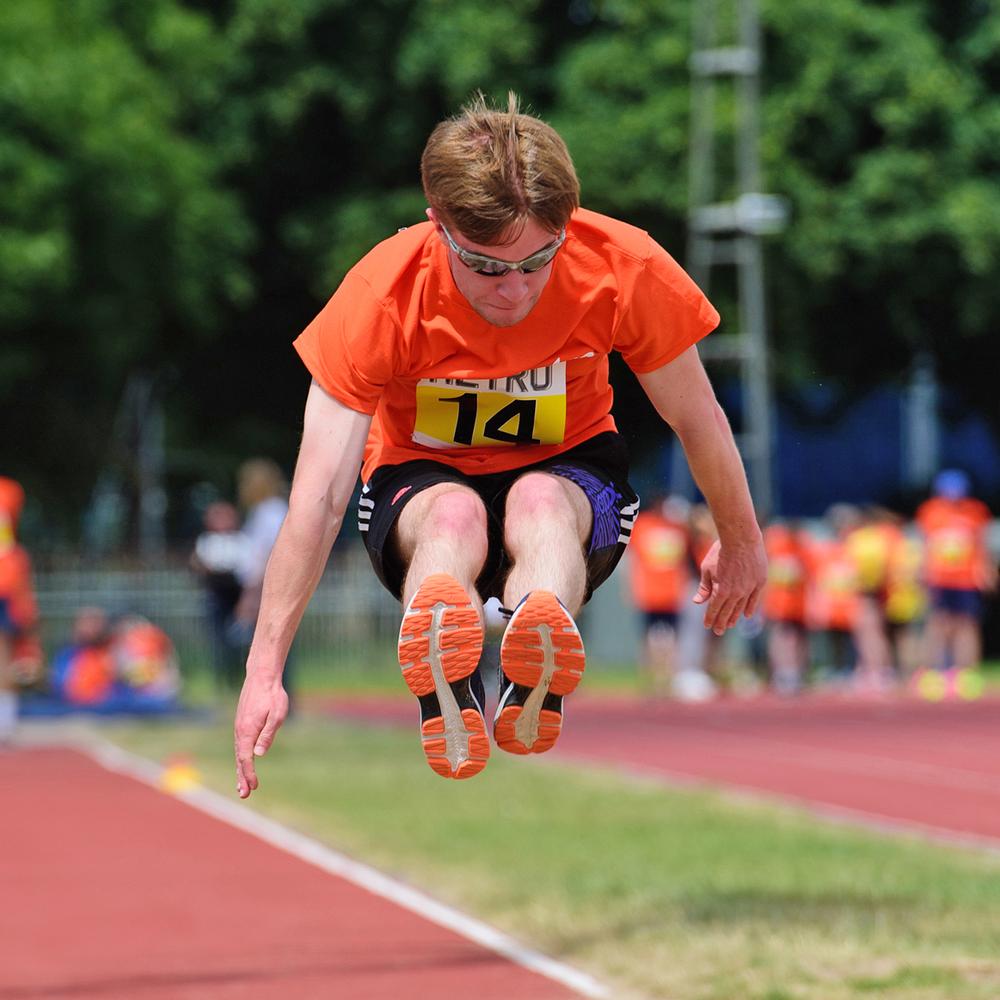
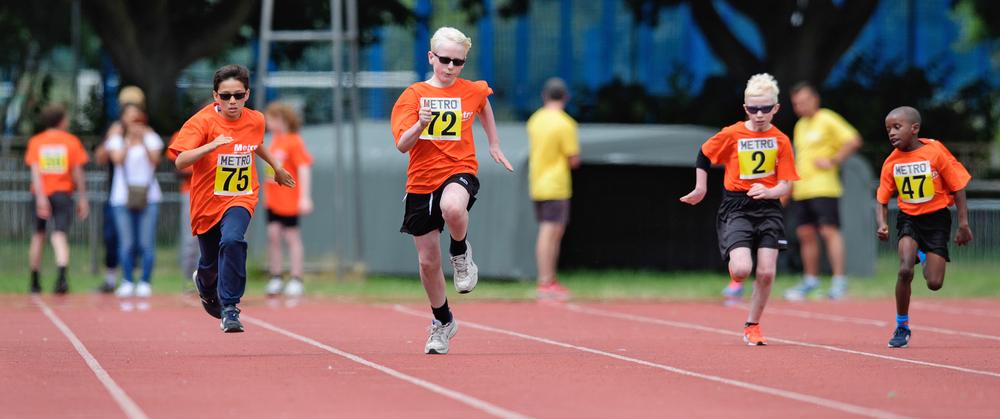
This year, more than 80 VI athletes took part in the annual Metro athletics event
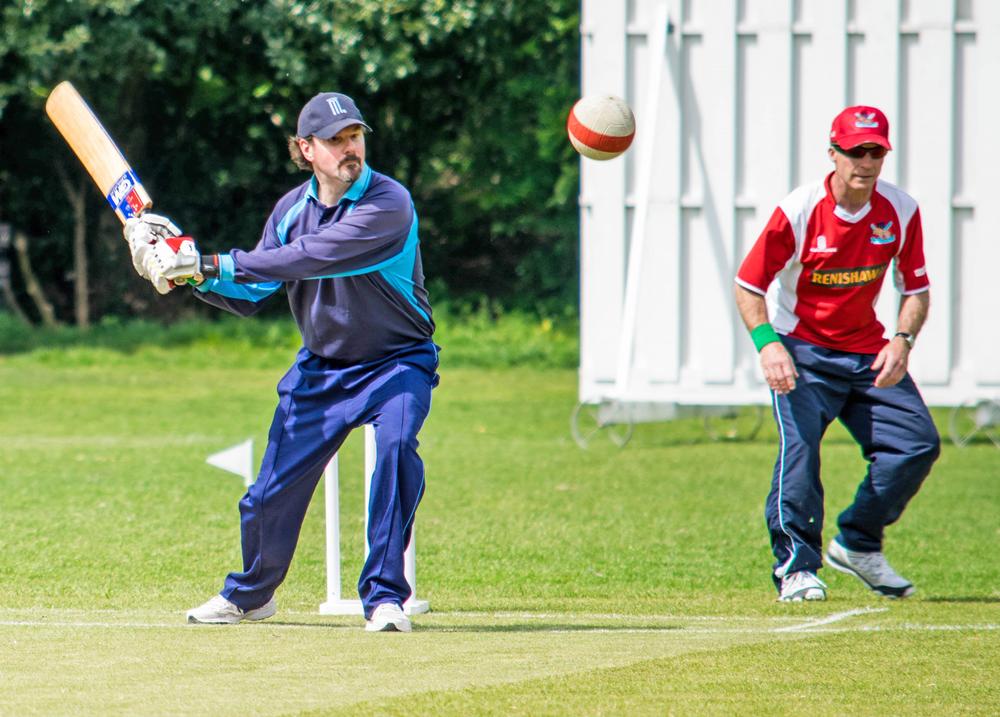
Metro Blind Sport began when a group of VI people arranged to play cricket and football matches together
Metro members can either play sport for fun or they can compete
Participating in sport can increase confidence, improve social interaction and help improve balance and sensory awareness
Metro helped introduce VI Tennis to the UK, which now has more players and tournaments than any other country
CoverMe, the global leader in fitness workforce management, today launches CoverMe PT, an
on-demand personal training platform that connects the right personal trainer to the right
client in under 10 seconds. [more...]
Celebrating its milestone 5th anniversary, W3Fit EMEA returns in 2026 with an unmissable
gathering of the Health & Fitness industry’s most influential leaders. [more...]
Metro Blind Sport has been supporting Londoners with
vision impairment to play sport for 45 years. Newly appointed CEO Martin Symcox discusses the importance of such organisations to the lives of members, and how he plans to make even more of an impact
What does Metro Blind Sport do? Metro Blind Sport is a small but dynamic charity that opens up sporting opportunities to blind and partially sighted people of all ages and sporting abilities, primarily living within Greater London. Our core sports include archery, athletics, bowls, cricket, football and tennis.
Metro Blind Sport engages qualified coaches who make small adaptations to sports to allow visually impaired people to take part. In addition, through fundraising initiatives, we purchase specialised equipment such as sound balls for tennis, and tripod alignment aids for archery.
Metro can also offer financial support to members by way of subsidies.
Our sports are open to all ages and abilities, and participants can take part just for fun or to compete. Several of our members regularly take part in regional, national and international events.
How and when did the organisation start? And how has it evolved over the years? Metro Blind Sport was founded in 1973 by an inspirational group of young blind and partially sighted people who were not prepared to accept the expectations and restrictions of the day – chess and country walks were not enough for them! This group of people arranged to play cricket and football matches between themselves, before expanding it to playing in knockout competitions with other teams and taking part in league matches.
Over the years other sports teams were created under the Metro Blind Sport name. The first Metro annual athletics event took place in 1977 and has continued each year. The event was started – and continues to be organised – by Roy Smith MBE, a former Paralympian.
One of the greatest achievements was the influence Metro Blind Sport had in bringing VI Tennis to the UK. VI Tennis began in the UK in 2007 and was driven by volunteers from Metro. It started out with practice games between Metro members and soon became an event that was enjoyed up and down the country. Metro organised the regional and national tournaments before handing over the responsibilities to the Tennis Foundation a few years ago. The UK now boasts the largest number of players actively practising Blind Tennis and the largest number of tournaments.
You recently became CEO. What attracted you to the role? I was particularly attracted to the breadth of sports that Metro Blind Sport delivers and the variety of opportunities that are available to support individuals.
Having worked previously as a director for the Royal Life Saving Society UK, I’m passionate about effecting change that improves people’s lives. I feel I have an opportunity here to really benefit people with a visual impairment.
It’s an exciting time to be working in disability sport, with the government and Sport England supporting work that engages people from under-represented groups in sport and physical activity.
How do you attract members? We receive a lot of members through word of mouth. Metro Blind Sport has benefitted from strong connections – being established over the past 40 years. With little sporting provision available in the past, we have often been the starting point for participation. As those that have participated have seen the benefits, they have been our best advocates.
In more recent years we’ve attended a significant amount of networking events in the sight loss sector and the sport and leisure sector to share the work that we do. It is hoped we can continue to have an increased presence at these events to not only talk about Metro Blind Sport but also increase the awareness of the barriers that visually impaired people face in accessing physical activity opportunities.
How do you attract volunteers? Volunteers are key to our success and we couldn’t achieve as much if we didn’t have this loyal group of people supporting us.
Volunteers are required to help in several areas and they don’t always need to be knowledgeable about the sports that we deliver. We need volunteers to act as pilots for our tandem cyclists, to identify where a bowler has landed their shot, to guide people to events and activities, to run alongside competitors at our annual athletics event and much more.
One great example of a partnership is through our tennis programme. One volunteer has linked directly with the local Duke of Edinburgh scheme. Each week we have student volunteers helping collect balls, set up and set down courts as part of their Duke of Edinburgh Award.
How does sport impact the lives of people with vision impairment? Royal National Institute of Blind People (RNIB) research has shown that 64 per cent of VI people would like to be more physically active and 57 per cent felt that their sight loss was a barrier to being physically active. Around two million people in the UK are living with sight loss that significantly impacts upon their lives, with the number of people potentially denied the ability to maintain or improve their health being substantial.
Many visually impaired people are constantly told they can’t do sport. Mainstream PE teachers can often be unsure how to integrate VI students into their sessions. Some VI people may not have tried sport since school.
Sport can have many benefits for people living with a visual impairment. Aside from the obvious health benefits that come with taking part in physical activity, sport can improve social interaction and increase opportunities to interact inside and outside of a sporting environment. It can improve a person’s self-efficacy, which will have considerable benefits in everyday life as well as helping with improvements in balance and sensory awareness.
One member has said: “I didn’t just discover cricket at Metro Blind Sport, I discovered independence, freedom and a new lease of life. Cricket became the vehicle to greater things in life, such as university, volunteering, employment, living on my own and the greatest achievement of all, representing my country”.
What are your plans for Metro? I aim, alongside my newly appointed sports development officer, to be focused on providing support for our core sports, as these are the foundation of our activity. I would like to see the expansion of these sports and introduce new sports to our members.
Like many smaller charities, we’re reliant on volunteer support and it’s my intention to work alongside partners to increase the number of people volunteering for Metro.
Early in the new year we’ll be launching a series of sporting videos for VI tennis, cricket, bowls and tandem cycling that aim to not only raise awareness of the sports, but also to highlight rules, coaching tips and what you need to get started. Adaptations to sports are often minimal and while some specialised equipment is necessary, it is not expensive to set these sports up in facilities.
I would also like to tackle some of the barriers to participation for VI people, such as lack of transport to venues/activities, cost of participating, low confidence, concerns about the level of ability, awareness of opportunities on offer, matters of safety and accessibility of suitable facilities and visual awareness knowledge of staff.
Fit for VI use
At the beginning of this year Metro Blind Sport was involved with research on inclusive fitness equipment for visually impaired people. The project was commissioned by Thomas Pocklington Trust and conducted by RICA (Research Institute for Consumer Affairs). The research objective was to investigate the development and provision of electronic fitness equipment for visually impaired users, with a specific focus on the accessibility of screen-based consoles, and the needs and experiences of users.
The recommendations of the report highlighted that there’s an increased need to introduce audio output and voice-over technology for electronic fitness equipment; improve staff training and communication procedures; and implement a voluntary buddy scheme at all public sector leisure centres to assist visually impaired users and other disabled users.
Metro plans to tackle these recommendations to ensure that VI people can benefit from the advantages that are gained from physical activity.
This year, more than 80 VI athletes took part in the annual Metro athletics event
Metro Blind Sport began when a group of VI people arranged to play cricket and football matches together
Metro members can either play sport for fun or they can compete
Participating in sport can increase confidence, improve social interaction and help improve balance and sensory awareness
Metro helped introduce VI Tennis to the UK, which now has more players and tournaments than any other country
Premium London health club, KX Chelsea, will imminently unveil its most significant
redevelopment since its launch in 2002 to create an integrated wellness model combining
training, recovery and relaxation.
Researchers in the US have identified an antibody which could greatly reduce the loss of lean
muscle mass in people who are taking weight-loss medications.
Crunch Fitness has announced the launch of Crunch Reform Pilates – its own reformer concept
designed to bring this fast growing, but rather expensive, modality into the mainstream.
The 20th State of the Industry Report reveals a resilient, expanding and competitive
sector, the
importance of differentiation and the ongoing challenge of tackling inequalities.
Nuffield Health has told HCM that it takes its responsibilities towards its colleagues seriously
and is committed to meeting all legal obligations after news of a tribunal has made national
headlines.
Technogym has announced the launch of the Run X World Treadmill Championship, the first
world championship for running on connected treadmills over five kilometres.
CoverMe, the global leader in fitness workforce management, today launches CoverMe PT, an
on-demand personal training platform that connects the right personal trainer to the right
client in under 10 seconds. [more...]
Celebrating its milestone 5th anniversary, W3Fit EMEA returns in 2026 with an unmissable
gathering of the Health & Fitness industry’s most influential leaders. [more...]