Life Leisure’s Stockport Sports Village (SSV) facility was recently named National Leisure Centre/Health Club of the Year at the ukactive Awards, and the organisation has just won its first out-of-area contract. CEO Malcolm McPhail explains how these successes boil down to business agility
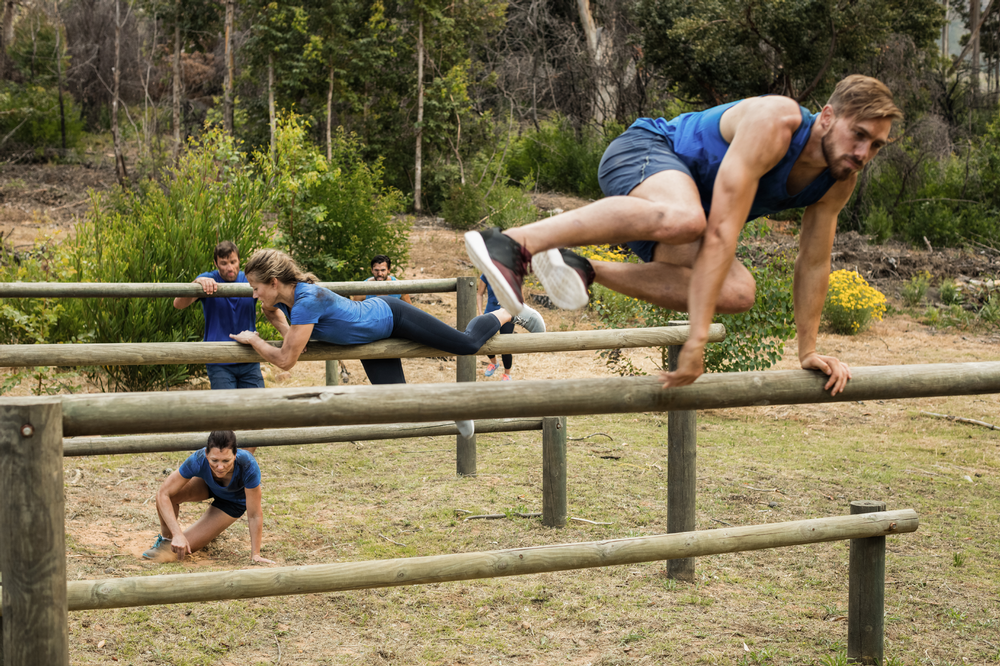
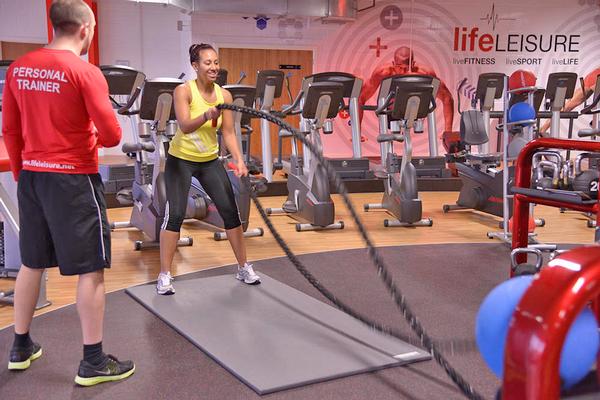
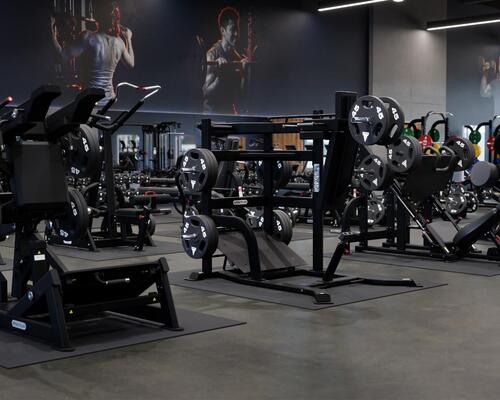
After seeing the trend grow, Life Leisure created an Obstacle Course Racing training facility and event at Stockport Sports Village
There are now more than 7,000 gyms in the UK; one in every seven people living in Britain is a member. With new entrants – whether boutique or budget – emerging from every corner and big players continuing to expand, the market for operators is both buoyant and challenging. Differentiation in such a competitive landscape dictates who sinks and swims. But how?
For many, diversification is key. Ensuring we continue to engage and attract new audiences in new and diverse ways has always been a key driver for our industry – for us that has often involved thinking and delivering beyond the confines of our ‘comfort zone’ in order to respond to and capitalise on both current and future consumer trends with agility. This has involved thinking of avenues to help those who are more difficult to convert to a healthier lifestyle or who face barriers to getting more active. It’s something we have had a lot of previous success with, for example our Avondale Health Hub was designed with people who “hate gyms” in mind.
But there is a caveat: the process can’t be forced. Customers will spot a cynical attempt to ‘cash in’ a mile off.
Logical but brave Diversification into new areas works best when it follows a logical decision path, one that usually comes with some level of risk. For instance, in creating our Obstacle Course Racing (OCR) training facility, we analysed the training styles and activities (group exercise, boot camps, resistance, etc.) that are most popular at our facilities, along with trends emerging elsewhere, and matching that with the rise in popularity of OCR.
We also considered the lack of provision in our region and the ground-space we had available, and decided that not only did it make sense for us to launch an OCR brand and event – Tough Tribe – we needed to take things a step further. It made sense to create a permanent OCR training facility; one that would appeal to members already training with us, but, more importantly, one that would allow us to attract a completely new audience.
I should stress that I don’t believe successful diversification always means investment in new facilities or infrastructure. It can be as simple as seeing existing services in a different light, or tweaking programming to suit different audiences.
Ask the question ‘what if we just did that a little differently?’ and the answer will open up entirely new income streams. But you have to be brave, it won’t happen by chance.
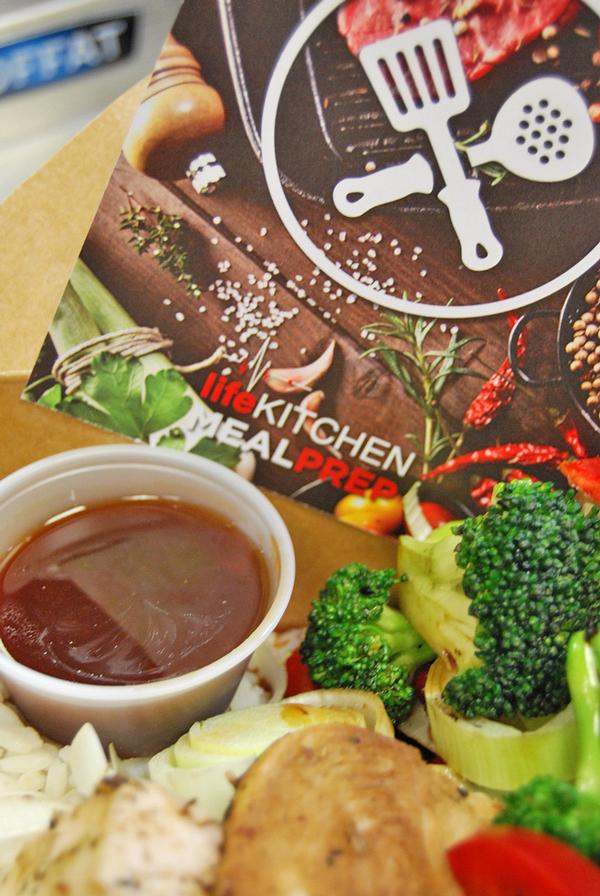
For example, our trainers are always talking to members about their whole lifestyle approach, including advising on nutrition that will benefit their workouts and exercise objectives. So why, we asked ourselves, stop at advice? How could we develop our product and support them further? So, we diversified into clean eating meal prep, to make healthy food more convenient for members by providing our own ‘Life Kitchen’ brand.
This was a logical step based on knowing what would appeal to and attract consumers, rather than a leap of faith just for the sake of change. Overall health is, after all, becoming a high street trend – we simply recognised that we had the ideal target market regularly using our facilities.
Attention to detail There is an important point to be learned here. Successfully diversifying into new services is not something you can go into without commitment to detail.
Yes, the clean eating meal prep idea ticked all the right boxes. We knew it was something existing members wanted and that it would actually help many achieve their ‘joining mission’ – to lose weight/improve fitness. We knew the concept was starting to have a much wider appeal with athletes, with many Premier League footballers buying into the idea, as well as with the public. It reflected a key consumer trend and so, in theory, would appeal to new audiences. Building clean eating provision into our service offering would also support the key fitness industry trend of one-stop wellness – the desire for, and expectation of, wellness support factors linked and provided cohesively to individuals as a convenient package.
But even with all these plus points, these factors alone were not enough to guarantee the best chance of success. You need to do more.
We researched high street clean eating providers and their menus, consulted our customers, prepared our own samples and ran focus groups. We looked at branding, promotional materials and staff advocacy and were clear about the financial markers we needed to hit. In short, it was pretty much the same approach to launching a new business, just on a micro level.
Diversification is a way to thrive. It’s also a lot of effort, so you really need to get it right. Don’t get me wrong, you will and can make mistakes, but try to do this in the testing and development phases and also learn from the errors others make.
A new way Another lesson we’ve become acutely aware of is that successful diversification isn’t always about delivering a new thing. It can be about delivering things in a new way – such as looking at customer trends and being open to flexibly adopting new operational processes where needed.
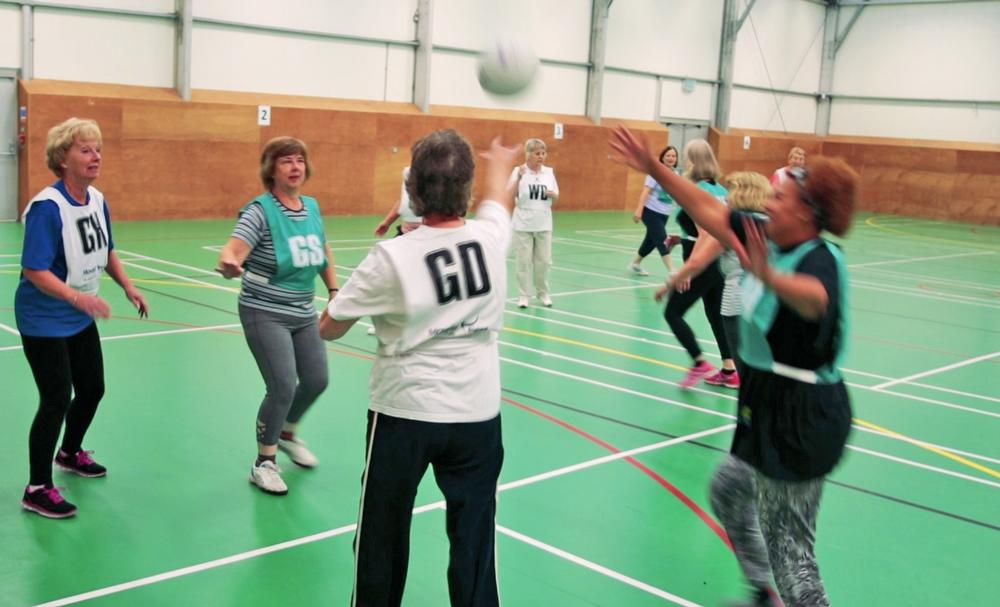
Take personalisation and socialisation, for instance. Personalisation refers to our hunger for ‘me-centric’ products and services – our expectation of receiving something tailored to individual needs. This is by no means unique to leisure, though in this context it commonly manifests in the shape of tailored plans, goal-oriented programmes and one-to-one progress check-ins, etc.
Socialisation, in contrast, is a term increasingly used in a sport and leisure setting to highlight the fact that exercising is now regarded and enjoyed as a social activity, one that plays to the energising value of being part of something bigger; a ‘community’ or a ‘tribe’.
In looking at how we could capitalise on these trends it became apparent that we could adopt a new, smarter way of working that would balance both personalisation and socialisation. We’ve changed our staffing structure and activity planning to recognise, cater for and even create specific social groups or ‘communities’ – characterised by common likes, dislikes and collective goals.
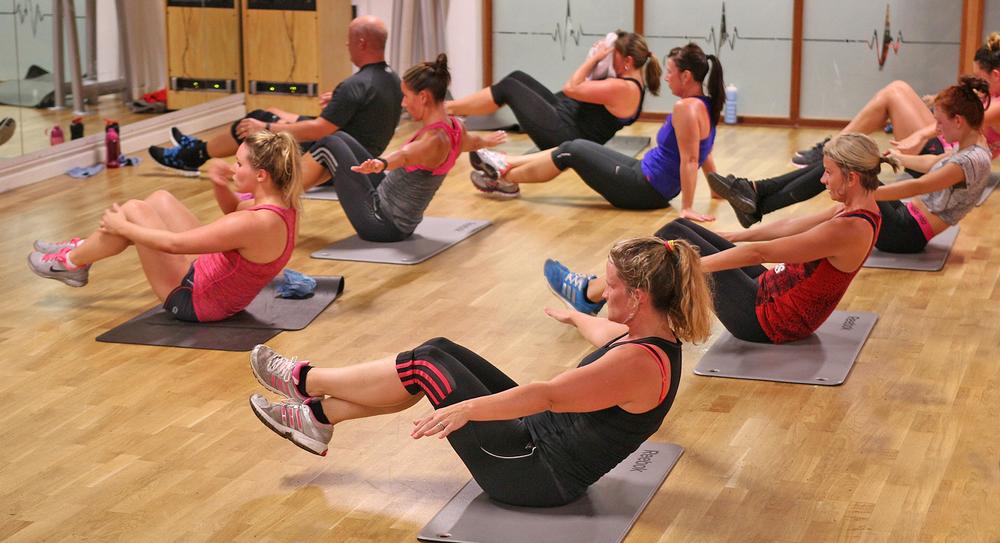
Individuals joining us to improve their overall sense of wellbeing have very different exercise drivers, social interests and attitudes to, say, those who are training to be better at certain types of events or sports. We’ve simply implemented steps to identify which community new and existing members will thrive most in, and tailor their experience accordingly.
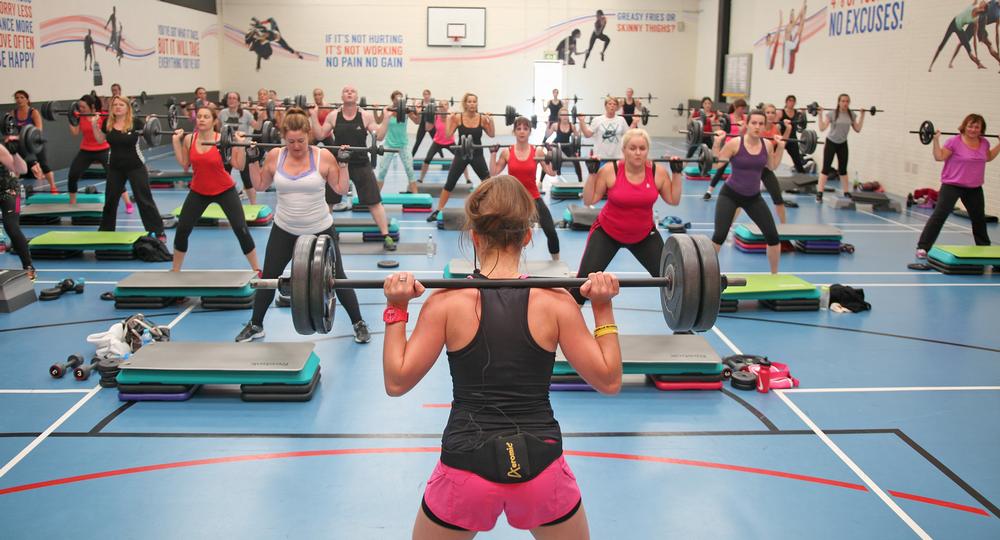
Again, our thinking behind this was logical. It was a business decision ultimately driven by recognising the retention benefits. We knew that group exercise members are our most loyal customers and brand ambassadors. They were already part of something bigger and therefore more invested with us.
Now our community members are also part of something bigger, yet individually they feel that their experience is being tailored to them. Two trends combined to create one fact-backed solution that has taken us down an exciting new path.
Success is built on people One final, but crucial, point to make is that when it comes to diversification, it is staff that will ultimately dictate success.
Team members have to be able to adapt with agility and confidence in order to support business evolution. I strongly believe in prioritising, supporting and rewarding attributes and skills that reflect brand values over and above adherence to job specifications, which are overly narrow in scope. At Life Leisure, for instance, we’ve actually scrapped job descriptions and traditional evaluations to focus on a ‘preferred behaviour model’ that encourages staff to be their ‘personal best’. The initiative recognises and rewards staff that embody what we’ve termed our WATCH principles (Winner, Authenticity, Together, Caring and Happy). Through this behaviour programme any staff member at any level can become a company champion – referred to as Sentinels – and be part of steering groups on new business development areas.
What this approach delivers is a workforce that can do anything. If you commit to helping your team to be the best they can be, they will, in return, want to help, which is hugely valuable. Let’s not forget that in a competitive and crowded market staff retention can be challenging. While diversification is possible with a high staff turnover, it is much, much easier with a loyal team that feels engaged and involved.
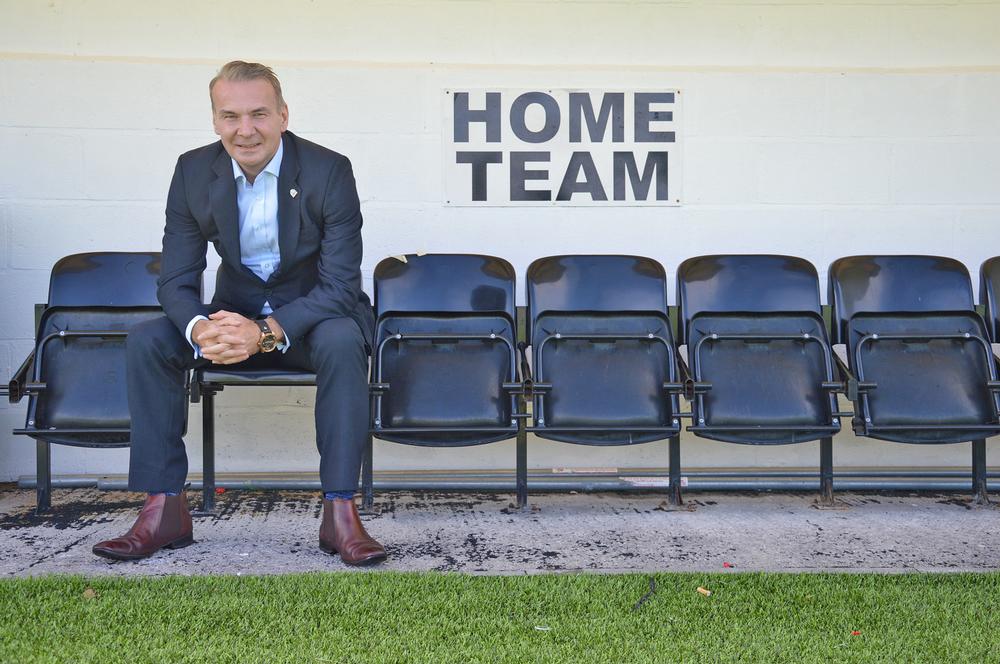
Malcolm McPhail has embraced diversification at Life Leisure
After seeing the trend grow, Life Leisure created an Obstacle Course Racing training facility and event at Stockport Sports Village
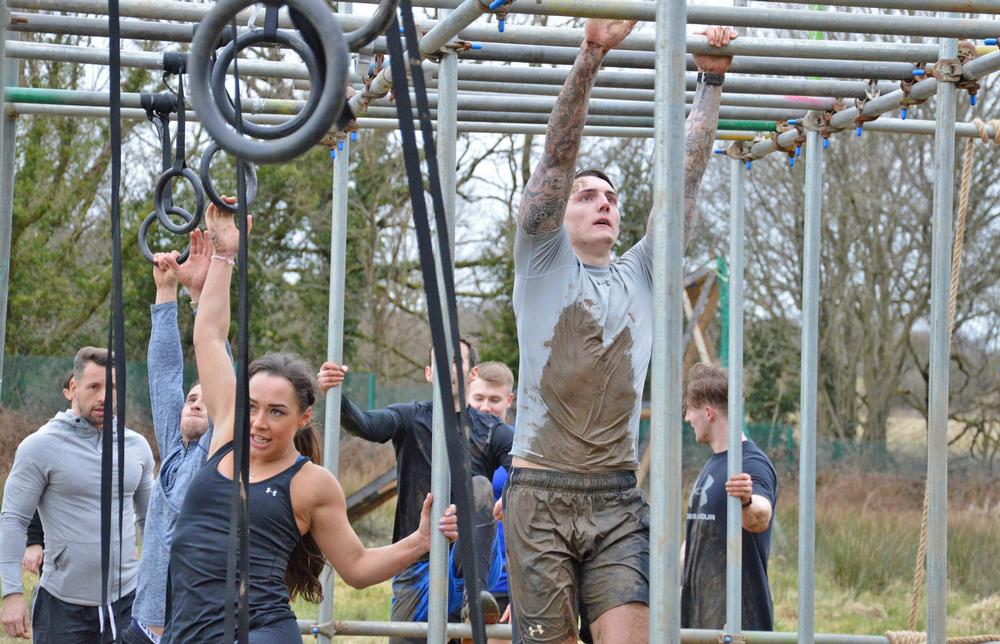
Obstacle Course Racing has allowed Life Leisure to attract a completely new audience
Life Leisure helps members identify which community they will thrive in most
Life Leisure helps members identify which community they will thrive in most
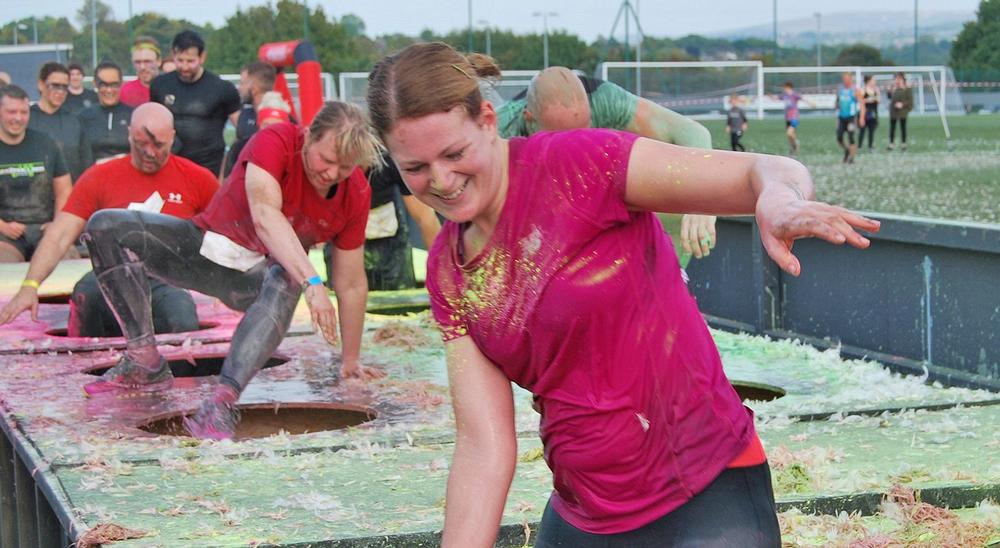
Exercising is now widely regarded and enjoyed as a social activity
Group exercise members are loyal – one of the benefits of creating a community
Panatta brought together four of the most influential figures in bodybuilding history on the
stage of RiminiWellness 2026: Phil Heath, Lee Haney, Ronnie Coleman and Hany Rambod. [more...]
Life Leisure’s Stockport Sports Village (SSV) facility was recently named National Leisure Centre/Health Club of the Year at the ukactive Awards, and the organisation has just won its first out-of-area contract. CEO Malcolm McPhail explains how these successes boil down to business agility
After seeing the trend grow, Life Leisure created an Obstacle Course Racing training facility and event at Stockport Sports Village
There are now more than 7,000 gyms in the UK; one in every seven people living in Britain is a member. With new entrants – whether boutique or budget – emerging from every corner and big players continuing to expand, the market for operators is both buoyant and challenging. Differentiation in such a competitive landscape dictates who sinks and swims. But how?
For many, diversification is key. Ensuring we continue to engage and attract new audiences in new and diverse ways has always been a key driver for our industry – for us that has often involved thinking and delivering beyond the confines of our ‘comfort zone’ in order to respond to and capitalise on both current and future consumer trends with agility. This has involved thinking of avenues to help those who are more difficult to convert to a healthier lifestyle or who face barriers to getting more active. It’s something we have had a lot of previous success with, for example our Avondale Health Hub was designed with people who “hate gyms” in mind.
But there is a caveat: the process can’t be forced. Customers will spot a cynical attempt to ‘cash in’ a mile off.
Logical but brave Diversification into new areas works best when it follows a logical decision path, one that usually comes with some level of risk. For instance, in creating our Obstacle Course Racing (OCR) training facility, we analysed the training styles and activities (group exercise, boot camps, resistance, etc.) that are most popular at our facilities, along with trends emerging elsewhere, and matching that with the rise in popularity of OCR.
We also considered the lack of provision in our region and the ground-space we had available, and decided that not only did it make sense for us to launch an OCR brand and event – Tough Tribe – we needed to take things a step further. It made sense to create a permanent OCR training facility; one that would appeal to members already training with us, but, more importantly, one that would allow us to attract a completely new audience.
I should stress that I don’t believe successful diversification always means investment in new facilities or infrastructure. It can be as simple as seeing existing services in a different light, or tweaking programming to suit different audiences.
Ask the question ‘what if we just did that a little differently?’ and the answer will open up entirely new income streams. But you have to be brave, it won’t happen by chance.
For example, our trainers are always talking to members about their whole lifestyle approach, including advising on nutrition that will benefit their workouts and exercise objectives. So why, we asked ourselves, stop at advice? How could we develop our product and support them further? So, we diversified into clean eating meal prep, to make healthy food more convenient for members by providing our own ‘Life Kitchen’ brand.
This was a logical step based on knowing what would appeal to and attract consumers, rather than a leap of faith just for the sake of change. Overall health is, after all, becoming a high street trend – we simply recognised that we had the ideal target market regularly using our facilities.
Attention to detail There is an important point to be learned here. Successfully diversifying into new services is not something you can go into without commitment to detail.
Yes, the clean eating meal prep idea ticked all the right boxes. We knew it was something existing members wanted and that it would actually help many achieve their ‘joining mission’ – to lose weight/improve fitness. We knew the concept was starting to have a much wider appeal with athletes, with many Premier League footballers buying into the idea, as well as with the public. It reflected a key consumer trend and so, in theory, would appeal to new audiences. Building clean eating provision into our service offering would also support the key fitness industry trend of one-stop wellness – the desire for, and expectation of, wellness support factors linked and provided cohesively to individuals as a convenient package.
But even with all these plus points, these factors alone were not enough to guarantee the best chance of success. You need to do more.
We researched high street clean eating providers and their menus, consulted our customers, prepared our own samples and ran focus groups. We looked at branding, promotional materials and staff advocacy and were clear about the financial markers we needed to hit. In short, it was pretty much the same approach to launching a new business, just on a micro level.
Diversification is a way to thrive. It’s also a lot of effort, so you really need to get it right. Don’t get me wrong, you will and can make mistakes, but try to do this in the testing and development phases and also learn from the errors others make.
A new way Another lesson we’ve become acutely aware of is that successful diversification isn’t always about delivering a new thing. It can be about delivering things in a new way – such as looking at customer trends and being open to flexibly adopting new operational processes where needed.
Take personalisation and socialisation, for instance. Personalisation refers to our hunger for ‘me-centric’ products and services – our expectation of receiving something tailored to individual needs. This is by no means unique to leisure, though in this context it commonly manifests in the shape of tailored plans, goal-oriented programmes and one-to-one progress check-ins, etc.
Socialisation, in contrast, is a term increasingly used in a sport and leisure setting to highlight the fact that exercising is now regarded and enjoyed as a social activity, one that plays to the energising value of being part of something bigger; a ‘community’ or a ‘tribe’.
In looking at how we could capitalise on these trends it became apparent that we could adopt a new, smarter way of working that would balance both personalisation and socialisation. We’ve changed our staffing structure and activity planning to recognise, cater for and even create specific social groups or ‘communities’ – characterised by common likes, dislikes and collective goals.
Individuals joining us to improve their overall sense of wellbeing have very different exercise drivers, social interests and attitudes to, say, those who are training to be better at certain types of events or sports. We’ve simply implemented steps to identify which community new and existing members will thrive most in, and tailor their experience accordingly.
Again, our thinking behind this was logical. It was a business decision ultimately driven by recognising the retention benefits. We knew that group exercise members are our most loyal customers and brand ambassadors. They were already part of something bigger and therefore more invested with us.
Now our community members are also part of something bigger, yet individually they feel that their experience is being tailored to them. Two trends combined to create one fact-backed solution that has taken us down an exciting new path.
Success is built on people One final, but crucial, point to make is that when it comes to diversification, it is staff that will ultimately dictate success.
Team members have to be able to adapt with agility and confidence in order to support business evolution. I strongly believe in prioritising, supporting and rewarding attributes and skills that reflect brand values over and above adherence to job specifications, which are overly narrow in scope. At Life Leisure, for instance, we’ve actually scrapped job descriptions and traditional evaluations to focus on a ‘preferred behaviour model’ that encourages staff to be their ‘personal best’. The initiative recognises and rewards staff that embody what we’ve termed our WATCH principles (Winner, Authenticity, Together, Caring and Happy). Through this behaviour programme any staff member at any level can become a company champion – referred to as Sentinels – and be part of steering groups on new business development areas.
What this approach delivers is a workforce that can do anything. If you commit to helping your team to be the best they can be, they will, in return, want to help, which is hugely valuable. Let’s not forget that in a competitive and crowded market staff retention can be challenging. While diversification is possible with a high staff turnover, it is much, much easier with a loyal team that feels engaged and involved.
Malcolm McPhail has embraced diversification at Life Leisure
After seeing the trend grow, Life Leisure created an Obstacle Course Racing training facility and event at Stockport Sports Village
Obstacle Course Racing has allowed Life Leisure to attract a completely new audience
Life Leisure helps members identify which community they will thrive in most
Life Leisure helps members identify which community they will thrive in most
Exercising is now widely regarded and enjoyed as a social activity
Group exercise members are loyal – one of the benefits of creating a community
In response to customer demand, Gymnation has unveiled a muscle thobe and ghutra range
for Saudi men that celebrates Saudi culture as well as the region’s growing interest in fitness.
Italian Exhibition Group – the organiser behind industry events Dubai Active and Dubai Muscle
Show – has been appointed to deliver the Health and Wellness Expo and Fire and Safety Expo at
the 16th World Firefighters Games.
It’s been five years since the fitness industry reopened after the last lockdown – long enough
to look back on the impact the pandemic had on the sector and what might come next.
Wattbike has announced a new integration with EGYM, which enables the bikes to contribute to
the Cardio BioAge score of individuals via a VO2 max result.
Les Mills has launched a reformer Pilates workout. The 45-minute workout blends traditional
reformer movements and more contemporary exercises, choreographed to music.
According to research which tracked more than 147,000 people for 30 years, 90-120 minutes
of strength training a week may deliver some of the biggest long-term health rewards.
The UK's four Chief Medical Officers have published a refreshed edition of Physical activity
guidelines: UK Chief Medical Officers' report, updating the evidence that underpins the nation's
physical activity recommendations and placing greater emphasis on strength, balance, reducing
sedentary behaviour and, for the first time, supporting people taking weight loss medications.
Places Leisure has exchanged contracts to build and operate a flagship £60m water and leisure
destination on behalf of Basingstoke and Deane Borough Council.
Panatta brought together four of the most influential figures in bodybuilding history on the
stage of RiminiWellness 2026: Phil Heath, Lee Haney, Ronnie Coleman and Hany Rambod. [more...]