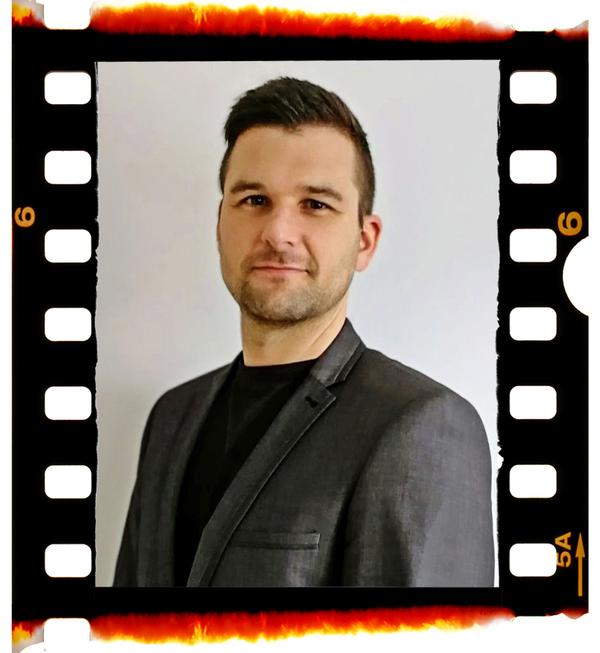
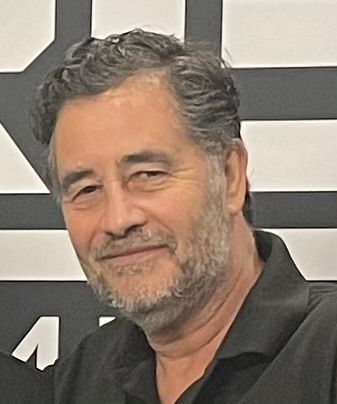
Richard Brown has seen first-hand how physical activity participation can be boosted in a community
Tell us about the re:fresh scheme In 2006/07 Blackburn with Darwen had one of the lowest levels of adult participation in physical activity in the whole country, along with a range of other poor health outcomes. Because of this, Blackburn with Darwen Borough Council and Public Health entered into a unique partnership, investing £6m over an initial three years in the re:fresh initiative, which launched in July 2008 – we’ve just celebrated our 10 year anniversary!
re:fresh is best-known for being a large-scale, free leisure initiative, but it was more than that, there’s a real focus on engaging and enabling people to make a change. A new brand identity – one not associated with the council or NHS – along with boosted capacity for community engagement and more health trainers working with people one-to-one on behaviour change all combined to create an effective activity system.
This succeeded in creating awareness around physical activity, creating more opportunities, removing the price barrier and providing additional support to help people to make that change. It’s a population-wide approach, with targeted interventions within that.
What does the scheme look like today? The concept is largely the same, however, there have been some changes along the way. The biggest change was in summer 2016 where, in response to budget reductions, a £1 charge was introduced for all re:fresh activities. After much discussion and planning this was deemed the best option in terms of equality and ensuring outcomes were still achieved. It allowed the large scale of the offer to remain rather than picking certain activities, locations or demographics to exclude – all of which would have created very specific changes in participation.
When we look back over the past 10 years we know that re:fresh has delivered more than 2.5 million attendances, which is around 40 per cent of all leisure attendances, and we’ve had over 118,000 people apply for a leisure card, so the impact and contribution is huge.
What innovative ideas have been put into practice as part of the scheme? The biggest innovation was the creation of our integrated Wellbeing Service, which launched early 2014. This was to bring all our health improvement and physical activity teams/options under one single point of access, so we can address multiple unhealthy lifestyle behaviours.
The Wellbeing Service has won national awards and has recently been cited by The Kings Fund as a model of best practice for tackling multiple unhealthy behaviours and by the National Institute for Health and Care Excellence for taking behaviour change principles and putting them into use with a service.
The continued success of re:fresh is very much linked into this smarter way of working: taking a person-centred approach to improving wellbeing and lifestyle, with physical activity being an underpinning factor within that. Wider health care professionals refer or direct the most people by far to the Wellbeing Service for our support.
Do you have any plans for new activities/offerings you might implement in the near future? From a population health improvement perspective we’re always exploring and testing new ways of engaging and getting people to become and stay active, but we have nothing large-scale or specific at this stage.
Our real focus currently is doing our best to understand what our inactive population would find interesting or valuable. It’s a question everyone should be asking – you do lots of great stuff, but there are still large numbers of people who don’t engage. Why?
Start to understand that and you’re onto something, whether that be for health outcomes or commercial gain.
How is the scheme funded now? How has it changed since funding was reduced? The re:fresh scheme is still funded by Public Health after all this time.
Health outcomes and value have been demonstrated whenever funding cycles come up for review and we are able to show how it is still effective and represents value for money.
Since 2008, like all local authorities, budgets have reduced and it has been very challenging. Funding is at a lower level than when it started, but at every step of the way we’ve had to adapt to ensure the scheme remained fit for purpose and still achieves the outcomes required.
What best practice evidence can you share with other operators? To work at scale, you need to do the things that don’t scale very well. Working with people on a one-to-one basis to make a big difference in their life – understanding their real barriers, really engaging with community groups and getting them to be part of the solution. Get these intensive and difficult things right to provide the ingredients to help you work at scale more effectively.
It may sound counter-intuitive, but don’t just focus on physical activity! The evidence is strong for the benefits of physical activity, but it’s also essential to consider the whole person and what could improve their wellbeing in the wider sense.
If you want to engage health professionals in enabling people to access your services, keep it really simple and be very consistent. If there are multiple options for people, with different eligibility criteria, etc, you’re setting yourself up for failure.
Other professionals are busy and will forget. If they need to learn too much to make use of what you’re offering, they just won’t, or they’ll send the wrong types of people your way in error.
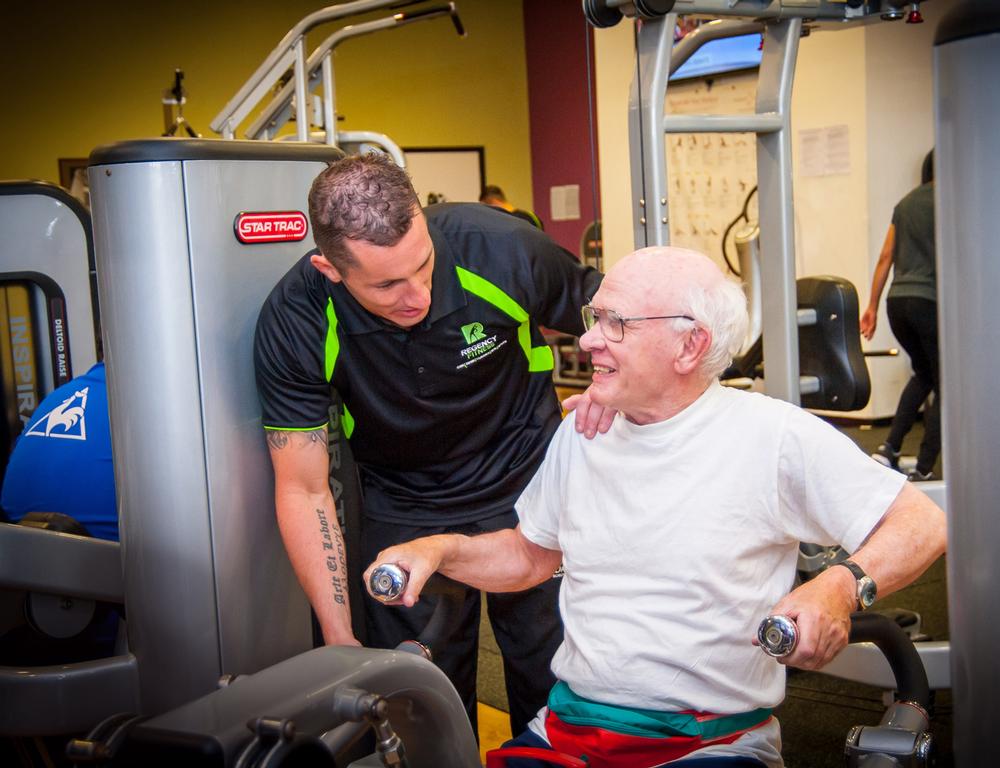
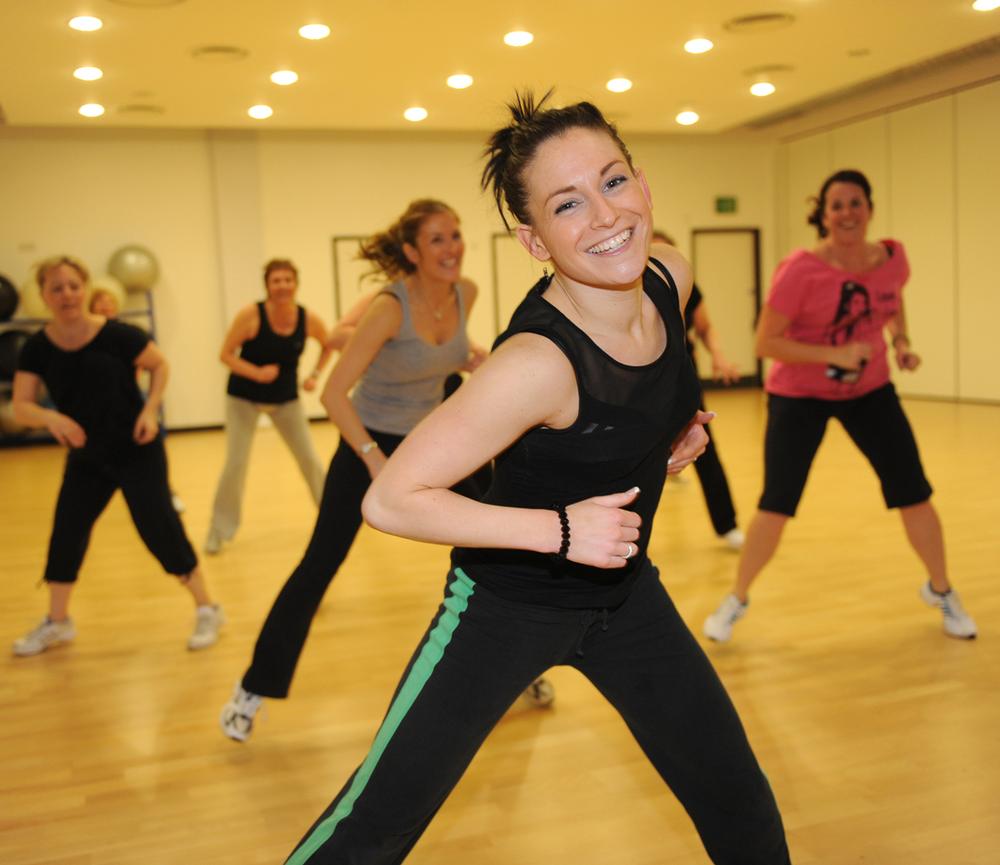
The re:fresh scheme took a person-centred approach to getting people active
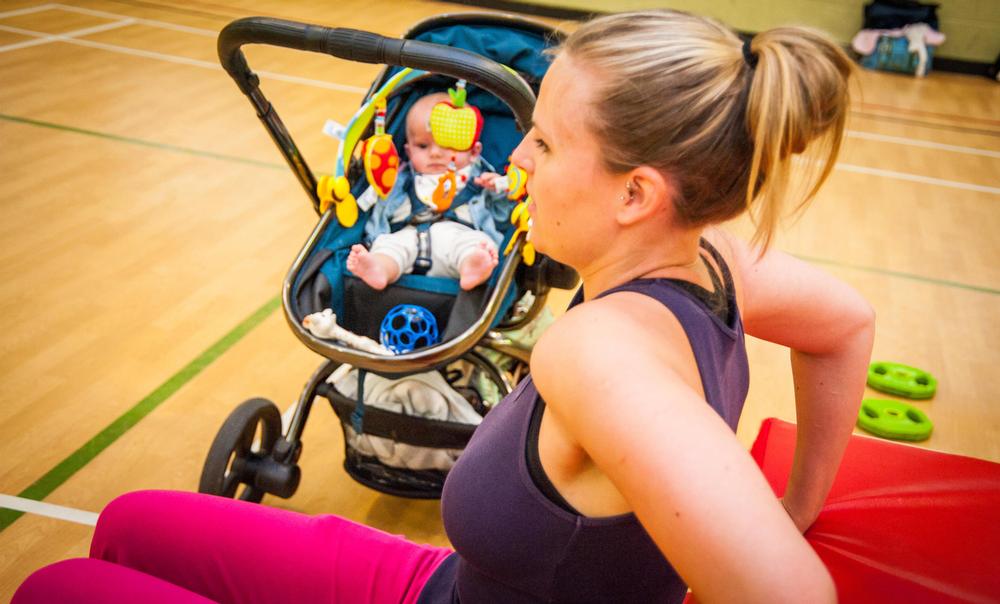
The scheme removed the price barrier and provided more support to help people get physically active
The scheme removed the price barrier and provided more support to help people get physically active
Panatta brought together four of the most influential figures in bodybuilding history on the
stage of RiminiWellness 2026: Phil Heath, Lee Haney, Ronnie Coleman and Hany Rambod. [more...]
Active Blackpool is deploying Cornerstone Connect, a new digital interface allowing
disparate information from multiple systems to be aggregated into one dataset, to support
its focus on reducing health inequalities and improving healthy life expectancy. [more...]
+ More featured suppliers
COMPANY PROFILES
Precor
Precor promises precision-quality products with steadfast reliability that are inspired by exerciser [more...]
PSLT Ltd
PSLT Fitness Solutions manufacture, remanufacture and buy back commercial gym equipment. [more...]
Richard Brown has seen first-hand how physical activity participation can be boosted in a community
Tell us about the re:fresh scheme In 2006/07 Blackburn with Darwen had one of the lowest levels of adult participation in physical activity in the whole country, along with a range of other poor health outcomes. Because of this, Blackburn with Darwen Borough Council and Public Health entered into a unique partnership, investing £6m over an initial three years in the re:fresh initiative, which launched in July 2008 – we’ve just celebrated our 10 year anniversary!
re:fresh is best-known for being a large-scale, free leisure initiative, but it was more than that, there’s a real focus on engaging and enabling people to make a change. A new brand identity – one not associated with the council or NHS – along with boosted capacity for community engagement and more health trainers working with people one-to-one on behaviour change all combined to create an effective activity system.
This succeeded in creating awareness around physical activity, creating more opportunities, removing the price barrier and providing additional support to help people to make that change. It’s a population-wide approach, with targeted interventions within that.
What does the scheme look like today? The concept is largely the same, however, there have been some changes along the way. The biggest change was in summer 2016 where, in response to budget reductions, a £1 charge was introduced for all re:fresh activities. After much discussion and planning this was deemed the best option in terms of equality and ensuring outcomes were still achieved. It allowed the large scale of the offer to remain rather than picking certain activities, locations or demographics to exclude – all of which would have created very specific changes in participation.
When we look back over the past 10 years we know that re:fresh has delivered more than 2.5 million attendances, which is around 40 per cent of all leisure attendances, and we’ve had over 118,000 people apply for a leisure card, so the impact and contribution is huge.
What innovative ideas have been put into practice as part of the scheme? The biggest innovation was the creation of our integrated Wellbeing Service, which launched early 2014. This was to bring all our health improvement and physical activity teams/options under one single point of access, so we can address multiple unhealthy lifestyle behaviours.
The Wellbeing Service has won national awards and has recently been cited by The Kings Fund as a model of best practice for tackling multiple unhealthy behaviours and by the National Institute for Health and Care Excellence for taking behaviour change principles and putting them into use with a service.
The continued success of re:fresh is very much linked into this smarter way of working: taking a person-centred approach to improving wellbeing and lifestyle, with physical activity being an underpinning factor within that. Wider health care professionals refer or direct the most people by far to the Wellbeing Service for our support.
Do you have any plans for new activities/offerings you might implement in the near future? From a population health improvement perspective we’re always exploring and testing new ways of engaging and getting people to become and stay active, but we have nothing large-scale or specific at this stage.
Our real focus currently is doing our best to understand what our inactive population would find interesting or valuable. It’s a question everyone should be asking – you do lots of great stuff, but there are still large numbers of people who don’t engage. Why?
Start to understand that and you’re onto something, whether that be for health outcomes or commercial gain.
How is the scheme funded now? How has it changed since funding was reduced? The re:fresh scheme is still funded by Public Health after all this time.
Health outcomes and value have been demonstrated whenever funding cycles come up for review and we are able to show how it is still effective and represents value for money.
Since 2008, like all local authorities, budgets have reduced and it has been very challenging. Funding is at a lower level than when it started, but at every step of the way we’ve had to adapt to ensure the scheme remained fit for purpose and still achieves the outcomes required.
What best practice evidence can you share with other operators? To work at scale, you need to do the things that don’t scale very well. Working with people on a one-to-one basis to make a big difference in their life – understanding their real barriers, really engaging with community groups and getting them to be part of the solution. Get these intensive and difficult things right to provide the ingredients to help you work at scale more effectively.
It may sound counter-intuitive, but don’t just focus on physical activity! The evidence is strong for the benefits of physical activity, but it’s also essential to consider the whole person and what could improve their wellbeing in the wider sense.
If you want to engage health professionals in enabling people to access your services, keep it really simple and be very consistent. If there are multiple options for people, with different eligibility criteria, etc, you’re setting yourself up for failure.
Other professionals are busy and will forget. If they need to learn too much to make use of what you’re offering, they just won’t, or they’ll send the wrong types of people your way in error.
The re:fresh scheme took a person-centred approach to getting people active
The scheme removed the price barrier and provided more support to help people get physically active
The scheme removed the price barrier and provided more support to help people get physically active
According to research which tracked more than 147,000 people for 30 years, 90-120 minutes
of strength training a week may deliver some of the biggest long-term health rewards.
The UK's four Chief Medical Officers have published a refreshed edition of Physical activity
guidelines: UK Chief Medical Officers' report, updating the evidence that underpins the nation's
physical activity recommendations and placing greater emphasis on strength, balance, reducing
sedentary behaviour and, for the first time, supporting people taking weight loss medications.
Places Leisure has exchanged contracts to build and operate a flagship £60m water and leisure
destination on behalf of Basingstoke and Deane Borough Council.
The Republic of Ireland will become the latest market in PureGym’s expanding international
portfolio, with the first launch planned for Dublin in 2027.
Anytime Fitness opened more than one club a day in 2025 and is on track to maintain this rate
of growth this year, as parent company Purpose Brands targets further international expansion.
The £33.9 million Leighton Leisure and Community Centre has opened in Leighton Buzzard, UK,
creating a next-generation public leisure, health and wellbeing hub for the local community.
Walnuts Leisure Centre in Orpington, in the London Borough of Bromley, has reopened following
a £17m transformation designed to secure the long-term future of the public leisure asset and
reposition it as a community wellbeing hub.
The Gym Group, has announced that it's sustained positive trading momentum has continued
through the first half of 2026 and the company remains confident about the outlook.
Panatta brought together four of the most influential figures in bodybuilding history on the
stage of RiminiWellness 2026: Phil Heath, Lee Haney, Ronnie Coleman and Hany Rambod. [more...]
Active Blackpool is deploying Cornerstone Connect, a new digital interface allowing
disparate information from multiple systems to be aggregated into one dataset, to support
its focus on reducing health inequalities and improving healthy life expectancy. [more...]
+ More featured suppliers
COMPANY PROFILES
Precor Precor promises precision-quality products with steadfast reliability that are inspired by exerciser [more...]