Get HCM digital magazine and ezines FREE
Sign up here ▸
Jobs   News   Features   Products   Magazine      Advertise  
NEWS
Wellness communities offer ‘huge opportunity’ for spas, says panel
POSTED 02 Mar 2017 . BY Jane Kitchen
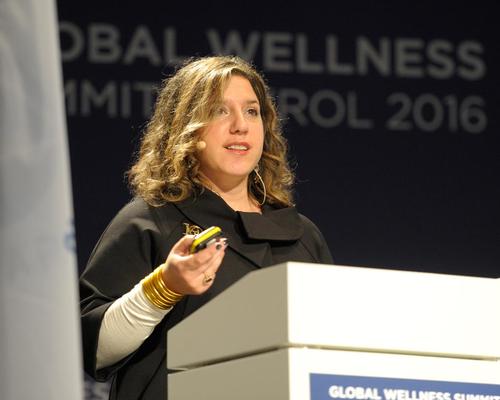
Ben Gill, Professor Terry Stevens and Steve Nygren discuss wellness communities at the World Spa & Wellness Conference in London earlier this week

With these projects, you have a great opportunity to not just exist at the side of things, but to live at the heart of the community
– Mia Kyricos, Kyricos & Associates founder
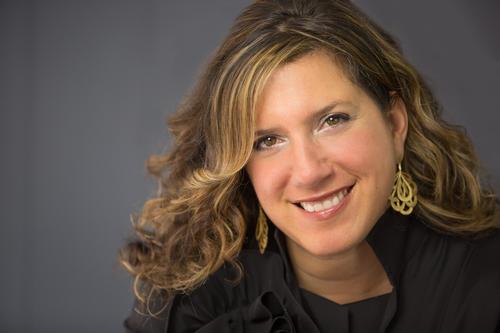
Mia Kyricos, founder of strategic advisory firm Kyricos & Associates, told an audience at the World Spa & Wellness Convention in London that wellness communities grew by 19 per cent from 2013 to 2015, and are worth an estimated US$29bn (€27.5bn, £23.6bn) in Europe and US$48bn (€45.6bn, £39.1bn) in North America.

Kyricos moderated a panel on wellness communities that also included Steve Nygren, president of Serenbe wellness community near Atlanta, US; Ben H Gill, international technical manager for One Planet Communities Programme; and Professor Terry Stevens, founder and managing director of Stevens & Associates.

Stevens said that many of the things we’re looking for in today’s wellness communities are things we took for granted a few generations ago, when we often lived in smaller communities that offered social connections.

“Somewhere in this model of a traditional community, we find what it is we’re looking for on this new horizon,” he said.

Nygren agreed, and said that new regulations have often moved us away from this model.

“The way we lived in our villages 80 or 100 years ago, we had all that we desired,” he said.

Things like local agriculture, social connections, and the ability to spend time in nature are all an important part of life at Serenbe and many other wellness communities, which have been defined by the Global Wellness Institute’s initiative on the subject as “communities and buildings proactively developed with the holistic health of its residents, guests, environment – both natural and built – and local community in mind.”

At Bedzed, a community in south London developed by One Planet, residents know on average more than 20 neighbours by name, said Gill, compared to a national average of eight. This points to a more socially connected community – something that’s proven good for mental wellness.

Stevens said that in order to succeed, wellness communities need to be geographically compact, coherent, and competently managed. “You’re not going to achieve the goals unless there’s competent management,” he said.

Stevens further detailed that several paradigm shifts are helping to fuel the growth of and interest in wellness communities: first, a move toward values not value, where experiences and what something stands for is more important to today’s consumer than what it costs; second, “the rich are buying less but spending more,” said Stevens; and third, “the public sector are recognising that they have to be facilitators but not doers.”

Gill echoed Stevens’ point about buying less but spending more. “Quality can mean different things,” he said. At the One Brighton community in south England, for instance, the quality of the buildings and fixtures is higher, but there is no car park – something those buying into a the community are happy to do without in their quest for well living.

“Millennials and Baby Boomers are both starting to gravitate towards urban environments with a walking grid,” said Nygren. “They want to connect to nature and to each other.”

Looking back at the village model from 100 years ago shows another change, said Stevens: every village had a doctor, who was interested in preventing sickness as much as treating it.

“We have turned our doctors into institutions,” he said. “And there’s a huge opportunity for spas to move into this.”

The panel agreed that wellness communities should include spas, and that they should become part of the culture of vitality and living.

“You have a great opportunity to not just exist at the side of things, but to live at the heart of the community,” said Kyricos.

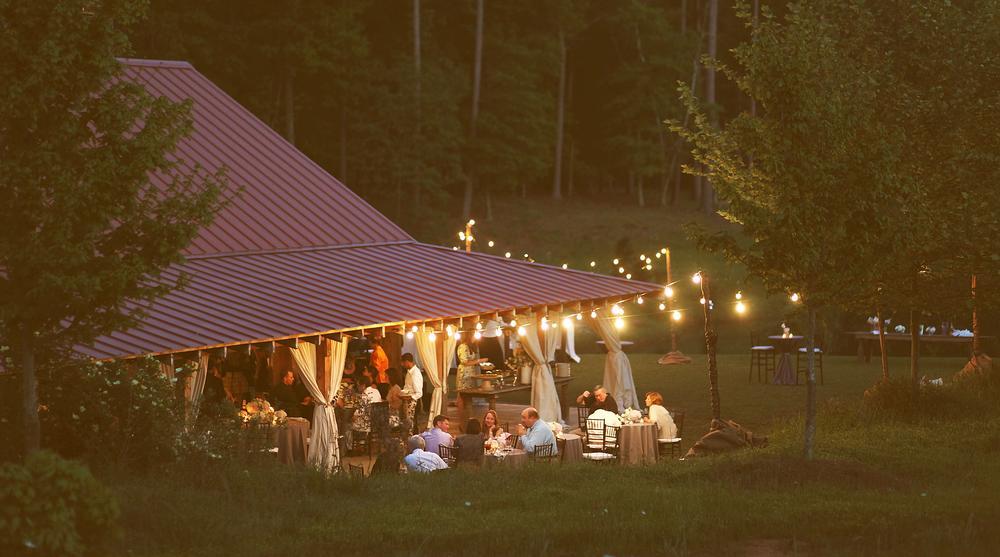
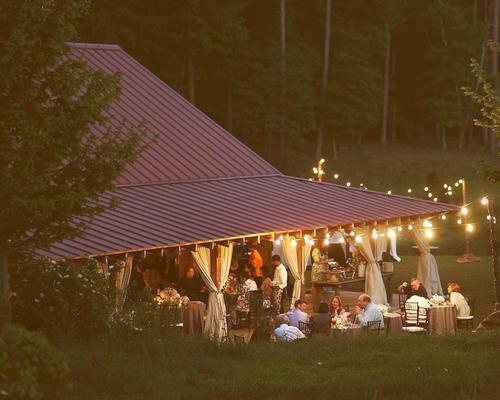
Things like local agriculture, social connections, and the ability to spend time in nature are all an important part of life at Serenbe and many other wellness communities Credit: Serenbe
RELATED STORIES
  Wellness Communities Initiative continues growth


This year, a key emphasis at the Global Wellness Summit was on the Wellness Communities Initiative, spearheaded by Mia Kyricos, who is also founder of strategic advisory firm Kyricos & Associates.
  What three things are necessary to be considered a 'wellness community'? New paper from GWI Initiative aims to define growing real estate segment


The Global Wellness Institute’s Wellness Communities Initiative has written a white paper to address critical issues surrounding the fast-growing wellness real estate market – estimated by the GWI to be a US$100bn (€90bn, £81bn) global marketplace.
  Can placemaking help architects create wellness communities?


The chair of the Global Wellness Institute’s Wellness Communities Initiative has urged architects and developers to embrace placemaking to ensure people live healthy and happy lives.
  Schweder: We are moving from retirement living to wellness communities


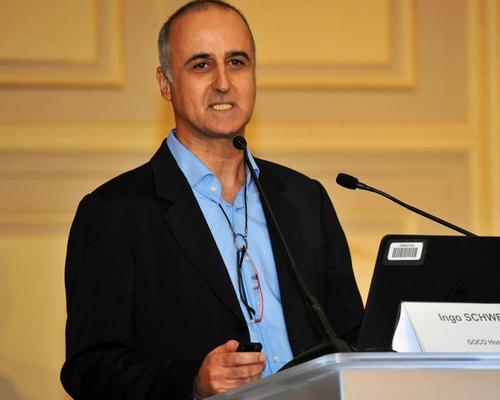
Society is moving from retirement living to wellness communities, according to Ingo Schweder, CEO of GOCO Hospitality, who spoke earlier this month at the Forum Hotel & Spa conference in Paris.
MORE NEWS
Les Mills calls on the industry to support UNICEF
Global group exercise specialist, Les Mills, is inviting operators to sign up to its Workout for the World event on 20 June, in support of UNICEF.
HUM2N opens longevity clinic at Six Senses London
Global luxury hospitality brand, Six Senses, has partnered with longevity healthcare provider, HUM2N, to launch a clinic at Six Senses London, at The Whiteley.
KX Chelsea invests £15 million to upgrade its wellness offering
Premium London health club, KX Chelsea, will imminently unveil its most significant redevelopment since its launch in 2002 to create an integrated wellness model combining training, recovery and relaxation.
Researchers identify a drug which reduces muscle loss when using GLP-1 medications
Researchers in the US have identified an antibody which could greatly reduce the loss of lean muscle mass in people who are taking weight-loss medications.
+ More news   
LATEST JOBS
GP Exercise Referral Instructor
Everyone Active
Salary: £33,000pa + benefits
Job location: Harrow, Middlesex , United Kingdom
Self Employed Personal Trainer
Everyone Active
Salary: Competitive
Job location: Enderby
+ More jobs  

FEATURED SUPPLIERS

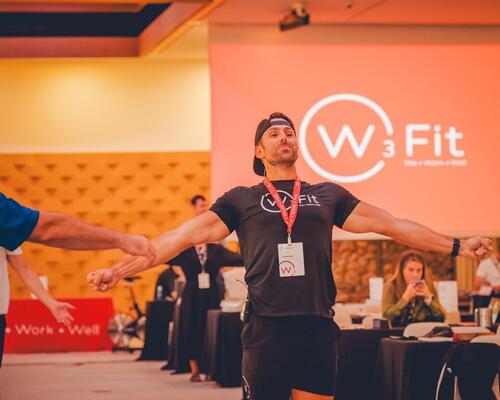
W3Fit EMEA celebrates its fifth anniversary
Celebrating its milestone 5th anniversary, W3Fit EMEA returns in 2026 with an unmissable gathering of the Health & Fitness industry’s most influential leaders. [more...]

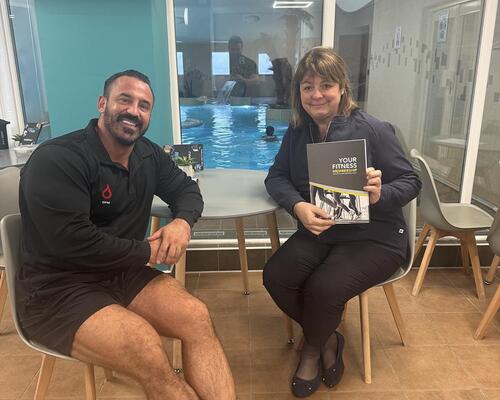
Reaching the people most gyms miss: Bedford Gym & Swim Campaign delivers 410 new members
One of the biggest mistakes the fitness industry still makes is advertising almost exclusively to people who already look and live like gym members. [more...]
+ More featured suppliers  
COMPANY PROFILES
Safe Space Lockers

We provide a full turn-key solution for clients from design and consultation, through to bespoke man [more...]
Everyone Active

Everyone Active operates leisure centres in partnership with local councils across the UK. Today, Ev [more...]
+ More profiles  
CATALOGUE GALLERY
 
+ More catalogues  

DIRECTORY
+ More directory  
DIARY


13-13 Jun 2026

Global Wellness Day

Worldwide, Various,
15-18 Jun 2026

HLTH Europe

RAI Convention Centre, Amsterdam, Netherlands
+ More diary  
 
ABOUT LEISURE MEDIA
LEISURE MEDIA MAGAZINES
LEISURE MEDIA HANDBOOKS
LEISURE MEDIA WEBSITES
LEISURE MEDIA PRODUCT SEARCH
 
HCM
LEISURE OPPORTUNITIES
HEALTH CLUB HANDBOOK
PRINT SUBSCRIPTIONS
FREE DIGITAL SUBSCRIPTIONS
ADVERTISE . CONTACT US

Leisure Media
Tel: +44 (0)1462 431385

©Cybertrek 2026
Get HCM digital magazine and ezines FREE
Sign up here ▸
Jobs    News   Products   Magazine
NEWS
Wellness communities offer ‘huge opportunity’ for spas, says panel
POSTED 02 Mar 2017 . BY Jane Kitchen
Ben Gill, Professor Terry Stevens and Steve Nygren discuss wellness communities at the World Spa & Wellness Conference in London earlier this week
With these projects, you have a great opportunity to not just exist at the side of things, but to live at the heart of the community
– Mia Kyricos, Kyricos & Associates founder
Mia Kyricos, founder of strategic advisory firm Kyricos & Associates, told an audience at the World Spa & Wellness Convention in London that wellness communities grew by 19 per cent from 2013 to 2015, and are worth an estimated US$29bn (€27.5bn, £23.6bn) in Europe and US$48bn (€45.6bn, £39.1bn) in North America.

Kyricos moderated a panel on wellness communities that also included Steve Nygren, president of Serenbe wellness community near Atlanta, US; Ben H Gill, international technical manager for One Planet Communities Programme; and Professor Terry Stevens, founder and managing director of Stevens & Associates.

Stevens said that many of the things we’re looking for in today’s wellness communities are things we took for granted a few generations ago, when we often lived in smaller communities that offered social connections.

“Somewhere in this model of a traditional community, we find what it is we’re looking for on this new horizon,” he said.

Nygren agreed, and said that new regulations have often moved us away from this model.

“The way we lived in our villages 80 or 100 years ago, we had all that we desired,” he said.

Things like local agriculture, social connections, and the ability to spend time in nature are all an important part of life at Serenbe and many other wellness communities, which have been defined by the Global Wellness Institute’s initiative on the subject as “communities and buildings proactively developed with the holistic health of its residents, guests, environment – both natural and built – and local community in mind.”

At Bedzed, a community in south London developed by One Planet, residents know on average more than 20 neighbours by name, said Gill, compared to a national average of eight. This points to a more socially connected community – something that’s proven good for mental wellness.

Stevens said that in order to succeed, wellness communities need to be geographically compact, coherent, and competently managed. “You’re not going to achieve the goals unless there’s competent management,” he said.

Stevens further detailed that several paradigm shifts are helping to fuel the growth of and interest in wellness communities: first, a move toward values not value, where experiences and what something stands for is more important to today’s consumer than what it costs; second, “the rich are buying less but spending more,” said Stevens; and third, “the public sector are recognising that they have to be facilitators but not doers.”

Gill echoed Stevens’ point about buying less but spending more. “Quality can mean different things,” he said. At the One Brighton community in south England, for instance, the quality of the buildings and fixtures is higher, but there is no car park – something those buying into a the community are happy to do without in their quest for well living.

“Millennials and Baby Boomers are both starting to gravitate towards urban environments with a walking grid,” said Nygren. “They want to connect to nature and to each other.”

Looking back at the village model from 100 years ago shows another change, said Stevens: every village had a doctor, who was interested in preventing sickness as much as treating it.

“We have turned our doctors into institutions,” he said. “And there’s a huge opportunity for spas to move into this.”

The panel agreed that wellness communities should include spas, and that they should become part of the culture of vitality and living.

“You have a great opportunity to not just exist at the side of things, but to live at the heart of the community,” said Kyricos.
Things like local agriculture, social connections, and the ability to spend time in nature are all an important part of life at Serenbe and many other wellness communities Credit: Serenbe
RELATED STORIES
Wellness Communities Initiative continues growth


This year, a key emphasis at the Global Wellness Summit was on the Wellness Communities Initiative, spearheaded by Mia Kyricos, who is also founder of strategic advisory firm Kyricos & Associates.

What three things are necessary to be considered a 'wellness community'? New paper from GWI Initiative aims to define growing real estate segment


The Global Wellness Institute’s Wellness Communities Initiative has written a white paper to address critical issues surrounding the fast-growing wellness real estate market – estimated by the GWI to be a US$100bn (€90bn, £81bn) global marketplace.
Can placemaking help architects create wellness communities?


The chair of the Global Wellness Institute’s Wellness Communities Initiative has urged architects and developers to embrace placemaking to ensure people live healthy and happy lives.
Schweder: We are moving from retirement living to wellness communities


Society is moving from retirement living to wellness communities, according to Ingo Schweder, CEO of GOCO Hospitality, who spoke earlier this month at the Forum Hotel & Spa conference in Paris.
MORE NEWS
Les Mills calls on the industry to support UNICEF
Global group exercise specialist, Les Mills, is inviting operators to sign up to its Workout for the World event on 20 June, in support of UNICEF.
HUM2N opens longevity clinic at Six Senses London
Global luxury hospitality brand, Six Senses, has partnered with longevity healthcare provider, HUM2N, to launch a clinic at Six Senses London, at The Whiteley.
KX Chelsea invests £15 million to upgrade its wellness offering
Premium London health club, KX Chelsea, will imminently unveil its most significant redevelopment since its launch in 2002 to create an integrated wellness model combining training, recovery and relaxation.
Researchers identify a drug which reduces muscle loss when using GLP-1 medications
Researchers in the US have identified an antibody which could greatly reduce the loss of lean muscle mass in people who are taking weight-loss medications.
Peloton signals potential move into reformer Pilates with Skop acquisition
Peloton has made the strategic acquisition of the Pilates start-up, Skōp, to support the expansion of its strength ecosystem.
Crunch Fitness creates more affordable reformer Pilates concept
Crunch Fitness has announced the launch of Crunch Reform Pilates – its own reformer concept designed to bring this fast growing, but rather expensive, modality into the mainstream.
+ More news   
 
FEATURED SUPPLIERS

W3Fit EMEA celebrates its fifth anniversary
Celebrating its milestone 5th anniversary, W3Fit EMEA returns in 2026 with an unmissable gathering of the Health & Fitness industry’s most influential leaders. [more...]

Reaching the people most gyms miss: Bedford Gym & Swim Campaign delivers 410 new members
One of the biggest mistakes the fitness industry still makes is advertising almost exclusively to people who already look and live like gym members. [more...]
+ More featured suppliers  
COMPANY PROFILES
Safe Space Lockers

We provide a full turn-key solution for clients from design and consultation, through to bespoke man [more...]
+ More profiles  
CATALOGUE GALLERY
+ More catalogues  

DIRECTORY
+ More directory  
DIARY


13-13 Jun 2026

Global Wellness Day

Worldwide, Various,
15-18 Jun 2026

HLTH Europe

RAI Convention Centre, Amsterdam, Netherlands
+ More diary  


ADVERTISE . CONTACT US

Leisure Media
Tel: +44 (0)1462 431385

©Cybertrek 2026

ABOUT LEISURE MEDIA
LEISURE MEDIA MAGAZINES
LEISURE MEDIA HANDBOOKS
LEISURE MEDIA WEBSITES
LEISURE MEDIA PRODUCT SEARCH
PRINT SUBSCRIPTIONS
FREE DIGITAL SUBSCRIPTIONS