NEWS
 |
| Ninety per cent of sports bodies have no ethnic minority representation at senior level |
|
| POSTED 22 Nov 2016 . BY Matthew Campelli |
|
|
|
|

|
|
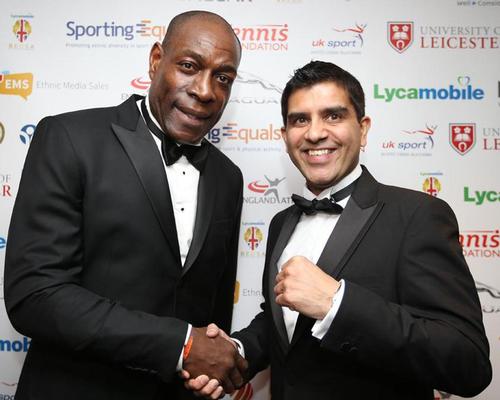
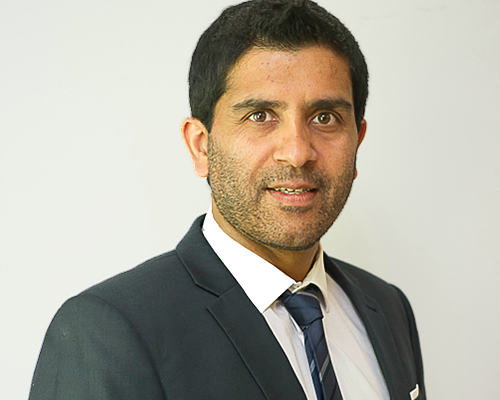
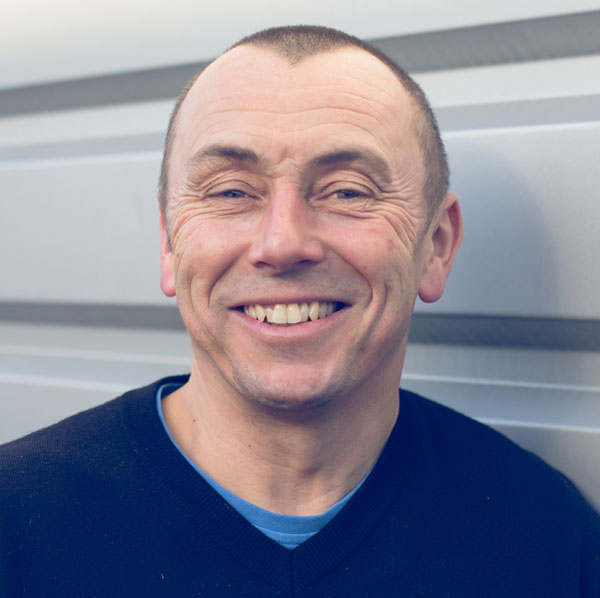
Sporting Equals CEO Arun Kang (right) unveiled the resource in London today (22 November)
|
|
|
|
|
Sport England has earmarked a “six-figure investment” fund to address the shocking dearth of ethnic minority board members and executives in the sports industry.
The grassroots sports quango has partnered with equality body Sporting Equals to launch the LeaderBoard programme, which will provide training, mentoring and coaching opportunities for black, Asian and minority ethnic (BAME) candidates.
During an event in London in which the initiative was unveiled, former BBC journalist and Sport England executive Mihir Warty revealed shocking statistics about the current state of the industry.
His presentation showed that of the 68 national governing bodies (NGBs) that provided data for the LeaderBoard study, 61 had no BAME senior leaders (90 per cent).
Of the 601 board positions, only 26 were from a BAME background, with only one chief executive and one chair from an ethnic origin.
Sport England director of sport Phil Smith told an audience that included shadow sports minister Dr Rosena Allin-Khan, current and former BAME athletes and several NGB representatives that the “status quo was not good enough”.
As well as talking through the initiative, Smith gave a snapshot of the UK Sports Governance Code which was published by Sport England and UK Sport last month.
However, the organisations’ decision to implement a 30 per cent quota on female board members without a similar target for BAME or disabled candidates drew questions throughout the day.
NGBs stand to lose public funding if they fail to hit the female quota, and will also lose out if they cannot show a “strong and public commitment to greater diversity”. But there are no hard and fast numbers to hit.
Arun Kang, chief executive of Sporting Equals, said that he had a “problem” with targets and quotas, claiming that adding BAME individuals to boards and executive teams would then resemble a “box-ticking exercise”.
“Sport will get more out of this [increased diversity] than the BAME communities will,” he stressed.
But the scale of the challenge to increase representation was laid bare by International Mixed Martial Arts Federation CEO Densign White and Sported chief executive Chris Grant.
The former – also the chair of Sporting Equals – said that when he attempted to encourage his own board to diversity his suggestions were met with “resistance”, while Grant highlighted the “covert and overt racism” that is prevalent within sporting organisations.
“The numbers are shameful,” he said. “A system has to work quite hard to have that few black people at those levels. It has to work hard – it’s not doing it on purpose but we need to get less squeamish about talking about institutional racism and how it functions.”
|
|
|
|
|
|
|
|
|
|
|
|
Insight series launched by Sporting Equals
POSTED 20 Oct 2016. BY Matthew Campelli
Equality campaign body Sporting Equals has launched a new insight series with the hope
of making sport more inclusive for people from ethnic backgrounds.
|
|
|
|
FEATURE: People profiles: Arun Kang
POSTED 09 Sep 2016.
Sporting Equals CEO
Arun Kang on creating
governing body board
opportunities for BAME Professionals
|
|
|
|
|
|
 |
|
|


 |
|
| DIARY |
09-12 Jun 2026
W3Spa EMEA
Hotel Cascais Miragem Health & Spa,
Portugal
|
|
|
|
|
|