Get HCM digital magazine and ezines FREE
Sign up here ▸
Jobs   News   Features   Products   Magazine      Advertise  
NEWS
How do you design an Olympic stadium? New exhibition explores style, structures and sustainability
POSTED 13 Oct 2016 . BY Kim Megson
The Olympic stadium in Munich is one of the facilities examined in the exhibition
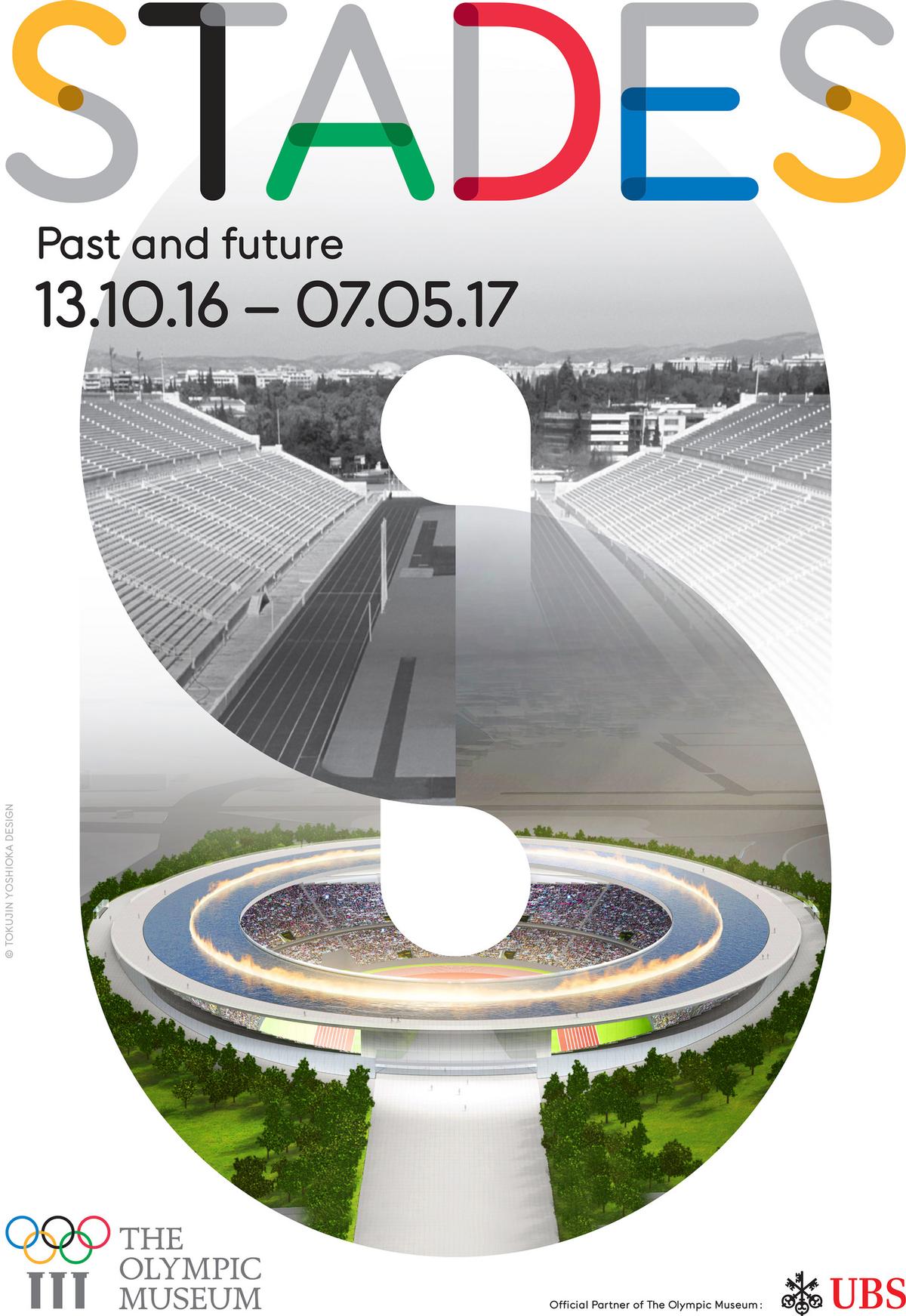
The design and engineering of Olympic stadiums is the focus of a temporary exhibition opening today (13 October) at The Olympic Museum in Lausanne, Switzerland.

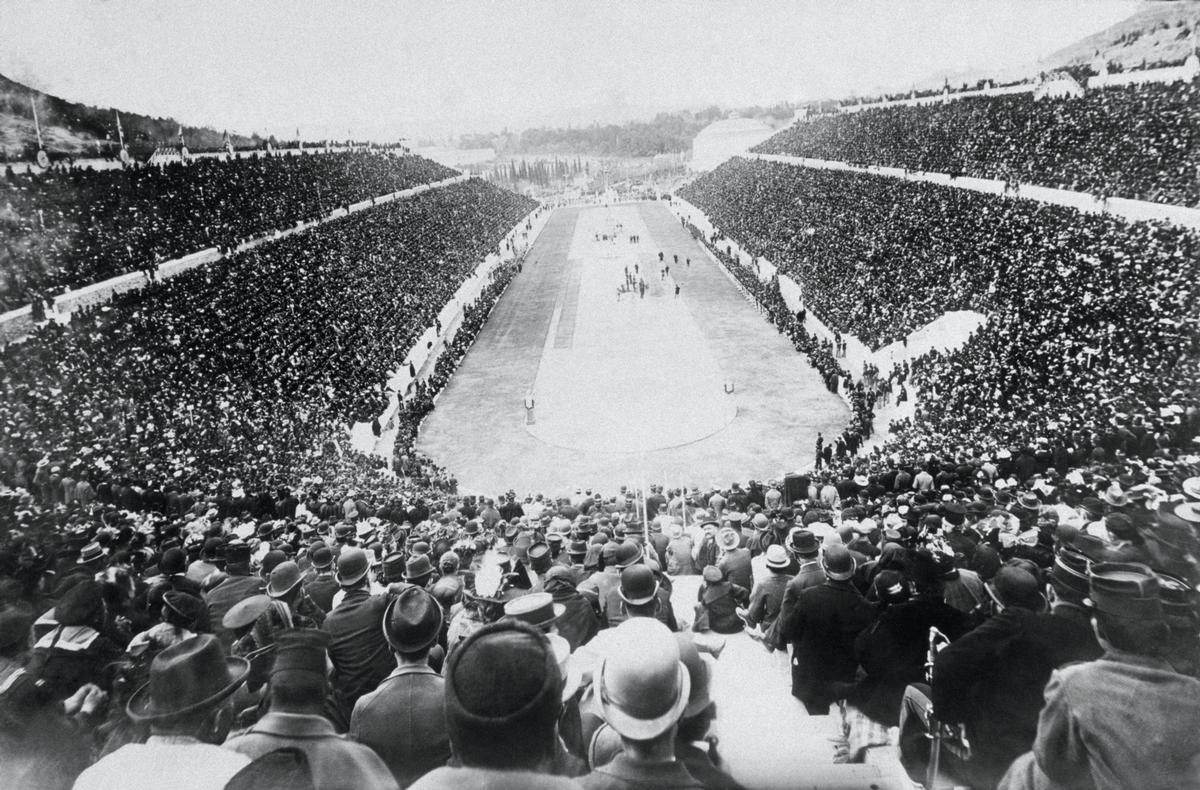
Stadiums: Past and Future explores the facilities cities have built to host the Games – from the Olympia in Ancient Greece through to modern architectural icons such as Frei Otto’s Munich Olympic Stadium and Herzog and de Meuron’s Bird’s Nest in Beijing.

Curated by Geraint John, senior advisor at sports architects Populous and former chief architect at the GB Sports Council, the multi-media exhibition considers the engineering innovations used to build flexible Olympic venues and the environmental, social and economic challenges of creating stadiums that can have a long-term positive impact on the city where they are built.

Possibilities such as temporary stadium building and stadium renovations are considered in a section exploring the sustainability of stadium design and the changing demands placed on Olympic facilities.

The London 2012 Games is used as a case study in long-term planning for creating a legacy, with an interactive exhibit demonstrating how the infrastructure of the Games developed from the planning stages in the late 90s through to 2012, and how it will be developed, through schemes such as Olympicopolis, over the next 15 years.

The London Games are compared and contrasted with the events organised by Sydney in 2000, Athens in 2004, Beijing in 2008 and Rio in 2016 to consider the approaches, successfully or less so, each city made to create a legacy.

“It is very important nowadays for the International Olympic Committee (IOC) to deal with questions like the heritage and legacy of the Games,” said Anne Chevalley, head of cultural and educational programming at The Olympic Museum, in an interview with Sports Management.

“It’s time for us to talk about how we can integrate heritage into Olympic cities and to see that stadiums are not constructed for a couple of weeks of competition, but are an investment for many decades. We’re sensitive to this point and it’s our intention to express this concern in a visual way through the exhibition by asking what does it mean to build such a stadium in a city?”

Chevalley added that the exhibition is designed for members of the public, architects and representatives from cities considering bidding for the Games in the future.

“It’s interesting to see examples of former hosts; both good examples and those which were more difficult,” she said. “Building a stadium is a long, long process and involves very many people, so we have to look at what did and didn’t work in the past and see how we can improve.”

In addition to the exhibition – which runs until 7 May 2017 before travelling to London – the museum has opened a zone where children can masterplan their own Olympic city park using large colourful building blocks. It has also published an online game for children and a book called Olympic Stadiums on the subject.
The exhibition examines what we can learn from the Olympic stadiums of the past
The exhibition will move to London after ending its run at Lausanne's Olympic Museum in May 2017
MORE NEWS
Les Mills calls on the industry to support UNICEF
Global group exercise specialist, Les Mills, is inviting operators to sign up to its Workout for the World event on 20 June, in support of UNICEF.
HUM2N opens longevity clinic at Six Senses London
Global luxury hospitality brand, Six Senses, has partnered with longevity healthcare provider, HUM2N, to launch a clinic at Six Senses London, at The Whiteley.
KX Chelsea invests £15 million to upgrade its wellness offering
Premium London health club, KX Chelsea, will imminently unveil its most significant redevelopment since its launch in 2002 to create an integrated wellness model combining training, recovery and relaxation.
Researchers identify a drug which reduces muscle loss when using GLP-1 medications
Researchers in the US have identified an antibody which could greatly reduce the loss of lean muscle mass in people who are taking weight-loss medications.
+ More news   
LATEST JOBS
GP Exercise Referral Instructor
Everyone Active
Salary: £33,000pa + benefits
Job location: Harrow, Middlesex , United Kingdom
Self Employed Personal Trainer
Everyone Active
Salary: Competitive
Job location: Enderby
+ More jobs  

FEATURED SUPPLIERS

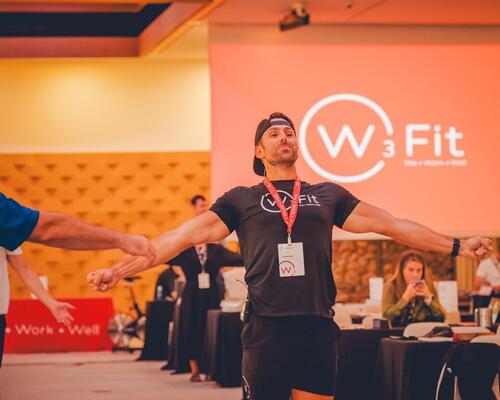
W3Fit EMEA celebrates its fifth anniversary
Celebrating its milestone 5th anniversary, W3Fit EMEA returns in 2026 with an unmissable gathering of the Health & Fitness industry’s most influential leaders. [more...]

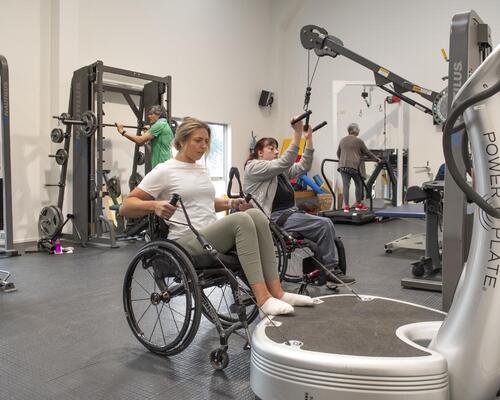
Supporting long-term health: why whole body vibration belongs in clinical settings
As healthcare continues to shift towards prevention, there’s a growing focus on helping people stay active, independent and feeling good for longer. [more...]
+ More featured suppliers  
COMPANY PROFILES
Total Vibration Solutions Ltd (TVS Group)

TVS Group includes TVS Sports Surfaces, TVS Gym Flooring, TVS Play Surfaces and TVS Acoustics. [more...]
PSLT Ltd

PSLT Fitness Solutions manufacture, remanufacture and buy back commercial gym equipment. [more...]
+ More profiles  
CATALOGUE GALLERY
 
+ More catalogues  

DIRECTORY
+ More directory  
DIARY


09-12 Jun 2026

W3Spa EMEA

Hotel Cascais Miragem Health & Spa, Portugal
13-13 Jun 2026

Global Wellness Day

Worldwide, Various,
+ More diary  
 
ABOUT LEISURE MEDIA
LEISURE MEDIA MAGAZINES
LEISURE MEDIA HANDBOOKS
LEISURE MEDIA WEBSITES
LEISURE MEDIA PRODUCT SEARCH
 
HCM
LEISURE OPPORTUNITIES
HEALTH CLUB HANDBOOK
PRINT SUBSCRIPTIONS
FREE DIGITAL SUBSCRIPTIONS
ADVERTISE . CONTACT US

Leisure Media
Tel: +44 (0)1462 431385

©Cybertrek 2026
Get HCM digital magazine and ezines FREE
Sign up here ▸
Jobs    News   Products   Magazine
NEWS
How do you design an Olympic stadium? New exhibition explores style, structures and sustainability
POSTED 13 Oct 2016 . BY Kim Megson
The Olympic stadium in Munich is one of the facilities examined in the exhibition
The design and engineering of Olympic stadiums is the focus of a temporary exhibition opening today (13 October) at The Olympic Museum in Lausanne, Switzerland.

Stadiums: Past and Future explores the facilities cities have built to host the Games – from the Olympia in Ancient Greece through to modern architectural icons such as Frei Otto’s Munich Olympic Stadium and Herzog and de Meuron’s Bird’s Nest in Beijing.

Curated by Geraint John, senior advisor at sports architects Populous and former chief architect at the GB Sports Council, the multi-media exhibition considers the engineering innovations used to build flexible Olympic venues and the environmental, social and economic challenges of creating stadiums that can have a long-term positive impact on the city where they are built.

Possibilities such as temporary stadium building and stadium renovations are considered in a section exploring the sustainability of stadium design and the changing demands placed on Olympic facilities.

The London 2012 Games is used as a case study in long-term planning for creating a legacy, with an interactive exhibit demonstrating how the infrastructure of the Games developed from the planning stages in the late 90s through to 2012, and how it will be developed, through schemes such as Olympicopolis, over the next 15 years.

The London Games are compared and contrasted with the events organised by Sydney in 2000, Athens in 2004, Beijing in 2008 and Rio in 2016 to consider the approaches, successfully or less so, each city made to create a legacy.

“It is very important nowadays for the International Olympic Committee (IOC) to deal with questions like the heritage and legacy of the Games,” said Anne Chevalley, head of cultural and educational programming at The Olympic Museum, in an interview with Sports Management.

“It’s time for us to talk about how we can integrate heritage into Olympic cities and to see that stadiums are not constructed for a couple of weeks of competition, but are an investment for many decades. We’re sensitive to this point and it’s our intention to express this concern in a visual way through the exhibition by asking what does it mean to build such a stadium in a city?”

Chevalley added that the exhibition is designed for members of the public, architects and representatives from cities considering bidding for the Games in the future.

“It’s interesting to see examples of former hosts; both good examples and those which were more difficult,” she said. “Building a stadium is a long, long process and involves very many people, so we have to look at what did and didn’t work in the past and see how we can improve.”

In addition to the exhibition – which runs until 7 May 2017 before travelling to London – the museum has opened a zone where children can masterplan their own Olympic city park using large colourful building blocks. It has also published an online game for children and a book called Olympic Stadiums on the subject.
The exhibition examines what we can learn from the Olympic stadiums of the past
The exhibition will move to London after ending its run at Lausanne's Olympic Museum in May 2017
MORE NEWS
Les Mills calls on the industry to support UNICEF
Global group exercise specialist, Les Mills, is inviting operators to sign up to its Workout for the World event on 20 June, in support of UNICEF.
HUM2N opens longevity clinic at Six Senses London
Global luxury hospitality brand, Six Senses, has partnered with longevity healthcare provider, HUM2N, to launch a clinic at Six Senses London, at The Whiteley.
KX Chelsea invests £15 million to upgrade its wellness offering
Premium London health club, KX Chelsea, will imminently unveil its most significant redevelopment since its launch in 2002 to create an integrated wellness model combining training, recovery and relaxation.
Researchers identify a drug which reduces muscle loss when using GLP-1 medications
Researchers in the US have identified an antibody which could greatly reduce the loss of lean muscle mass in people who are taking weight-loss medications.
Peloton signals potential move into reformer Pilates with Skop acquisition
Peloton has made the strategic acquisition of the Pilates start-up, Skōp, to support the expansion of its strength ecosystem.
Crunch Fitness creates more affordable reformer Pilates concept
Crunch Fitness has announced the launch of Crunch Reform Pilates – its own reformer concept designed to bring this fast growing, but rather expensive, modality into the mainstream.
+ More news   
 
FEATURED SUPPLIERS

W3Fit EMEA celebrates its fifth anniversary
Celebrating its milestone 5th anniversary, W3Fit EMEA returns in 2026 with an unmissable gathering of the Health & Fitness industry’s most influential leaders. [more...]

Supporting long-term health: why whole body vibration belongs in clinical settings
As healthcare continues to shift towards prevention, there’s a growing focus on helping people stay active, independent and feeling good for longer. [more...]
+ More featured suppliers  
COMPANY PROFILES
Total Vibration Solutions Ltd (TVS Group)

TVS Group includes TVS Sports Surfaces, TVS Gym Flooring, TVS Play Surfaces and TVS Acoustics. [more...]
+ More profiles  
CATALOGUE GALLERY
+ More catalogues  

DIRECTORY
+ More directory  
DIARY


09-12 Jun 2026

W3Spa EMEA

Hotel Cascais Miragem Health & Spa, Portugal
13-13 Jun 2026

Global Wellness Day

Worldwide, Various,
+ More diary  


ADVERTISE . CONTACT US

Leisure Media
Tel: +44 (0)1462 431385

©Cybertrek 2026

ABOUT LEISURE MEDIA
LEISURE MEDIA MAGAZINES
LEISURE MEDIA HANDBOOKS
LEISURE MEDIA WEBSITES
LEISURE MEDIA PRODUCT SEARCH
PRINT SUBSCRIPTIONS
FREE DIGITAL SUBSCRIPTIONS