NEWS
 |
| Maki and Kuma campaign for Tokyo gymnasium to receive UNESCO recognition |
|
| POSTED 21 Sep 2016 . BY Kim Megson |
|
|
|
|
|
|
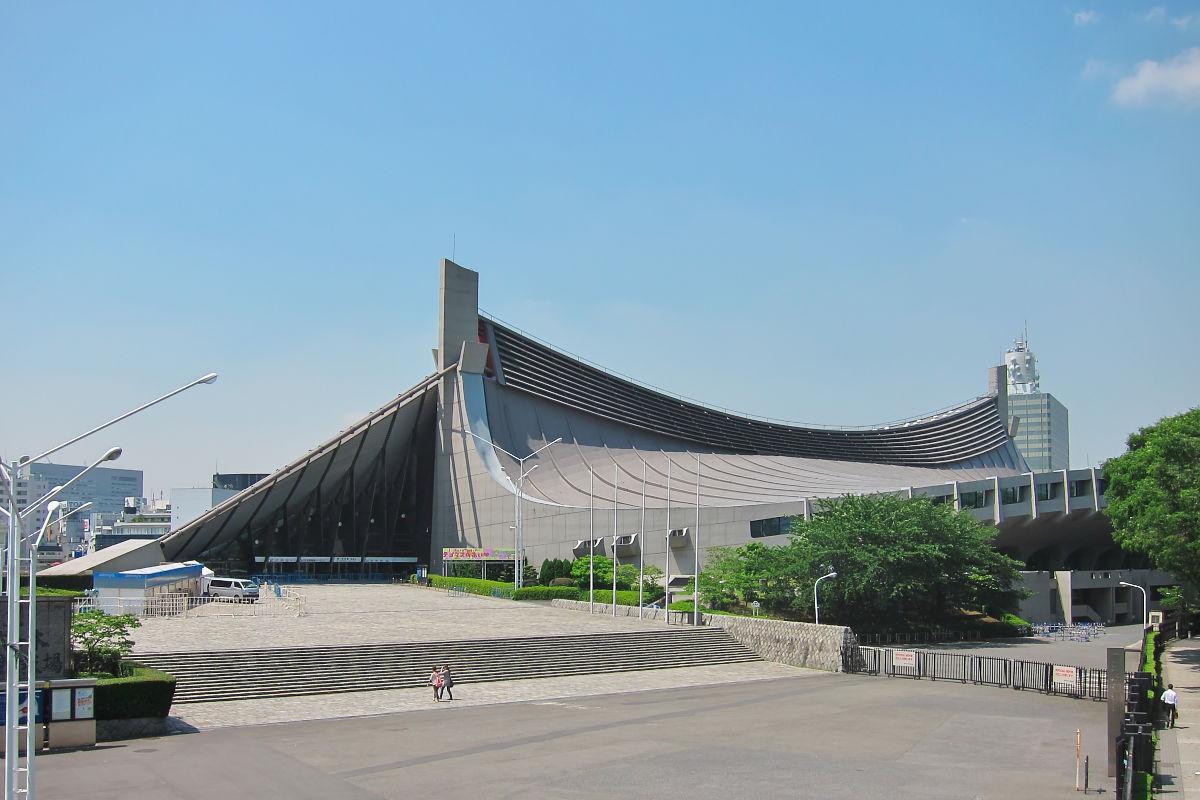
The Yoyogi National Gymnasium is famous for its suspension roof design Credit: Wiki Commons
|
|
|
|
|
|
Tange was my hero. I was so impressed by that building, even at the age of 10, and it was after visiting it that I immediately decided to become an architect.
– Kengo Kuma
|
A group of Japanese architects, including Fumihiko Maki and Kengo Kuma, are petitioning UNESCO to recognise the gymnasium building designed by Kenzo Tange for the 1964 Tokyo Olympics on its World Cultural Heritage list.
The high-profile team today (21 September) launched a campaign to have the Yoyogi National Gymnasium listed before the Olympics return to Tokyo in 2020.
The facility – which hosted swimming, diving and basketball events at the 1964 Games – was praised by the architects for its combination of beautiful design, including its famous suspension roof, and cutting-edge engineering technology.
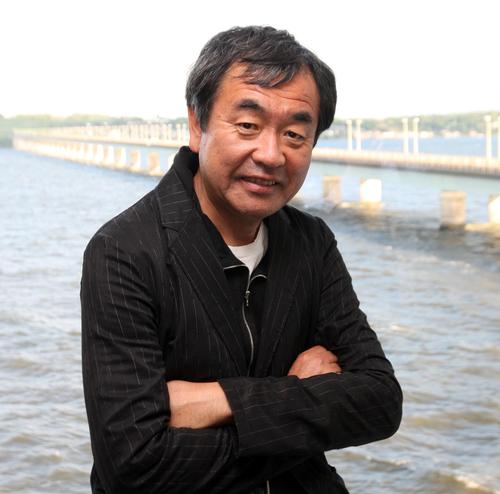
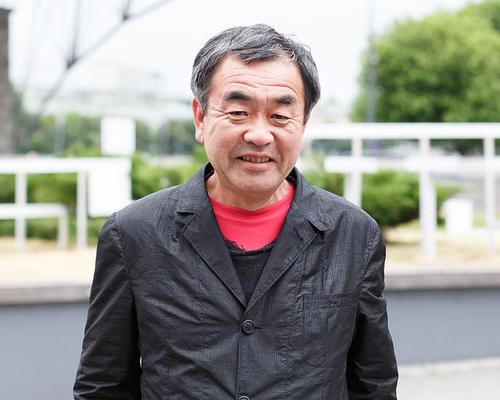
“The 1964 Games were very important for me,” Kuma told Sports Management. “It was a year of economic expansion in Japan. Really we hit a peak. Everything was going well and Tange perfectly symbolised that period by building a beautiful gymnasium.
“He was my hero. I was so impressed by that building, even at the age of 10, and it was after visiting it that I immediately decided to become an architect.”
In quotes carried by the Japan Times, Maki said: “If Tange’s work is registered, he would be the first Japanese architect whose work will be included on the World Heritage list. That would be an extremely honourable milestone for us.”
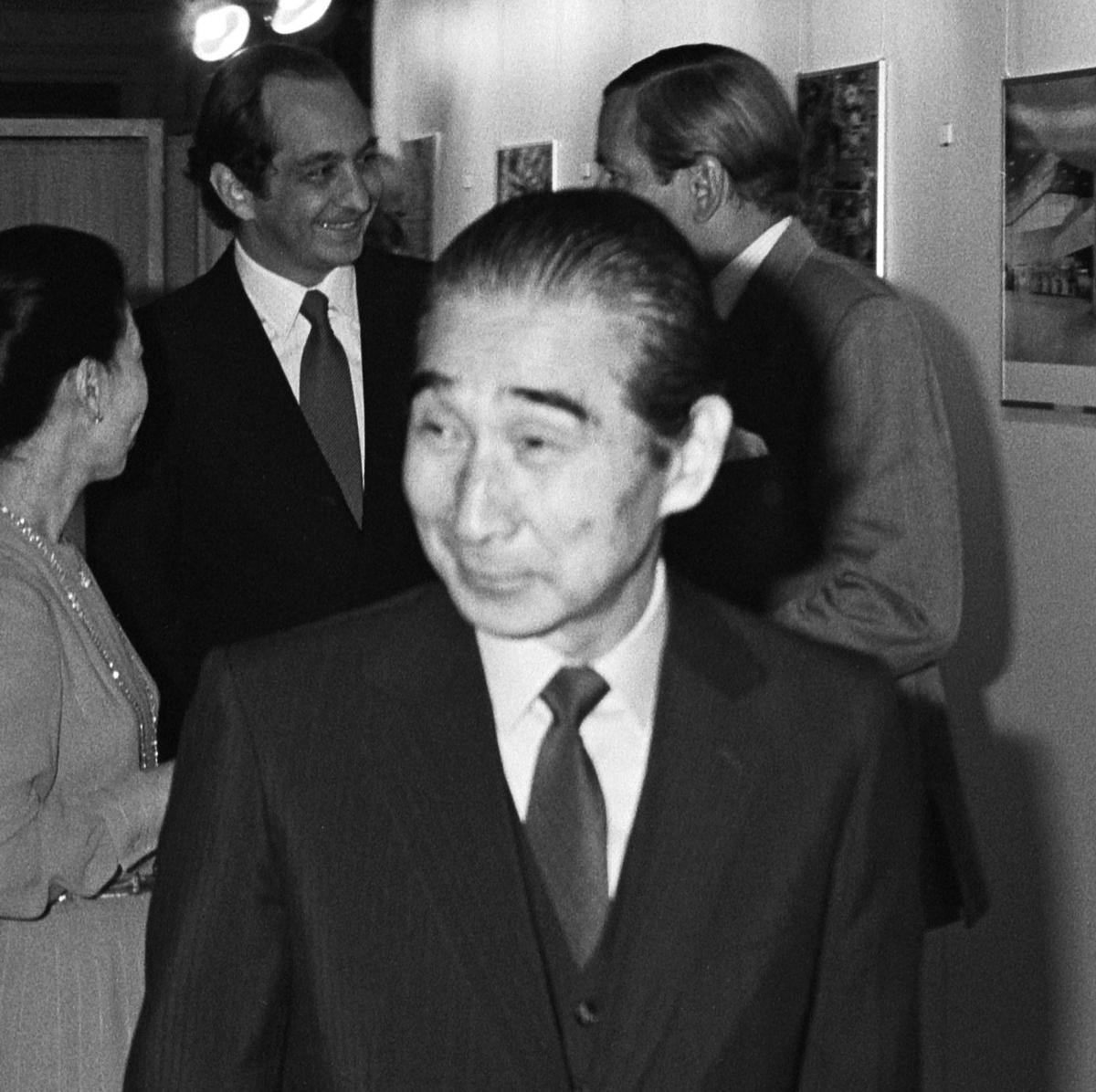
Tange won architecture’s top accolade, the Pritzker Prize, in 1987. The jury, which included Maki, described his Olympic buildings as “among the most beautiful structures built in the twentieth century” and said his designs “lift our hearts because they seem to emerge from some ancient and dimly remembered past and yet are breathtakingly of today.”
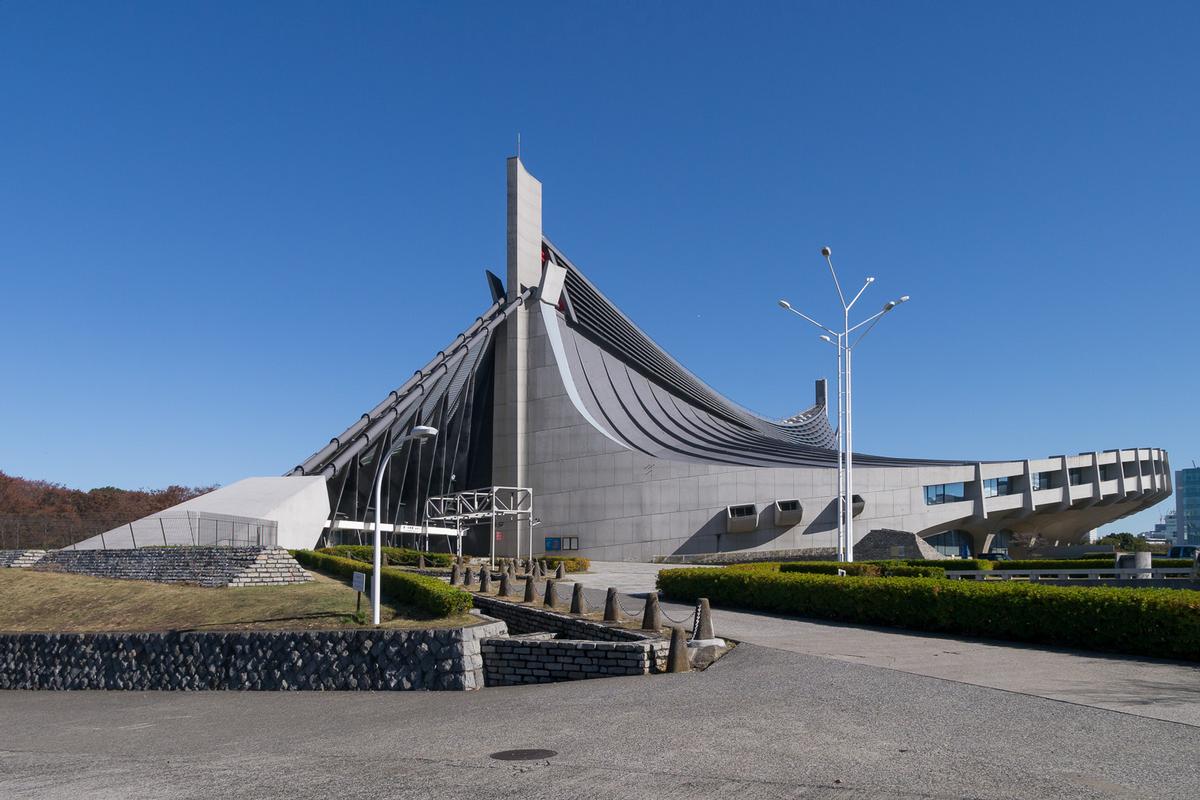
The Yoyogi complex is still used for sports competitions and live concerts. It will host the handball competitions and Paralympic badminton and wheelchair rugby at the forthcoming Games.
|
|
|
|
| The facility will be used to host events at the 2020 Tokyo Games Credit: Wiki Commons |
|
|
|
|
|
| Kenzo Tange won the Pritzker Prize in 1987 for his work Credit: Wiki Commons |
|
|
|
|
|
|
|
|
|
|
|
|
|
Unesco makes 21 new additions to World Heritage list
POSTED 18 Jul 2016. BY Tom Anstey
Unesco has announced the annual update to its prestigious World Heritage list, adding 21
new locations deemed of cultural and historical importance to its global list of more than
1,000.
|
|
|
|
Kengo Kuma hits back in Tokyo 2020 stadium row
POSTED 15 Jan 2016. BY Kim Megson
The architect developing Japan’s National Stadium for the Tokyo 2020 Olympic Games has
publicly refuted claims his studio have copied from an earlier design submitted by Zaha
Hadid Architects.
|
|
|
|
|
|
 |
|
|

Everyone Active
Everyone Active operates leisure centres in partnership with local councils across the UK. Today, Ev [more...] |
|
|
|
|
|
Orbit4
With Orbit4, you’ll always have full visibility
of your equipment inventory, the true
market value [more...] |
|
|
|
|
|
|
|
|

 |
|
| DIARY |
09-12 Jun 2026
W3Spa EMEA
Hotel Cascais Miragem Health & Spa,
Portugal
|
|
|
|
|
|