NEWS
 |
| PHE to recruit more clinical champions to promote physical activity |
|
| POSTED 30 Aug 2016 . BY Deven Pamben |
|
|
|
|

|
|
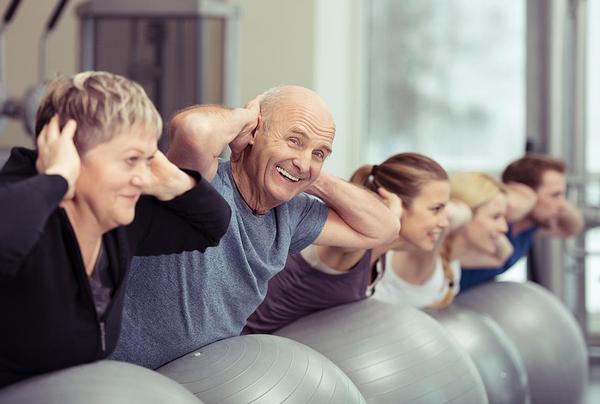
45% of women and 33% of men are not active enough for good health
|
|
|
|
|
Public Health England (PHE) is recruiting more clinical champions as part of its drive to improve the health and wellbeing of people.
The role of a clinical champion is to recognise the potential of physical activity and incorporate it into patient care. PHE is looking for six clinical champions - two for London (nurse and midwife) and one each for the South East, South West, East Midlands and West Midlands (GPs).
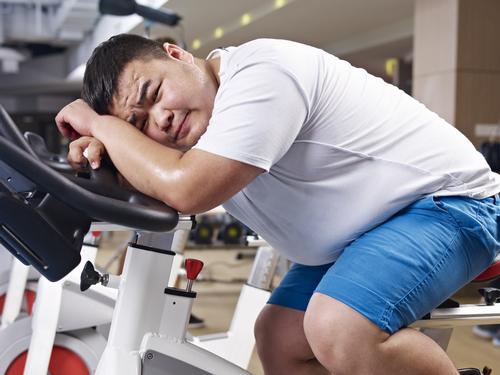
PHE launched a national physical activity framework - Everybody Active, Every Day - in October 2014. The document showed that 45% of women and 33% of men are not active enough for good health, and that 26% of women and 19% of men are physically inactive.
The clinical champions programme provides peer-to-peer training with a specialist interest in physical activity through one-off education and development sessions. Following a successful pilot, PHE is extending the scheme.
The aim of the programme is to educate clinicians around the areas of physical activity and its benefits, risks of inactivity, statistics regarding inactivity, exercise physiology in primary and secondary prevention, motivational interviewing and local provisions for physical activity.
Following training to deliver a semi-structured programme and support around teaching styles and skills, the champions will deliver face-to-face interactive sessions comprising presentation of epidemiological and biological evidence, small group work, problem solving tasks, and brief training in motivational interviewing focusing on practical application to clinical practice. They will also develop skills to act as the national coach and mentor for other professionals within their discipline as the programme gets rolled out wider, if it continues to be successful.
In July, the Royal College of GPs announced that physical activity would be given greater prominence by local GP practices – both in terms of training and the priorities of doctors – to reduce long-term pressures on the health service by focusing on prevention over cure.
Dr Zoe Williams and Dr Andrew Boyd were appointed joint clinical champions for its programme, which be being run in partnership with the Nuffield Department of Primary Care and Health Sciences, at the University of Oxford.
|
|
|
|
|
|
|
|
|
|
|
|
FEATURE: Editor’s letter: Activity to save lives
POSTED 28 Jul 2016.
Physical activity has been made a clinical priority for GPs, but if fitness – as a subset of activity – wants to benefit, it will need to up its game, says Kate Cracknell
|
|
|
|
GPs told: Make physical activity a clinical priority
POSTED 01 Jul 2016. BY Jak Phillips
The Royal College of GPs (RCGP) has announced physical activity and lifestyle as one of its
clinical priorities for the next three years, becoming the latest influential body to elevate
the importance of tackling sedentary behaviour.
|
|
|
|
GP referrals ‘failing’ to curb obesity
POSTED 17 Jul 2015. BY Jak Phillips
GP referrals for weight management and physical activity programmes are failing to curb
obesity, researchers have claimed.
|
|
|
|
FEATURE: Editor’s letter: Working alongside GPs
POSTED 01 Mar 2015.
There is much the health and fitness sector can do to build closer links with GPs – and with it boost the number of people being active – says Kate Cracknell
|
|
|
|
|
|
 |
|
|


 |
|
| DIARY |
09-12 Jun 2026
W3Spa EMEA
Hotel Cascais Miragem Health & Spa,
Portugal
|
|
|
|
|
|